

A love song you can sing as a duet. From Showa-era kayōkyoku to the latest J-pop!

Picking out love songs from duet tracks!
Showa-era kayokyoku is full of classic duet songs that portray the romantic dynamics between men and women.
For example, many people know songs like “Lonely Chaplin” and “Ai ga Umareta Hi,” even across different generations.
In this article, we introduce a variety of duet songs from Showa kayokyoku to the latest J-pop.
Many of them are great for karaoke, so once you find a favorite, be sure to try singing it as a duet!
- [Karaoke] Duet songs for men and women. A roundup of popular and classic tracks.
- A Showa-era duet song. A timeless karaoke/snack-bar classic!
- [Karaoke] Duet Song Rankings [2026]
- Compilation of enka duet songs. Introducing popular kayōkyoku hits as well!
- Showa-era love songs: A roundup of timeless love songs cherished across generations
- Love songs that are easy to sing at karaoke. Recommended classics and popular tracks.
- Mutual love songs that are easy to sing at karaoke
- Recommended for couples! Reiwa-era love songs that warm the heart
- Recommended songs for karaoke dates. Songs that will make your partner’s heart skip a beat.
- Recommended love songs for people in their 80s: A collection of classic love songs that colored the Showa era
- Famous songs about couples: recommended popular tracks
- Recommended love songs for people in their 90s: A collection of classic Shōwa-era romance songs
- 【2026】A Collection of Masterpieces: Enka and Kayōkyoku Duets by Two Women
Love songs you can sing as a duet. From Showa-era kayōkyoku to the latest J‑POP! (21–30)
Naomi’s DreamHedoba to Dabide

A male–female duo, Hedva and David, deliver a gem of a love song, wrapping feelings for a beloved in a gentle melody.
The intertwined male and female harmonies, set against a beautifully wistful tune, stir the heart with drama.
Released on the RCA label in January 1971, the song sparked a huge response in Japan.
Starting in April, it topped the Oricon Weekly Singles Chart for four consecutive weeks and became a massive hit with 670,000 copies sold.
It’s a track where the duo’s signature lush harmonies blend exquisitely with the exotic charm of Israel.
Modern Golden DemonKasagi Shizuko / Sakai Shunji

This song is an unconventional collaboration between Shizuko Kasagi, the “Queen of Boogie” who epitomized the postwar music scene, and Shunji Sakai, a hugely popular comic actor.
Released in the early 1950s, it was also chosen as the theme song for the film “Zakuzaku Musume.” Set to a lively boogie-woogie rhythm, it humorously portrays views on love and money, offering a unique piece that expresses the world of classical literature through the popular music of the time.
Kasagi’s vibrant vocals and Sakai’s comedic banter blend into a perfect harmony.
Sung as a duet, it’s sure to brighten the atmosphere wherever it’s performed.
Love songs you can sing as duets. From Showa-era kayōkyoku to the latest J-pop! (31–40)
In a corner of the Tokyo desertKurosawa Toshio / Kano Wakiko

A gem of a duet by Toshio Kurosawa and Wakiko Kano that beautifully portrays urban loneliness and the warmth of people.
Released by Nippon Columbia in January 1984, this work was crafted by the powerhouse duo of lyricist Rei Nakanishi and composer Keisuke Hama.
Its innovative metaphor of comparing the solitude and desolation of city life to a desert continues to resonate across generations.
The seamless harmony between Kurosawa’s captivating low voice and Kano’s delicate vocals shines like a single beam of light piercing the darkness.
It’s a song you’ll want to sing with someone dear at a late-night snack bar or karaoke, letting your hearts connect.
Step Up LOVEDAOKO × Okamura Yasuyuki
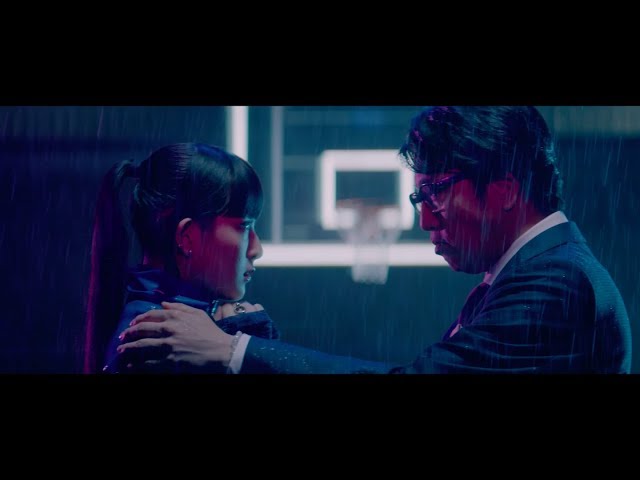
Here’s a recommendation for those who want to sing an adult duet: “STEP-UP LOVE,” released in 2017.
It’s a funky, cool dance tune born from the collaboration between rapper DAOKO—known for songs like “Uchiage Hanabi”—and singer-songwriter Yasuyuki Okamura, celebrated for his distinctive style in tracks like “Kahlua Milk.” Irresistibly catchy and danceable without being overly sultry, it just won’t let you stop! Their back-and-forth is so cool you’ll definitely want to imitate it.
How about a little escapism with this slightly offbeat pick?

red glassAi George, Chinami Shima

Sing the first verse by a man and the second by a woman, then have both sing together in the third verse.
Alternating duets are lovely, but songs like this one—unfolding as if to portray the disconnect between a man and a woman—also have a special charm.
The tempo is neither too fast nor too slow, so it’s not too hard to learn.
Give it a try!
Because tonight is up to youOoki Hideo/Ninomiya Yoshiko

This is the song “Anata Makase no Yoru Dakara,” a duet by Yoshiko Ninomiya—who won the NHK Nodo Jiman Grand Champion and made her debut—and Hideo Oki, a singer who belonged to the same label.
Just listening to their bright voices lifts your spirits.
You can picture a couple, pleasantly tipsy and smiling at each other, disappearing into the neon-lit night.
It’s a song that makes you want to sing on a fun evening!

Lovestruck MidosujiEmoto Tsuneki & Irie Machiko

One of the quintessential duet songs of the Showa era, this classic vividly evokes the scenery of Osaka.
Released in 1978 by Takeshi Emoto and Machiko Irie, it portrays a bittersweet love set along Midosuji in a light drizzle.
It drew attention as a rare case of former professional baseball player Emoto also succeeding as a singer.
With its gentle melody and emotionally rich lyrics, it’s irresistible for fans of Showa-era kayokyoku.
It’s the kind of song you’ll want to sing with someone special at karaoke or in a cozy snack bar.