


Songs That Make Everyone Uncomfortable at Karaoke: Dangerous Numbers That Freeze the Atmosphere

Have you ever been singing your heart out at karaoke, only to feel the room suddenly turn ice-cold? Those sweat-inducing moments happen, right? You’re trying to lift the mood, but depending on your song choice, you might end up getting some painful stares.
In this article, we’ll highlight songs that tend to make people uncomfortable at karaoke—the ones that unintentionally cause a stir.
Some are “great songs, but… know the time and place” landmines.
Use this guide to understand the patterns and pick songs wisely so you can get through your next karaoke session smoothly!
Songs That Kill the Mood at Karaoke: Risky Numbers That Freeze the Room (1–10)
Charlesbarūn

Have you ever been belting it out at karaoke, only to feel the whole room freeze over? This song—by Vocaloid producer Balloon (Keina Suda)—is exactly the kind of landmine that can cause that.
It pairs the bittersweet theme of parting and loss with an upbeat, rhythmic melody, but its rapid-fire lyrics and wide vocal range make it significantly challenging to sing.
Attempt it half-heartedly and you risk killing the mood.
Released in October 2016 and included on the album “Corridor,” the track remains popular; in April 2025, a version sung by Ado was featured on the concept album “Fall Apart.” It’s a song best tackled by those confident in their vocal ability—people who can dominate the room’s atmosphere.
Christmas? What’s that? Is it tasty?Hyadain
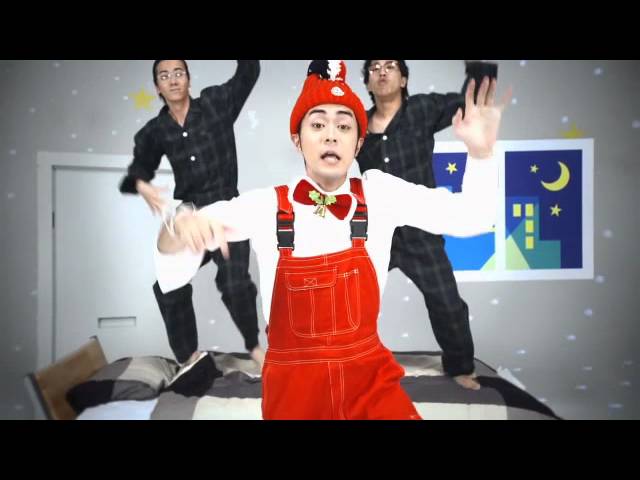
A Christmas anti-romance song that just might flip the mood at karaoke.
Sung by creator Hyadain, this track’s charm lies in its theme that turns classic Christmas songs on their head with irony and humor.
Set to a bright sound, it captures the feelings of those who can’t find happiness in Christmas, creating a highly addictive effect.
Released as a single in November 2011, it was later included on the acclaimed album “20112012.” It’s a risky number that can freeze the room if you sing it at a karaoke spot full of couples, but with close friends you can count on it to spark laughter, solidarity, and a huge burst of energy.
The Disappearance of Hatsune MikucosMo@bousou P

A signature work by cosMo@Bousou-P, who has been active since the early days of the Vocaloid scene and continues to lead the charge as an all-around creator.
Released in April 2008, this piece is characterized by its extremely rapid-fire lyrics—leveraging Hatsune Miku’s unique traits—and its overwhelming density of information.
Its narrative, centered on the anxieties and self-awareness of an electronic diva being consumed as data, resonated deeply with many listeners.
It is also widely known as the title track of the major-label album “The Disappearance of Hatsune Miku,” released in August 2010, and has long been beloved as an ultra-high-difficulty song in Sega’s “Hatsune Miku: Project DIVA” series, among others.
There’s a chance people might be put off by the sight of someone desperately trying to sing a super high-speed melody that no human could ever fully master.
Still, turning that difficulty on its head and tackling it together with friends in a lively challenge might be part of the fun!
aonori (green laver seaweed)Buriifu & Torankusu

Brief & Trunks are a folk duo who have gained support for their style of capturing everyday happenings from a unique perspective.
Their single Aonori, released in November 1998, is a signature song from their early period.
Set to a charming melody, it features a surreal structure that specifically lists traits that tend to be seen as turn-offs—like flecks of green laver on the front teeth or faint stubble.
It caught fire through requests on cable radio and spread widely by word of mouth.
In gatherings where people aren’t that close, it might totally put people off… It’s a number best performed in situations where the humor will land, like karaoke with close friends.
Manpi no G★SPOTSazan Ōrusutāzu

Southern All Stars, one of Japan’s most iconic rock bands.
Among their many classics, this 1995 May release is a song that takes a bit of courage to pick at karaoke.
It was also used as the ending theme for the Nippon TV variety show “TV Oja Mammoth.” It’s a track where a bluesy, hard-hitting rock sound is brilliantly fused with Keisuke Kuwata’s humor-rich wordplay.
However, due to its provocative title and risqué lyrics, choosing it without considering the setting risks making people around you uncomfortable.
In a casual drinking party with close friends or a raucous gathering of Southern fans, though, it’s guaranteed to ignite explosive excitement.
curseYamazaki Hako

It’s a number so charged with terrifying passion that if you sing it at karaoke, the room is guaranteed to freeze over.
The theme is a psychological drama that hurts like hammering nails into a straw doll, with quiet repetition and the mere trace of a voice stoking fear.
It isn’t mere horror; it expresses an introspection like driving nails into one’s own sorrow.
Released in May 1979 as a track on Hako Yamasaki’s fifth album, “Ningen Magai,” it caused a major stir in living rooms nationwide when Yamasaki herself appeared on a special episode of the anime Chibi Maruko-chan in July 2002 and the song was used in the show.
It’s the perfect pick for when you want to deliberately transform the atmosphere near the end of a karaoke session.
Becoming a Thousand WindsAkiyama Masashi

A smash hit that showcases Masafumi Akikawa’s overwhelming vocal power and expressiveness.
Released as a single in May 2006, it’s a work for which Man Arai translated a poem that drew attention in the United States and set it to music.
The lyrics may be a bit surprising, as they feel like a message from someone who has passed away, but as you listen, they somehow slip gently into your heart.
It’s a classic widely known across generations—topping the 2007 Oricon annual singles chart—but singing it at karaoke might make the mood a bit heavy.
Some even say they’re put off if it’s performed in a full-on operatic style.
It’s a recommended track for moments when you want to listen quietly, or for spending calm time with close friends.