

Songs with titles starting with “E” [Great for karaoke and shiritori, too!]

When you hear “songs with titles that start with E,” what tracks come to mind?
It’s not always easy to think of them right away, is it?
After doing some research, I found many signature songs by artists and timeless classics beloved by fans for years.
From words like “eternity” and “smile” to memorable English phrases, there’s a wide range to explore!
In this article, I’ll carefully select and introduce songs with titles that start with E.
Feel free to use this as a reference not only when you’re wondering, “What songs start with E?” but also as a starting point for shiritori or picking songs for karaoke.
- Vocaloid songs that start with 'E'
- Masterpieces with titles that start with 'A'
- Songs whose titles start with “He.” Useful for shiritori or karaoke.
- A classic song with a title that starts with “Ru”
- Useful for song-title shiritori! A collection of songs whose titles start with “ze.”
- A roundup of songs with titles that start with “Me” (Melody, Merikuri, and more)
- Songs with titles that start with 'Ke'
- Songs with titles that start with “Su.” A collection of tracks useful for shiritori.
- A compilation of Vocaloid songs with titles starting with “He”
- Songs with titles that start with 'de'. Perfect as hints for karaoke or shiritori!
- A Must-See for Those in Their 20s: A Collection of Youthful Songs That Bring Back School Days
- Must-see for men: Songs that look cool if you can sing them at karaoke—numbers that women can’t help but be captivated by.
- Songs with titles that start with a number. Useful for karaoke or playlist selection.
Songs with Titles Starting with “E” [Great for Karaoke & Shiritori!] (441–450)
(E)naOkamura Yasuyuki

Yasuyuki Okamura is a singer-songwriter who has been active on the Japanese music scene since the 1980s.
Among the many songs he has written for other artists, “(E)na,” included on his 1990 album “Kateikyoushi” (Home Tutor), stands out.
The title is read as “kakkoiina” (“how cool”) and expresses his honest feelings toward a woman he admires.
Featuring a rhythmic band performance with a horn section, the track also drew attention for his singing and dance performance.
Experience his unique sound that blends funk and pop.

MVPIwatatakanori

A much-talked-about solo track by Takanori Iwata, who’s active as a member of J SOUL BROTHERS III and EXILE, and was also featured in the Suntory Pepsi Nama BIG ZERO LEMON commercial.
It’s a hip-hop number with a striking, powerful beat, drawing attention for its sharp rap and dance performance.
The lyrics exude confidence—as if declaring “I’m the MVP!”—and just reading them can give you courage, making it a resonant cheer song.
There are also lines that reflect on Iwata himself—his multifaceted talents as a singer, dancer, and actor—so be sure to take your time and read through the lyrics.

Songs with titles starting with “E” [Great for karaoke & shiritori too!] (451–460)
Eight Beat BerserkerKishida Kyoudan & THE Myoujou Rockets

The rock band Kishida Kyoudan & THE Akeboshi Rockets’ “Eight Beat Berserker” is a high-energy power tune.
With explosive drum sounds and razor-sharp, hard-hitting guitar riffs, it’s packed with momentum that makes you want to headbang.
Just one listen will send a jolt down your spine—its commanding presence will instantly crank up the listener’s excitement.
I can easily imagine the moment this track drops at a live show, the entire floor erupting into a frenzy.
It’s a song that will blow away the haze of everyday life!
MKishitani Kaori
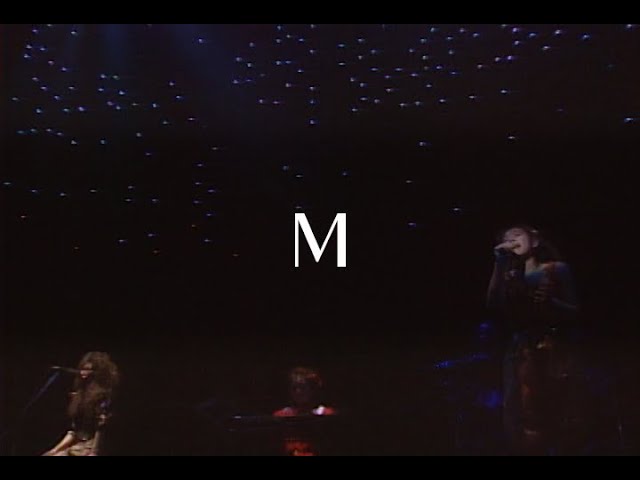
A track from PRINCESS PRINCESS’s fourth album, “Let’s Get Crazy,” released in November 1988.
It was also released as the B-side to the single “Diamonds” in April 1989.
Despite having no tie-in and not being a lead track at the time of release, it later gained numerous tie-ins—such as being used as an insert song for the “Broken-Hearted Message Board” segment on Yomiuri TV’s “Zamaa KANKAN!”—and became popular, now counted among PRINCESS PRINCESS’s signature songs.
It’s a ballad with a deeply affecting melody and lyrics, so its acclaim is well deserved.
And what most strongly imprints the song’s “bittersweetness” on listeners is, above all, vocalist Kaori Kishitani’s slightly husky voice.
Why not give it a listen once in a while and indulge in a little nostalgia for past romances?

Cape ErimoShimakura Chiyoko

Chiyoko Shimakura’s “Erimo Misaki” is a touching heartbreak song themed around parting from a loved one.
The lyrics, which depict a quiet autumn night brewing coffee alone and the way the couple’s past appears blurred with tears, tighten the chest.
Its wistful melody and Shimakura’s deeply expressive vocals resonate profoundly with listeners.
Released in 1961, the song remains one of Shimakura’s signature works, cherished by many.
While mourning a lost love, it also conveys gratitude for the memories.
It’s a song I especially recommend to anyone who has experienced saying goodbye to someone dear.
a coquettish moodkawanaka miyuki

With its bouncy rhythm and Japanese-style arrangement, “Enya na Kibun” is the kind of song that makes you want to clap along and sway your body—you should definitely try singing it at karaoke.
Released in 2009 as a single by Miyuki Kawanaka, it’s a track that fills you with energy as you listen to her playful yet somehow gentle voice.
Kawanaka’s signature vibrato appears throughout, but there aren’t any intimidating high notes, and it’s a song you can enjoy even if you can’t do vibrato.
So first, try singing it without overthinking.
Once you get used to it, practice adding a bit of vibrato little by little!

Echizen Capekawanaka miyuki

Miyuki Kawanaka is a highly accomplished singer who has brought numerous enka songs to the world.
Her 1980 release “Futarizake” is well known.
Her song “Echizen Misaki,” released on August 5, 1982, is a masterpiece that sings of a poignant love.
In this piece, Kawanaka expresses her profound feelings for a beloved far away with a powerful voice.
The lyrics delicately portray the sorrow of unfulfilled feelings and unwavering love, deeply moving listeners.
It is a recommended song for anyone with a straightforward, earnest love, and a work that showcases Kawanaka’s exceptional expressive power.