

[Beginner] Also great for piano recitals! Classical pieces that look cool when you can play them

Many people who want to learn to play the piano probably think that those admired classical pieces are impossible until you can already play to some extent.
For those people, we’ve picked out beginner-friendly classical pieces that will look cool when you can play them! While flashy and dynamic piano works often demand advanced technique, the pieces we’re introducing here are all masterpieces within easy reach for beginners, letting you enjoy short yet impressive phrases.
We’re also including famous pieces arranged for beginners, so whether you’re looking for a recital piece for your child or you’ve started learning piano as an adult, be sure to check them out!
- [For Elementary School Students] Brilliant, Showy Masterpieces That Sound Impressive at Piano Recitals
- [For Piano Recitals] Simple yet Cool Classical Pieces
- For Beginners: Easy to Play and Sounds Impressive! Pieces That Shine at Piano Recitals
- Beginner to Intermediate: Chopin pieces with relatively low difficulty. Recommended works by Chopin.
- Piano Masterpieces: Surprisingly Easy Despite Sounding Difficult!? A Curated Selection Perfect for Recitals
- [Beginner] Recommended Piano Pieces to Play at a Recital
- [Beginner] Recommended for adult piano beginners! Beautiful & stylish piano pieces
- [For 6-year-olds] A curated selection of standout pieces for piano recitals!
- [Piano Recital] Recommended for Boys! A Curated Selection of Cool, Impressive, and Popular Pieces
- [Intermediate Level] Cool Piano Pieces You Can Play [Great for Recitals Too]
- [Classical Music] All pieces under 3 minutes! A collection of short and cool piano pieces
- [Piano Recital] Carefully Selected Classical Pieces Recommended for Upper Elementary School Students
- [Piano Pieces] Easy for Children to Play! A Roundup of Simple Classical Works
[Beginner] Also great for piano recitals! Classical pieces that look cool if you can play them (31–40)
ParadeMaurice Ravel
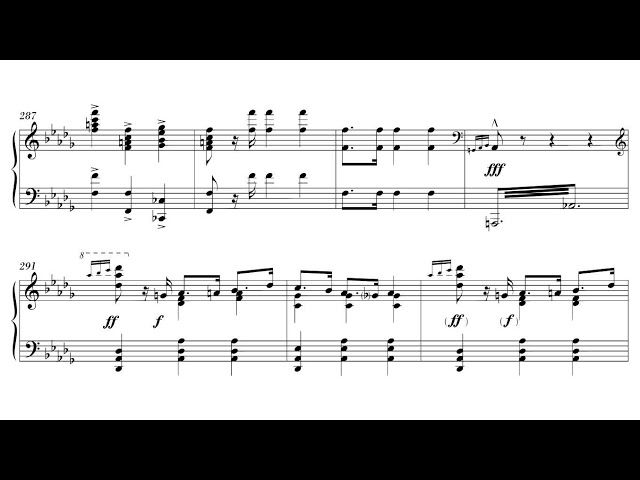
A piece whose powerful, dramatic sound stirs the listener’s heart, as if heralding the beginning of a grand tale.
It is a work by Toshio Horiuchi, who teaches in Hiroshima Prefecture and has composed numerous band pieces.
From the delicate interplay of sounds in the quiet sections to the breathtaking build toward a climax where the full ensemble charges forward as one, the piece offers a deeply immersive experience—like living through the prologue of a legend in music.
Composed in 2006 as a set piece for the All Japan Band Competition, it is featured in the album “Reference Performances of Set Pieces for the All Japan Band Competition 2005‑2008.” Demanding not only individual technique but the expressive power of the entire band, this masterpiece is one you’ll want to perform when you and your ensemble wish to weave a single, sweeping story together.
Burgmüller 25 Etudes, Op. 100 No. 25 “La chevaleresque” (The Lady’s Ride)Johann Burgmüller

A dazzling and valiant piece that concludes the 1851-published album 25 Etudes, Op.
100.
The original title of this work means “chivalry,” and true to its name, it lets you feel like the dignified yet elegant hero of a story.
The staccato passages, like a horse stepping lightly, and the scales driving toward the climax make your heart dance just by listening.
In performance, the key is whether you can express the shifting scenes through dynamics and varied touch.
It’s a piece that invites you to imagine a narrative and enjoy discovering your own unique interpretation.
Dance of the nativesNakata Yoshinao

For a six-year-old looking for a powerful and cool piece, how about a work by the Japanese composer Yoshinao Nakata? It conjures up a wild, energetic scene, as if one were dancing and stamping the earth with vigor.
Clearly differentiating staccatos and accents will be key to expressing the piece’s dynamism.
In fact, there’s a record of it winning first prize at a competition held in 2004.
This piece is perfect for practicing dynamic contrasts and is recommended for children who want to play a slightly more advanced, cool piece at a recital.
Invention No. 8, BWV 779J.S.Bach

This piece in F major, set in 3/4 time, begins with ascending broken chords brimming with the lively energy of a fanfare and exudes a bright, spirited atmosphere.
The distinctive rhythm created by the interplay of upper and lower voices, chasing each other with a one-measure delay, is pleasing and makes the listener’s heart dance.
Although composed for educational purposes, the work’s musical appeal captivates audiences.
The left-hand passages using the 3rd, 4th, and 5th fingers are somewhat challenging, but with practice, it’s a wonderful piece that allows you to feel tangible improvement in two-hand technique.
With its bright, festive character and a well-balanced technical challenge, it’s an ideal choice for a recital.
Turkish MarchWolfgang Amadeus Mozart

This melody by Mozart that everyone knows is actually the third movement of the landmark Piano Sonata No.
11 in A major, K.
331.
The piece embodies the “Turkish style” music that swept Europe in the late 18th century, brimming with exotic flair—one can almost picture a military band marching boldly by.
Its glittering, powerful character is sure to resonate with elementary and middle school students who look up to adulthood.
It even became a hot topic as a commercial jingle in 1985.
While the tune is familiar, mastering the precise, meticulously crafted lines so characteristic of Mozart is a rewarding challenge.
It’s perfect for children who want to be the star of the recital with a cool piece—the sense of accomplishment when you finish playing it is second to none!
[Beginner] Also recommended for piano recitals! Classical pieces that look cool when you can play them (41–50)
Holiday in ParisWilliam Gillock

William Gillock is known for having many pieces aimed at children.
Among them, I would like to recommend Paris Holiday this time.
Although this work is relatively minor within Gillock’s oeuvre, it is packed with elements that beginners should tackle.
In particular, the whole-tone scale appears near the end, which will be a significant new experience for children who haven’t encountered it before.
If you practice slowly, hands separately, you’ll steadily become able to perform it with confidence, so please consider it as a candidate piece for a piano recital.

Wiener MarchCarl Czerny

This Austrian piano march captivates with its clear rhythm and lively melody.
Evoking the elegance and sophistication of Vienna, it is a popular choice for piano recitals and concerts.
Although composed in the early 19th century, it continues to be cherished by many pianists and music lovers today, thanks to its dazzling expressive power that enthralls audiences.
It’s especially recommended for boys looking for a stylish, stage-worthy piece.
While it serves as solid technical practice, it also hones musical expression, making it a work that will significantly elevate the skills of anyone studying the piano.