

[For Beginners] Recommended Ghibli Masterpieces You’ll Want to Play on the Piano


Studio Ghibli has produced numerous animated films that represent Japan.
Alongside their moving stories, many unforgettable songs have been born.
Not only the theme and insert songs, but also the background music that plays throughout the films is memorable, and many people may find themselves recalling the music together with iconic scenes—and perhaps wanting to try playing it on the piano at least once.
Many pieces from Studio Ghibli’s works are perfectly suited to the piano.
In this article, we introduce Ghibli pieces recommended for piano beginners.
Start your piano journey with your favorite song!
- Even beginners can play them easily on the piano! A curated selection of popular and latest J-POP songs.
- [Disney] Playable even if you’ve just learned Do-Re-Mi! A selection of iconic songs from beloved Disney animations
- Disney Classics on Piano: A Curated Selection of Easy Pieces, Perfect for Recitals
- [For Elementary School Students] Brilliant, Showy Masterpieces That Sound Impressive at Piano Recitals
- [Kiki’s Delivery Service] Carefully Selected Piano Sheet Music — From the Main Theme to Hidden Gems —
- Recommended for piano beginners! 10 sheet music picks that adults can enjoy too
- [Disney] Introducing Moving Masterpieces with Sheet Music – Beginner, Intermediate, and Advanced
- [Anisong] Easy for Piano Beginners! Recommended Practice Pieces
- [For Piano Recitals] Simple yet Cool Classical Pieces
- [Beginner] Recommended Piano Pieces to Play at a Recital
- [For Beginners] I Want to Play These on Piano! Recommended Anime Songs Compilation
- [For Kids] Play Piano with One Finger! Recommended Songs Collection
- Piano Masterpieces: Surprisingly Easy Despite Sounding Difficult!? A Curated Selection Perfect for Recitals
[For Beginners] Recommended Ghibli Masterpieces to Play on Piano (1–10)
The River of That DayHisaishi Joe


This piece, from the film “Spirited Away,” leaves a lasting impression with its quiet, nostalgic melody that symbolizes the shifting emotions of the protagonist.
The gentle, unhurried piano timbre evokes a bittersweet yet warm feeling, as if recalling past memories or something precious.
In fact, this work was originally a song with vocals, included on the album “Spirited Away: Image Album” released in April 2001, and in the film it was used in an arrangement centered on the piano.
It has been loved beyond the framework of the movie, serving as background music for TV programs and stage productions as well.
It’s a perfect piece for those who want to play as if cherishing each note and weaving a story.
Aim for careful sound production that highlights the beauty of the melody, and try performing while picturing the scenes in your mind!
Village in MayHisaishi Joe


It’s a captivating piece with a buoyant melody that conjures up lush, green countryside scenes.
It’s that song from the 1988 film My Neighbor Totoro, played as the sisters, thrilled about their new life, appear on screen.
What’s wonderful about this piece is its brisk, jazz-like rhythm, which adds a stylish, cheerful touch to Japan’s tranquil landscapes.
When playing it on the piano, the key is to bring out a skipping, bouncy sense of rhythm.
If you play energetically and with joy, you’ll surely capture the piece’s sense of excitement.
Try to bounce lightly across the keys as if you were the story’s protagonist.
againHisaishi Joe
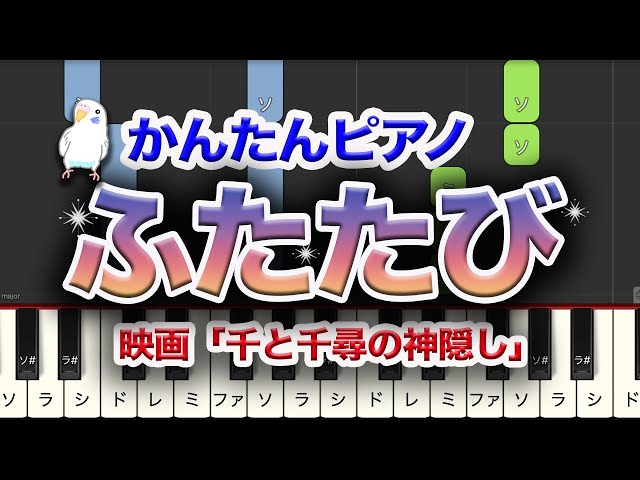

It’s a grand and beautiful piece that plays during the climactic, dreamlike flying scene in the film Spirited Away.
Beginning with a quiet melody and gradually building in emotion, it evokes the hope that lies beyond hardship and the strong bonds with those we hold dear.
A later version with lyrics also exists, expressing a bittersweet yet warm longing for reunion.
This piece was included on the album Spirited Away Soundtrack, released in July 2001.
It’s a perfect choice for those who want to bring this sweeping world to life with their own hands.
As you recall the story’s moving moments, aim for a performance that richly shapes dynamics and stirs the hearts of listeners.
[For Beginners] Recommended Ghibli Masterpieces to Play on Piano (11–20)
Hanyu no YadoInguranndo min’yō
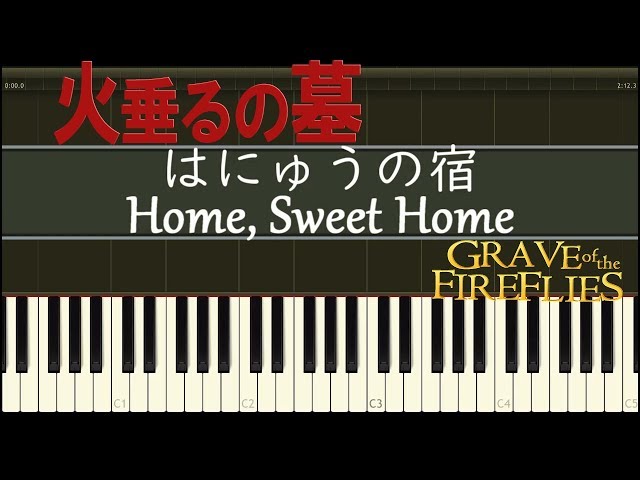

An insert song from Studio Ghibli’s film “Grave of the Fireflies,” whose gentle, faintly nostalgic melody sinks deeply into the heart.
Ever since the film’s 1988 release, many people may remember it as the music that plays in scenes symbolizing the days the brother and sister spent together.
The song’s theme—“No matter how humble the house, home is best”—is deeply intertwined with the story, softly speaking of a longing for the lost calm and a tender love for family.
Because of its relaxed tempo, playing without haste and cherishing each note leads to a beautiful resonance.
If you perform while imagining the story woven into the melody, it will surely reach the listener’s heart.
CatbusHisaishi Joe


It’s a lively, dynamic piece that brings to mind the scene in the film My Neighbor Totoro where Satsuki and Mei ride a mysterious creature through the night sky.
The song first appeared on the album My Neighbor Totoro Image Song Collection, released in November 1987, and its charm lies in a light, catchy feel that children naturally hum along to.
The fantastical, bouncing melody seems to capture the excitement of setting out on an adventure.
The tempo is fast, and coordinating both hands with a springy touch may take some practice, but start by playing the melody with one hand as if you’re humming it.
Once your fingers get used to it, try both hands with the feeling of dashing lightly ahead!
First workday of the yearHisaishi Joe


This is an unforgettable piece with a buoyant 4/4 rhythm that plays when the protagonist heads out for her very first job in Kiki’s Delivery Service.
A mandolin-like accompaniment intertwines with a charming, flute-like melody, carrying with it the exhilaration of soaring over European cityscapes and a feeling of hope.
The music captures the thrill of taking a new step, and the melody is so approachable that you’ll find it a joy to perform, as if stepping right into the world of the story.
When you play this piece, cherish a light, skipping rhythm.
As you imagine the heroine flying straight through the sky, add expressive nuance to your sound and perform—an ode that has been loved ever since the film’s 1989 release.
Sometimes, old storiesHisaishi Joe
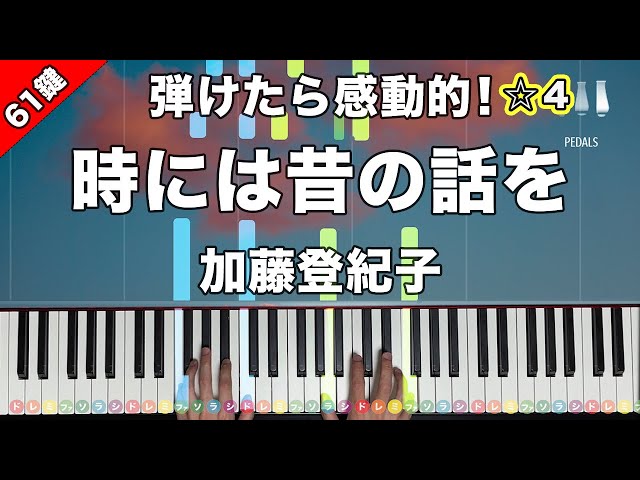

It’s a piece whose melancholy, chanson-like melody lingers in the heart, gracing the ending of the film Porco Rosso.
Originally created by Tokiko Kato in 1987, it was given a grand orchestral arrangement for the movie.
The lyrics warmly look back on days gone by, mirroring the protagonist Porco’s outlook on life and lending the story a deep afterglow.
This song also carries a heartwarming anecdote in which words from the lyrics inspired the studio’s name.
With its exquisitely beautiful melody line, even a simple accompaniment allows you to fully savor the song’s tender, bittersweet atmosphere.
It’s a piece I highly recommend to anyone who wants to immerse themselves in the story and perform with heartfelt emotion.