



Here are some male enka singers in their 80s who have long supported the world of enka and are still active today.
By the time you reach your 80s, you’re a true veteran in the enka world.
These are all living legends whose names are known not only to enka fans but even to people who don’t usually listen to enka.
You can feel the depth of their life experience in their vocals, and the emotion embedded in each song is powerfully conveyed.
Get to know these enka singers, feel the history of enka, and let this be your chance to start listening to the genre.
- A roundup of male enka singers in their 70s: legendary vocalists who support the enka world
- Great enka masterpieces and hit songs of the 1980s
- A roundup of male enka singers who represent the Showa era
- [Enka] A special feature on female singers in their 80s. Singers who were active from the early to mid-Showa era.
- [1980s] A roundup of debut songs by enka singers
- [Enka] A feature on male singers in their 60s: enka vocalists whose rugged charm shines
- Great enka masterpieces and hit songs of the 1970s
- [Men] Enka Songs That Can Score High in Karaoke
- [2026] Enka Songs That Are Hard to Sing – Male Singers Edition
- Men’s enka: a collection of classic songs portraying the way men live and their fighting spirit
- [2026] Representative Famous Enka Songs: A Compilation of Classic Favorites [Beginner-Friendly]
- [For Beginners] Recommended Enka Masterpieces for Karaoke — Male Singers Edition
- [2026] Easy-to-Sing Enka: From Timeless Classics to Recent Hits [Male Singers Edition]
Roundup of male enka singers in their 80s: Veterans who left their mark on the enka world (1–10)
In the distant Showa era…Kobayashi Akira

Akira Kobayashi was born in Tokyo in 1938 and appeared on the screens of the Showa era.
He shot to stardom with the 1959 film “Leaving Nangoku Tosa,” becoming a dynamic force in the movie industry.
Not limited to acting, he also entered the music scene in 1958 with “Onna o Wasurero,” releasing numerous hit songs.
His singing style, known as the ‘Akira-bushi,’ remains beloved by many, making him a living legend in the enka world.
The deep emotion conveyed through his rich melodies reflects a life full of experience and resonates profoundly with listeners.
Truly, he exudes the presence befitting a grand master in his eighties.
Woman’s InnŌshita Hachirō

Since his debut in 1963, Hachiro Oshima has been a veteran among veterans, delivering enka that moves people’s hearts for over half a century.
Released in 1964, “Onna no Yado” remains a beloved classic among enka fans, and its masterful melodic inflections and deeply expressive voice truly embody the world of enka.
Discovered by Toru Funamura, he produced many hit songs, and his character—combining unshakable strength with kindness—imbues the songs that continue to be sung with a palpable power.
Farewell, Hotaka.Yokouchi Tadashi

Masaru Yokouchi, born on July 1, 1941, has built a brilliant career long cherished in the world of enka.
He has appeared widely in numerous films and TV dramas, and he became especially well known for his roles in Mito Komon and Abarenbo Shogun.
With a captivating low voice, his singing creates a distinctive world of its own, reflecting influences from his musically inclined family background.
Drawing on a wealth of life experience, Yokouchi’s enka resonates deeply with listeners and at times evokes a sense of nostalgia.
His voice, which bridges past and present, enjoys broad support across generations and carries an unmistakable presence.
Itako GasaHashi Yukio

Yukio Hashi is a grand master of the enka world, born on May 3, 1943.
In 1960, at just 17, he made a spectacular debut with Itako-gasa, winning a newcomer’s award for the song.
He drew attention not only in enka but also in kayōkyoku, and Itsudemo Yume o—a seamlessly matched duet with Sayuri Yoshinaga—became a massive hit, selling over one million copies and remaining a signature song for both artists.
Through his expressive performances, which reflect a rich life, his music continues to resonate across generations.
His voice, which seems to evoke memories of youth and romance, will surely captivate new fans as well.
chill in the cherry blossom seasonSatomi Kotarō
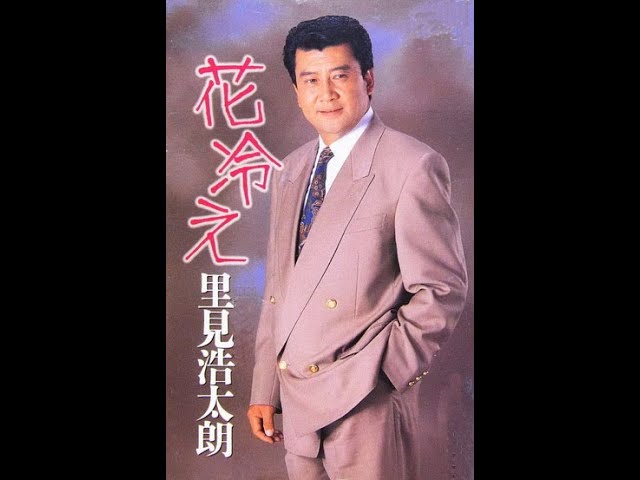
Kotaro Satomi has etched his name into the long history of the enka world.
While also an actor, he pours his profound life experience into his singing.
With the enka song “Hanabie,” he found success as a singer as well, climbing the charts in 1995.
Contrary to his austere expression, his stagecraft—honed through period dramas—creates a striking presence that is truly masterful.
Satomi, who still enjoys a devoted fanbase, shows listeners the joy of enka.
If you listen to the songs imbued with his way of life, you will surely feel the greatness of enka.
grandchildŌizumi Itsurō

The singing voice nurtured by Yamagata’s great natural beauty in Itsuro Oizumi’s music conveys the richness of the life he has led.
His smash hit “Mago” (Grandchild) has been loved by many as a memorable melody ever since its 1999 release.
In 2000, it surpassed one million copies sold, becoming a million-seller, and has been especially cherished by grandparents who think of their grandchildren.
His music is rich in flavor and offers a warmth that gently accompanies the listener’s heart.
Why not experience the profound appeal of enka through Oizumi’s songs, which continue to shine even as he grows older?
Farewell, HaiseikoMasuzawa Sueo

Sueo Masuzawa brought his illustrious career as a jockey to many people through song.
In particular, his episodes of battling alongside Haiseiko, the legendary racehorse who symbolized Japanese racing, are captured in the song “Saraba Haiseiko” (“Farewell, Haiseiko”).
It’s a piece that conveys a deep bond and the poignancy of parting—a song only a jockey who ran hundreds of races with his mount could sing.
In 1987, he once again poured his feelings for Haiseiko into the release of “Haiseiko yo Genki Kai” (“Haiseiko, How Are You?”), which also captured the hearts of many racing fans.
These two songs vividly express the time Masuzawa spent in the world of horse racing and his life filled with love for the sport, moving all who listen.
From the lyrics spun with his warm voice, one can feel his passion for the racing world and see the figure of a man who also succeeded as a singer of horse-racing songs.