

[Karaoke] Recommended Songs for Men in Their 80s: A Collection of Showa-Era Classics You’ll Want to Belt Out

Some of you may have chances to enjoy karaoke with people in their 80s—whether at family or relatives’ gatherings, or as recreation at a care facility.
In those situations, many might wonder, “What songs should I sing?” In this article, we’ll introduce songs popular among men in their 80s to help anyone who’s unsure about song selection.
We hope this will be useful not only for finding songs that people in their 80s will enjoy singing, but also as a reference for younger generations who will be singing together.
Now, let’s take a look at the recommended songs!
- A roundup of recommended Japanese songs for karaoke that will excite men in their 80s
- Lively songs recommended for people in their 80s: A collection of nostalgic enka and kayōkyoku
- Easy-to-sing songs recommended for men in their 80s: Showa-era classics to perform at karaoke
- Karaoke songs you’ll want to sing for men in their 70s: Enka and nostalgic Showa-era pop
- Energizing songs recommended for men in their 80s: A collection of nostalgic tracks that give you strength
- Songs to Enjoy with Women in Their 90s: A Collection of Karaoke Crowd-Pleasers
- Easy-to-sing songs recommended for men in their 90s: A roundup of tracks to sing at karaoke
- Easy-to-sing songs recommended for women in their 80s: a reference for choosing karaoke tracks!
- Great songs recommended for people in their 80s: a collection of tracks with lyrics that touch the heart
- Tear-jerking songs for men in their 80s: a collection of timeless masterpieces that touch the heartstrings
- Songs that get women in their 80s excited: A roundup of tracks also great for karaoke
- Recommended love songs for men in their 70s: A collection of nostalgic love songs
- For seniors in their 80s: Stay healthy while having fun. Introducing dance songs that make you want to move!
[Karaoke] Recommended Songs for Men in Their 80s: A Collection of Showa-Era Classics You’ll Want to Belt Out (41–50)
A Letter Waiting for Springyoshida takurou

This is a gem of a melody by Takuro Yoshida, warmly depicting a heartfelt exchange through letters that gently convey the feelings and memories of a man and a woman.
The image of two people far apart, drawing close to each other through their letters, carries a nostalgic sentiment that many have felt.
Accompanied by a calm guitar tone, the feelings of a couple trying to connect while awaiting the arrival of spring leave a lingering resonance.
Released in October 1979, it reached No.
52 on the Oricon Weekly Singles Chart.
It was also included on the album “ONLY YOU 〜since coming For Life〜,” and has long been loved by many.
It’s a perfect song for those moments when you want to relax and enjoy music while looking back on memories with someone special.
Let’s get married.yoshida takurou
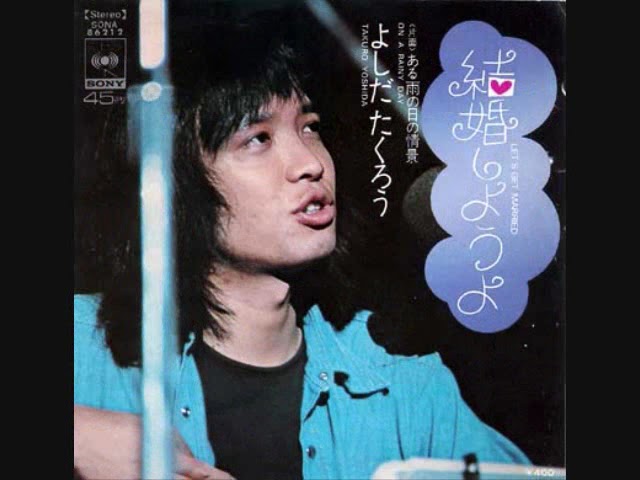
This work is memorable for its translucent, beautiful melody and sweet, poignant vocals.
Released in 1972, the song marked a major turning point in the history of folk music.
Centered on acoustic guitar, its warm sound creates an atmosphere that gently envelops feelings of love.
While poetically depicting springtime scenes, Takuro Yoshida expresses sincerity and pure affection.
Simple yet profound in its message, this classic reached a peak of No.
3 on the Oricon weekly chart.
Its heartwarming, gentle tone and tender vocal timbre enrich everyday moments.
It’s a song to savor slowly on a blossoming spring day, reminiscing with those of the same generation as memories come into full bloom.
If you’re happy and you know it, clap your handsSakamoto Kyu

Its charm lies in the way you can enjoy it by expressing a heartwarming classic through full-body movement.
It’s a song that lets you share the joy of connecting with others along with a simple, familiar melody.
Released by Kyu Sakamoto in 1964, it became one of his signature songs alongside “Ue o Muite Arukou” (“Sukiyaki”).
Based on an American folk song, Toshito Kimura wrote the Japanese lyrics with wishes for peace and friendship.
A heartwarming experience in the Philippines inspired the creation of this song, and it is said to have spread through activities at the YMCA.
It has been widely used in films and commercials and has long been cherished in educational settings.
Why not enjoy clapping and body movements together with seniors and let the conversation blossom with fond memories?
I wanted to see you.Haruo Oka

Haruo Oka, whose nostalgic and warm singing voice has captivated many, is a beloved figure.
Released in July 1955, this work is known as a representative song of the “madrosu kayō” genre, which centers on port towns and sailors.
With its emotionally rich melody and lyrics that resonate deeply, it became a memorable piece that offered hope to postwar Japanese society.
Issued by Nippon Columbia as an SP record, it was extensively featured on radio programs and in films, becoming a trendsetter of its time.
It’s a perfect song for those who want to revel in fond memories or experience a heartwarming vocal performance.
You are more beautiful than a rose.Fuse Akira

This is a single released in January 1979 that sings about the memories of a wonderful romance.
Woven by Akira Fuse’s clear, expansive vocals, the story vividly depicts the emotional moment of noticing how a cherished person has changed after meeting again for the first time in a while.
The chorus melody is striking, and the gentle, heartwarming tone of the song is truly appealing.
The track was featured in a Kanebo Cosmetics commercial and gained widespread popularity.
It is a classic performed four times on the NHK Kouhaku Uta Gassen, first showcased at the 30th Kouhaku.
In 2012, it was also used in a Lotte Fit’s gum commercial.
How about spending some time slowly immersing yourself in the music while flipping through a photo album of memories? It’s a heartwarming song that brings forth a tender feeling of thinking about someone special—highly recommended.
Otomi-sanKasuga Hachirō

A quintessential enka classic of the Showa era, this song poignantly depicts the bittersweet fate of a man and a woman.
Based on a Kabuki play, the story artfully portrays vivid Edo-period scenery and the complex emotions of the two lovers.
Incorporating elements of Okinawan music and kachāshī, its lively rhythm paired with Hachiro Kasuga’s clear, soaring vocals creates a pleasing resonance.
Released in August 1954, it sold 400,000 copies in just four months and was later covered by many artists, including Mina Aoe and Harumi Miyako.
Evoking warm nostalgia, it’s a perfect piece for recreation—easy to sing together with cheerful handclaps.
Cape ErimoMori Shinichi

Shinichi Mori delivers this celebrated song, whose depiction of spring in the northern country resonates deeply, with his distinctive husky voice.
It begins with an image of warming past sorrows by the fireplace, and carefully portrays the process of putting one’s heart in order amid a gentle, everyday life.
It conveys the importance of stepping away from the bustle of the city and reexamining the happiness found in a simple life.
Released in 1974, this work was born from an unconventional collaboration with Takuro Yoshida and won the Japan Record Award.
If you listen to the song slowly under the mild spring sunlight, nostalgic memories will naturally come back to you.
It’s also nice to share old stories over coffee with someone dear.