


Many people may find it difficult to know the songs that were popular during the youth of generations different from their own.
However, I believe there are many who want to enjoy music together with people of different ages, such as family members or residents in care facilities.
In this article, I’ll introduce a selection of songs that will be especially nostalgic for those in their 80s.
We’ve focused mainly on songs from around the 1950s to the 1960s, gathering popular kayōkyoku (Japanese pop songs) and enka from that era.
I hope this article helps you spend enjoyable time listening and singing together.
- Lively songs recommended for people in their 80s: A collection of nostalgic enka and kayōkyoku
- Great songs recommended for people in their 80s: a collection of tracks with lyrics that touch the heart
- Songs that get women in their 80s excited: A roundup of tracks also great for karaoke
- For seniors: Recommended youthful songs for people in their 90s. A collection of classic Showa-era hits.
- [Recommended for people in their 70s] Classic nostalgic hits: A collection of youth songs
- Recommended love songs for people in their 80s: A collection of classic love songs that colored the Showa era
- Recommended love songs for people in their 90s: A collection of classic Shōwa-era romance songs
- [Karaoke] Recommended Songs for Men in Their 80s: A Collection of Showa-Era Classics You’ll Want to Belt Out
- Tear-Jerking Songs Recommended for Women in Their 80s: A Collection of Heart-Stirring Masterpieces
- [For Seniors in Their 80s] Recommended Summer Songs: From Enka and School Songs to Folk Songs
- Breakup songs recommended for people in their 80s: a collection of classic tracks that capture heartbreaking feelings
- Recommended love songs for women in their 70s: A collection of nostalgic love songs
- Recommended Autumn Songs for People in Their 80s: A Collection of Seasonal Kayōkyoku and Children's Songs
Recommended youth songs for people in their 80s: A collection of nostalgic classics (1–10)
The Highland Train GoesOkamoto Atsurō

This song is marked by a lively melody and exhilarating lyrics.
Atsuro Okamoto’s powerful, soaring voice beautifully conveys the romance of a train journey across the highlands.
Released in 1954, the piece was performed by Okamoto at the 5th NHK Kōhaku Uta Gassen, leaving a lasting impression on many.
The lyrics, depicting the beautiful scenery seen from the window and the people met along the way, invite listeners to reminisce about nostalgic travels.
For older listeners, it’s a special song that overlaps with memories of their youth.
How about humming along together and sharing stories from those days?
There’s always tomorrowSakamoto Kyu

It’s a heartwarming song that brings back the bittersweet memories of youth.
Kyu Sakamoto’s clear, soaring voice gently embraces the feelings of young people fumbling with first love.
Released in 1963, the song captured the hearts of the youth of its time and became a huge hit.
Many of you may remember it drawing attention again in 2000 when it was used in a Coca-Cola Japan commercial.
This piece gives you the courage to keep moving forward without fearing failure.
How about humming along with older listeners and letting the conversation blossom with nostalgic memories?
The Apple SongNamiki Michiko

“Ringo no Uta” (The Apple Song) is a classic that illuminated postwar Japan with a ray of hope.
Michiko Namiki’s buoyant, cheerful voice resonated with the hearts of the Japanese people after the war, giving them the courage to live on.
Masao Manjome’s pastoral melody is striking, and the lyrics—sweetly overlapping images of apples and a young girl—are utterly charming.
Recorded in December 1945, the record became an unprecedented hit as soon as it was released the following January.
It was also used as the theme song for the film “Soyokaze,” enchanting people all across Japan.
It’s the perfect song for a calm moment, when you quietly look back on days gone by and let reminiscences blossom at an unhurried pace.
Goodbye, TearsWada Hiroshi to Mahina Sutāzu

A heartwarming song that portrays the sorrow of parting and the courage to look forward.
It tenderly expresses a breakup with a lover through tears, and carries a resolve to overcome sadness and take a new step.
It was first sung by Kyu Sakamoto in 1965, and covered and released the same year by Hiroshi Wada and the Mahina Stars.
In the 1990s, it was used as a TV drama theme song, bringing it back into the spotlight.
The song is also included on the album “Miwaku no Chorus: Hiroshi Wada and the Mahina Stars Best Collection 2 – Shima no Blues.” It’s a perfect track for reminiscing about nostalgic memories or for getting through a farewell with someone dear.
Listening to it with older adults can also be a chance to share a wide range of life experiences.
Ginza Kan-kan GirlTakamine Hideko
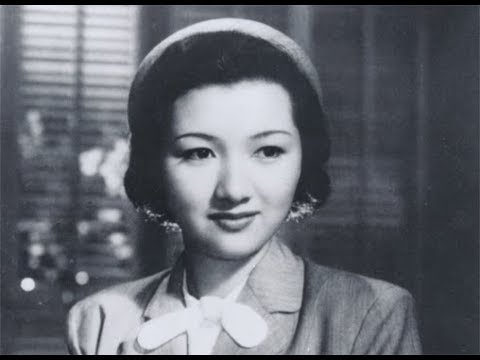
Ginzan Kankan Musume, one of Hideko Takamine’s signature songs, was released in 1949.
Its lively rhythm and poppy lyrics are charming, perfectly capturing the bustle of postwar Ginza.
You can almost picture the cancan girls striding briskly along.
It might also be considered an anthem of encouragement, celebrating their independence and their refusal to bow to any hardship.
The record sold 500,000 copies at the time, and by 1968 total sales had reached 850,000—a major hit.
It’s a song that lets you fully savor the atmosphere of the Showa era.
A timeless classic that, even today, brightens our hearts.
a bright red sunMisora Hibari

A classic song set on a midsummer beach that portrays a passionate romance.
Hibari Misora’s powerful voice beautifully conveys both the joy and the poignancy of a fiery love.
Released in May 1967, this song became one of her signature works.
Its lyrics, which sing of a love that blazes like the sun and a bittersweet farewell that inevitably sets someday, resonate with many people.
It’s perfect for when you want to reminisce about summer memories or sink into a nostalgic mood.
It’s also lovely to listen to with older adults—surely it will bring back wonderful memories of their younger days.
One-Way Ticket of LoveHirao Masaaki

Masao Hirao’s gently resonant high-tone voice pierces the heart in the classic “One-Way Ticket of Love.” Set to a melody that makes you feel the protagonist’s heartbreak and loneliness, the lyrics—steeped in deep melancholy—leave a strong impression.
Hirao’s emotionally rich singing exquisitely conveys the lingering attachment to a former lover and the despair of knowing they’ll never meet again.
Listening to this song is sure to revive the sorrow of heartbreak that everyone experiences.
It’s a track you’ll want to play slowly and quietly, alone on a lonely night.
Why not immerse yourself in memories of your youth through this Showa-era masterpiece?