

For seniors: Recommended youthful songs for people in their 90s. A collection of classic Showa-era hits.


If you’re in your 90s today, you’re probably very familiar with the music that was popular in the 1930s and 1940s.
The songs we heard as children or during our school years tend to stay with us forever, don’t they?
In this article, we’ll introduce a selection of popular songs from the youthful days of those in their 90s—tracks that feel nostalgic and familiar.
If you have someone in their 90s in your life—whether a family member or someone you know through a senior care facility—please consider sharing the songs we’re about to introduce with them.
They’ll surely be delighted as the music brings back fond memories of their younger days.
[For Seniors] Recommended Youth Songs for People in Their 90s: A Collection of Showa-Era Masterpieces (1–10)
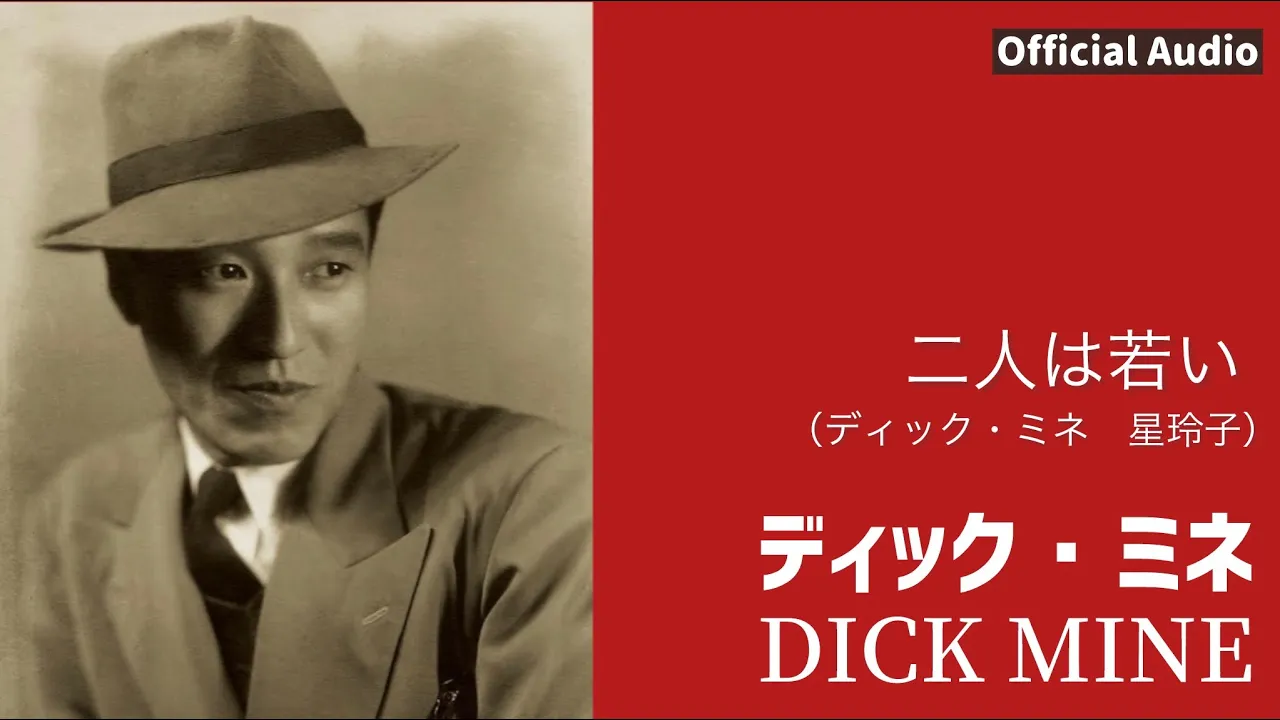
The two are young.dikku mine

Futari wa Wakai, sung by Dick Mine and Reiko Hoshi, is a quintessential masterpiece of the Showa era born from lyrics by Hachiro Sato and music by Masao Koga.
Through the interplay of the young couple, it portrays pure affection and hearts full of happiness—a song that still makes your heart flutter even today.
Since its release in 1935, it has been cherished for generations and can truly be called a monument of Showa-era pop.
Why not listen to it while reminiscing about those youthful days? You’ll surely spend a lovely time filled with smiles.
The Longed-For Hawaii RouteHaruo Oka

A bright, hopeful tune and melody make this 1948 classic truly uplifting.
In the postwar reconstruction era, it became a gem of a song that expressed dreams and longing for the wider world.
Haruo Oka’s warm voice gently embraces the yearning for Hawaii, which felt out of reach at the time.
Upon its release, the song drew a huge response and was adapted into a film by Shin-Toho in 1950.
The co-starring of Haruo Oka and Hibari Misora is said to have captivated audiences of the day.
At a time when overseas travel was not yet common, this piece powerfully sang of a distant land—Hawaii—making it a song packed with memories of the older generation’s youth and hopes for a brighter future.
Why not hum along together, wrapped in nostalgic memories?
Life is full of ups and downs.Shimakura Chiyoko

The songs of Chiyoko Shimakura, an enka singer who epitomized the Showa era, brought deep emotion to the Japanese music scene.
Her gentle voice resonates with people’s hearts, singing as if to embrace both the sorrows and joys of life.
The lyrics, which carefully depict life’s ups and downs, blend beautifully with the warm melody line.
Released in 1987, this work was an innovative attempt to fuse pop and enka, and it even earned a spot on NHK’s Kouhaku Uta Gassen.
It is also a gem of a song sung with heartfelt gratitude to its composer, Kuranosuke Hamaguchi.
Filled with nostalgia and warmth, it’s a wonderful piece to savor slowly, especially together with older listeners.
Mail boat to the small islandAoki Koichi

A song by Koichi Aoki that paints nostalgic scenes such as the lighthouse cape and the shade of orange trees.
Through the image of a mail boat carrying letters, it gently portrays the emotional distance between two people separated by the sea.
Marked by a calm, melodious tune and a soft, emotionally rich vocal performance, this work was released in March 1955.
It was later included in the album “Koichi Aoki Complete Collection.” Frequently featured on radio and music programs, it has long been beloved by many.
Filled with feelings for a cherished person, this song is sure to resonate as a piece of treasured memories.
Why not hum along with older listeners and let the conversation blossom with reminiscences of youthful days?
I wanted to see you.Haruo Oka

Haruo Oka, whose nostalgic and warm singing voice has captivated many, is a beloved figure.
Released in July 1955, this work is known as a representative song of the “madrosu kayō” genre, which centers on port towns and sailors.
With its emotionally rich melody and lyrics that resonate deeply, it became a memorable piece that offered hope to postwar Japanese society.
Issued by Nippon Columbia as an SP record, it was extensively featured on radio programs and in films, becoming a trendsetter of its time.
It’s a perfect song for those who want to revel in fond memories or experience a heartwarming vocal performance.
The Izu DancerMisora Hibari

This is the song Hibari Misora sang as the theme for the 1954 film based on a novel by Yasunari Kawabata.
In the movie, Misora herself plays the lead role, and the wistful melody blends beautifully with her emotionally rich vocals to create a gem of a track.
Upon the film’s release, the song quickly became a major talking point, and Misora’s powerful yet delicate singing captivated many hearts.
As a classic that represents the Showa era, it’s sure to stir nostalgic memories of youth.
Why not reminisce about those days with friends who lived through the same era, listening together to Misora’s voice? You’re sure to enjoy a delightful time.
Happiness is here.NEW!ōtsu yoshiko

Let us introduce one of Yumiko Ōtsu’s signature songs, which has colored the popular tunes of the Showa era with a powerful yet warm singing voice.
This masterpiece carries a forward-looking theme: overcoming life’s storms and hardships to find the hope and joy that lie beyond.
Ōtsu’s lustrous, steadfast vocals lend the melody a deep, lingering richness.
Released as the theme song for a film of the same title in 1956, it became a major hit and remains beloved to this day.
It’s perfect as gentle background music when spending quiet time indoors during the rainy season, or for a relaxed sing-along recreation with everyone.
Cherished as a wedding classic and considered an auspicious song, it will softly resonate with older listeners and inspire brighter days.
Please enjoy it together!