

Lively songs recommended for people in their 90s—fun songs for everyone to listen to and sing together.


When you want to enjoy music with people in their 90s around you—such as family members or residents at a care facility—it can be hard to decide which songs to choose.
You might think, “Songs from the Showa era could work,” but it’s still difficult to imagine exactly which songs people in their 90s would like.
So in this article, I’ll introduce plenty of songs recommended for people in their 90s!
This time, we’re focusing on lively, crowd-pleasing tunes—songs that are widely known among people in their 90s and that make listeners feel happy and uplifted.
They’re perfect not only for listening together, but also for singing along as a group.
I hope you find this helpful!
Songs that will get people in their 90s excited: fun songs for everyone to listen to and sing together (1–10)
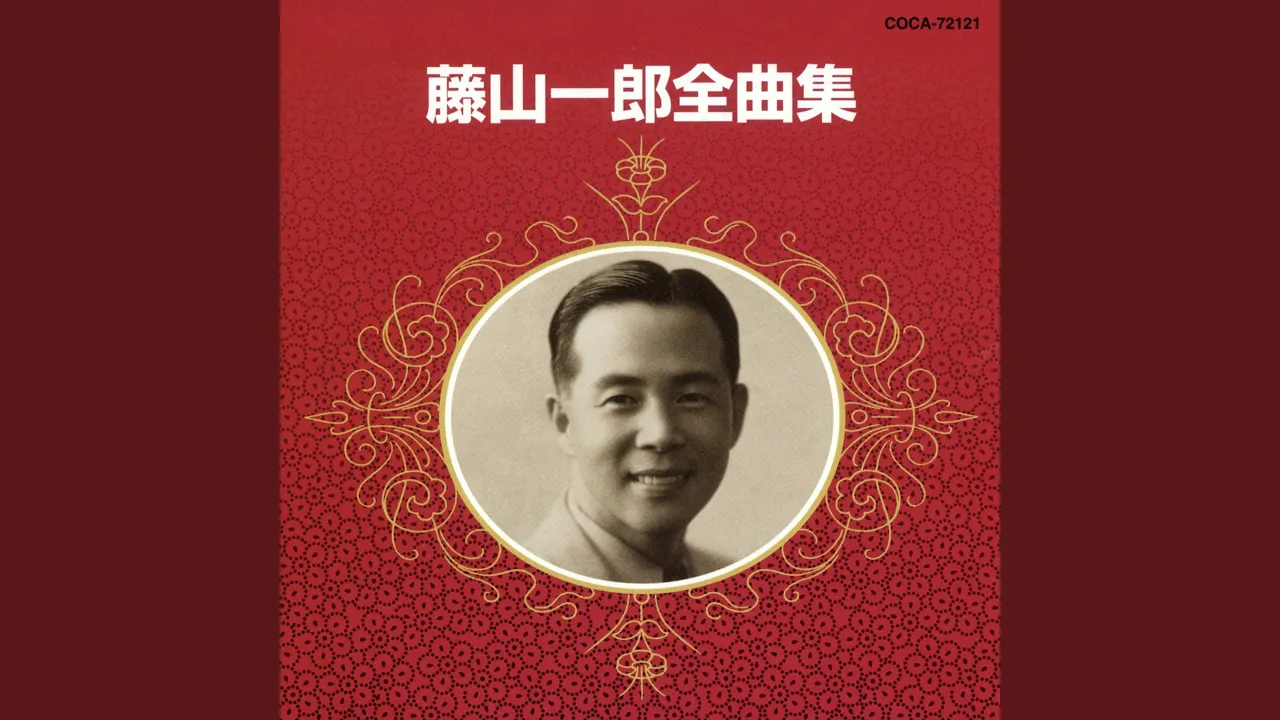
Blue MountainsFujiyama Ichirō

Blue Mountain Range is a classic Showa-era song that beautifully captures the brilliance and nostalgia of youth.
Since its release in 1949, it has been covered by many singers and proudly took first place in NHK’s “200 Unforgettable Songs of the Showa Era.” Its lyrics, which intertwine the grandeur of nature with life’s journey, resonate deeply with listeners.
Loved by people of all ages, this song is perfect for singing together in unison.
Why not take your time and sing it while reminiscing about days gone by? It’s sure to fill you with warmth.
The Apple SongNamiki Michiko

The song begins with a quiet scene of gazing at a red apple and sings of the delicate feelings of a young girl entrusted to that apple.
It was recorded right after the war in 1945 by Michiko Namiki and Noboru Kirishima, and released in January 1946.
With lyrics by Hachiro Sato and music by Tadashi Manjome, it became a hit that symbolized postwar Japan.
Michiko Namiki’s bright, uplifting voice expresses the joy and hope of being freed from the pressures of wartime.
It’s surely a memorable tune for those in their nineties.
It’s also recommended to sing it together and enjoy reminiscing about those days!
Tokyo Boogie-WoogieKasaogi Shizuko

A signature song by Shizuko Kasagi that brought a fresh breeze to the Showa-era music scene.
Incorporating boogie-woogie made it a hot topic, and since its 1947 release it became a massive hit, selling over 700,000 copies.
The lyrics depict people finding happiness through music, making it a song that cast a ray of hope over the bleak postwar mood.
It was also used in the 1976 film The Inugami Family, covered by TOKIO in the 1990s, and performed at the 2005 NHK Kohaku Uta Gassen, among other occasions—remaining beloved across generations.
Its charm lies in a melody that makes everyone want to sing along and feel happy.
If sung at facilities for recreation, it’s sure to bring out lots of smiles.
The Longed-For Hawaii RouteHaruo Oka

A classic that represents Japan’s Showa-era pop songs, “Akogare no Hawai Kōro” (The Longed-For Hawaii Route).
Haruo Oka’s masterful singing and the beautiful melody perfectly capture a yearning for the tropics.
Since its 1948 release, it became a major hit and was chosen as the theme song for a film of the same name.
It is a masterpiece that gave dreams and hope to the Japanese people as they strove to recover from the turmoil of the postwar period.
Why not sing it with your family and friends while imagining a voyage by ship to Hawaii? You’re sure to feel a refreshing sense of clarity that washes over the heart.
Blue Light Yokohamaishida ayumi

It’s a classic that captures the beautiful scenery of Yokohama’s port town.
Ayumi Ishida’s clear, expansive vocals blend perfectly with the melancholic melody, creating a warm, heart-touching piece.
It eloquently portrays the exotic atmosphere unique to a port city and the quiet moments shared with a lover, making it a nostalgic listen for older audiences as well.
Released in December 1968, it topped the Oricon Weekly Singles Chart and won the Composer’s Award at the 11th Japan Record Awards.
It was performed three times on NHK’s Kōhaku Uta Gassen, and since 2008 it has also been used as the approach melody at Keikyū Line’s Yokohama Station.
It’s perfect for peaceful moments or for enjoying together while reminiscing about fond memories.
A Good Day to Set Out on a JourneyYamaguchi Momoe

This is a classic song imbued with a striking message about embarking on a new life on a fresh, pleasant morning.
Expressed through Momoe Yamaguchi’s clear, transparent vocals, the piece was released as a single in November 1978 and is also known as a campaign song promoting travel by Japan National Railways.
Conveying the courage to face forward and the resolve to take a new step, the song can help share cherished moments through memorable performances with older adults.
Moreover, as it portrays the warmth of family bonds and the gentle journey of life, it is a song that everyone can enjoy singing together in nursing homes and day-service centers.
Festival MamboMisora Hibari

This song, one of Hibari Misora’s signature numbers, was a groundbreaking piece born during Japan’s postwar reconstruction, fusing the liveliness of Japanese festivals with the rhythms of Latin music.
Its lyrics deftly capture both the joy of people who truly love festivals and the sense of loss that arrives after they end.
Released on August 15, 1952, it became a turning point that showcased the vocal prowess of Hibari Misora, who was 15 years old at the time.
Lightly portraying the commotion that happens in the middle of a festival, the song has even been adopted as the departure melody at Kanda Station and continues to be loved by people of all generations.
Sing and dance together, and you can feel the same excitement as at a festival.