

Lively songs recommended for people in their 90s—fun songs for everyone to listen to and sing together.


When you want to enjoy music with people in their 90s around you—such as family members or residents at a care facility—it can be hard to decide which songs to choose.
You might think, “Songs from the Showa era could work,” but it’s still difficult to imagine exactly which songs people in their 90s would like.
So in this article, I’ll introduce plenty of songs recommended for people in their 90s!
This time, we’re focusing on lively, crowd-pleasing tunes—songs that are widely known among people in their 90s and that make listeners feel happy and uplifted.
They’re perfect not only for listening together, but also for singing along as a group.
I hope you find this helpful!
- For seniors: Recommended youthful songs for people in their 90s. A collection of classic Showa-era hits.
- Easy-to-sing songs recommended for women in their 90s: A roundup of tracks to try at karaoke
- Songs to Enjoy with Women in Their 90s: A Collection of Karaoke Crowd-Pleasers
- Lively songs recommended for people in their 80s: A collection of nostalgic enka and kayōkyoku
- Recommended cheer songs for people in their 90s: a collection of timeless tracks that support life
- Recommended love songs for people in their 90s: A collection of classic Shōwa-era romance songs
- For People in Their 90s: Dance Tracks and Exercise Songs That Make Moving Your Body Fun!
- Easy-to-sing songs recommended for men in their 90s: A roundup of tracks to sing at karaoke
- Songs that get men in their 90s excited: A roundup of classic karaoke recommendations
- [For people in their 90s] Recommended Christmas songs: from nostalgic school songs and hymns to timeless classics
- Ranking of popular songs for senior citizens
- A collection of moving, tear-jerking songs recommended for women in their 90s—heartfelt tunes that resonate with the soul.
- A collection of cheerful, uplifting songs recommended for women in their 80s—fun, bright tunes to sing along to
Lively songs recommended for people in their 90s: fun songs for everyone to listen to and sing together (11–20)
In the flow of the starsKikuchi Akiko

This gem of a song, performed by Akiko Kikuchi, a singer who epitomizes the Showa era, eloquently expresses the profound sorrow and anger of women living through the turmoil of the postwar period.
Her tender yet resolute voice resonates deeply, embracing the image of women who remain dignified even as they are buffeted by life’s rough seas.
Also featured in the film Gate of Flesh, based on Taijiro Tamura’s original work, the piece became a major hit, selling over 800,000 copies by 1968.
In a time with few forms of entertainment, it served as a source of comfort for many.
Evoking fond memories while touching on the subtleties and kindnesses of life, this song is, I believe, perfect for sharing a warm, heartfelt moment with older listeners.
DianaYamashita Keijirō

Among Keijiro Yamashita’s signature songs, this one is especially popular.
The lyrics, which sing of deep affection for an older loved one, are striking and leave you feeling the strength of his devotion.
Released in April 1958 as the B-side of his debut single, it became a defining anthem of Japanese rockabilly.
It’s a perfect song to sing together with someone in their 90s, reminiscing about the past.
It will surely become a memorable moment that stays in everyone’s hearts.
Sūdara-bushiUeki Hitoshi
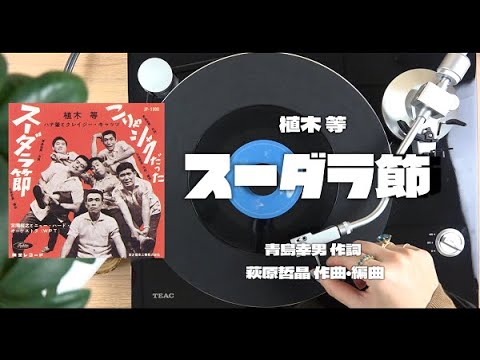
Sudara-bushi, a beloved national hit created by Hitoshi Ueki.
Its jaunty melody practically makes your body start moving and lifts the listener’s spirits.
The playful lyrics—about everyday stumbles anyone might experience, like drinking too much or losing at the races—surely strike a chord with listeners.
Since its release in August 1961, it has been featured in numerous films and commercials and continues to be loved across generations.
Raise your voices together and sing along to the brisk rhythm, and smiles are bound to spread.
It’s a song that can bring both older and younger people together.
Chanchiki OdesaMinami Haruo

A guaranteed crowd-pleasing classic from the Showa era.
This was Haruo Minami’s debut single, released in 1957.
It conveys the feelings of migrant workers longing for their hometowns, expressed through the clattering chanchiki rhythm and the regionally flavored Okesa folk style.
It became a massive hit, selling 2.2 million copies, and was performed on NHK’s Kohaku Uta Gassen in 1980 and 1982.
In 1958, it also served as the theme song for a film of the same name.
Why not give it a listen and let yourself be carried away by its nostalgic charm?
Longing for RainYashiro Aki

This masterpiece, hailed as a monument of Showa-era enka, was released as a single in April 1980, born from the golden duo of lyricist Yu Aku and composer Keisuke Hama.
The lyrics poignantly capture the heartache of a woman after a breakup, seamlessly blending with a bright, rhythmic melody in exquisite balance.
Aki Yashiro’s sultry voice and distinctive phrasing are captivating, giving the song a familiar charm that anyone can hum along to.
The work won the 22nd Japan Record Award and was also featured in commercials for Vidal Sassoon and BOSS.
With its gentle, soothing atmosphere and memorable choreography, it’s a song that can be enjoyed while moving together with seniors.
It’s perfect for group recreation or karaoke, where everyone can sing and have fun together.
Jailhouse RockHamamura Michiko

A song by Elvis Presley covered by Michiko Hamamura.
Released in 1957, it’s characterized by an energetic rock ’n’ roll rhythm and lyrics depicting prisoners enjoying a party inside a jail.
Hamamura brilliantly conveys the charm of the original—also famous as a movie theme song—through her distinctive vocal style.
Known for hits like Banana Boat, Hamamura showcases her vocal prowess here as well.
It’s a catchy tune that people of all ages will want to sing along to.
Why not get everyone together and sing to liven things up?
Lively songs recommended for people in their 90s: fun songs for everyone to listen to and sing together (21–30)
Song of Springshouka

“Song of Spring” gently brings the nostalgic arrival of spring.
Born in 1937 and passed down through many generations, this children’s song poetically expresses the beauty of nature and the feelings of people awaiting spring.
It especially captures the lightness and joy of the season, and just by listening, you can almost feel the warm spring sunshine and the scent of grasses and flowers.
How about celebrating the arrival of spring by singing along or moving your body to this tune together with your family or those at your facility?