

A collection of moving, tear-jerking songs recommended for women in their 90s—heartfelt tunes that resonate with the soul.

For people in their 90s, songs released in the Showa era likely left a deep and lasting impression.
In this article, we’ll introduce a selection of moving, tear-jerking classics from the Showa period.
From songs about heartbreak to those that celebrate family bonds, each piece conveys its own range of emotions.
When recommending songs to women in their 90s, it would be great to suggest them along with the lyric sheets.
I hope this becomes an opportunity to find songs that resonate with their own experiences and memories, moving their hearts.
Tear-jerking songs recommended for women in their 90s: A collection of moving, heart-touching songs (1–10)
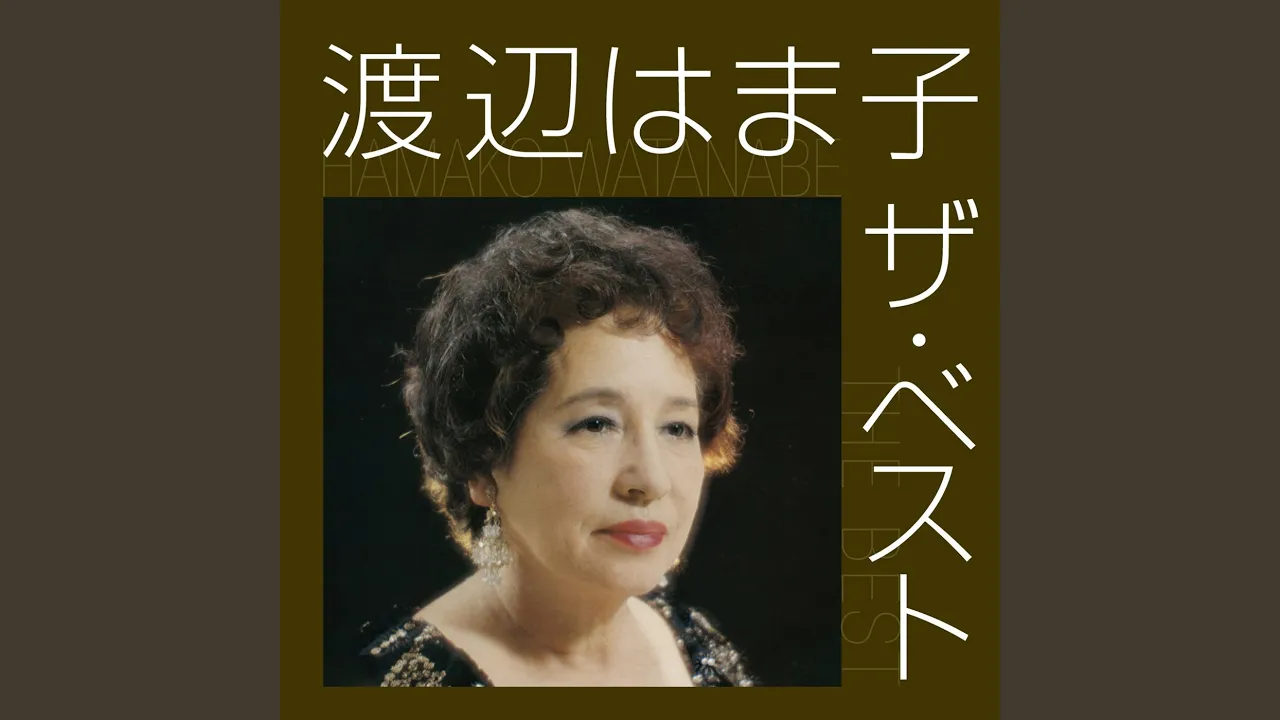
Ah, the night in Muntinlupa deepensWatanabe Hamako

Hamako Watanabe’s “Ah, The Night in Muntinlupa Deepens” is a classic that resonated deeply with the hearts of postwar Japanese.
Its poignant lyrics, which sing of the homesickness felt by Japanese war criminals confined in a Philippine internment camp, are profoundly moving.
Set to a gently reflective ballad, the song tenderly expresses longing for family and hometown, leaving a deep impression on listeners.
Released in September 1952, it became a major hit, selling over 200,000 copies.
Its influence was significant, even contributing to the eventual repatriation of all detainees.
For elderly people who experienced the war, it may be a song that brings back memories and emotions from that time.
Ai-chan as a brideSuzuki Mieko

Mieko Suzuki’s “Ai-chan wa Oyome ni” is a heartwarming song released in 1956.
It sold 180,000 copies at the time and went on to surpass a cumulative total of 700,000 copies by 1968, becoming a major hit.
It was even adapted into a film in 1957, capturing the hearts of many.
For older listeners, this song may be a special piece that brings back memories of their youth or their own weddings.
It promises a lovely time filled with nostalgia, helping listeners once again feel the bonds they share with their loved ones.
Mother on the QuayKikuchi Akiko

Akiko Kikuchi’s “Mother on the Wharf” is a classic that sings of a mother’s heartrending feelings after the war.
The image of a mother standing on the pier day after day, waiting for her distant son to return, tightens the heart.
In the lyrics, which repeatedly cling to hope, the mother’s tenacity and despair are powerfully expressed.
Symbolizing the tragedy of war and the bonds of family, this song continues to be passed down and sung by many people even today.
Why not listen to it while thinking of someone dear to you?
It’s Tokyo, Mom!Shimakura Chiyoko

Chiyoko Shimakura’s “Tokyo da yo, Okkasan” is a classic wrapped in simple warmth.
The lyrics, depicting a tour of Tokyo’s landmarks with one’s mother, are filled with nostalgia and tenderness.
Shimakura’s clear, transparent voice delivers a moving resonance that touches the heart.
Since its release in 1957, the song has continued to be loved by many.
It might be nice to listen to it with older family members and reminisce about the old days.
Its relaxed tempo makes it easy to hum along, which is another charm.
A heartwarming piece that lets you feel the bond with someone special.
Ringo OiwakeMisora Hibari

Ringo Oiwake is a classic song known as one of Hibari Misora’s signature pieces.
Set against the scenery and everyday life of the Tsugaru region, it beautifully sings of longing for one’s hometown and family.
The scattering apple blossoms mirror the feelings for a late mother and the sorrow of parting, resonating deeply with listeners.
Released in 1952, the song has been covered by many artists and continues to be loved both in Japan and abroad.
With a gentle voice that evokes nostalgia and lyrics that touch the heart, it’s a song to enjoy at an easy pace while remembering someone dear.
Tokyo ElegySanjō Machiko

Michiko Sanjo’s “Tokyo Elegy” is a masterpiece that sings of the postwar melancholy of Tokyo.
Released in 1951, it became a major hit on the music scene of the time.
For older listeners, it may be a song that overlaps with memories of their youth.
The depictions of rain and scenes like the Nikolai Cathedral further accentuate the loneliness of the city.
It’s a song I especially recommend to those who have experienced parting with someone dear, or who wish to reminisce about their younger days.
Goodbye, people of Tokyo.Shimakura Chiyoko

Chiyoko Shimakura’s “Goodbye, People of Tokyo” is a masterpiece that vividly portrays a farewell in the big city.
The delicate imagery—the sea and harbor scenes, the sound of a ship’s whistle that evokes the sorrow of parting—deeply resonates.
Released in 1957, the song became one of Shimakura’s signature works, was adapted into a film, and has been loved by many.
For older listeners, it may bring back memories of the past and farewells with loved ones.
Why not savor its unforgettable lyrics alongside the nostalgic scenery of the Showa era?