

Recommended autumn songs for people in their 90s: A collection of Showa-era autumn tunes

In this article, we’ll introduce a selection of autumn songs recommended for people in their 90s.
In addition to enka and popular songs, we’ve included children’s songs and traditional tunes, so those in their 90s are likely to recognize many of them.
All of the songs are themed around autumnal elements like the moon, persimmons, sunsets, and cosmos flowers, so just listening should let you feel the atmosphere of the season.
If you’re reading this, please consider recommending the songs introduced here to the 90-year-olds around you.
Now, let’s dive right into our recommended tracks!
Autumn songs recommended for people in their 90s: A roundup of Showa-era autumn tracks (1–10)
Homesickness on a Journeyshouka

“Tabishū” (Homesick) is a gem of a classic that poignantly gives voice to the feelings of those who have left their hometown.
Set against autumn night skies and scenes from the road, it gently expresses a longing for family and home.
The melody is calm yet profound, with a flavor that seems to seep into the listener’s heart.
Since its release in 1907, it has continued to be loved by many.
It’s best enjoyed on a quiet autumn night, gazing at the moon by the window.
It’s the perfect song when you want to bask in nostalgic memories or think of someone dear.
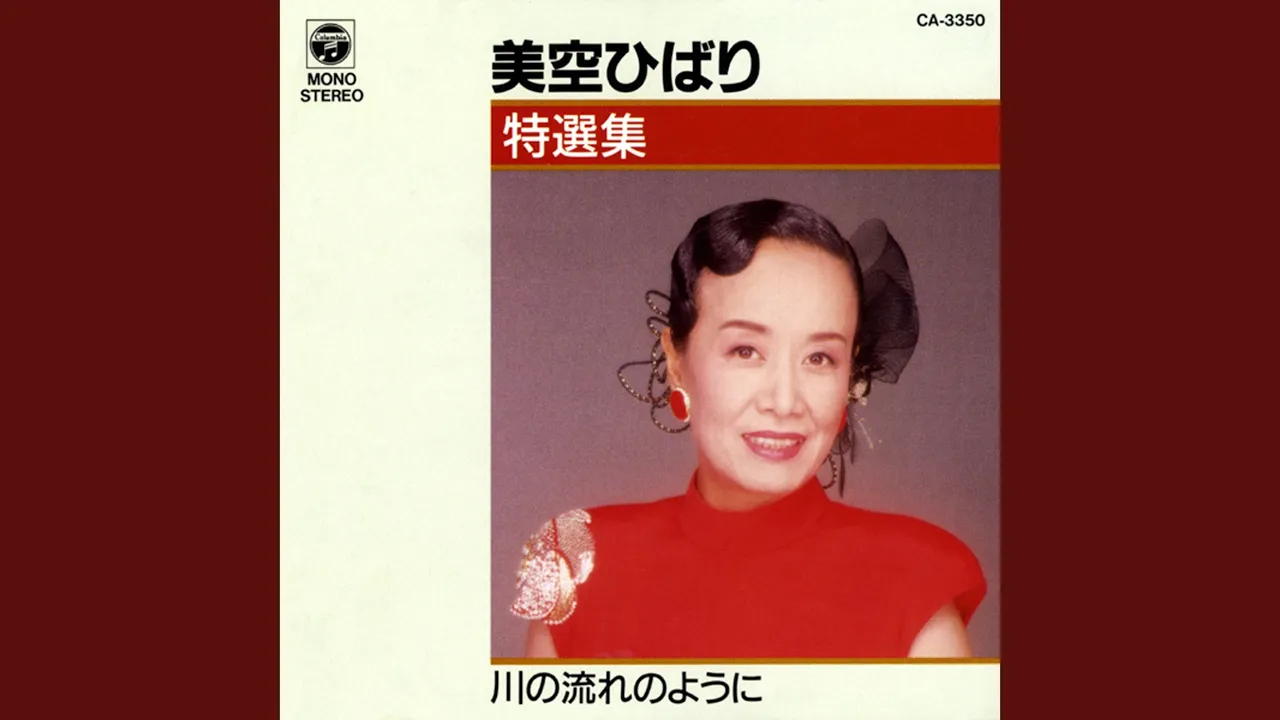
Tangled HairMisora Hibari

Hibari Misora’s “Midaregami” is a beautiful song that portrays autumn scenery.
Released in 1987, the song drew great attention as Misora’s comeback work.
The lyrics are filled with deep emotion, allowing listeners to feel both the joys and sorrows of life.
It’s recommended to listen to it together with older adults.
Why not lend an ear to Misora’s voice while sharing nostalgic memories? You’re sure to spend a heartwarming moment.
Look up at the stars in the nightSakamoto Kyu

“Look Up at the Night Stars” is a heartwarming song that finds hope while gazing at the night sky.
Kyu Sakamoto’s gentle voice tenderly embraces the struggles of young people during Japan’s period of rapid economic growth.
Released in 1963, it won the Composition Award at the 5th Japan Record Awards.
Beloved by many, it was even included in school textbooks.
If you hold hands and sing while looking up at the stars, your heart will surely be soothed.
Along with fond memories, why not feel the light of hope through this song?
I found a little sign of autumn.shouka

“Chiisai Aki Mitsuketa” (“I Found a Little Autumn”) is a children’s song that depicts scenes evoking the arrival of autumn.
Through small changes in nature—like the color of wax tree leaves and the evening sun—the song expresses how we sense autumn.
Since it was broadcast on NHK’s “Minna no Uta” in 1962, it has been cherished by people of all ages.
Singing it together with older adults may rekindle an appreciation for the changing seasons.
Its gentle tempo makes it easy to sing, so it’s also recommended to enjoy it with simple hand motions.
cosmos (flower)sadamasashi

“Cosmos,” the masterpiece by Masashi Sada.
Its lyrics, which portray a daughter’s feelings for her mother on the eve of marriage, and its wistful melody resonate deeply—a classic gem from the Showa era.
Although the song was written for Momoe Yamaguchi, Sada’s self-cover version is also captivating.
The lyrics, celebrating the bond between parent and child and expressing gratitude, are sure to touch the hearts of older listeners.
It’s a song to be heard with fond memories, filled with appreciation for those you hold dear.
Because the moon is so very blueSugawara Totoko

Totsuko Sugawara’s “Because the Moon Is So Very Blue” is a classic song that beautifully and poignantly depicts a long autumn night.
Through the image of two people taking the long way home under a blue moonlit sky, it conveys the feeling of reluctance to part.
Released in 1955, the song was a massive hit, selling over a million copies, inspiring a film of the same name, and being covered by many singers.
For older listeners, it may evoke a warm sense of nostalgia, filled with memories of their youth.
Why not listen to it on a quiet autumn night while gazing at the moon?
Sunset HillIshihara Yūjirō & Asaoka Ruriko

Yujiro Ishihara and Ruriko Asaoka’s duet “Yūhi no Oka” (Hill of the Setting Sun) is a piece that beautifully captures the splendor of the sunset and the transience of life.
The lyrics, which portray the poignancy of partings and new departures, are perfectly matched by the pair’s moving harmonies.
Produced in 1963 to commemorate the 30th anniversary of Teichiku, it was used the following year as the theme song for a film of the same title.
It is truly a classic that represents the Showa era, a seamless blend of cinema and music.
Listen to it at dusk, and it may bring back nostalgic memories.
Humming along with an older loved one could make for a heartwarming moment together.