

![[For Seniors] Classic Autumn Songs to Sing in November: From Children’s Songs to Popular Enka and Kayōkyoku](https://i.ytimg.com/vi_webp/8oPE-ygDiL4/maxresdefault.webp)
[For Seniors] Classic Autumn Songs to Sing in November: From Children’s Songs to Popular Enka and Kayōkyoku

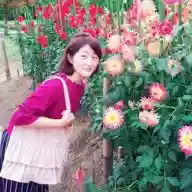
November is the season when the trees around town begin to change color.
When we see the richly colored foliage—reds, yellows, and more—it gently warms the heart, doesn’t it?
This time, we’ve gathered a variety of songs perfect for autumn, a season that tends to make us sentimental.
We’ll introduce songs that evoke the youth of older adults, nostalgic tunes from childhood, and even songs related to November.
Singing not only stimulates the brain but also boosts your body’s metabolism.
Be sure to spend a delightful autumn moment with everyone through song.
[For Seniors] Classic Autumn Songs to Sing in November: From Children’s Songs to Popular Hits (1–10)
MoonMonbushō shōka

The descriptive passages praising the beauty of the perfectly round full moon leave a lasting impression.
First published in May 1911 in the Ministry of Education’s songbook “Jinjō Shōgaku Shōka: For First Grade,” it has been sung by many generations ever since.
Created through a committee-based process by editors from the Tokyo Music School, it is characterized by its simple, easy-to-sing melody.
Long beloved as a school song in music education, recordings by children’s choirs still exist today.
It’s a tune that makes you want to hum while gazing at the moon from your window on an autumn night.
Why not enjoy this nostalgic melody together with everyone at your facility?
That Town, This TownNoguchi Ujō:sakushi/Nakayama Shimpei:sakkyoku

This is a children’s song about the walk home on an autumn evening.
With lyrics by Ujo Noguchi and music by Shimpei Nakayama, it was published in 1924 in the magazine “Kodomo no Kuni.” The piece was also selected in 2007 as one of Japan’s 100 Best Songs and has long been cherished as a classic.
It gently portrays a call to children hurrying home at dusk.
You can almost picture the autumn scenery as the sun gradually sets.
For older adults who remember playing until dark when they were young, it’s a song that may stir nostalgic feelings.
Why not sing it together with friends at your facility, or hum it on your way back from an autumn stroll?
Apple SongNamiki Michiko

Released in 1945 and a major hit, “Ringo no Uta” (The Apple Song) is also a quintessential autumn piece.
The singer is Michiko Namiki, whose beautiful, vibrato-rich vocals and the charming lyrics—likening a girl to someone in love with an apple—are highlights.
The song is also well known for being covered by many artists and featured in numerous works.
Reflecting on autumn memories through these connections can be quite enjoyable.

wild chrysanthemumSakushi:Ishimori Nobuo/Sakkyoku:Ishimori Nobuo

This is a 1942 children’s song with lyrics by Nobuo Ishimori and music by Kan’ichi Shimofusa.
It charmingly depicts the pale purple wild chrysanthemums blooming in an autumn field.
The first verse portrays the delicate figure of the quietly blooming flowers; the second presents a peaceful scene of an insect alighting on a blossom; and the third conveys a warm wish for the flowers to keep blooming even when the cold winter arrives.
With its relaxed tempo and easy-to-sing melody, it’s well suited for singing together at gatherings of older adults.
If you come across wild chrysanthemums on an autumn stroll, think of this piece and savor the changing of the seasons.
Desert of the MoonSakushi: Katou Masao / Sakkyoku: Sasaki Suguru

Beloved as a children’s song, this work was created by poet and painter Masao Kato, who produced the poem together with accompanying illustrations.
After its publication in a magazine in 1923, composer Suguru Sasaki set it to music, and it came to be widely sung.
It depicts a prince and princess riding a camel, quietly traveling across moonlit sands, unfolding a fantastical and beautiful world.
Its wistful melody gently accompanies the reflective mood of autumn.
Why not spend a moment singing it together and sharing nostalgic memories? It is a somewhat romantic, unforgettable autumn classic.
A deserted seaTo wa e mo wa
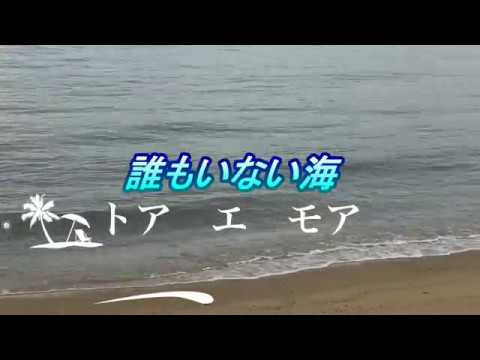
A quietly sung piece set on an autumn seashore, reflecting on a lost love and facing one’s own future.
Released in November 1970 as a single by Towa Tei et Moi, it features lyrics by poet Yoko Yamaguchi and music by Noriyoshi Naitō.
The words—resolved not to grieve anymore because promises were made to the sea, the sand, and the sky—gently resonate in the heart.
On the same day, chanson singer Fubuki Koshiji also released a version, and on the Oricon charts the Towa et Moi version reached No.
16.
Its portrayal of someone striving to look ahead despite setbacks and loneliness is something many will relate to.
It’s a song that tenderly stays by your side—one you’ll want to listen to while gazing at the autumn sea.
red dragonflySakushi: Miki Rofū / Sakkyoku: Yamada Kōsaku

This is a nostalgic work that layers feelings of longing for childhood while gazing up at a red dragonfly flying in the sunset sky.
Rofu Miki infused the poem with memories of his hometown in Hyogo Prefecture, and Kosaku Yamada set it to a beautiful melody.
The poem was published in 1921 and set to music in 1927, and it has been sung across generations ever since.
It was featured in the 1955 film “Koko ni Izumi Ari” and on NHK’s “Minna no Uta” in 1965, and has long been widely cherished.
On an autumn evening, why not hum it as you watch the red dragonflies by the window? Its gentle triple-meter melody is easy to sing, and if you gather to sing it together, it’s sure to spark fond reminiscences.