

![[For Seniors] Classic Autumn Songs to Sing in November: From Children’s Songs to Popular Enka and Kayōkyoku](https://i.ytimg.com/vi_webp/8oPE-ygDiL4/maxresdefault.webp)

November is the season when the trees around town begin to change color.
When we see the richly colored foliage—reds, yellows, and more—it gently warms the heart, doesn’t it?
This time, we’ve gathered a variety of songs perfect for autumn, a season that tends to make us sentimental.
We’ll introduce songs that evoke the youth of older adults, nostalgic tunes from childhood, and even songs related to November.
Singing not only stimulates the brain but also boosts your body’s metabolism.
Be sure to spend a delightful autumn moment with everyone through song.
- [For Seniors] Autumn Songs That Touch the Heart: From Nostalgic Children’s Songs and School Songs to Showa-Era Kayōkyoku
- [For Seniors] Winter songs you'll want to hum along to. A collection of classic tunes recommended for BGM and recreational activities
- Recommended Autumn Songs for People in Their 80s: A Collection of Seasonal Kayōkyoku and Children's Songs
- [2026] Songs to listen to in November: masterpieces of late autumn, autumn songs.
- [For Seniors] Beloved songs to sing in December: heartwarming moments with nostalgic kayōkyoku and children’s songs
- Recommended autumn songs for people in their 70s: A collection of nostalgic fall tunes
- [For Seniors] Popular Karaoke Songs That Everyone Can Enjoy Together
- [For Seniors] Songs Everyone Can Sing Together! A Roundup of Recommended Crowd-Pleasers
- Recommended autumn songs for people in their 90s: A collection of Showa-era autumn tunes
- [For Seniors] September Song Special: Introducing Nostalgic Classics and Children’s Songs that Evoke Autumn
- [For Seniors] Introducing recommended songs to give on Respect for the Aged Day
- Ranking of popular songs for senior citizens
- [For Seniors] Crowd-Pleasers! Recommended Songs Everyone Can Enjoy Together in October
[For Seniors] Classic Autumn Songs to Sing in November: From Children’s Songs to Popular Hits (1–10)
MoonMonbushō shōka

The descriptive passages praising the beauty of the perfectly round full moon leave a lasting impression.
First published in May 1911 in the Ministry of Education’s songbook “Jinjō Shōgaku Shōka: For First Grade,” it has been sung by many generations ever since.
Created through a committee-based process by editors from the Tokyo Music School, it is characterized by its simple, easy-to-sing melody.
Long beloved as a school song in music education, recordings by children’s choirs still exist today.
It’s a tune that makes you want to hum while gazing at the moon from your window on an autumn night.
Why not enjoy this nostalgic melody together with everyone at your facility?
A deserted seaTo wa e mo wa
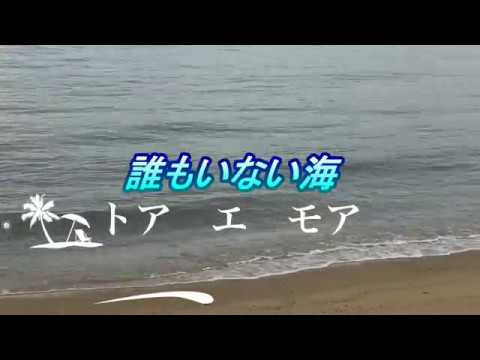
A quietly sung piece set on an autumn seashore, reflecting on a lost love and facing one’s own future.
Released in November 1970 as a single by Towa Tei et Moi, it features lyrics by poet Yoko Yamaguchi and music by Noriyoshi Naitō.
The words—resolved not to grieve anymore because promises were made to the sea, the sand, and the sky—gently resonate in the heart.
On the same day, chanson singer Fubuki Koshiji also released a version, and on the Oricon charts the Towa et Moi version reached No.
16.
Its portrayal of someone striving to look ahead despite setbacks and loneliness is something many will relate to.
It’s a song that tenderly stays by your side—one you’ll want to listen to while gazing at the autumn sea.
red dragonflySakushi: Miki Rofū / Sakkyoku: Yamada Kōsaku

This is a nostalgic work that layers feelings of longing for childhood while gazing up at a red dragonfly flying in the sunset sky.
Rofu Miki infused the poem with memories of his hometown in Hyogo Prefecture, and Kosaku Yamada set it to a beautiful melody.
The poem was published in 1921 and set to music in 1927, and it has been sung across generations ever since.
It was featured in the 1955 film “Koko ni Izumi Ari” and on NHK’s “Minna no Uta” in 1965, and has long been widely cherished.
On an autumn evening, why not hum it as you watch the red dragonflies by the window? Its gentle triple-meter melody is easy to sing, and if you gather to sing it together, it’s sure to spark fond reminiscences.
Rabbit DanceSakushi: Noguchi Ujō / Sakkyoku: Nakayama Shinpei

It’s a lively, bouncy tune.
It was published in May 1924 in the magazine Kodomo no Kuni.
The lyrics were written by Ujō Noguchi, known for songs like “Seven Baby Crows” and “Soap Bubbles,” and the music was composed by Shinpei Nakayama, who created many children’s songs such as “Teru Teru Bozu” and “Back-to-Back.” The song depicts rabbits dancing lightly, with the onomatopoeic “taratta, ratta” echoing pleasantly.
As Shinpei Nakayama himself indicated with the performance note “with bounce and extremely briskly,” it’s best sung brightly and energetically.
It’s also nice to sing it together with friends at a facility, enjoying handclaps and swaying your bodies.
On a calm autumn afternoon, why not hum it and feel like a child again?
rabbitMonbushō shōka

A song from the Ministry of Education’s collection that sings of rabbits hopping as they gaze up at the harvest moon.
Since its inclusion in Elementary School Songs, Volume 2 in 1892, it has been cherished by many as a children’s song.
It is characterized by short phrases that convey the atmosphere of moon-viewing culture, and despite its simplicity, it features a melody that lingers in the heart.
This piece is also used as a practice tune for shamisen and koto, and has been recorded in various arrangements, such as King Records’ collection of seasonal school songs and Teichiku’s album “Heart and Mind: The Breeze of Ryukyu Played on the Sanshin.” On long autumn nights, why not line up some dumplings, gaze at the moon, and hum along? The melody is easy to remember, so you can enjoy singing it together with everyone.
Apple SongNamiki Michiko

Released in 1945 and a major hit, “Ringo no Uta” (The Apple Song) is also a quintessential autumn piece.
The singer is Michiko Namiki, whose beautiful, vibrato-rich vocals and the charming lyrics—likening a girl to someone in love with an apple—are highlights.
The song is also well known for being covered by many artists and featured in numerous works.
Reflecting on autumn memories through these connections can be quite enjoyable.

wild chrysanthemumSakushi:Ishimori Nobuo/Sakkyoku:Ishimori Nobuo

This is a 1942 children’s song with lyrics by Nobuo Ishimori and music by Kan’ichi Shimofusa.
It charmingly depicts the pale purple wild chrysanthemums blooming in an autumn field.
The first verse portrays the delicate figure of the quietly blooming flowers; the second presents a peaceful scene of an insect alighting on a blossom; and the third conveys a warm wish for the flowers to keep blooming even when the cold winter arrives.
With its relaxed tempo and easy-to-sing melody, it’s well suited for singing together at gatherings of older adults.
If you come across wild chrysanthemums on an autumn stroll, think of this piece and savor the changing of the seasons.