

For seniors: Recommended youthful songs for people in their 90s. A collection of classic Showa-era hits.


If you’re in your 90s today, you’re probably very familiar with the music that was popular in the 1930s and 1940s.
The songs we heard as children or during our school years tend to stay with us forever, don’t they?
In this article, we’ll introduce a selection of popular songs from the youthful days of those in their 90s—tracks that feel nostalgic and familiar.
If you have someone in their 90s in your life—whether a family member or someone you know through a senior care facility—please consider sharing the songs we’re about to introduce with them.
They’ll surely be delighted as the music brings back fond memories of their younger days.
- Lively songs recommended for people in their 90s—fun songs for everyone to listen to and sing together.
- Recommended youth songs for people in their 80s: A collection of nostalgic classics
- Recommended cheer songs for people in their 90s: a collection of timeless tracks that support life
- Easy-to-sing songs recommended for women in their 90s: A roundup of tracks to try at karaoke
- [For Seniors] Recommended spring songs for people in their 90s: A collection of Shōwa-era spring tunes
- Recommended love songs for people in their 90s: A collection of classic Shōwa-era romance songs
- For People in Their 90s: Dance Tracks and Exercise Songs That Make Moving Your Body Fun!
- Recommended autumn songs for people in their 90s: A collection of Showa-era autumn tunes
- Lively songs recommended for people in their 80s: A collection of nostalgic enka and kayōkyoku
- A collection of moving, tear-jerking songs recommended for women in their 90s—heartfelt tunes that resonate with the soul.
- Easy-to-sing songs recommended for men in their 90s: A roundup of tracks to sing at karaoke
- [For people in their 90s] Recommended Christmas songs: from nostalgic school songs and hymns to timeless classics
- An encouraging song we want people in their 80s to hear. A cheer song from the Showa era.
For Seniors: Recommended Youthful Songs for People in Their 90s. A Collection of Showa-Era Classics (41–50)
Let’s get married.yoshida takurou
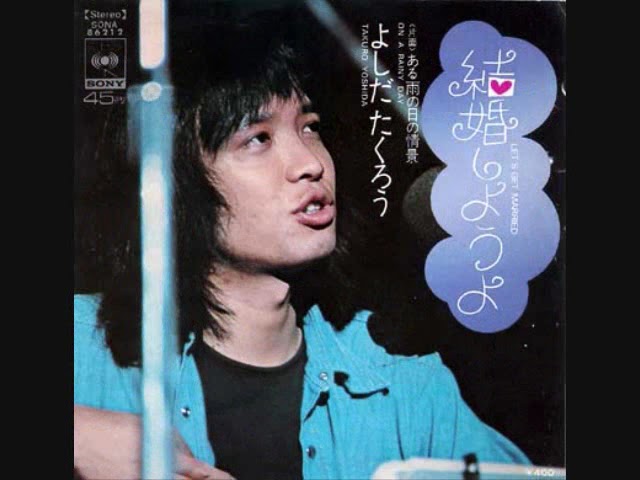
This work is memorable for its translucent, beautiful melody and sweet, poignant vocals.
Released in 1972, the song marked a major turning point in the history of folk music.
Centered on acoustic guitar, its warm sound creates an atmosphere that gently envelops feelings of love.
While poetically depicting springtime scenes, Takuro Yoshida expresses sincerity and pure affection.
Simple yet profound in its message, this classic reached a peak of No.
3 on the Oricon weekly chart.
Its heartwarming, gentle tone and tender vocal timbre enrich everyday moments.
It’s a song to savor slowly on a blossoming spring day, reminiscing with those of the same generation as memories come into full bloom.
spring thunderfuki no tō

This is a single released in February 1979 by Fuki no Tō, a duo from Hokkaido, gently expressing the feeling of the coming of spring.
Its poetic worldview—overlaying the fleeting scattering of cherry blossoms with a sense of loss in life—leaves a strong impression.
The tender tones of the acoustic guitar and the duo’s perfectly synchronized harmonies create a deeply moving resonance.
The song was first performed on the TV show “Yoru no Hit Studio,” and was later included on the album “Jinsei・Haru・Ōdan.” The lyrically rich words evoke memories of one’s hometown and youthful days, stirring a pleasant nostalgia.
How about humming along or clapping hands together with older listeners, and feeling the pleasant spring breeze?
Lingering Snowiruka

Sung by Iruka, this piece has been handed down as a classic of spring and resonates deeply with listeners.
Depicting a scene of parting in early spring, it beautifully portrays lingering attachments and the loneliness of growing up.
Written and composed by Shozo Ise and given a rich, full arrangement by Masataka Matsutoya, it was released on the album “Iruka no Sekai” in March 1975 and later as a single in November of the same year, reaching No.
4 on the Oricon charts.
It’s a perfect song to spark conversations with older adults, offering a wonderful time to share nostalgic memories and vivid, heartfelt scenes together.
Red Sweet PeaMatsuda Seiko

This is a celebrated song by Seiko Matsuda, distinguished by its beautiful melody filled with the scent of spring and her fresh, vibrant vocals.
The lyrics exquisitely balance pure young love with a slightly more mature romantic feeling, and are sprinkled with seasonal imagery such as a spring-colored train and April rain.
A gem born from the remarkable talents of lyricist Takashi Matsumoto and composer Yumi Matsutoya, it was released in January 1982.
The song was also used in a commercial for Fujifilm’s cosmetics brand “ASTALIFT,” which drew attention for featuring Miyuki Nakajima.
It’s a piece you’ll want to listen to quietly by the window on a gentle spring day, offering a heartwarming moment along with a touch of nostalgia.
Words of FarewellKaientai

Do you have any nostalgic melodies that make you feel the warmth of spring sunshine the moment you hear them? Kaientai’s classic “Okuru Kotoba” is a heartwarming piece filled with messages perfect for graduation season.
Its lyrics about the sorrow of parting, the courage to trust others, and the depth of love truly resonate.
Released in November 1979, the song also became well-known as the theme for the popular TV drama “Mr.
Kinpachi in Class 3-B.” Singing it together with older adults might spark lively conversations about fond memories.
Consider incorporating it into recreational activities at your facility.
Parting at 22kaze

The debut song by the folk duo Kaze is a heartwarming classic, as gentle as the spring sunshine.
The lyrics vividly portray the pure love and parting of youth, while the tender acoustic guitar melody weaves a beautiful harmony.
Since its release in 1975, it has been covered by many artists and even adapted into a film by director Nobuhiko Obayashi in 2007, remaining beloved across generations.
In NHK’s “SukiUta — Kouhaku Everyone’s Survey,” it ranked 71st for the White Team.
It’s a perfect song for savoring slowly when you want to bask in nostalgic memories, and it could also spark lively conversations among older listeners about their experiences from back in the day.
Mischief of the spring breezeYamaguchi Momoe

With the arrival of spring, a timeless masterpiece was born.
The lyrics gently express tender first love and poignant emotions, portraying the delicate feelings of a girl walking through the city in the spring breeze.
Momoe Yamaguchi’s pure, clear voice beautifully conveys the wavering heart of a young woman.
Released in March 1974, the song was used as the theme for the film “The Dancing Girl of Izu,” and became a major topic of conversation.
Together with the film, which showcased Yamaguchi’s charm as an actress to the fullest, it remains deeply etched in many people’s hearts.
It’s a perfect song for spending a peaceful moment in the warmth of spring or reminiscing about cherished memories.
Why not enjoy it with older listeners, sharing nostalgia while feeling the arrival of spring?