

Songs to give for an 88th-birthday celebration (Beiju). Heartwarming classics and popular tunes.

There are various terms corresponding to different ages for longevity celebrations, such as kanreki and koki, but do you know how old “beiju” refers to?
Beiju is 88 years old in traditional Japanese age counting.
It is said to come from the fact that the character for “rice” (米) can be broken down into the components for eighty-eight (八十八).
In this article, we’ve compiled classic Japanese songs that you’ll want to sing or gift for a beiju celebration.
Our lineup centers on timeless enka and kayōkyoku, while also including recent J-pop.
We hope you’ll find songs that the whole family—especially the grandchildren—can sing together to celebrate your grandpa’s or grandma’s beiju!
- Songs to gift for longevity celebrations: heartwarming classics and popular tunes about life
- [Thank You] A song for grandpa and grandma: a classic that makes you want to express your gratitude
- [Celebration] A compilation of Japanese songs that elderly people will enjoy
- [For Seniors] Introducing recommended songs to give on Respect for the Aged Day
- Songs to give as gifts for a 70th birthday celebration: heartwarming classics and popular hits
- Ranking of popular songs for senior citizens
- [Celebration Song] A heart-brightening playlist of celebratory songs to color your special day
- [Grandpa & Grandma] Timeless Songs to Gift to Seniors
- A classic from the good old days! A famous birthday song born in the Showa era.
- [For Seniors] Songs Everyone Can Sing Together! A Roundup of Recommended Crowd-Pleasers
- [For Seniors] Crowd-Pleasers! A Collection of Classic Karaoke Songs
- [Family Song] A gratitude song that lets you feel the importance of family.
- [For Seniors] Popular Karaoke Songs That Everyone Can Enjoy Together
Heart-Stirring Songs to Give for an 88th Birthday Celebration (1–10)
As time goes bysawada kenji

Known as one of Kenji Sawada’s signature songs, this track was released in August 1975 and was used as an insert song for the TBS drama “Akuma no Youna Aitsu” (A Devilish Fellow).
With lyrics by Yū Aku and composition/arrangement by Katsuo Ōno, it topped the Oricon weekly chart for five consecutive weeks and recorded an astonishing 916,000 copies sold in total.
The lyrics, which depict the love between a man and a woman and the passage of time, resonate deeply with listeners, while Sawada’s powerful yet warm vocals further enhance its appeal.
It might be the perfect song to sing together with family and friends in celebration of an 88th birthday.
signpostFukuyama Masaharu

A heartwarming song filled with love for a late grandmother and gratitude for the “relay of life” passed down through generations.
Masaharu Fukuyama’s gentle melody and lyrics resonate deeply with listeners.
Originally released in June 2009, the song was performed at the 2021 NHK Kōhaku Uta Gassen and, in response to fans’ requests, re-released in 2022 with a new arrangement.
It’s a perfect choice for expressing appreciation to grandparents or parents, or as a gift for someone important at a milestone in life.
Like the flow of a riverMisora Hibari

The gem of a masterpiece infused with Hibari Misora’s soul likens the subtleties of life to the flow of a river, offering deep empathy through its heartfelt lyrics and warm vocals that gently accompany many people’s hearts.
Released in January 1989, this song holds special significance as the last single she chose herself.
Performed on NHK’s Kōhaku Uta Gassen, it has become a beloved piece across generations.
It is perfect as a gift for family members celebrating their 88th birthday or for someone dear, and as a song to accompany quiet moments of reflection at life’s milestones.
Its heartwarming melody and lyrics are sure to bring profound emotion and healing.
Heart-stirring songs to give for an 88th birthday celebration (11–20)
From here on, OndoŌizumi Itsurō

Itsuro Oizumi, who sang about his own grandchild in the song “Mago,” released it in 1999 and made it a huge hit.
In fact, “Mago” was Oizumi’s debut single.
His wonderfully celebratory number “Korekara Ondo” carries the same spirit: with lyrics that say, “Kiju, Beiju, and of course Hakuju are just milestones in life—no matter how old you are, your life is still ahead of you,” it’s a sentiment many can relate to.
The call-and-response “Ah, sore-sore!” is great fun too—don’t forget it when you sing karaoke.
All in all, it’s an essential track for celebrating Beiju and longevity.
Sūdara-bushiUeki Hitoshi
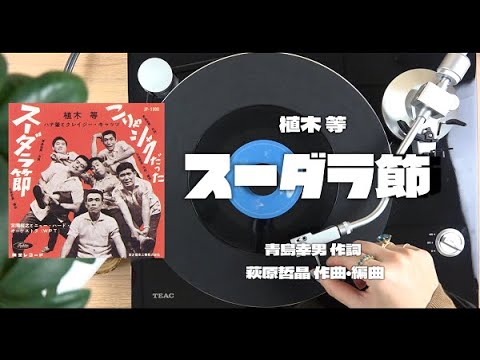
A single by Hachiro Hana and the Crazy Cats, released on August 20, 1961.
It’s the perfect number for a cheerful, kind, and slightly sloppy grandpa who lived through the Showa era.
How about celebrating his 88th birthday with this classic Showa tune that’s fun to sing?
Saizansu MamboToni Tani

This is a signature song by Tony Tani—known as the model for Iyami from Osomatsu-kun—who was a comedian, musician, and movie star active in the 1950s.
Using an abacus as percussion, this light and witty number is perfect for celebrating an endearing, playful grandpa or grandma’s 88th birthday (beiju).
Father’s SeaMuraki Kenkichi

A song cherished for many years once again moves people’s hearts.
Its lyrics, depicting the harsh life of a fisherman and deep respect for a father, convey family bonds and life lessons.
Initially self-released in 1972 without much attention, the song’s popularity surged around 1978 in Kushiro, Hokkaido.
After being re-released in February 1979, it became a major hit, reaching No.
5 on the Oricon weekly chart and ranking 27th for the year 1979.
Powerfully sung by Kenkichi Muraki and exquisitely composed by Tatsuo Sagi, this work is perfect for anyone wishing to express gratitude to their family.