

Recommended for seniors! Liven up your event with a Respect-for-the-Aged Day quiz!


On Respect for the Aged Day, an event in September, many senior care facilities and day service centers likely plan special activities.
Respect for the Aged Day is a legally designated holiday to honor seniors who have contributed to society over many years and to celebrate longevity.
With that in mind, this time we’re introducing a Respect for the Aged Day quiz that’s perfect for events on the day itself as well as for September recreational activities.
Let’s use questions related to Respect for the Aged Day to ensure seniors have fun and get everyone excited.
- [For Seniors] Enjoy Brain Training with September Trivia Quizzes & Fun Facts
- [For Seniors] September Quiz: Brain Training Problems
- [For Seniors] Fun and Lively! Recommended Quiz Questions
- [For Seniors] Today’s recommended quiz. Daily brain-training quiz!
- [Recreation for Seniors] Introducing Quizzes to Enjoy at Day Service Centers!
- [For Seniors] Lively two-choice trivia quiz. Handy to know and tidbits you'll want to share with others
- [For Seniors] Fun Brain Training! Quizzes Recommended for October
- [For Seniors] Let’s have fun with October trivia and fun facts quizzes!
- Liven up the Respect-for-the-Aged gathering: A roundup of recreational activities everyone can enjoy.
- [For Seniors] Fun and Informative! Health Trivia Quiz
- [Respect-for-the-Aged Celebration] Guaranteed to Get Everyone Excited! Introducing Perfect Plans to Celebrate Longevity
- [For Seniors] Sports Trivia Quiz & Fun Facts. Easy and Entertaining
- [For Seniors] Enjoy September’s Autumn Fun! A Collection of Craft, Game, and Exercise Ideas
[For Seniors] Perfect for Events! Liven Up with Respect-for-the-Aged Day Quizzes! (21–30)
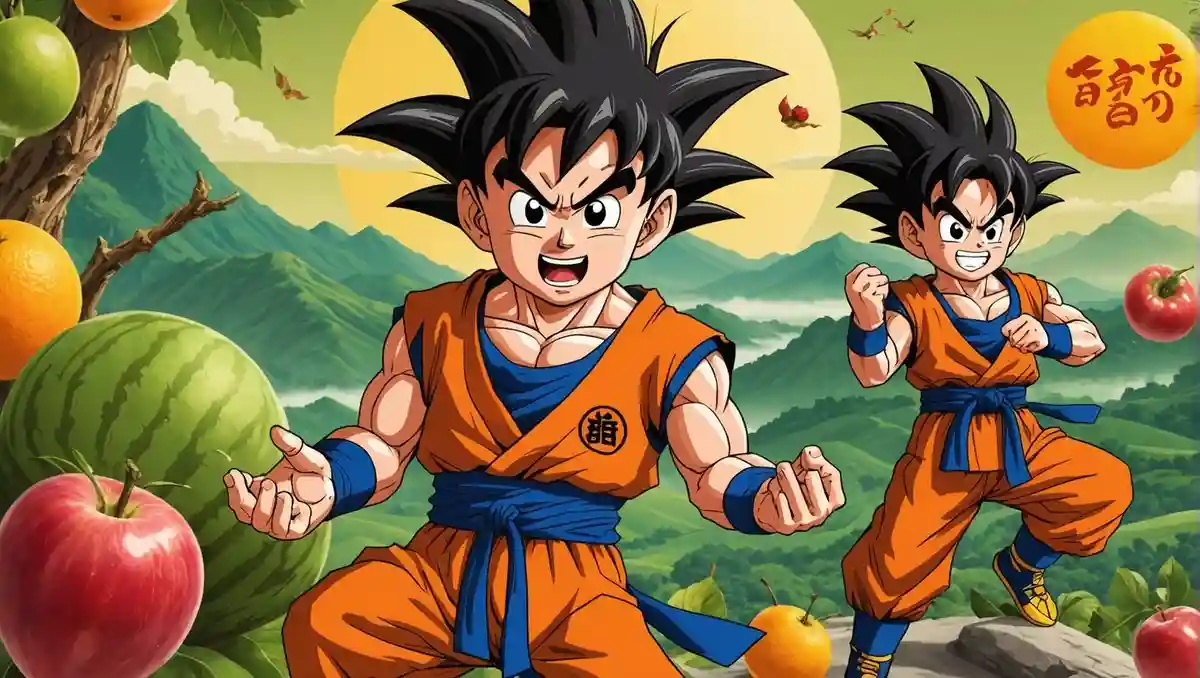
In Journey to the West, Sun Wukong became immortal after eating a certain fruit. What is the fruit?
- Apple
- peach
- grapes
See the answer
peach
In Journey to the West, Sun Wukong’s job in Heaven was to manage the peaches known as Pantao. However, he ate those peaches himself and is said to have become immortal. Incidentally, in China peaches have long been believed to ward off misfortune and evil and to bring longevity. In Japan, they are also cultivated—though not in large numbers—in Wakayama and Fukushima prefectures.

A four-character idiom meaning longevity: 〇寿千歳. What character goes in the 〇?
- turtle
- crane
- dragon
See the answer
crane
Kakujusensai is pronounced “gakujusensai.” Because cranes are said to live for a thousand years, the phrase carries the meaning of longevity. By the way, in reality wild cranes don’t live a thousand years; they are said to live about 20 to 30 years. Among birds, they are considered relatively long-lived. In zoo records, some cranes have lived even longer, with a record of 61 years.
What do you call the 7-day period from September 15 to 21 in weeks?

- Elderly Week
- Senior Citizens Week
- Respect for the Aged Week
See the answer
Elderly Week
The week from September 15, the former Respect for the Aged Day, to September 21 is designated as Elderly Week. Elderly Week is a time to promote awareness of elderly welfare. Its purpose is to encourage Japanese citizens to deepen their understanding and interest in welfare for the elderly, and to encourage older adults to strive to improve their own quality of life. It differs from Respect for the Aged Day, which is a day to honor seniors and celebrate longevity.
In China, which of the five seasonal festivals is generally considered the day to honor the elderly?

- Dragon Boat Festival
- Tanabata
- Double Ninth Festival
See the answer
Double Ninth Festival
In China, the Double Ninth Festival is commonly observed as a day to honor the elderly. On this day, families visit graves and carry out traditional customs passed down from their ancestors. In Chinese culture, odd numbers are considered auspicious, and September 9, when the highest yang number 9 is doubled, is called Chongyang (the Double Ninth). By the way, the other five seasonal festivals are: Jinjitsu (Human Day) on January 7, Shangsi on March 3, Duanwu (Dragon Boat Festival) on May 5, and Qixi (Tanabata) on July 7.
What is the reason for giving something red as a gift to celebrate one’s 60th birthday (kanreki)?

- Increase in financial luck
- Safety and well-being of one’s household
- warding off evil
See the answer
warding off evil
There are 60 types of the sexagenary cycle in the calendar, such as Kōshi and Ototsuji, and it completes a full cycle in 60 years. Because of this, turning 60 was seen as completing one cycle and returning to the year of one’s birth. Since it symbolizes returning to the calendar of one’s birth—becoming like a baby again—it became customary to present a red chanchanko (a sleeveless celebratory vest) for the kanreki (60th birthday) celebration. Also, like the red color of shrine torii gates, red is believed to ward off misfortune and evil, so it has come to be a color associated with celebrating longevity.
In Taka Town, Hyogo Prefecture—the birthplace of Respect-for-the-Aged celebrations—there is a song honoring the elderly. What is its title?

- Stay healthy forever.
- Surely, thank you.
- Gratitude to you
See the answer
Surely, thank you.
Because Taka Town in Hyogo Prefecture is the birthplace of Respect for the Aged Day, it created a “Respect for the Aged” song with the aim of passing down the spirit of honoring the elderly forever. The lyrics were compiled in 2013 from submissions by elementary, junior high, and high school students in the town. They also unveiled a preventive care exercise routine set to the song and produced a CD, which they distribute free of charge to organizations in municipalities nationwide as well as to television and radio stations.
Which animal symbolizes longevity?

- Rabbit and Dog
- Cat and Chicken
- Crane and Turtle
See the answer
Crane and Turtle
Cranes for a thousand years, turtles for ten thousand—since ancient times in Japan, cranes and turtles have been regarded as auspicious animals. It is said that this idea originally appeared in ancient Chinese philosophical texts, which recorded the tradition that cranes live a thousand years and turtles ten thousand. This Chinese belief was passed down to Japan. Although they do not actually live for a thousand or ten thousand years, cranes and turtles are indeed long-lived animals.