

Recommended for seniors! Liven up your event with a Respect-for-the-Aged Day quiz!


On Respect for the Aged Day, an event in September, many senior care facilities and day service centers likely plan special activities.
Respect for the Aged Day is a legally designated holiday to honor seniors who have contributed to society over many years and to celebrate longevity.
With that in mind, this time we’re introducing a Respect for the Aged Day quiz that’s perfect for events on the day itself as well as for September recreational activities.
Let’s use questions related to Respect for the Aged Day to ensure seniors have fun and get everyone excited.
[For Seniors] Perfect for Events! Liven Up the Day with Respect-for-the-Aged Day Quizzes! (1–10)
Respect for the Aged Day used to be called ‘Toshiyori no Hi’ (Old People’s Day), but it was renamed. What is the new name?

- Respect for the Aged Day
- Respect for the Aged Day
- Respect for the Aged Day
See the answer
Respect for the Aged Day
The origin of Respect for the Aged Day lies in “Toshiyori no Hi,” which began in Nomadani Village, Taka District, Hyogo Prefecture. It was established to honor the elderly and celebrate longevity, and later spread nationwide. In 1964 it was renamed “Elderly Day,” and in 1966 it became the national holiday “Respect for the Aged Day.”
When did Respect-for-the-Aged Day become a national holiday?

- 1966
- 1973
- First year of the Heisei era (1989)
See the answer
1966
Respect for the Aged Day was established as a national holiday in 1966, with September 15 designated as the date at the time. Since 2003, due to the Happy Monday system, it has been changed to the current date: the third Monday of September.
Is the celebration for turning 100 called hyakuju (the centenarian celebration)? True or false?
- 〇
- ×
See the answer
〇
The celebration of turning 100 is called “Hyakuju” (literally, “hundred years”). The character for “hundred” (百) can also be read as “momo,” so it is sometimes called “Momoju.”
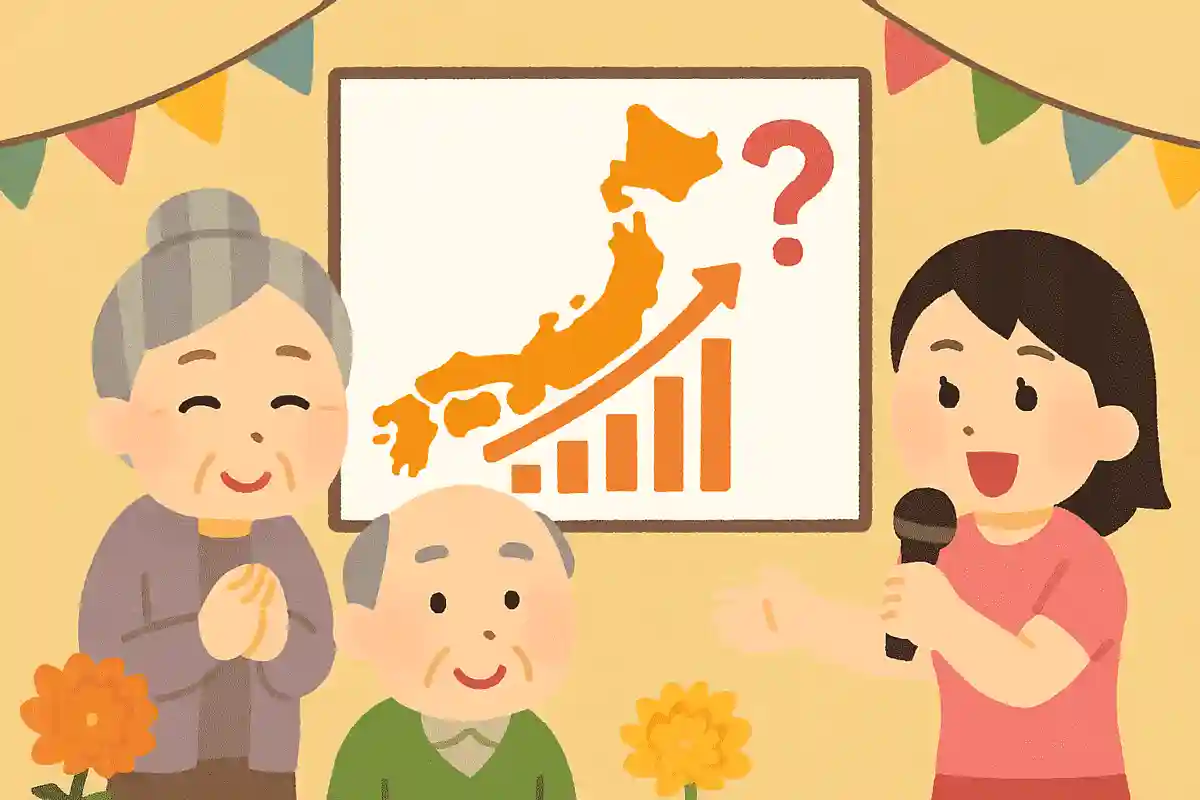
When did Japan’s elderly population (the proportion aged 65 and over) surpass 20%?
- Heisei 5 (1993)
- Year Heisei 12 (2000)
- 2005
See the answer
2005
Japan’s aging rate—the proportion of the population aged 65 and over—surpassed 20% in 2005 (Heisei 17). This meant that more than one in five people in the country were 65 or older, a level that was exceptionally high by global standards at the time.
There is a “Respect for the Aged Day” overseas as well, in the same way. True or false?
- 〇
- ×
See the answer
〇
While Respect for the Aged Day is known as a uniquely Japanese holiday, days and events to honor and appreciate older adults also exist abroad. For example, in the United States and Canada, there is Grandparents Day, which is celebrated as a day to connect with and express gratitude to older people.
What is the classic flower to give on Grandparents Day in the United States?
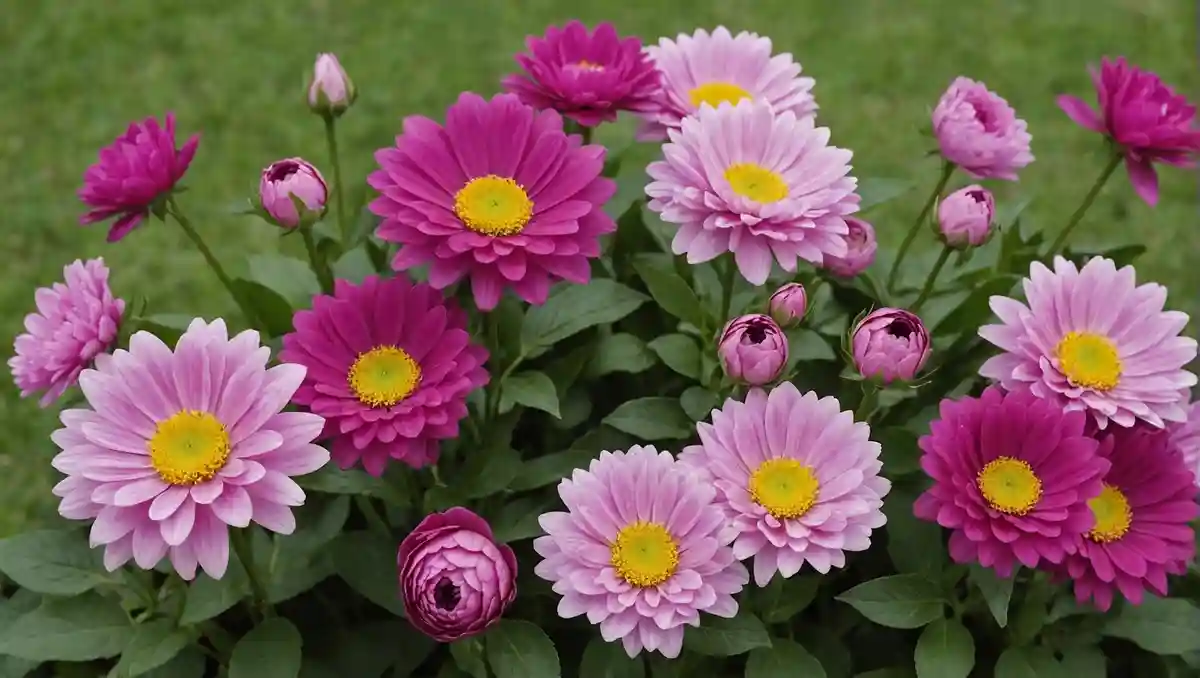
- Balloon flower
- Japanese anemone
- Forget-me-not
See the answer
Forget-me-not
Forget-me-nots, with their many small, pale-colored blossoms, give off a delicate, charming impression. The flower language of the forget-me-not includes “Please don’t forget me.” Inspired by that meaning, I’m giving them as a present to express a wish to never forget our respect for older people. By the way, Grandparents Day in the United States is on the second Sunday of September, and it’s customary to give a greeting card along with a bouquet.

What age is celebrated as beiju (the 88th-birthday celebration)?

- 77 years old
- 88 years old
- 99 years old
See the answer
88 years old
Beiju refers to the celebration for someone turning 88 years old. When you write 88 in kanji, it becomes eight, ten, eight (八、十、八), which is said to form the character for “rice” (米), hence the name beiju, the rice-age celebration. In Japan, the number eight has long been considered auspicious because its shape widens toward the end, symbolizing prosperity. Since 88 has two eights, reaching 88 is regarded as especially fortunate and joyous. Many regions celebrate it grandly, much like kanreki (the 60th birthday).