

[For Seniors] Perfect for Brain Training! Themed Hiragana Fill-in-the-Blank Quiz
In recreational or event settings at senior facilities, it’s common to include training that stimulates the brain.
In this article, we’ve picked out fill-in-the-blank quizzes designed for seniors.
They’re introduced in categories—food, living things, tools and vehicles, and home appliances—so it may be a chance to discover participants’ areas of strength.
We’ve compiled items that evoke nostalgia as well as ones that can spark conversation.
Give these quizzes a try—they’re a fun way to exercise the mind.
- [For Seniors] Brain Training with a Whiteboard! Fill-in-the-Blank Exercises & Quizzes
- [For Seniors] Enjoy Brain Training with Fill-in-the-Blank Shiritori!
- [For Seniors] Fun and Informative! Health Trivia Quiz
- [For Seniors] Fun and Lively! Recommended Quiz Questions
- [For Seniors] Trivia Multiple-Choice Quiz
- [For Seniors] Recommended for Brain Training! Nostalgic Showa-Era Quiz
- [For Seniors] Fun Brain Training! A Collection of Tricky Quizzes You’ll Definitely Get Stumped By
- [For Seniors] Recommended and Exciting! Brain-Teaser Quiz Collection
- [For Seniors] Fun Brain Training! Lively Mind Exercises
- [For Seniors] Find daily brain training. Today’s recommended brain workout.
- [Riddle Quiz for Seniors] Brain Training Perfect for Mental Exercise
- [For Seniors] Brain Training! Recall Quiz Collection!
- [For Seniors] Have Fun with Wordplay Characters! A Collection of Funny Puzzles
[For Seniors] Perfect for Brain Training! Themed Hiragana Fill-in-the-Blank Quizzes (11–20)
ki○○ki

It is said that the name comes from the sound of knocking on wood.
See the answer
woodpecker
The woodpecker’s rapid pecking that drills holes into wood is striking. It’s a bird with sturdy tail feathers and a strong beak, living in forests and similar habitats. Perhaps few people have seen one in person.

ko○pa○

What stationery item has two legs?
See the answer
compass
A compass is a stationery tool used to draw circles on paper and the like. Since it’s used in elementary school, some people may find it nostalgic. You don’t get many chances to use it once you become an adult, do you?
o i o kuri - o (masked/blanked characters present)

It makes me want to eat it on hot summer days.
See the answer
ice cream
It is said that the first ice cream manufactured and sold in Japan was “aisukurin” from a shaved-ice shop in Yokohama. At the time, it was a simple recipe made only with milk, sugar, and egg yolks. Today, there is a wide variety, starting with the classic vanilla flavor and including chocolate as well as versions colored and flavored with fruits.

ji○ri○shi○
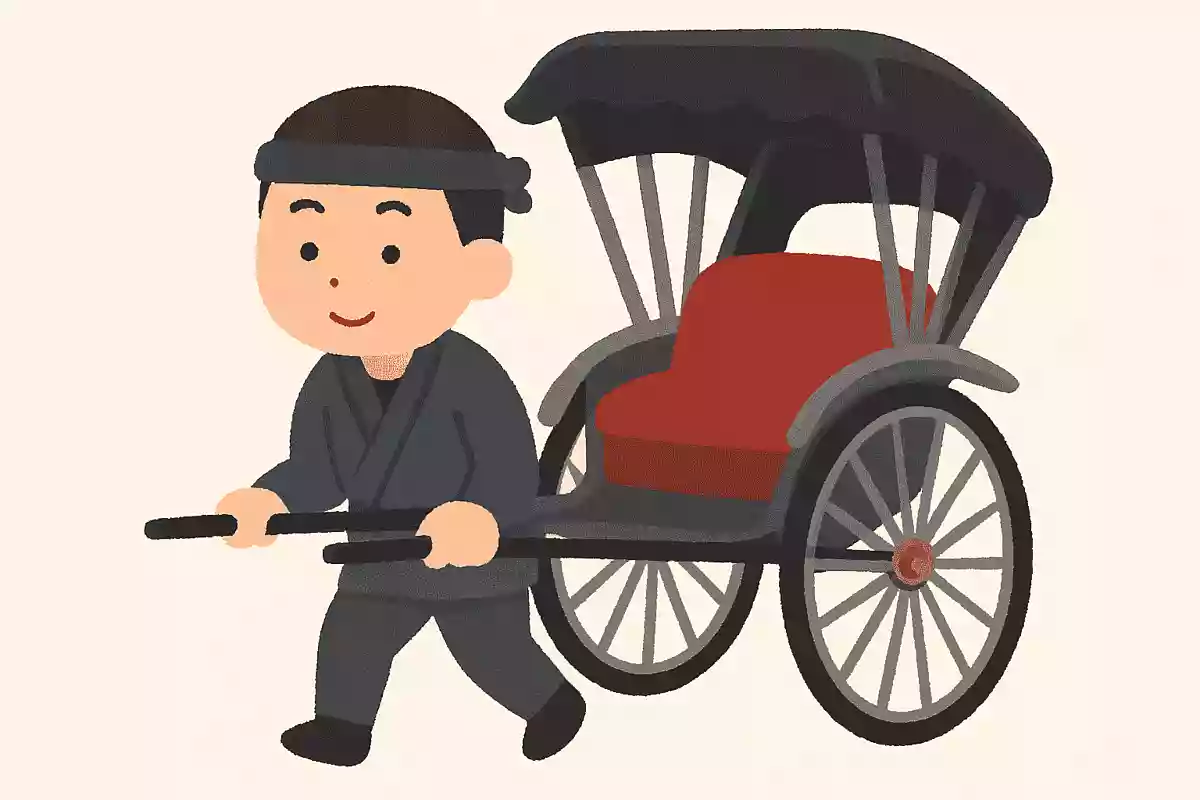
Pulled by human power, it carries the passengers on board. It is famous in tourist areas such as Asakusa.
See the answer
rickshaw
Rickshaws, often seen in tourist spots, were originally used as a means of transportation in the Meiji era. Later, with the advent of horse-drawn carriages and railways, rickshaws declined as a mode of transport. However, in the late Showa period they drew attention as a tourism resource, and today a wide range of people use them, aided by social media.
Tama〇〇ki
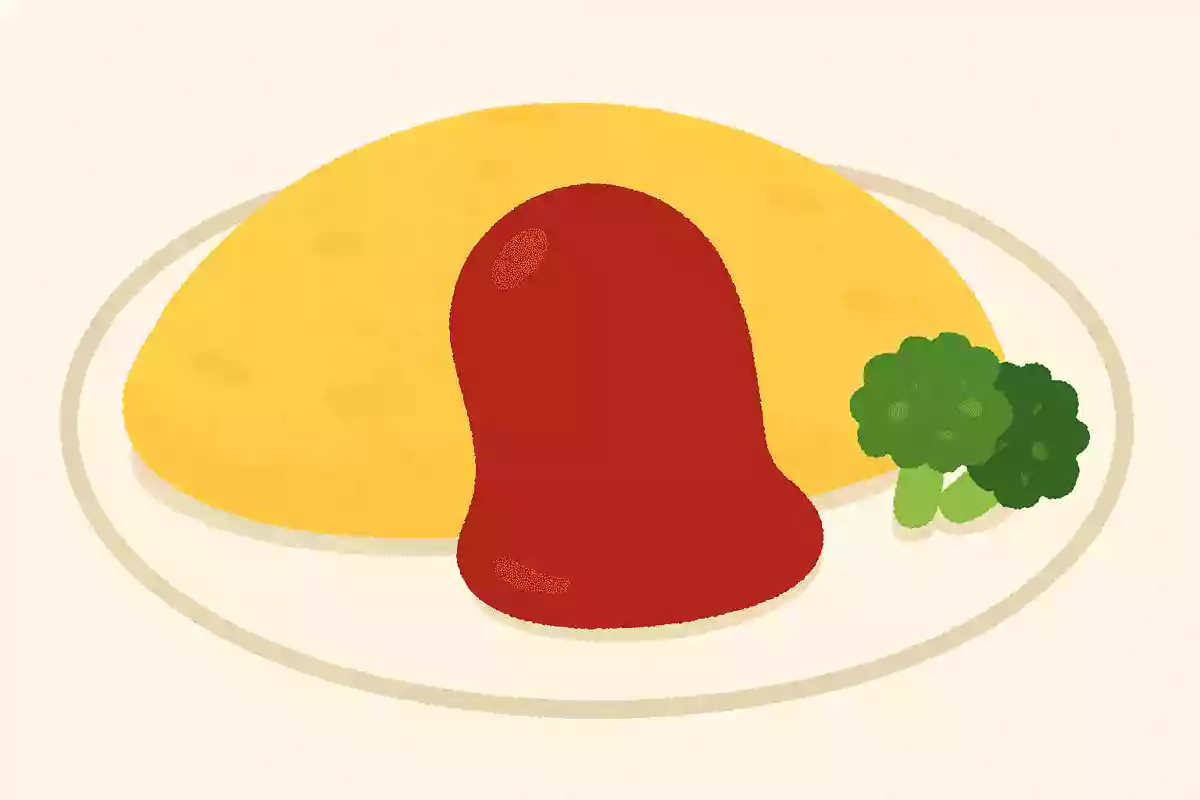
It’s a food that became synonymous, along with Giant, Taiho, and Tama-○○-ki, with things popular among children in the Showa era.
See the answer
tamagoyaki (Japanese rolled omelette)
Despite being a staple of home cooking, it’s also served in restaurants and is popular across generations. Broadly speaking, the seasoning falls into two categories: the sweeter Kanto style and the saltier Kansai style that emphasizes dashi. Beyond that, what’s considered standard varies by region throughout Japan, making it a remarkably versatile and accommodating dish.
o i o u ko
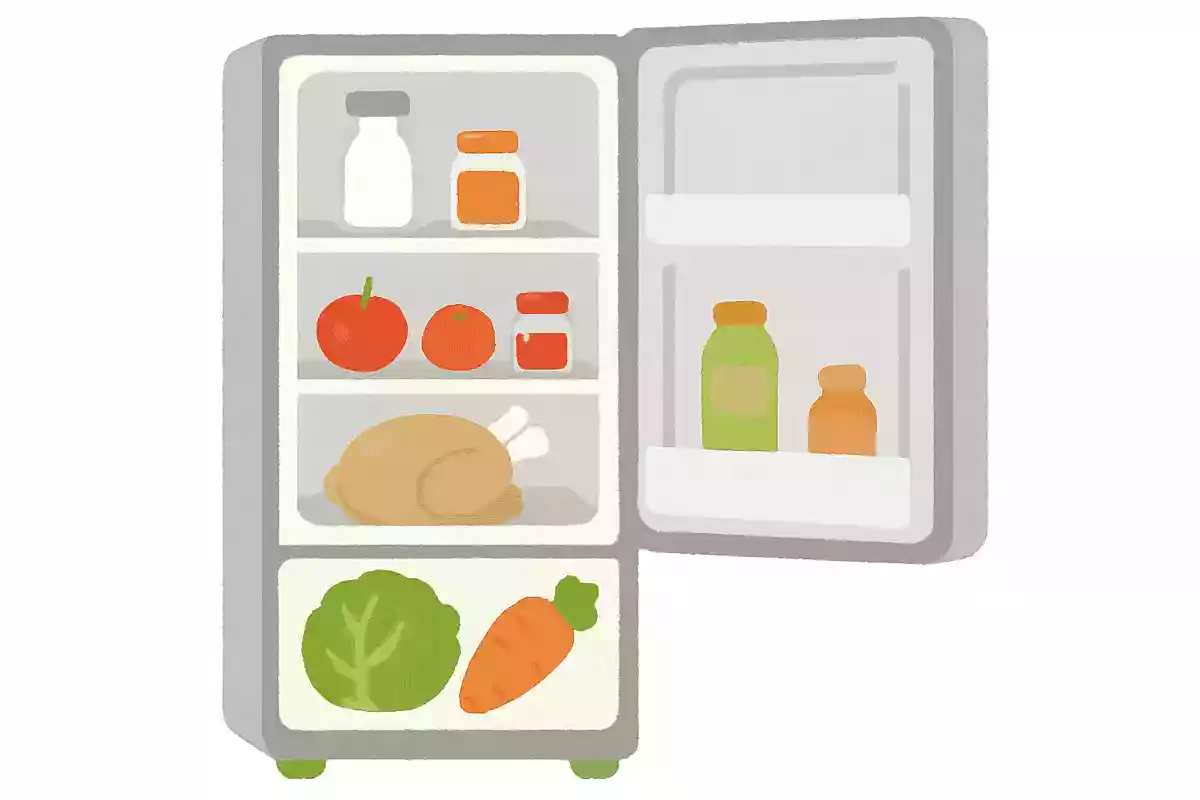
You can store groceries and other items at low temperatures or keep them frozen.
See the answer
refrigerator
Along with black-and-white televisions and washing machines, refrigerators were called the “Three Sacred Treasures” and were the object of people’s admiration. Before refrigerators came along, it’s said that people chilled food with ice. Today, they’re one of the home appliances we can’t live without.

[For Seniors] Perfect for Brain Training! Themed Hiragana Fill-in-the-Blank Quizzes (21–30)
〇いは〇き
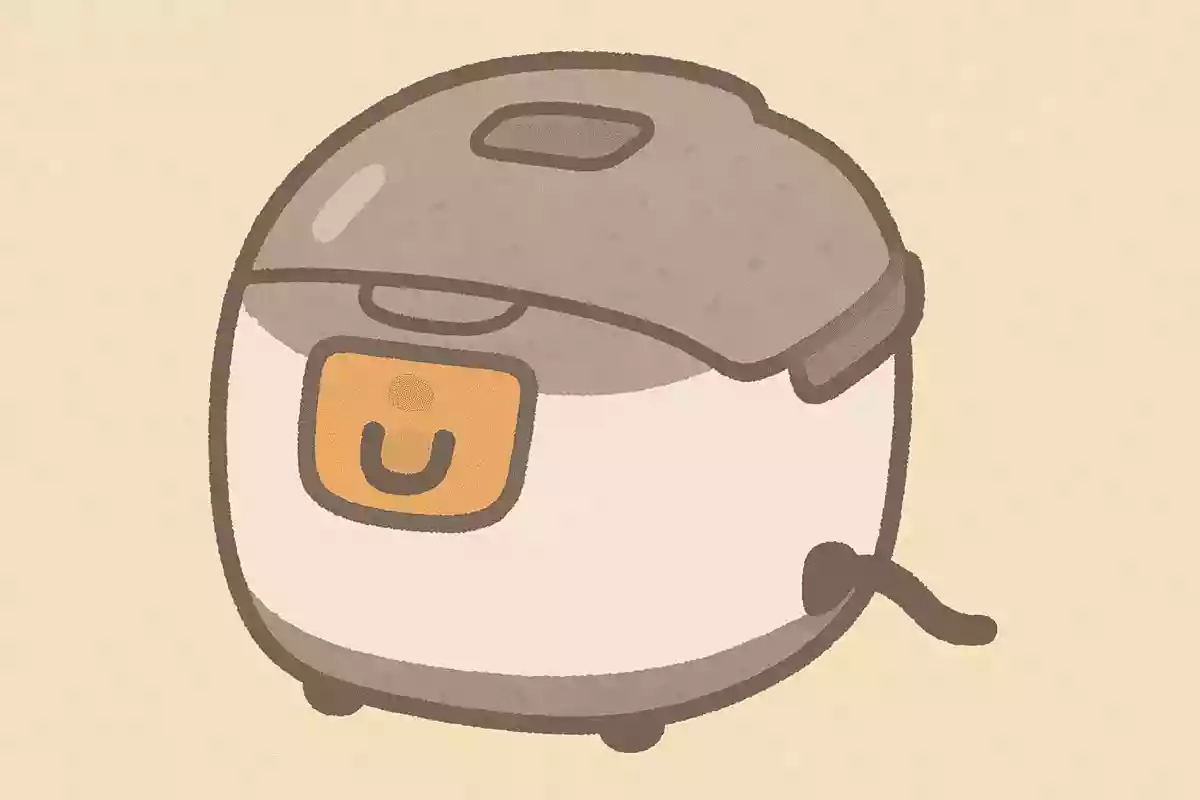
You can cook rice to make cooked rice (a meal).
See the answer
rice cooker
In recent years, rice cookers have evolved significantly, ranging from low-priced models to high-end ones equipped with various materials and features. Since rice is something we eat every day, it’s wonderful when it cooks deliciously, and it’s also fun to look for models that can be used as versatile cooking appliances.