

![[For Seniors] Recommended and Exciting! Brain-Teaser Quiz Collection](https://media.ragnet.co.jp/img/1200__png__https://www.studiorag.com/files/2025/04/29ae984b5f8d18c237782cb0134f191a.webp)
[For Seniors] Recommended and Exciting! Brain-Teaser Quiz Collection

How about using “tonchi quizzes” for recreational quiz activities?
“Tonchi” refers to quick-witted ideas that pop into your head on the spot.
One of the fun aspects is coming up with a clever answer to a given question that surprises everyone around you.
Let’s help older adults stimulate their brains with tonchi quizzes too!
Unlike riddles or standard quizzes, these encourage nimble, humorous answers that can really activate the brain.
If the flash of inspiration turns out to be correct, participants can also feel a sense of achievement and fulfillment.
[For Seniors] Recommended and Lively! Brain Teaser Quiz Collection (1–10)
What is something that a younger brother has two of, but a younger sister has only one of?
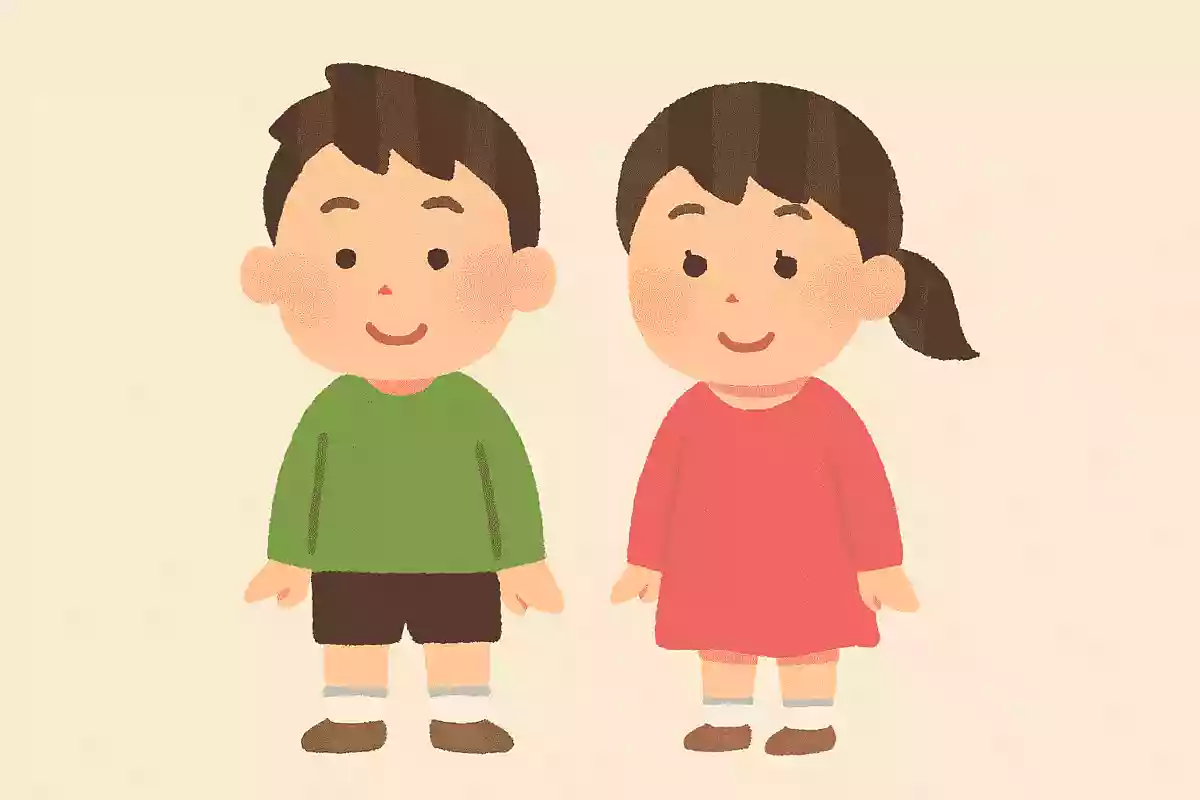
People with siblings have probably felt various forms of unfairness in long-lasting relationships.
This riddle evokes that kind of relationship and asks: what is something that two younger brothers and one younger sister each have? Since it’s a wordplay riddle, it’s not actually about real sibling unfairness; the key is to think about what exactly is being asked.
The hint is to think of each word as text: if you convert the kanji into hiragana, the answer appears.
The answer is the hiragana character “と”; when you write “おとうと” (younger brother) and “いもうと” (younger sister) in hiragana, it becomes obvious.

What profession frequently damages cars?
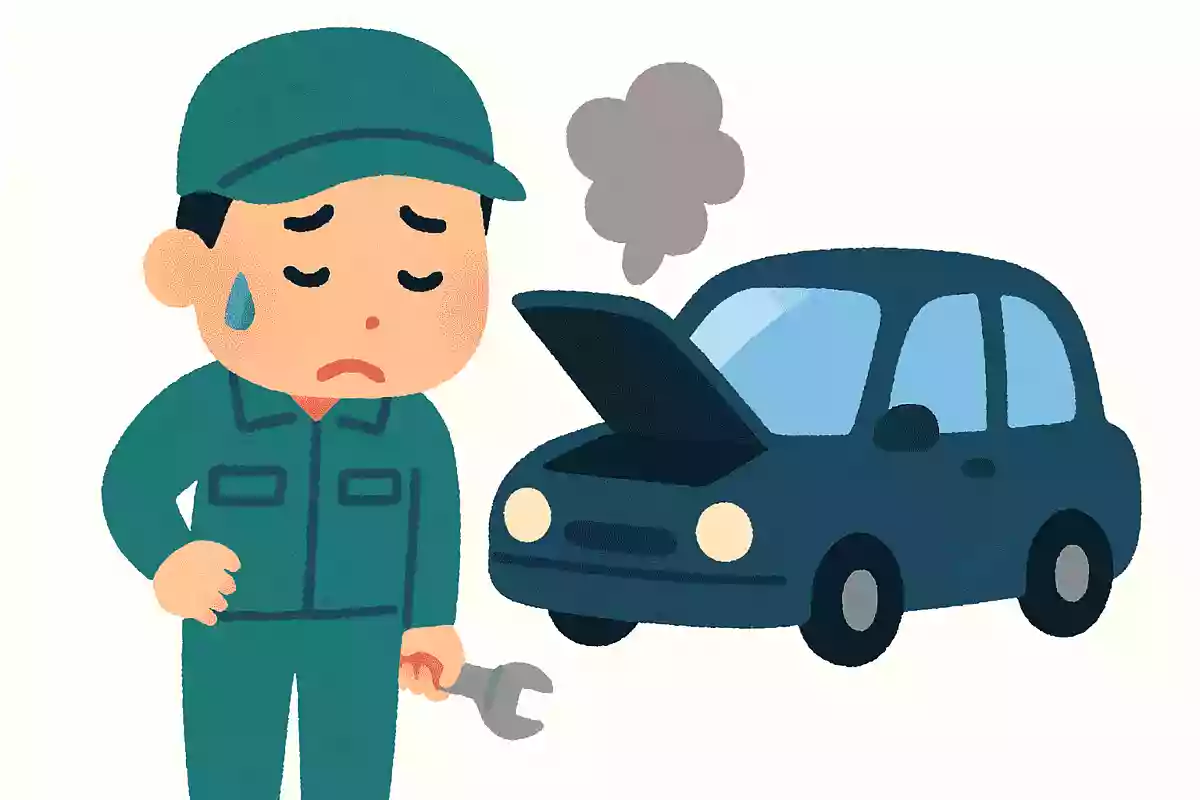
When you use a car every day, it can break down over time or due to unexpected troubles, right? This riddle asks about a job that often “breaks cars,” which brings to mind a sad image.
Since it’s a wordplay quiz, the answer isn’t a dismantler, of course.
The hint is to rephrase the words: if you think of another way to say “a car breaks,” you’ll reach the answer.
The answer is “dentist.” The key point is realizing that a broken car can be called a ‘haisha’ (scrapped car), which sounds the same as ‘haisha’ (dentist) in Japanese.
A cup is something you can put drinks like tea or juice into. But what is a tool that can only be put in at night?

When we drink beverages like tea or juice, we pour them into tools like cups, right? Among such tools, let’s think about which one can only be filled at night.
It doesn’t literally mean it can only be used at night, so it may help to think of tools used for drinks.
The hint is a play on words: if you consider other ways to say “night,” you might arrive at the answer.
The answer is “kettle” (yakan).
The key is whether you can think of various tools and then rephrase “night” as “yakan” (which means “nighttime” in Japanese), creating a pun with “yakan,” the word for kettle.
There’s something that doesn’t wear clothes when it’s outside, but wears clothes when it’s inside. What is it?
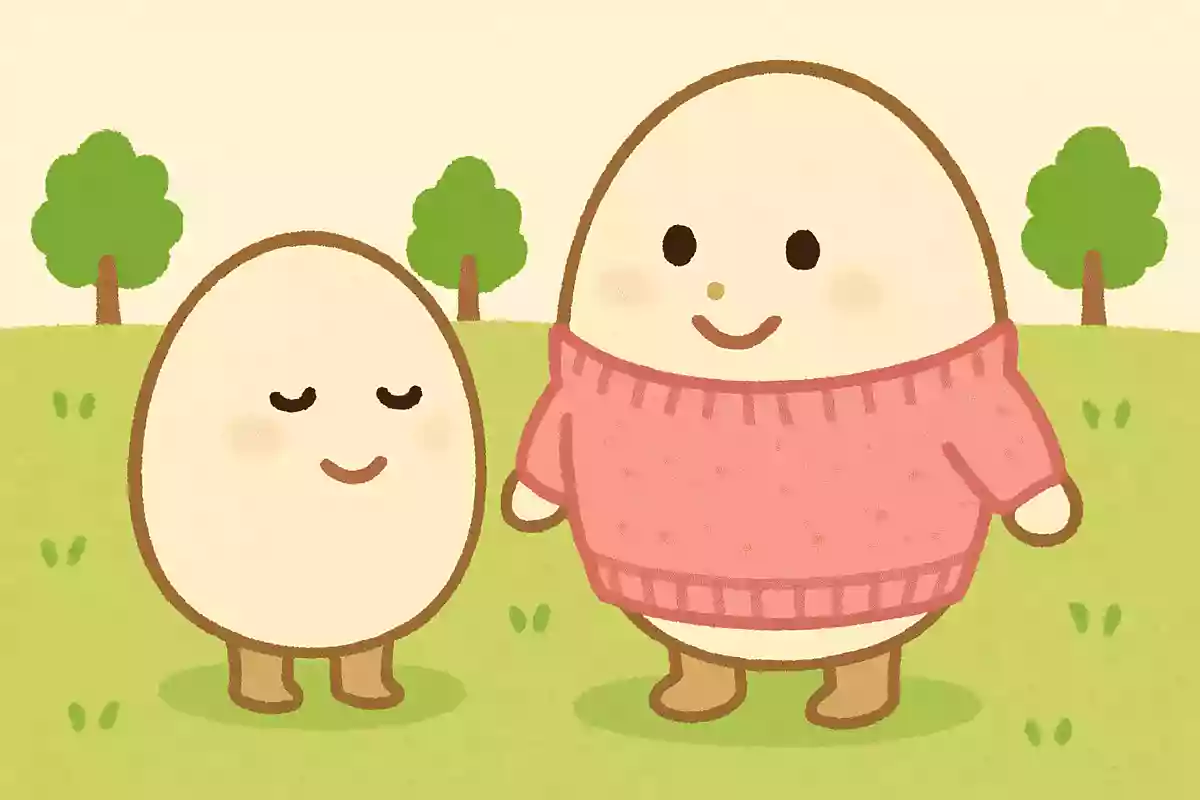
Clothes are most necessary when you’re outside, and you usually take them off when you’re at home.
What is something that’s the opposite: it doesn’t wear clothes when it’s outside, but does wear clothes when it’s inside? Here’s a hint: it has to do with clothing, and you might find the answer if you look around indoors.
The answer is a hanger.
When it’s indoors, it has clothes hanging on it, and you take the clothes off the hanger before going outside.
In summer you might not use hangers as much, so this riddle might be easier to solve in winter.
What is something you can cut many times but can’t sever?
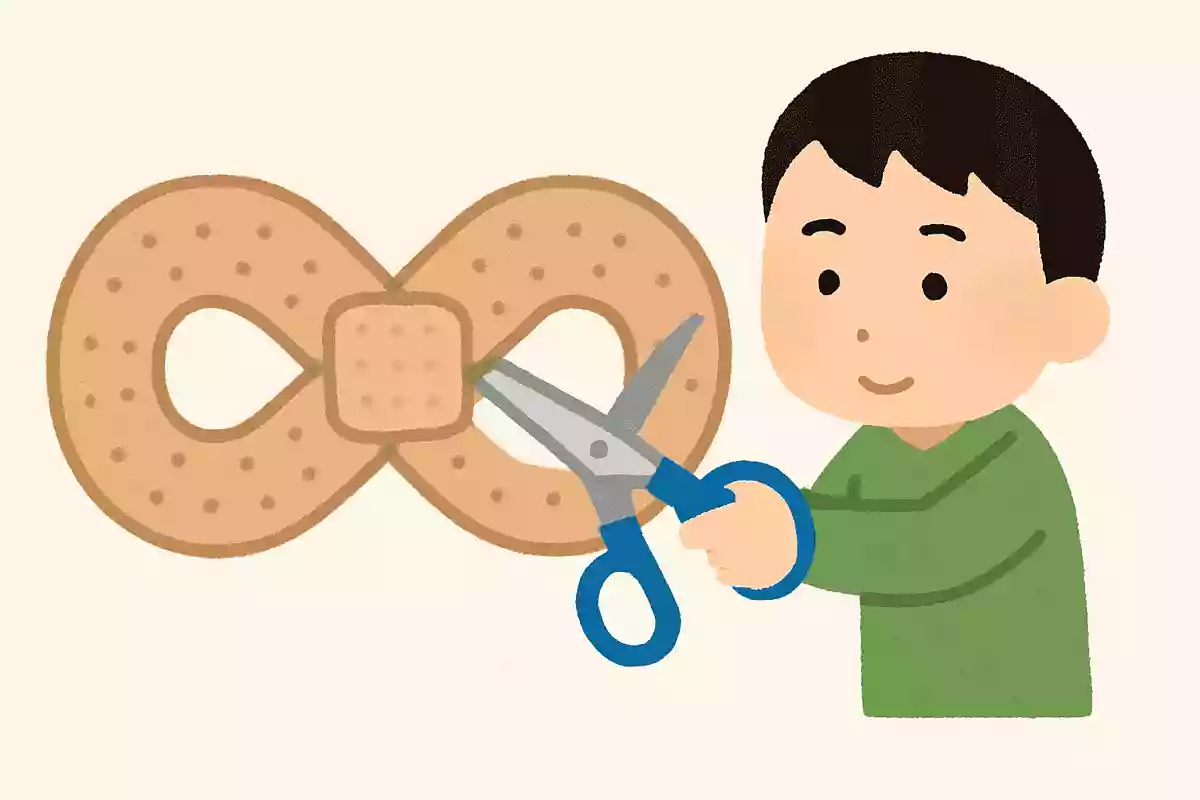
When you use tools like scissors to cut something, it gets divided into smaller pieces, right? So what is something that you can keep “cutting” over and over but never actually gets cut? It doesn’t mean it’s too hard to cut—think about what “cut” might be expressing here.
Consider that “cut” doesn’t mean dividing into multiple parts, and think of something you repeatedly do to prepare for an activity.
The answer is playing cards.
Before starting a game, we say we “cut” the deck, meaning to shuffle or split and rearrange the cards.
The medicines I had prescribed at the pharmacy were various colors. What color is the one in the middle?
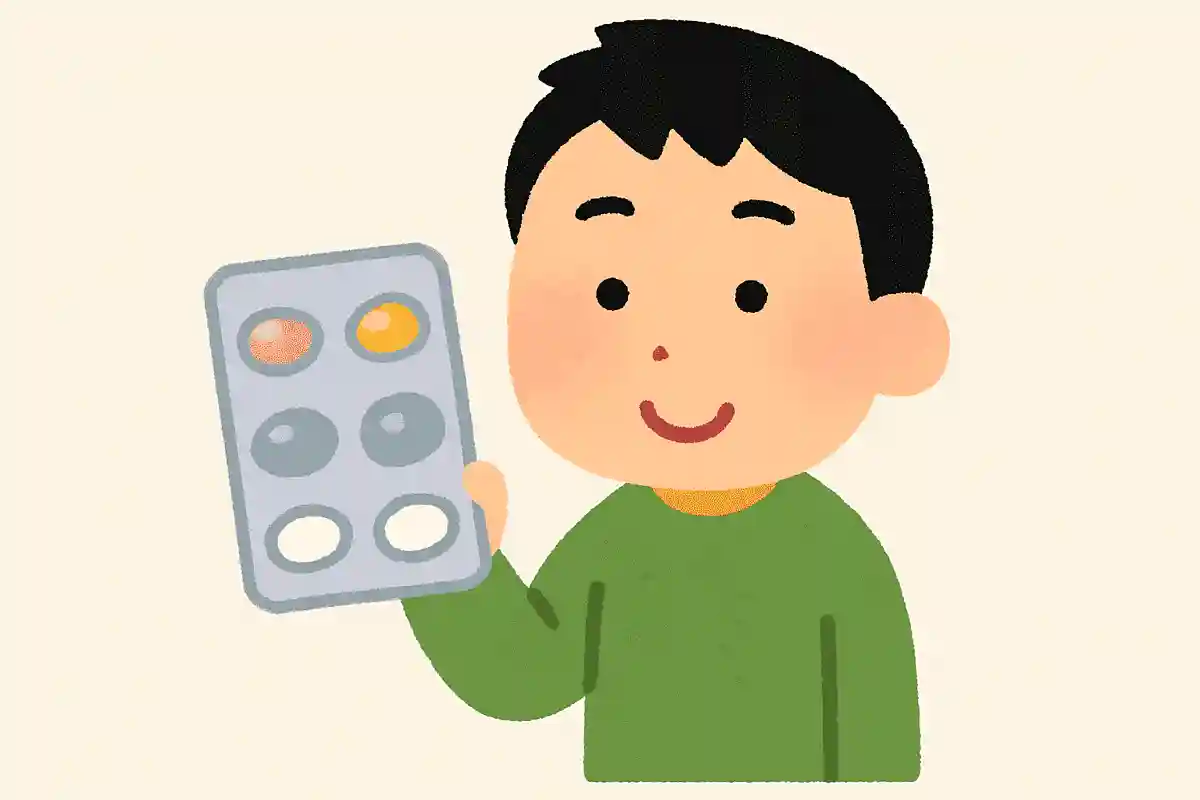
The medicines you get at the pharmacy come in various shapes and colors, right? Among them, let’s think about the color in the middle of the character for “medicine.” Since there are many kinds of actual medicines, this is a riddle about meaning rather than real pills.
The hint is to think of “medicine” not as an object or a number, but as a character—if you closely observe the kanji, you’ll find the answer quickly.
答えは「white(白)」です。重要なのは、漢字の「薬(medicine)」の中央に「白(white)」という文字が含まれていることに気づくことです。
What item on a sushi restaurant’s menu do people always ask the price of?
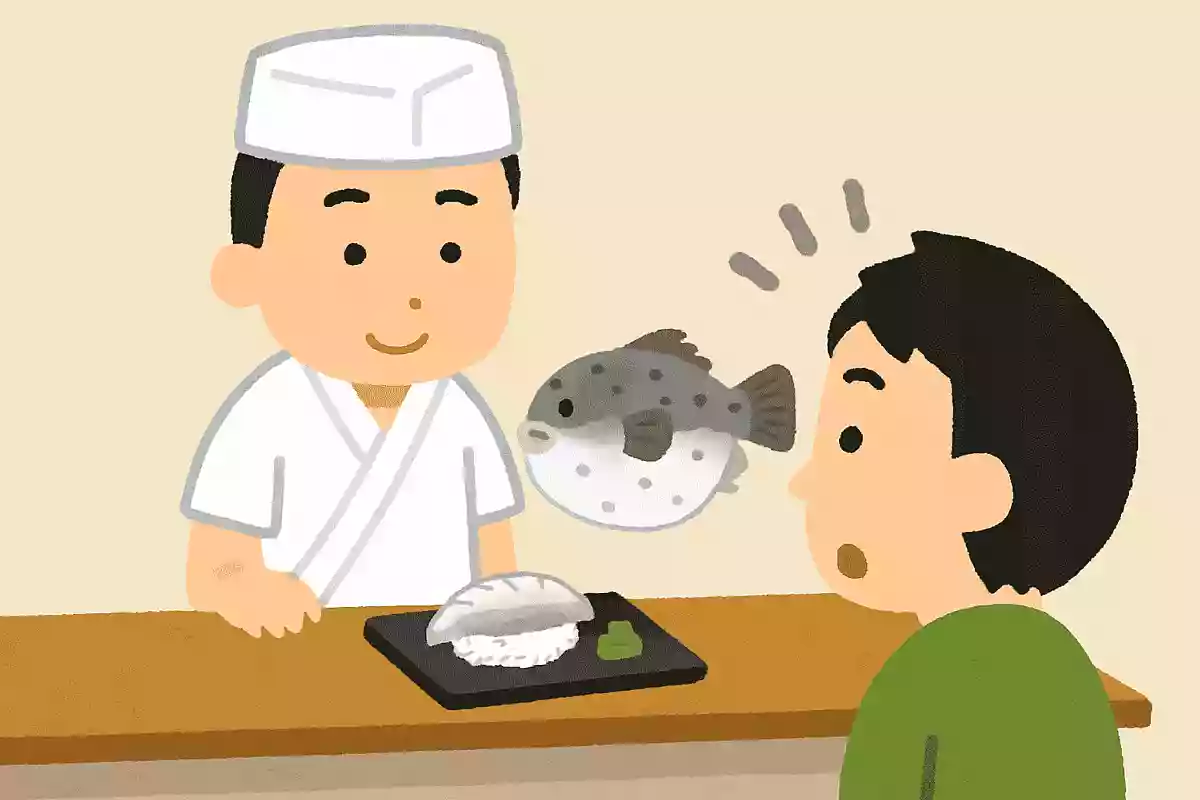
Even when it comes to sushi restaurants, prices can vary widely, and sometimes there are places where prices aren’t even listed.
Among all kinds of sushi, what is the one that’s always being asked about its price? Let’s think about wordplay, such as rephrasing and words with double meanings.
The hint lies in the name of an ingredient—if you start with the classics, you’ll quickly arrive at the answer.
The answer is “ikura” (salmon roe).
It’s a simple riddle based on the fact that when you ask the price in Japanese, you say “ikura?” (how much?).