

[For Seniors] Recommended and Exciting! Brain-Teaser Quiz Collection

How about using “tonchi quizzes” for recreational quiz activities?
“Tonchi” refers to quick-witted ideas that pop into your head on the spot.
One of the fun aspects is coming up with a clever answer to a given question that surprises everyone around you.
Let’s help older adults stimulate their brains with tonchi quizzes too!
Unlike riddles or standard quizzes, these encourage nimble, humorous answers that can really activate the brain.
If the flash of inspiration turns out to be correct, participants can also feel a sense of achievement and fulfillment.
- [For Seniors] Fun and Lively! Recommended Quiz Questions
- [For Seniors] Have Fun with Wordplay Characters! A Collection of Funny Puzzles
- [Riddle Quiz for Seniors] Brain Training Perfect for Mental Exercise
- [For Seniors] Laugh-Out-Loud, Crowd-Pleasing! Fun Quiz
- [For Seniors] Fun and Informative! Health Trivia Quiz
- [For Seniors] Fun! Let’s Get Excited with Japan’s Number One Quiz
- [For Seniors] Nostalgic quizzes that bring back memories! Showa-era entertainment and sports questions
- [For Seniors] Today’s recommended quiz. Daily brain-training quiz!
- [For Seniors] Fun Brain Training! A Collection of Tricky Quizzes You’ll Definitely Get Stumped By
- [For Seniors] Trivia Multiple-Choice Quiz
- [For Seniors] Challenging but Exciting! Kanji Quiz
- [Brain Training] Lively Word Quiz for Seniors
- [For Seniors] Find daily brain training. Today’s recommended brain workout.
[For Seniors] Recommended and Lively! Brain Teaser Quiz Collection (1–10)
What is something that has both a father and a mother, yet is said to have only one parent?

Despite having both a father and a mother, what is something that’s said to have only one parent? Hint: it’s not about actual parents; it’s something that can be called “father” and “mother.” You might not use those names much as an adult, but as a child you may have been more familiar with them.
The answer is “fingers and toes.” The thumb can be called the “father finger” and the index finger the “mother finger,” but in the proper names of the fingers there is only one “parent” finger: the thumb (oya-yubi, literally “parent finger”).

What animal is in the middle of Australia?
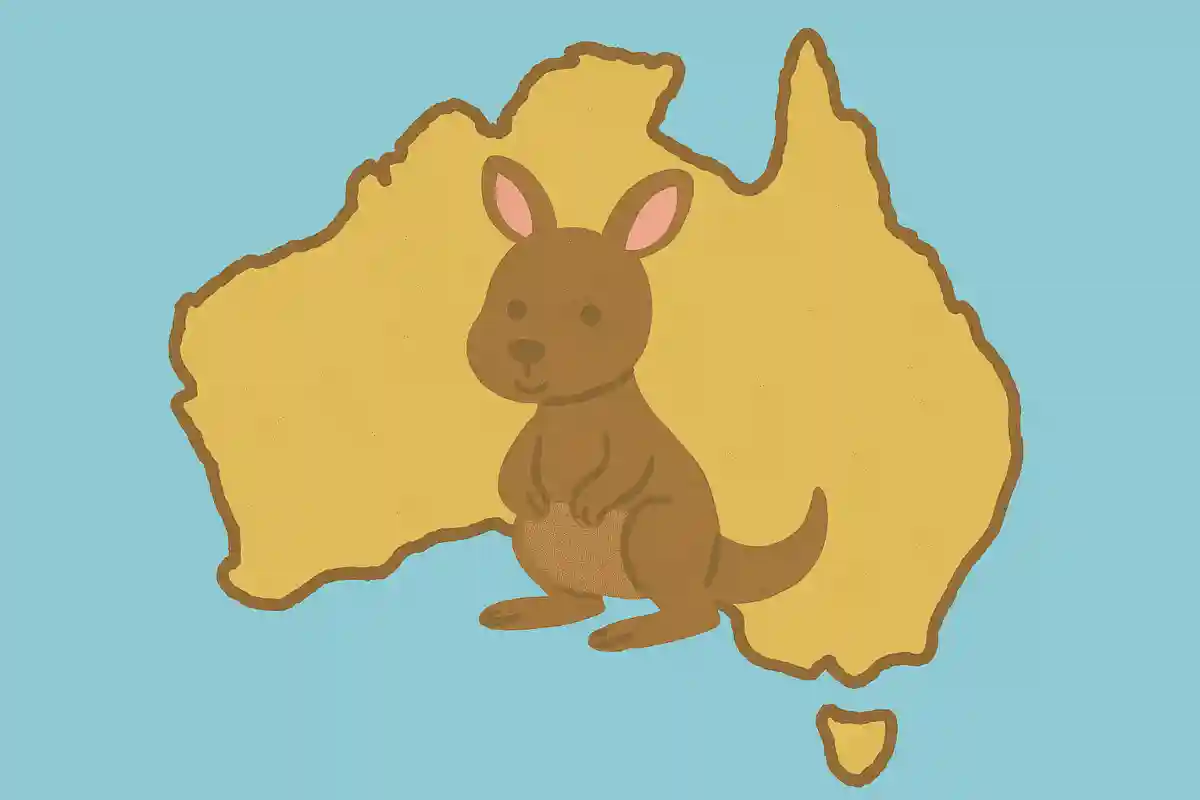
One of Australia’s charms is its vast natural environment, home to a wide variety of animals and endemic species.
So what kind of animal lives right in the middle of Australia? Here’s a hint: look at the order of the letters.
Even if you don’t know many animal names, simply studying the country’s name carefully should lead you to the answer.
The answer is “tiger” (tora in Japanese) — it’s a simple riddle where the word ‘tora’ is hidden inside the Japanese word for Australia (Ōsutoraria).
In reality, there are no tigers living in Australia, so the more knowledgeable you are about Australia, the more this puzzle might throw you off.
Among bamboo shoots, tadpoles, corn, and dragonfly nymphs, which one doesn’t belong?
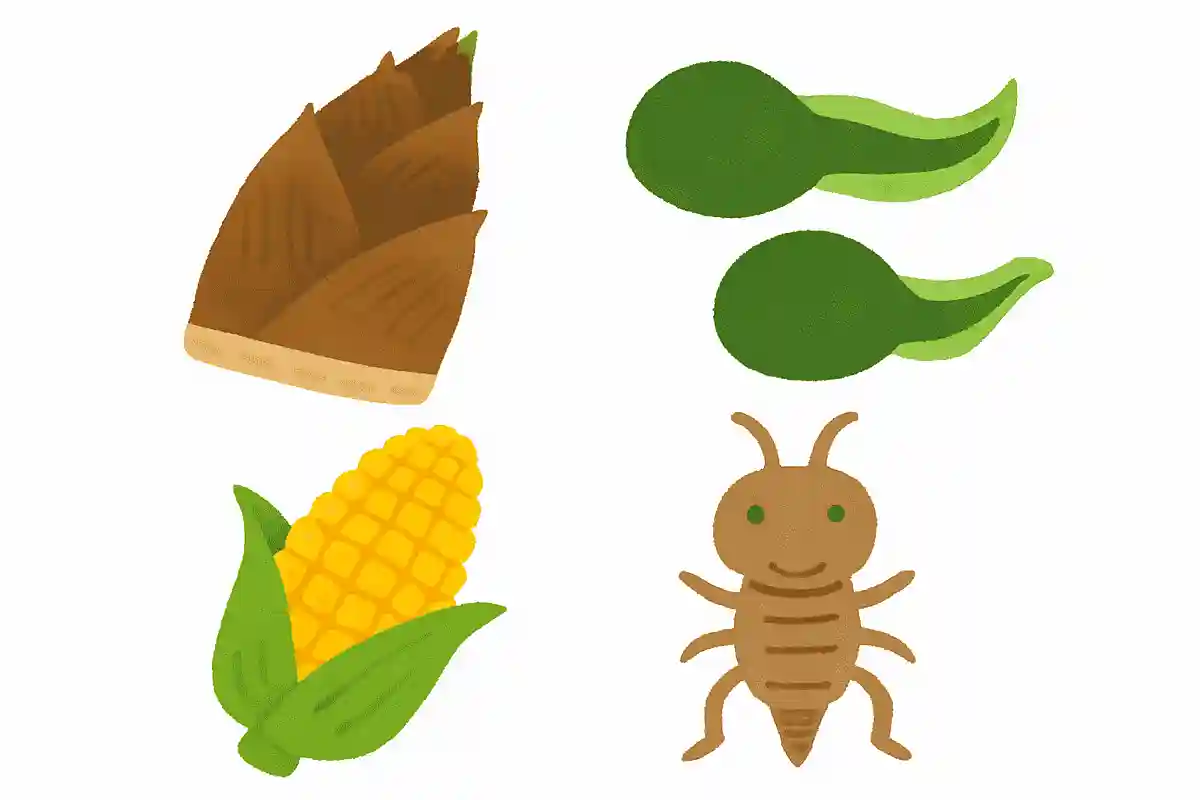
A slightly more challenging puzzle where you can’t find the answer just by picturing each item or comparing how they’re written! Among bamboo shoots, tadpoles, corn, and dragonfly nymphs, which one doesn’t belong? The answer is corn.
The odd-one-out point is whether the name changes as it grows! A bamboo shoot becomes bamboo, a tadpole becomes a frog, and a dragonfly nymph becomes a dragonfly.
If you solved this without a hint, it’s proof your regular brain training is really paying off! Looks like we need to level up our quizzes too!

[For Seniors] Recommended and Exciting! Riddle Quiz Collection (11–20)
Taxis stop when they find a passenger. But what is something that always stops a taxi yet never gets in? (Answer: A red traffic light.)

When a taxi finds a passenger, it stops so they can get in, right? And of course, the passenger stops the taxi to get a ride.
But what is something that stops a taxi even though no one is getting in? Here’s a hint: think not just about taxis, but about things that stop movement in general—things that make cars and people stop.
The answer is a traffic light.
When the light turns red, not only taxis but everyone has to come to a complete stop.
What is something that can be broken without being touched?
When people hear the word “yaburu” (to break/tear), they probably first imagine the act of destroying something, like holding a piece of paper and tearing it by hand.
But what is something strongly associated with the image of “breaking” by hand that can actually be done without using your hands? The hint is to think of phrases that use the expression “yaburu,” as in the sentence pattern “break/tear 〇〇.” The answer that comes to mind is “a promise.” In Japanese, the phrase “yakusoku o yaburu” means to break a promise—to not keep it.
What color is wonderfully beautiful yet invisible?
When people find something beautiful, things like color balance are important points, right? So what could be something that feels beautiful yet has an invisible color? You might first think of transparency since you can’t see a color, but transparency means the absence of color, so that’s not correct here.
Let’s consider forms of art—symbols of beauty—in which the word “color” is used to express beauty.
The answer is timbre, or “tone color,” which is used to describe the character of a sound.
The key is whether you can arrive at an art form conveyed through senses other than sight.
In a baseball game, all the players were crying. Why were they crying?
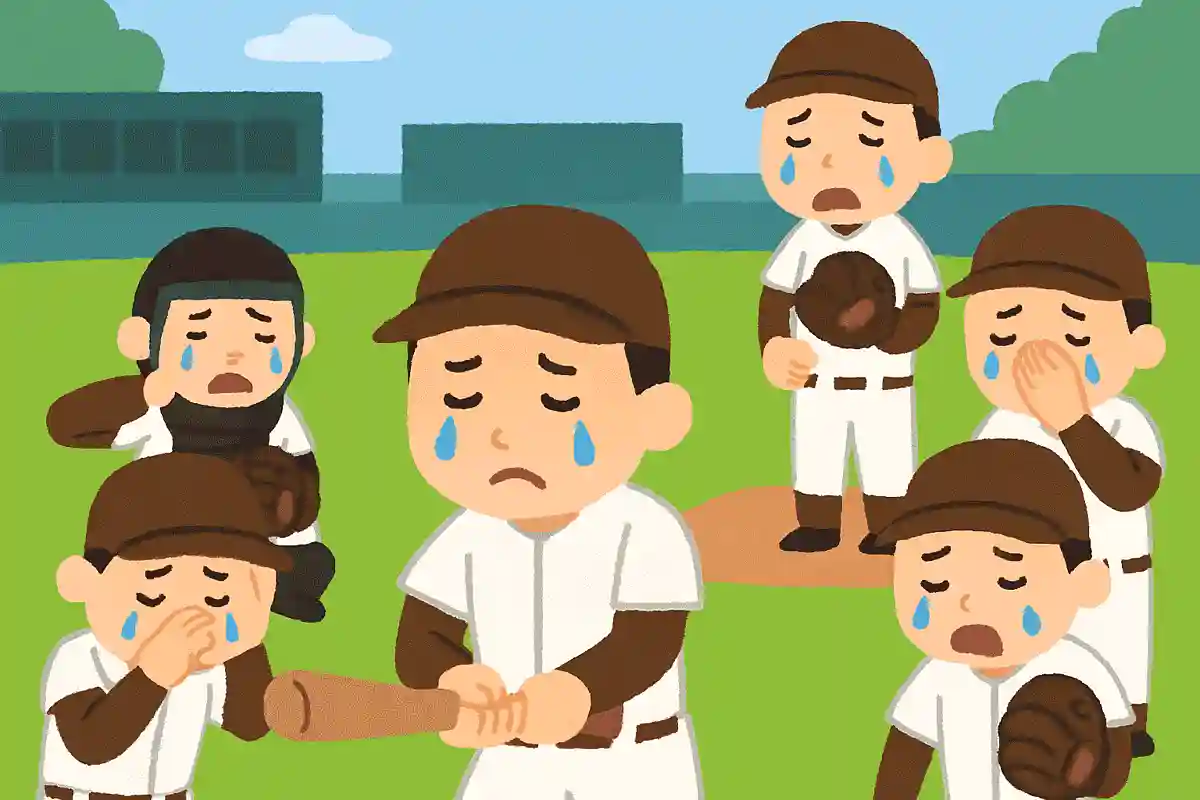
There are all kinds of dramas in sports games, and I imagine there are scenes where players shed tears.
So what kind of game would have all the baseball players crying? In reality, it’s almost impossible for everyone to be crying, so let’s think from baseball-related words.
The hint lies in the players’ situation and what words you associate with “crying.” The answer is: “Because it was a night game (nighter).” It’s a wordplay on “naita” (cried) and “nighter,” a game played at night.