

[For Seniors] Recommended and Exciting! Brain-Teaser Quiz Collection

How about using “tonchi quizzes” for recreational quiz activities?
“Tonchi” refers to quick-witted ideas that pop into your head on the spot.
One of the fun aspects is coming up with a clever answer to a given question that surprises everyone around you.
Let’s help older adults stimulate their brains with tonchi quizzes too!
Unlike riddles or standard quizzes, these encourage nimble, humorous answers that can really activate the brain.
If the flash of inspiration turns out to be correct, participants can also feel a sense of achievement and fulfillment.
- [For Seniors] Fun and Lively! Recommended Quiz Questions
- [For Seniors] Have Fun with Wordplay Characters! A Collection of Funny Puzzles
- [Riddle Quiz for Seniors] Brain Training Perfect for Mental Exercise
- [For Seniors] Laugh-Out-Loud, Crowd-Pleasing! Fun Quiz
- [For Seniors] Fun and Informative! Health Trivia Quiz
- [For Seniors] Fun! Let’s Get Excited with Japan’s Number One Quiz
- [For Seniors] Nostalgic quizzes that bring back memories! Showa-era entertainment and sports questions
- [For Seniors] Today’s recommended quiz. Daily brain-training quiz!
- [For Seniors] Fun Brain Training! A Collection of Tricky Quizzes You’ll Definitely Get Stumped By
- [For Seniors] Trivia Multiple-Choice Quiz
- [For Seniors] Challenging but Exciting! Kanji Quiz
- [Brain Training] Lively Word Quiz for Seniors
- [For Seniors] Find daily brain training. Today’s recommended brain workout.
[For Seniors] Recommended and Exciting! Brain Teaser Quiz Collection (21–30)
What is the restaurant inside the Space Shuttle?
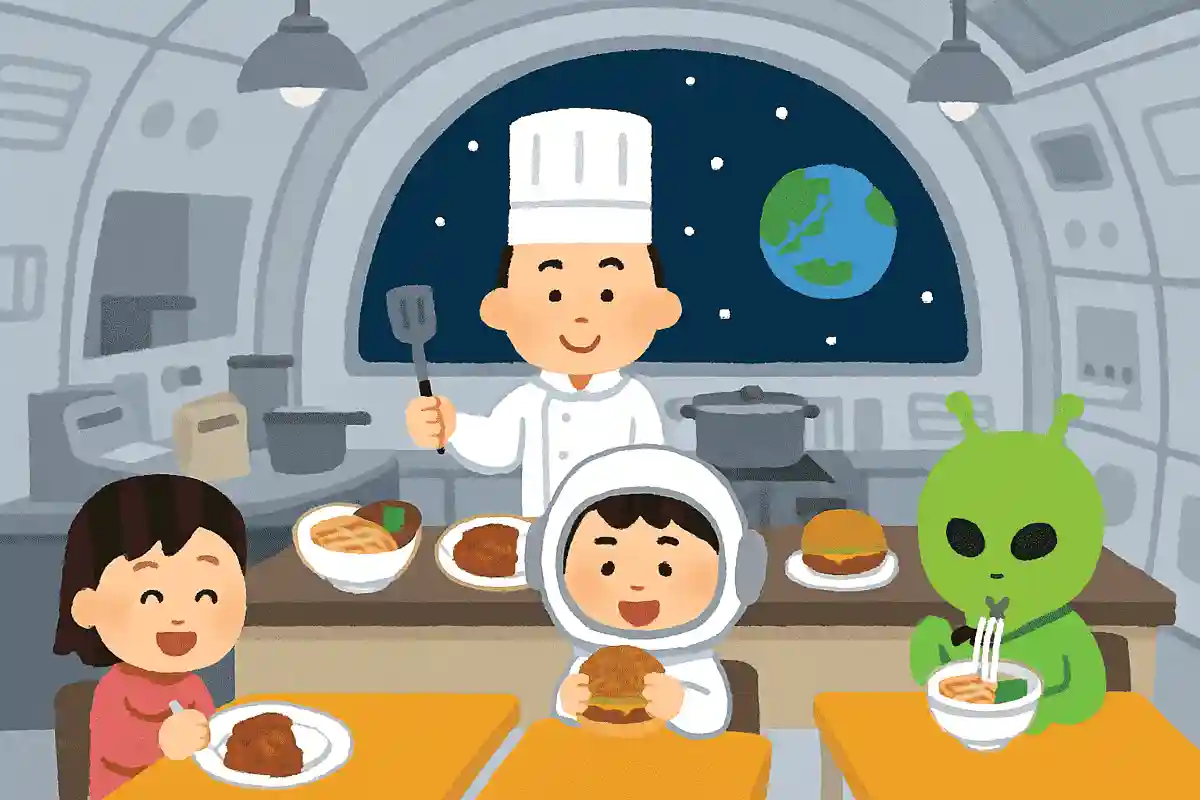
The space shuttle is a means of transportation for launching into space, and because strong forces are applied during liftoff, we tend to imagine you can’t really do anything.
So what does it mean when we talk about a restaurant inside such a space shuttle? In reality, even if there’s a time to eat, there wouldn’t be an actual restaurant on board, so let’s focus on the words here.
The answer is “a sushi restaurant.” It’s a simple wordplay puzzle: within the phrase “supeesu shatoru” (space shuttle), you can switch the sound “susha” to “sushiya” (sushi restaurant).

What drink does a turtle always carry on its back?
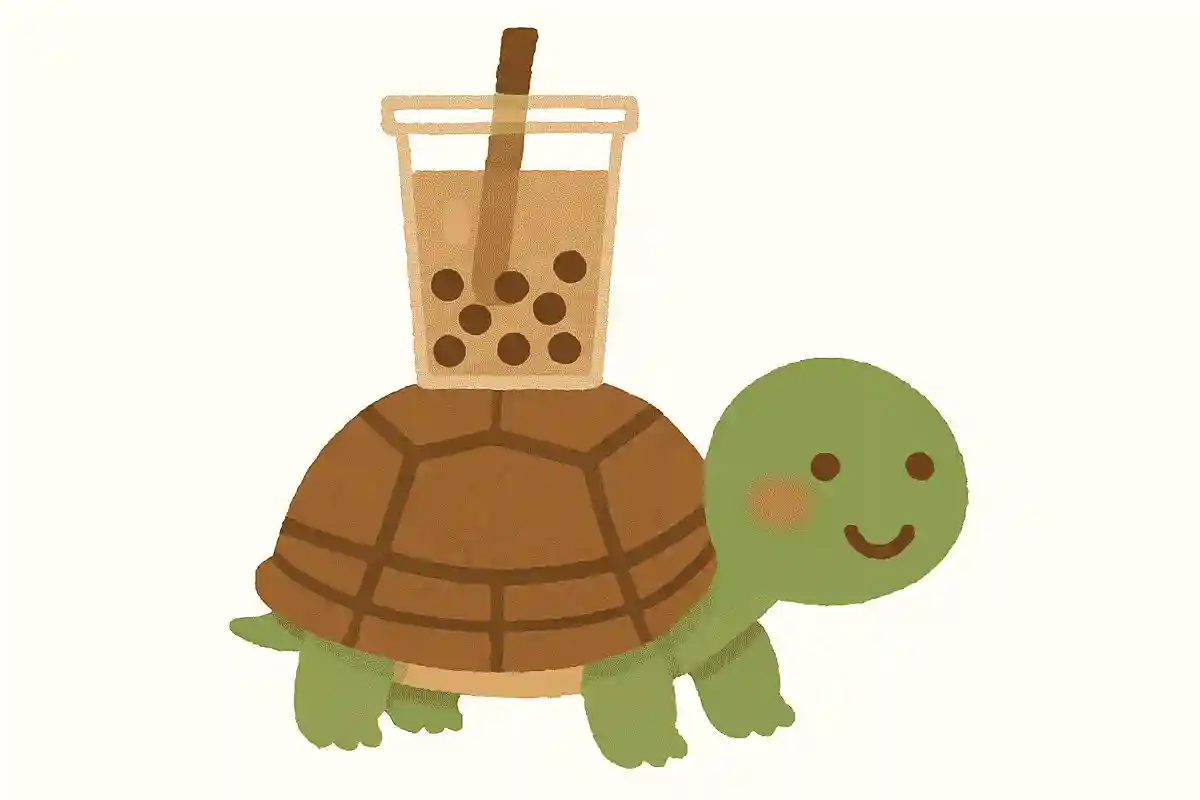
Everyone has their own preferences for food and drink, and some people might find themselves consuming the same things over and over in daily life.
Speaking of a strong attachment to food, what is the drink that comes to mind when you think of something a turtle is always carrying on its back? Some people might figure it out just from the phrase “what a turtle carries on its back.” The key is how you make the leap from that image to a drink.
The answer is cola.
In Japanese, the word for a turtle’s shell is “koura,” which sounds the same as “cola,” the drink.
What is something that feels good when you press it, but breaks when you drop it?
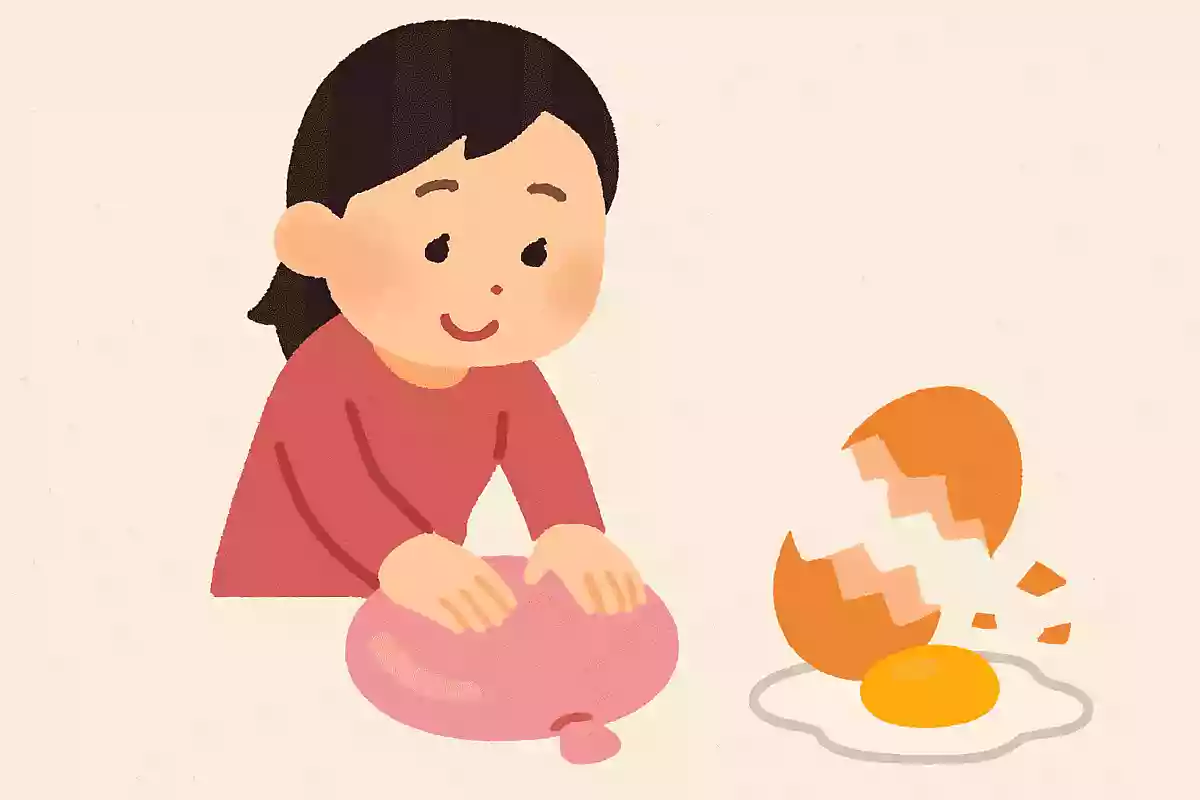
“Osu” (to press) and “otosu” (to drop) are words that sound similar, and in terms of how situations unfold, pressing something can lead to dropping it, so they feel related.
Now, imagine two actions that, despite their similarity, produce completely different situations: what is something that feels good when you press it, but breaks when you drop it? Try to picture objects from each outcome, then see if the idea can be applied to the other—this way, you can broaden your thinking.
The answer is ‘tsubo.’ In Japanese, tsubo can mean an acupressure point on the body, which feels good when pressed, and it can also mean a pot or jar, which breaks when dropped.
It’s a word with two meanings that fit the riddle.
What is something that parents have one of, but children have two of?
Parents, out of love, often end up putting their children first; even when dividing something, it’s common to see the child getting a larger share.
So what is something that evokes that parental love toward a child, where the parent has one and the child has two? With just this information it might be hard, but if you try counting one and two on your hand, some people might figure it out.
The answer is joints.
As you can see by looking at your hand, the thumb has one joint, while the little finger has two.
What has four legs and a back but no body?
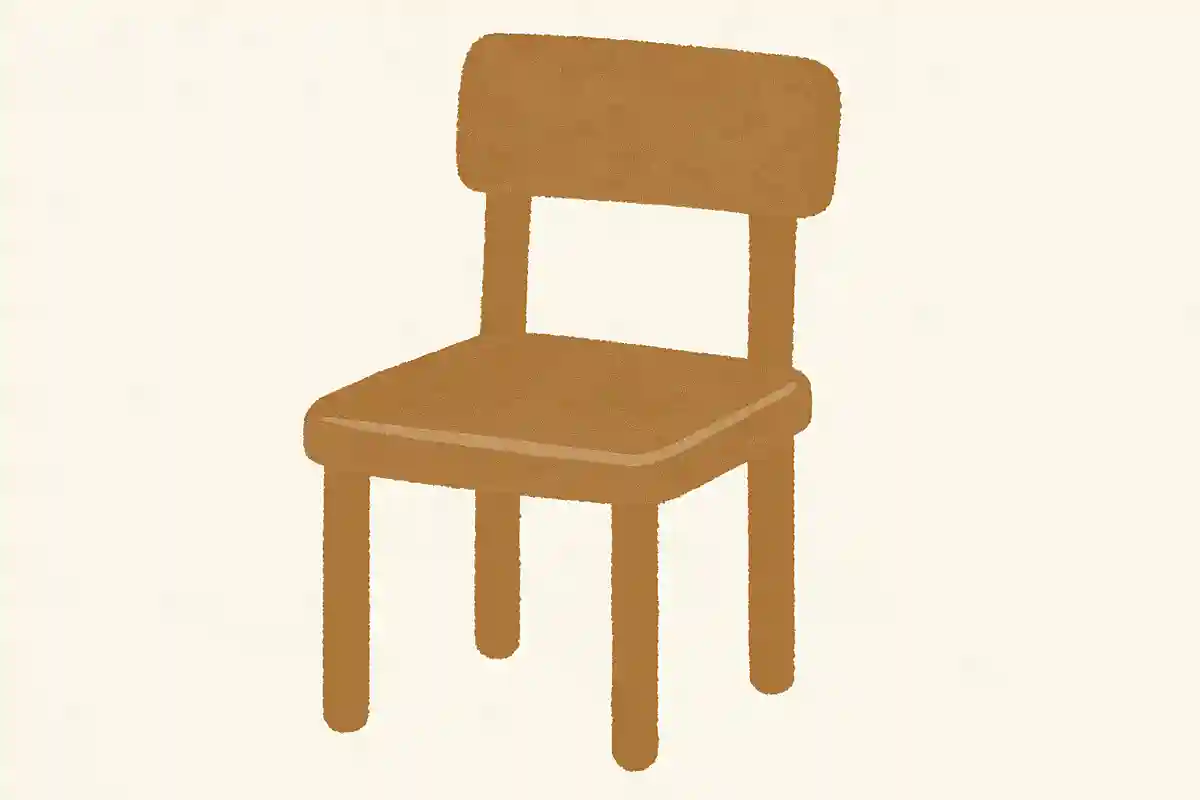
All around the world, many kinds of living creatures exist, and some have rather unusual body structures.
Thinking of such peculiar animals, what comes to mind if we say it has four legs and a back, yet no torso? Here’s a big hint: it isn’t an animal.
If you think of something that has parts called “legs” and a “back,” you might figure it out.
The answer is a chair.
A chair basically has legs, a back, and a seat, so it doesn’t have a part that could be called a torso.
What is the bird that, if it stops, causes trees to wither?
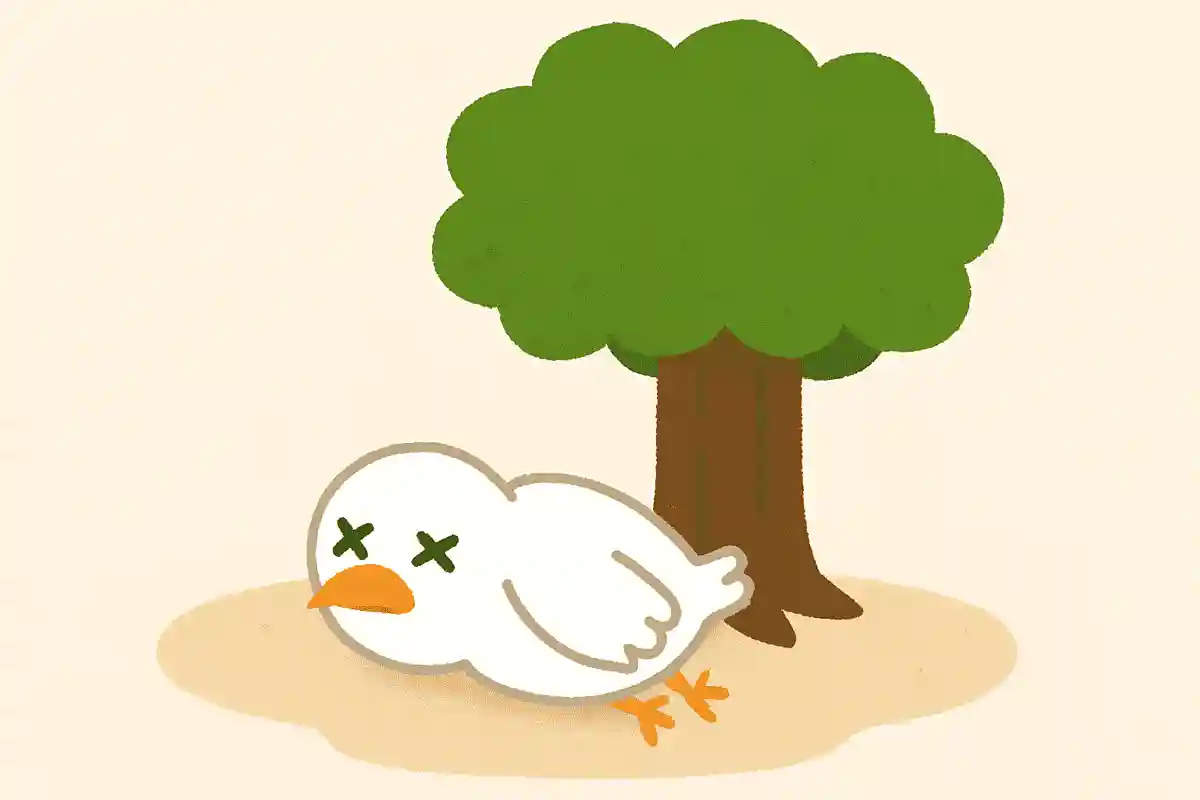
Birds in flight will, at some point, perch on trees.
They do so for various reasons—building nests, taking a rest—but they generally don’t affect the tree itself.
So it’s hard to imagine a normal situation where a bird perches and the tree withers.
What bird could that be? The effect on the tree sounds so extreme you might picture some unknown species, but focus on the wordplay here.
Start by thinking of familiar birds.
The answer is the crow (karasu in Japanese).
It’s a pun: a bird that makes a tree wither (karasu) when it perches—therefore, karasu, the crow.
What fruit do people say they “have no business” with?
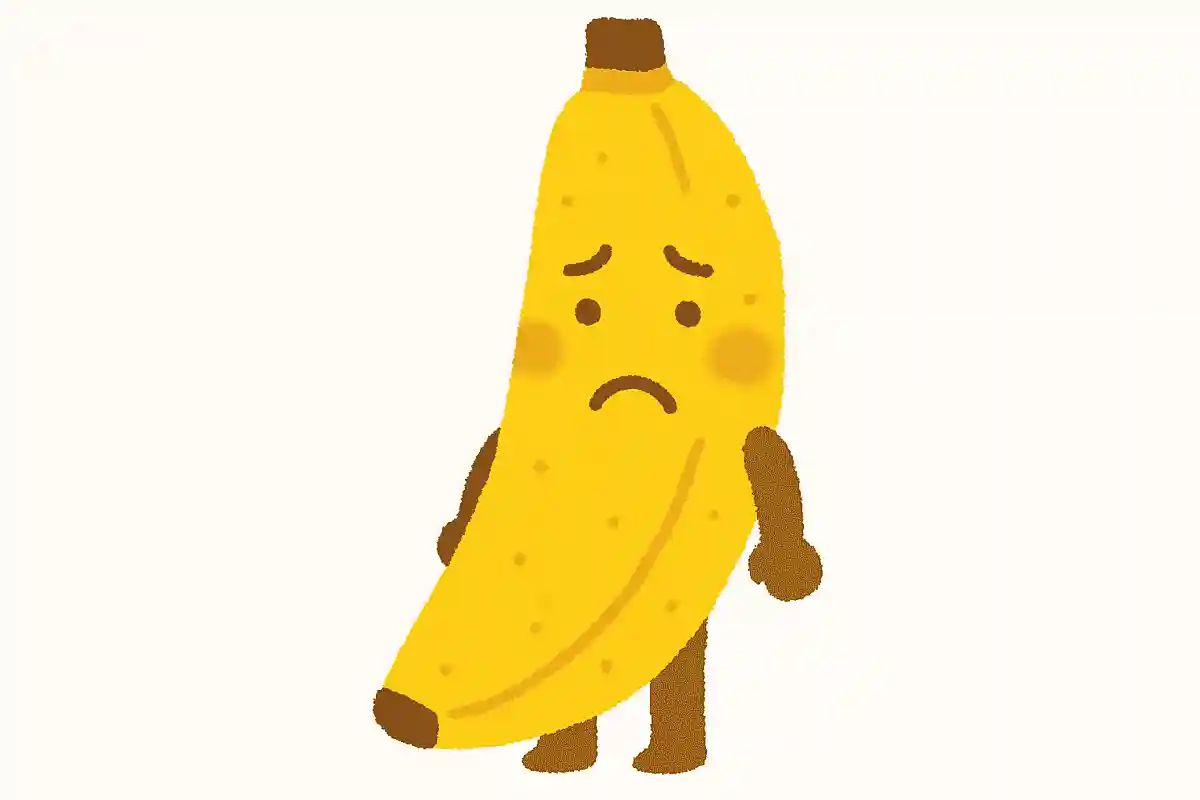
Even if you want to be helpful to someone, it doesn’t necessarily mean there’s something for you to do.
In times like that, what fruit keeps getting told a phrase that could be hurtful: “there’s nothing for you to do”? Rather than taking the words literally and thinking of a fruit that’s useless, start by considering how to rephrase “there’s nothing to do.” The answer is “pear” (yōnashi).
In Japanese, “yō ga nai” means “there’s no use/need,” which sounds like “yōnashi” (useless), and that homophone can be swapped with “yōnashi” (Western pear).