

[For Seniors] Recommended and Exciting! Brain-Teaser Quiz Collection

How about using “tonchi quizzes” for recreational quiz activities?
“Tonchi” refers to quick-witted ideas that pop into your head on the spot.
One of the fun aspects is coming up with a clever answer to a given question that surprises everyone around you.
Let’s help older adults stimulate their brains with tonchi quizzes too!
Unlike riddles or standard quizzes, these encourage nimble, humorous answers that can really activate the brain.
If the flash of inspiration turns out to be correct, participants can also feel a sense of achievement and fulfillment.
- [For Seniors] Fun and Lively! Recommended Quiz Questions
- [For Seniors] Have Fun with Wordplay Characters! A Collection of Funny Puzzles
- [Riddle Quiz for Seniors] Brain Training Perfect for Mental Exercise
- [For Seniors] Laugh-Out-Loud, Crowd-Pleasing! Fun Quiz
- [For Seniors] Fun and Informative! Health Trivia Quiz
- [For Seniors] Fun! Let’s Get Excited with Japan’s Number One Quiz
- [For Seniors] Nostalgic quizzes that bring back memories! Showa-era entertainment and sports questions
- [For Seniors] Today’s recommended quiz. Daily brain-training quiz!
- [For Seniors] Fun Brain Training! A Collection of Tricky Quizzes You’ll Definitely Get Stumped By
- [For Seniors] Trivia Multiple-Choice Quiz
- [For Seniors] Challenging but Exciting! Kanji Quiz
- [Brain Training] Lively Word Quiz for Seniors
- [For Seniors] Find daily brain training. Today’s recommended brain workout.
[For Seniors] Recommended and Exciting! Riddle Quiz Collection (11–20)
There is a company developing a certain juice. What flavor is this juice, which is not yet finished?

Not just for beverages, developing something takes an endless amount of time and effort, doesn’t it? This puzzle asks about the flavor of an unfinished juice, evoking the struggles of development.
The hint is wordplay: if you think of different ways to say “unfinished,” you’ll reach the answer.
If you can’t think of a synonym for “unfinished,” try starting from classic juice flavors.
The answer is “mikan” (mandarin orange).
鍵は、「unfinished」を「未完(mikan)」と言い換えられると気づくことにあります。これは果物の「みかん(mikan)」と同じ発音です。

Brain Teasers: Riddle Quiz

The “Brain Gym Riddle Quiz” that sparks inspiration is a wordplay game that’s fun to think through.
Each prompt has a little twist, so the answer won’t always come to you right away.
By shifting your perspective—looking at the order or appearance of words, or everyday events—you’re nudged closer to the solution.
Part of the charm is how the puzzles can make you go “aha!” or even laugh.
Since it’s about creativity rather than knowledge, anyone can join in casually, and the time spent thinking becomes a pleasantly stimulating experience.
It’s a brain-training game that gently loosens up your mind while you enjoy yourself, and it’s especially recommended for older adults.

What is the fish that has five holes?

This time, I’d like to introduce a riddle about fish.
What fish has five holes? If you slowly read the question out loud, you might figure out the answer.
The answer is hidden in the question, so don’t give up and think it through! The answer is “anago” (conger eel).
The phrase “five holes” (ana ga go) contains the answer! Anago is a type of marine fish in the eel family, and it’s a familiar ingredient in Japanese cuisine.
It’s also highly nutritious, so it’s a great food to include in your diet!
What kind of car can you only ride if there are two of you?
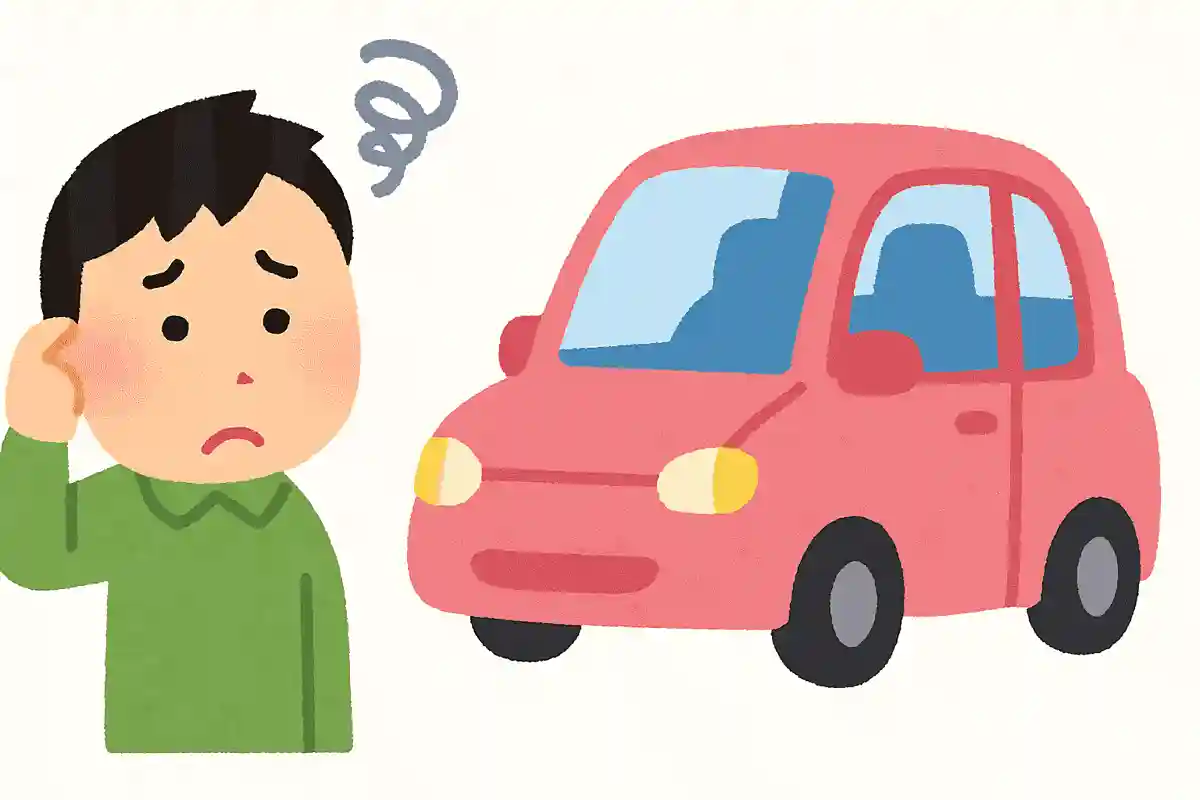
Whether or not you give someone a ride in a car depends on how you use it, but either way, there’s only one driver, right? So what kind of “car” is completely different from the usual image of a car—one that can’t exist without two people? Sometimes there can be more than two, but it’s basically two, and if you think of it as a pair of an adult and a child, some people might figure it out.
The answer is a shoulder ride: it only works when there’s someone supporting and someone riding—something many people have experienced.
What fruit appears when you ring the bell five times?
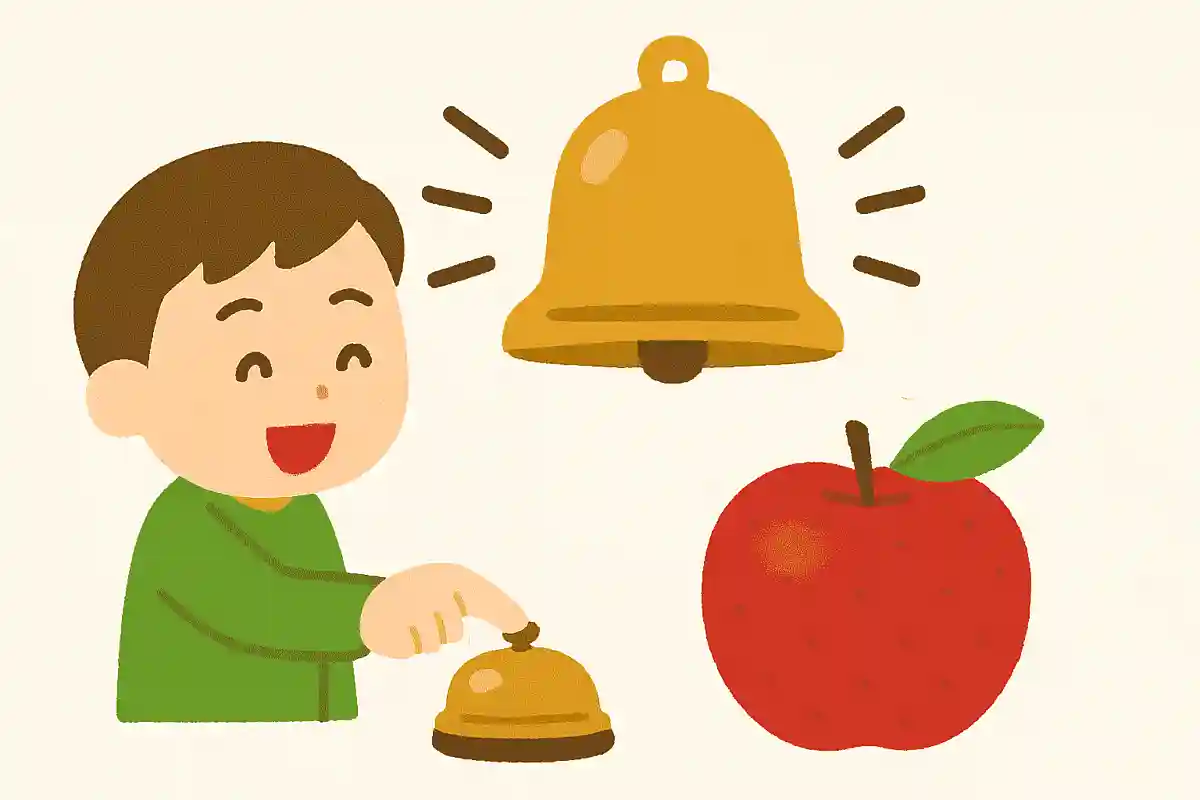
Here’s a simple riddle about fruit.
What fruit appears when you ring a bell five times? If you think of a common fruit, you might figure it out.
Hint: Try expressing the sound of a bell as onomatopoeia, and you’ll get closer to the answer! The correct answer is “apple.” The key is the bell going “rin-rin” and the number “five” in Japanese.
Apples are familiar to many people—not only can you eat them as they are, but you can also enjoy them as juice, jam, pie, jelly, and more.
What is something that moves vertically when things are good, and horizontally when things are bad?

The quality of a condition—good or bad—can apply to anything, and observing movement can help assess that state.
So what is something whose speed or smoothness doesn’t change, but when things are good it moves vertically, and when things are bad it moves horizontally? If you try to mimic the movements with your body, you might think of the answer.
The answer is the neck or head: when things are good or in agreement, we nod up and down, and when things are not good or in refusal, we shake our head side to side to say no.
[For Seniors] Recommended and Exciting! Brain Teaser Quiz Collection (21–30)
Which country turned animals upside down?
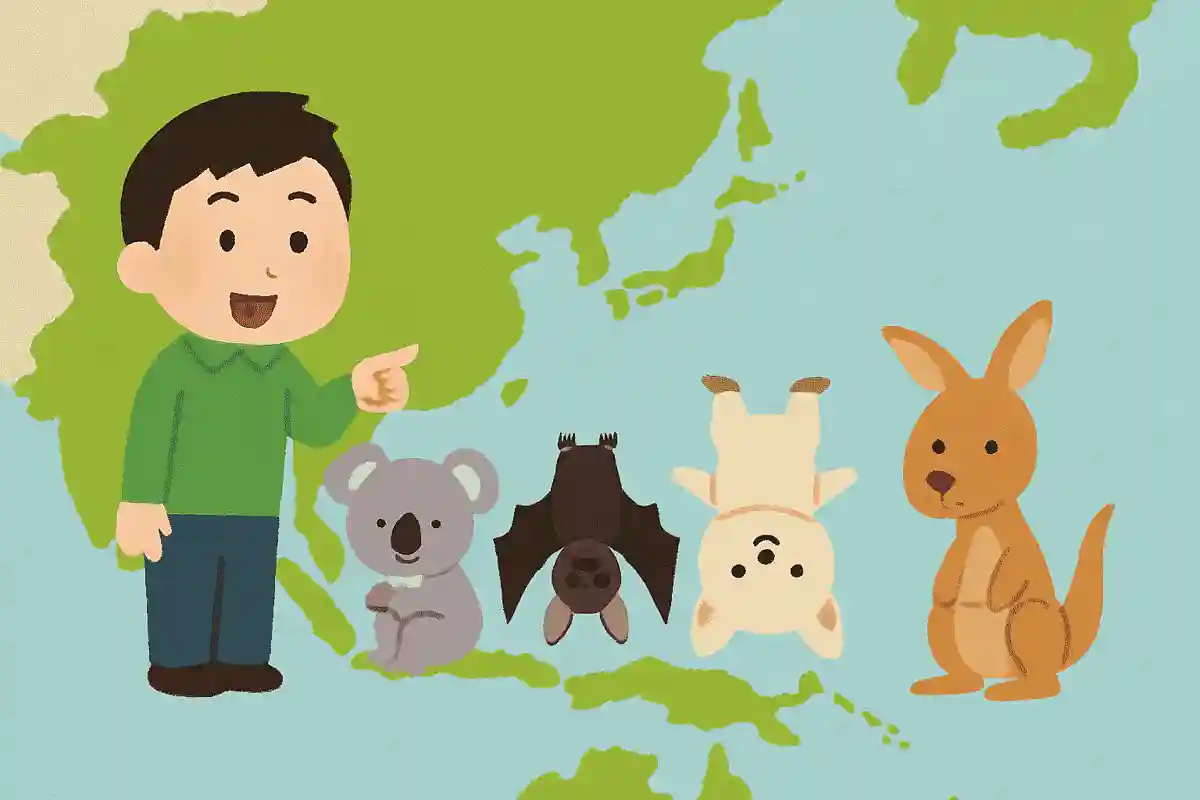
There are many kinds of animals around the world; not only their names, but also their appearances and ways of living come in all sorts of patterns, right? So what does a “country that’s animals turned upside down” refer to? It’s not about a specific animal, but animals in general—thinking in terms of wordplay might be a big hint.
The answer is Romania: if you render “animal” in English as “animal,” then reverse it and add a long vowel mark, you get something that sounds like “Romania.”