

[For Seniors] Recommended and Exciting! Brain-Teaser Quiz Collection

How about using “tonchi quizzes” for recreational quiz activities?
“Tonchi” refers to quick-witted ideas that pop into your head on the spot.
One of the fun aspects is coming up with a clever answer to a given question that surprises everyone around you.
Let’s help older adults stimulate their brains with tonchi quizzes too!
Unlike riddles or standard quizzes, these encourage nimble, humorous answers that can really activate the brain.
If the flash of inspiration turns out to be correct, participants can also feel a sense of achievement and fulfillment.
- [For Seniors] Fun and Lively! Recommended Quiz Questions
- [For Seniors] Have Fun with Wordplay Characters! A Collection of Funny Puzzles
- [Riddle Quiz for Seniors] Brain Training Perfect for Mental Exercise
- [For Seniors] Laugh-Out-Loud, Crowd-Pleasing! Fun Quiz
- [For Seniors] Fun and Informative! Health Trivia Quiz
- [For Seniors] Fun! Let’s Get Excited with Japan’s Number One Quiz
- [For Seniors] Nostalgic quizzes that bring back memories! Showa-era entertainment and sports questions
- [For Seniors] Today’s recommended quiz. Daily brain-training quiz!
- [For Seniors] Fun Brain Training! A Collection of Tricky Quizzes You’ll Definitely Get Stumped By
- [For Seniors] Trivia Multiple-Choice Quiz
- [For Seniors] Challenging but Exciting! Kanji Quiz
- [Brain Training] Lively Word Quiz for Seniors
- [For Seniors] Find daily brain training. Today’s recommended brain workout.
[For Seniors] Recommended and Exciting! Brain Teaser Quiz Collection (21–30)
Where is the scariest place in the house?
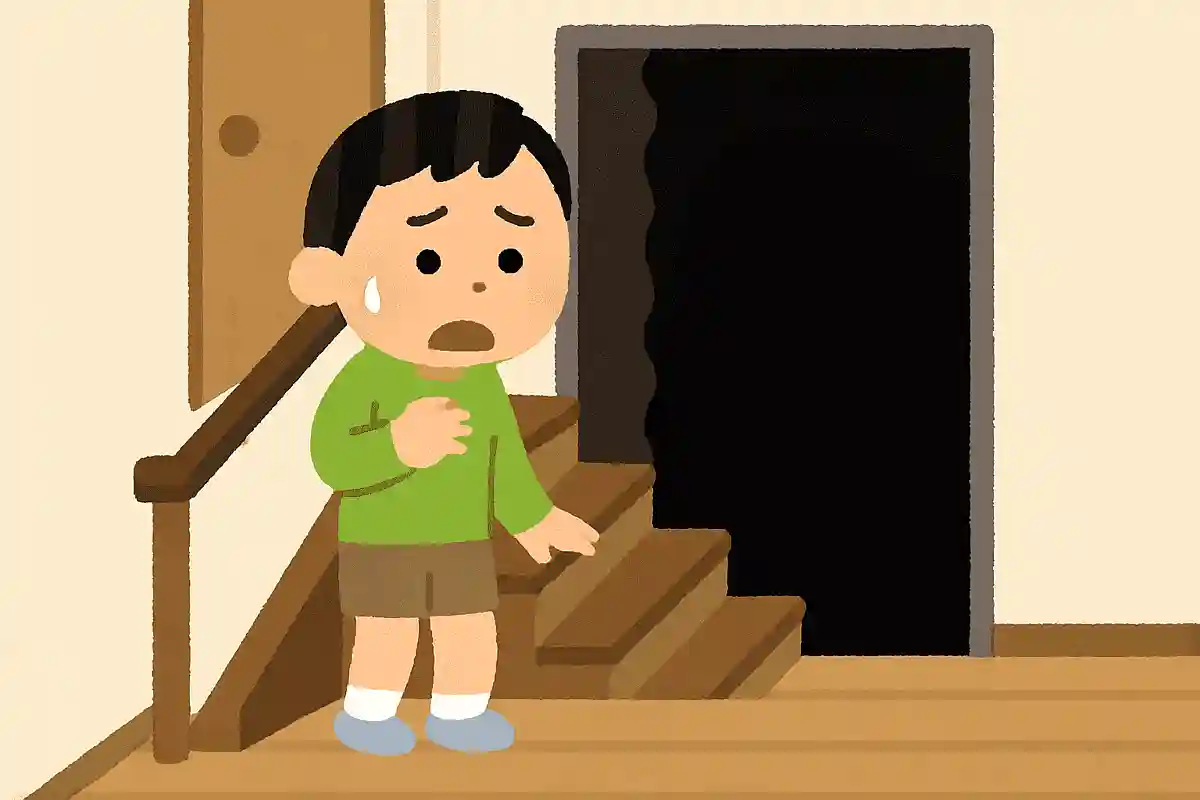
What people find scary varies from person to person, and sometimes you might feel fear toward something that those around you don’t understand.
Speaking of such fear-related questions: what is the place inside a house where you feel the most fear? The key is to think in terms of rephrasing words—imagine places in a house and consider alternative meanings from their names.
The answer is the stairs.
This comes from the wordplay with “kaidan,” which means both “stairs” and “ghost stories” in Japanese, leading to the idea of a scary place in the house.

Which way is the window facing that the burglar will come in through?
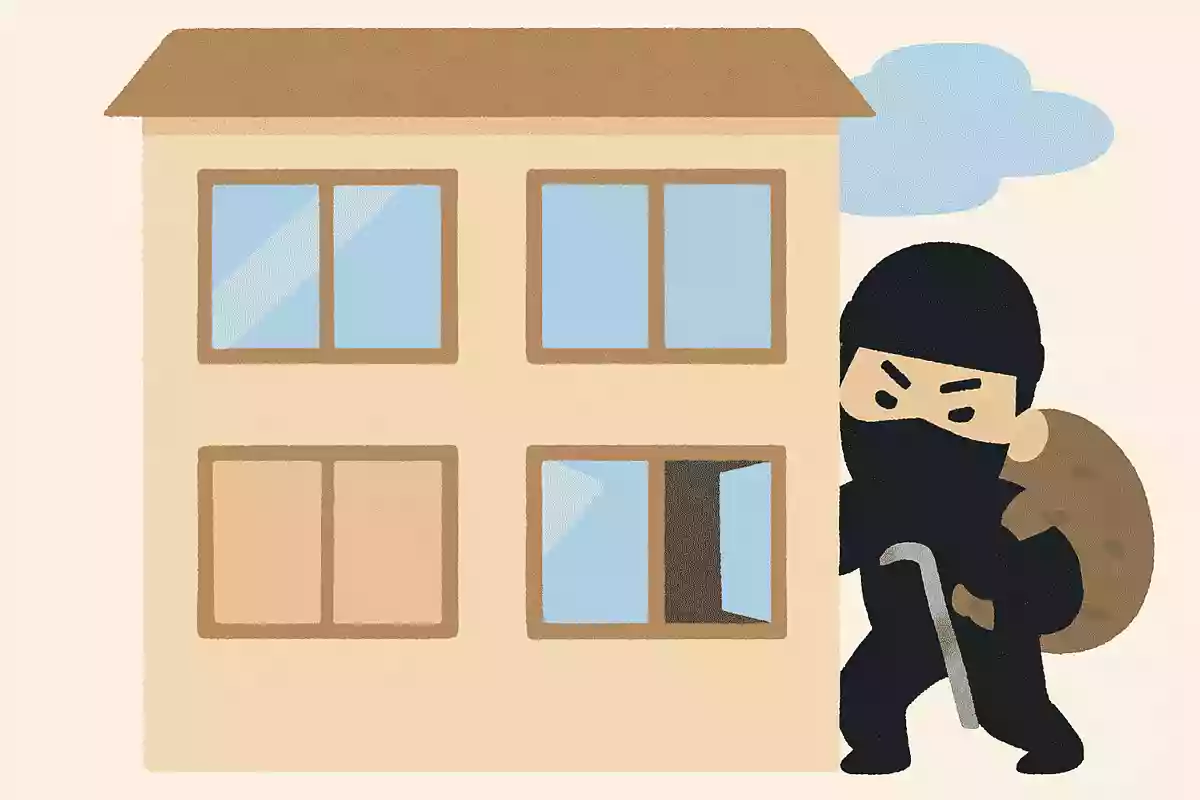
A thief is a villain that anyone might encounter, so it’s important to prepare your security just in case.
Now, if a thief were to break in, which direction would the window they enter be facing? This is a wordplay quiz that expands on the wording, so don’t think about the structure of the house—focus on rephrasing based on the thief’s actions.
The correct answer is “southeast.” Since a thief commits “theft” (tōnan in Japanese), you can rephrase “tōnan” (theft) as “tōnan” (southeast).
Of course, this is not useful for actual crime prevention, so keep that in mind.
[For Seniors] Recommended and Lively! Brain-Teaser Quiz Collection (31–40)
What is the feature attached to the vase that has a special function?
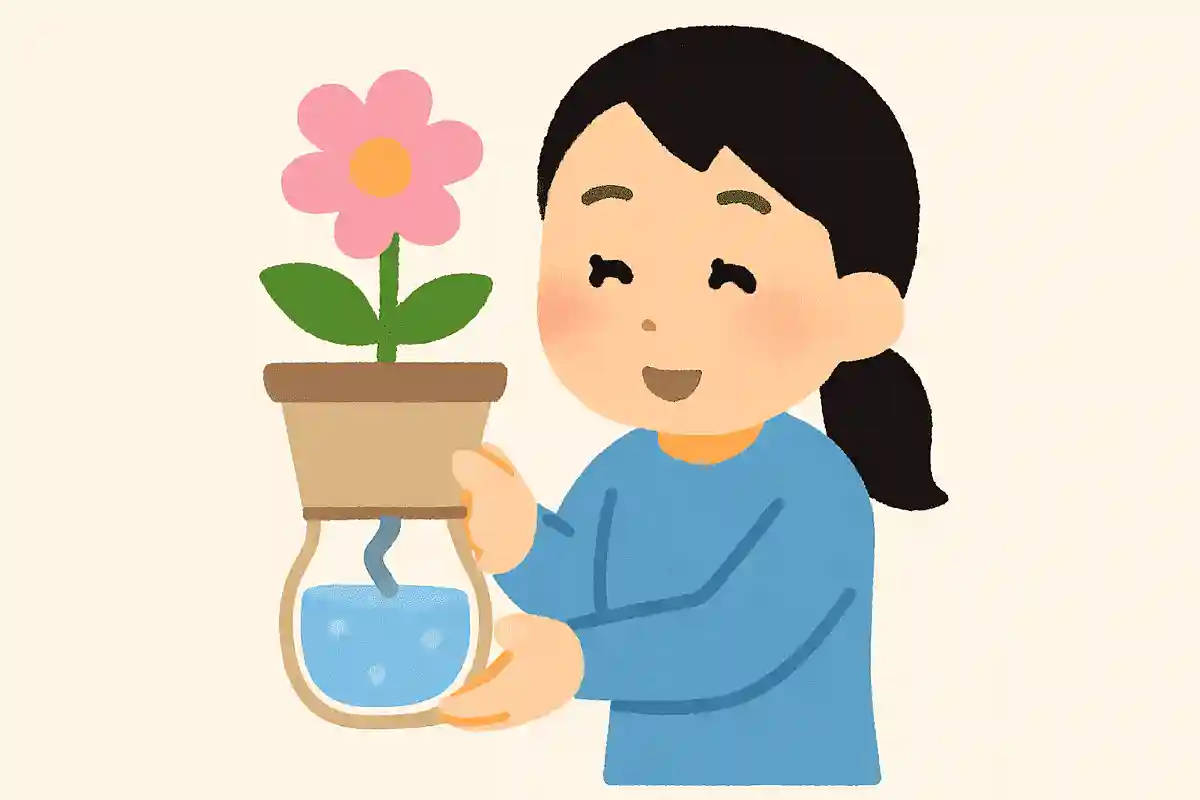
A vase used to display flowers indoors lets you bring the beauty of the seasons into everyday life.
So what hidden special feature might such a vase have? There are many kinds of vases with different materials and looks, but rather than focusing on that, let’s think from the Japanese word “kabin” (vase).
It’s recommended to pay attention to how it can be rephrased and how it’s pronounced with different intonation.
答えは防カビ機能です。花瓶(kabin, vase)を「カビん」(kabi-n)と言い換えることで、「カビない」(kabi-nai, won’t get moldy)という意味合いになります。
It’s a pun-based way of thinking from the word itself.
What is something that would trouble you if someone at a shop said, “I’ll give it to you”?
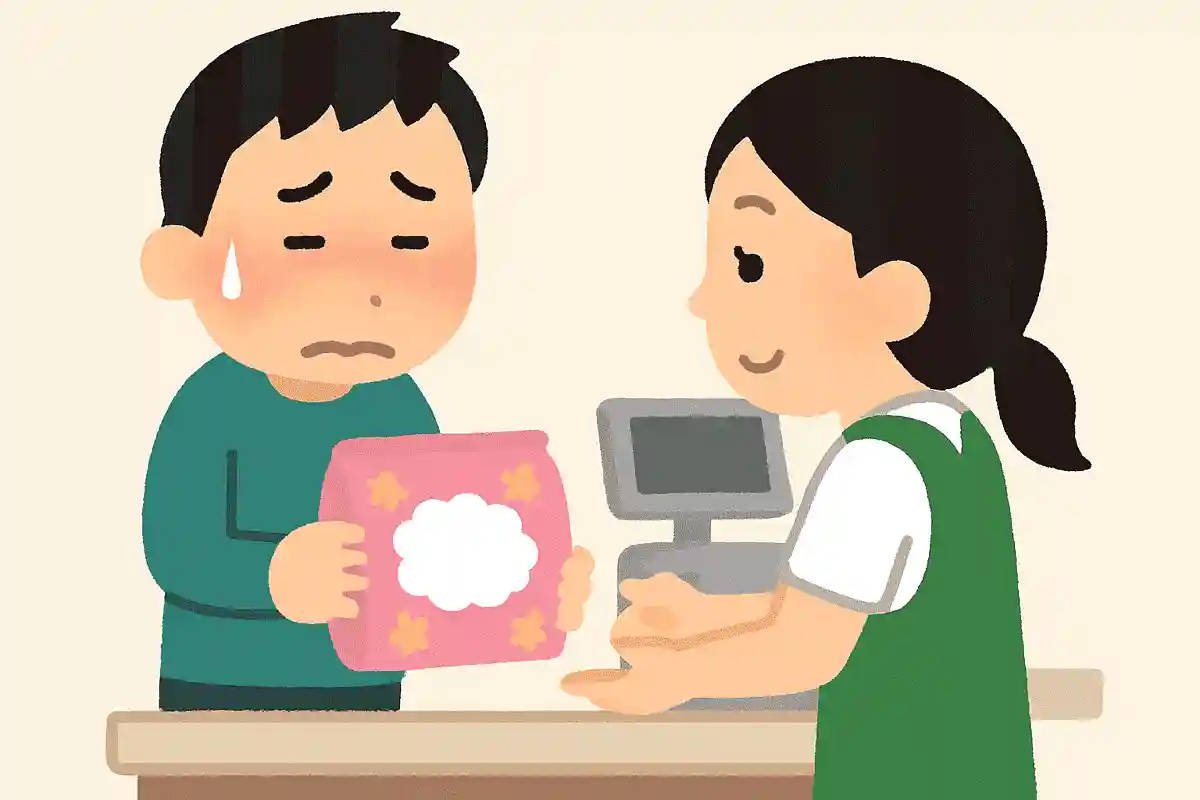
We feel happy when someone says they’re going to give us something—like a gift for an anniversary or an unexpected treat.
But there’s a kind of “give” that, when said in a store, would trouble us and doesn’t fit that happy image.
Since stores are based on shopping and you don’t get things for free, let’s think of a store-related meaning that matches “to raise.” The answer is the price.
This is the one thing that makes us happier when it’s lowered rather than raised—so hearing it will be “raised” is unwelcome, isn’t it?
What is something whose number of eyes increases or decreases when it moves?
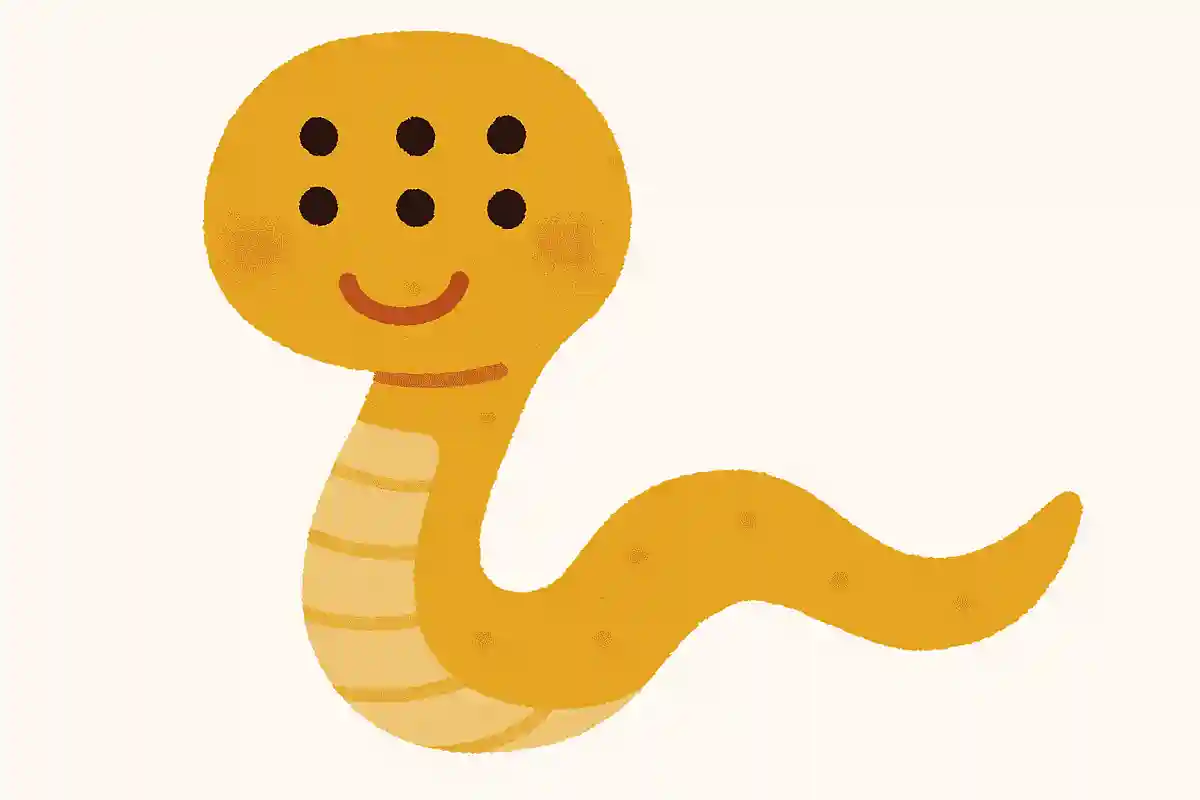
Just as humans have two eyes, most animals also have two eyes, and even when that’s not the case, the number doesn’t change.
So what is something whose number of eyes increases or decreases when it moves, which is hard to imagine from a normal body structure? The key is what the word “eye” refers to—let’s think about whether there’s anything else called an eye besides the body part used for seeing.
The answer is a die (dice).
Based on the numbers one through six, the idea is that when you roll and move the die, the number of pips—‘eyes’—changes.
In conclusion
It was a “tonchi quiz” that was fun to answer by focusing and solving problems! The answers are uniquely imaginative, so learning the solutions will make you go “I see!” and liven things up. It can also spark conversations with others and help promote communication. By all means, use the “tonchi quiz” as a reference and put it to good use.