

![[For Seniors] Laugh-Out-Loud, Crowd-Pleasing! Fun Quiz](https://media.ragnet.co.jp/img/1200__png__https://www.studiorag.com/files/2025/04/5968bb0a8f7d8a08d25c1d1ce0dcfb39.webp)
[For Seniors] Laugh-Out-Loud, Crowd-Pleasing! Fun Quiz


Quick wits matter! We bring you laugh-out-loud brain teasers and riddles that make you blurt out “Ahh!” or “I see!” the moment you get the answer or someone tells you the correct one.
There are plenty of riddles that are friendly and familiar for seniors, too.
If the answer doesn’t come easily, try thinking it through with the people around you, or offer small hints to guide everyone toward the solution.
Those “almost got it, but not quite” questions give your brain a great workout.
Enjoy a delightful time that brings a little chuckle and a smile the moment the answer clicks.
Riddles, Brain Teasers, and Fun Questions (1–10)
What is the fish that appears once a year and is found neither in the sea nor in rivers?
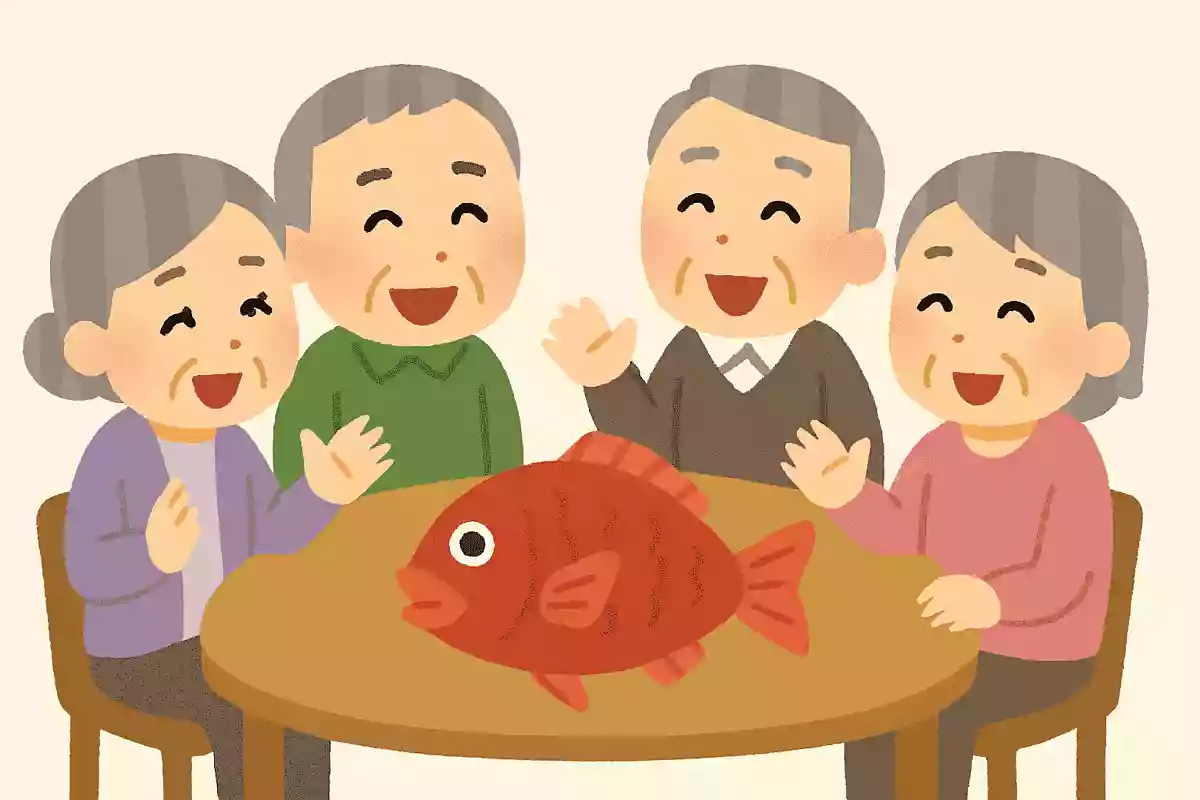
There are many kinds of fish in the world, and some move in search of environments where they can live comfortably.
Some can only be seen during certain times of the year.
You might think we’re talking about a fish with a habit of appearing just once a year—but which fish also has the peculiar trait of being found neither in the sea nor in rivers? If it’s not in the sea or a river, what kind of place does that make you imagine? Combine that with the “once a year” clue to figure out the answer.
The correct answer is the koinobori—carp streamers you only see once a year, on Children’s Day (May 5), the fish that “swim” in the sky.

What is the “comb” that grows out of the ground in spring?
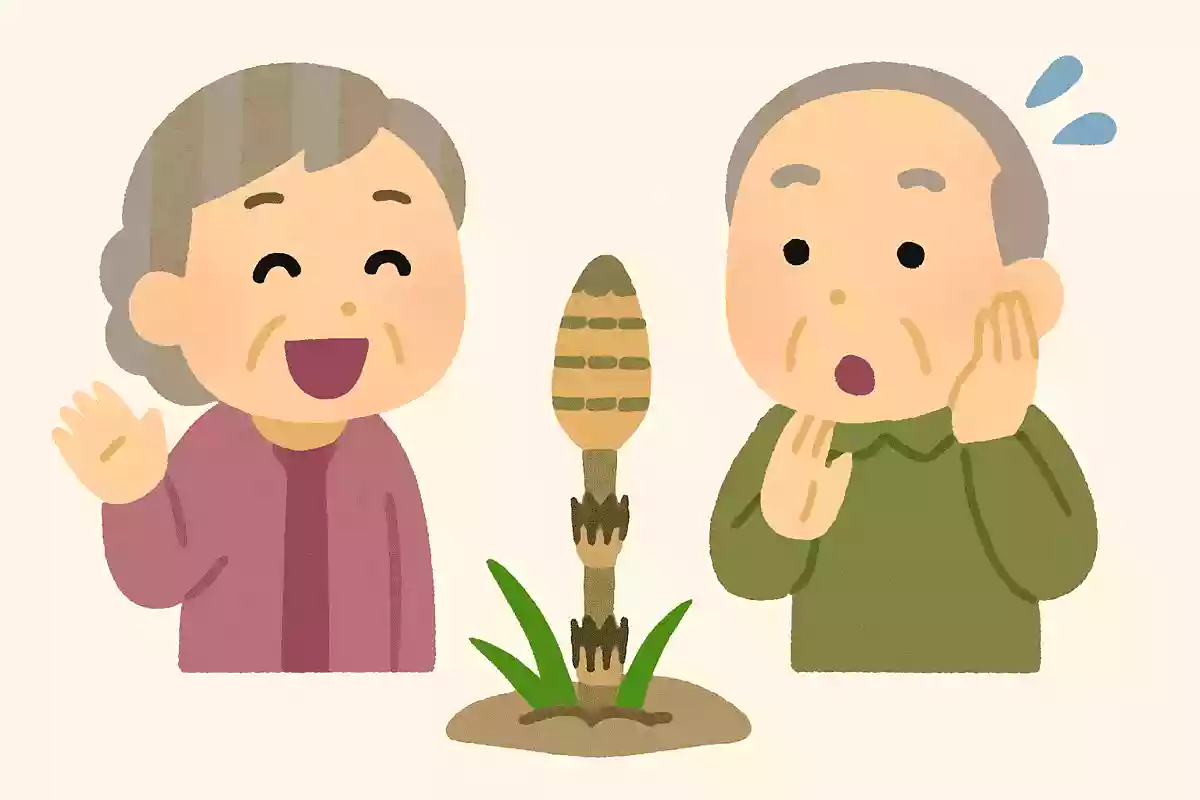
We use various combs in daily life—combs for grooming hair and combs used mainly for food.
Among such combs, which one “sprouts from the ground” in spring? Since it appears in the season of spring, this riddle also tests how vividly you can picture spring and how many spring icons you can think of.
The answer is horsetail (tsukushi).
Its subdued color makes it easy to overlook, but it’s an essential plant of spring.
What is something you can’t write with your hands, but you can put on with your feet?
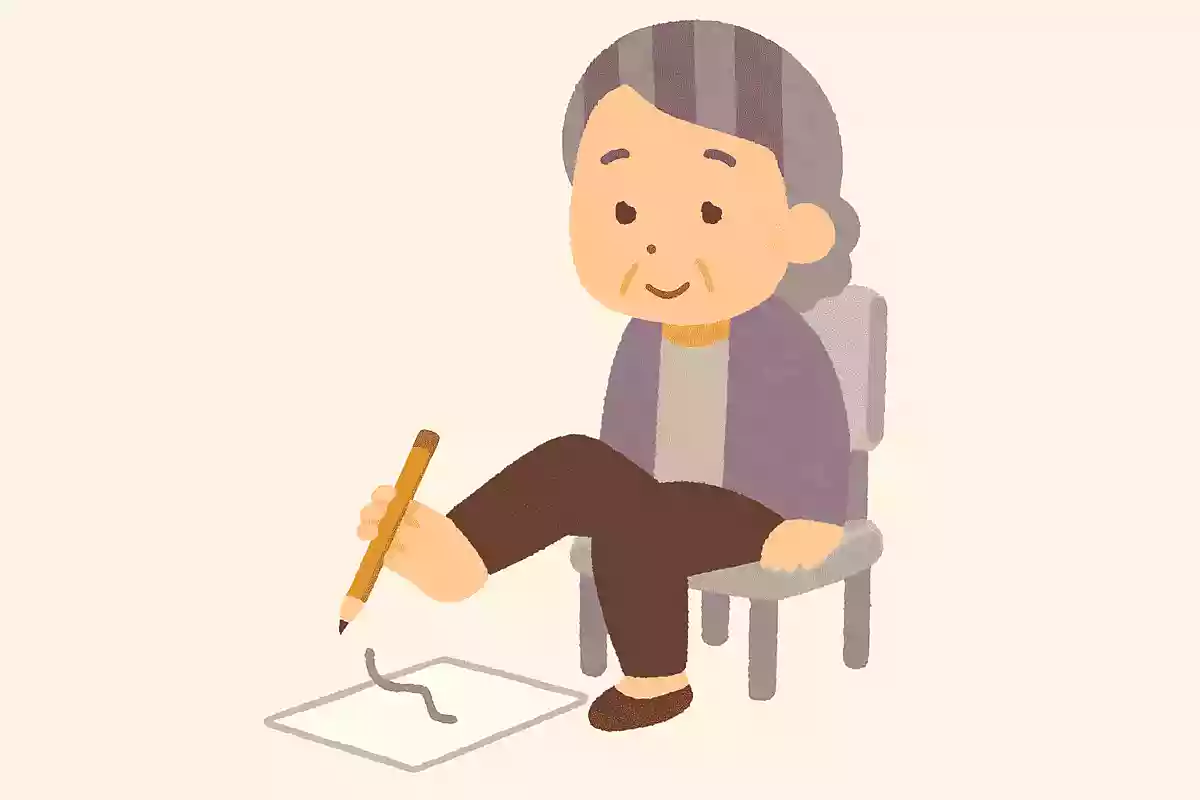
Let’s try a riddle about actions.
What is something you can’t “kaku” with your hands but can “kaku” with your feet? Many people might imagine letters, but the key is that it’s about an action! The answer is sitting cross-legged (agura).
In Japanese, we say “agura o kaku” to mean sitting comfortably with legs crossed.
You’re not writing letters or drawing pictures, but we still use the verb “kaku,” which is part of the fun of Japanese.
It’s a playful riddle where the same-sounding word changes meaning depending on how you interpret it.
What is the plant that is blond when young and turns gray when it gets old?
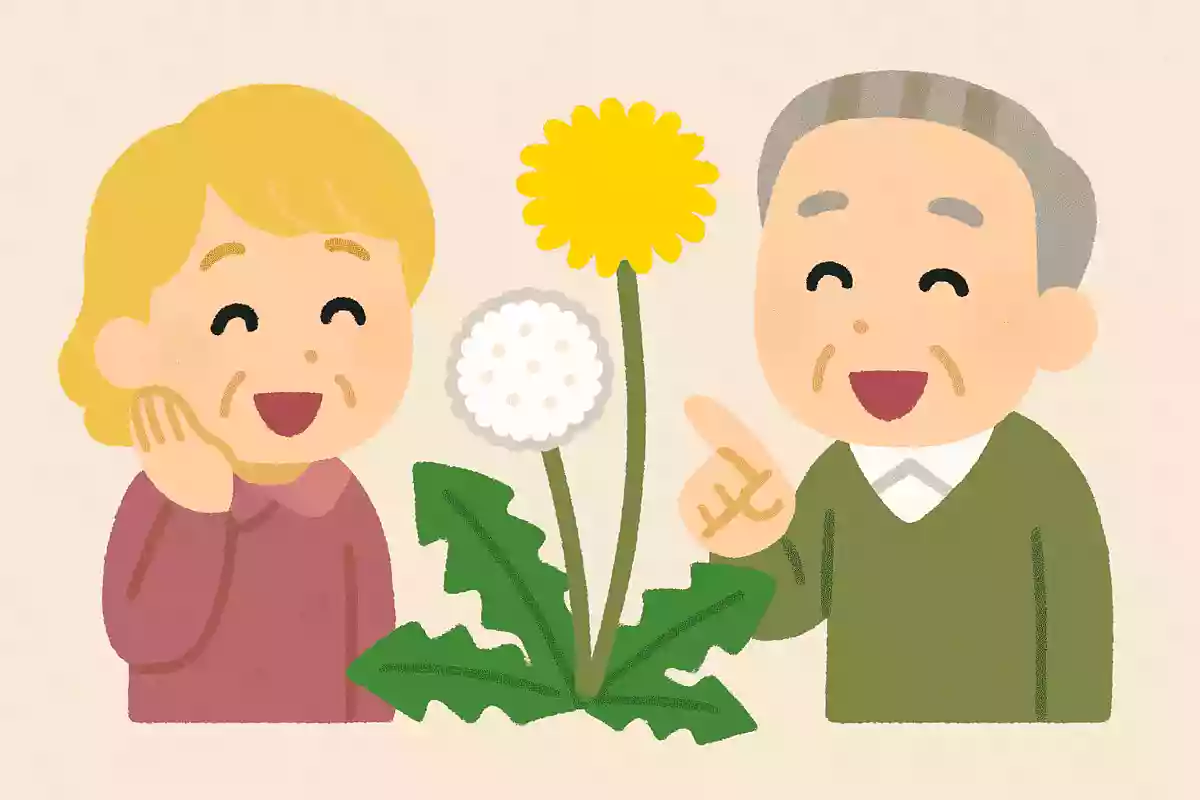
One way to express your individuality is to change your hair color, and some people may have tried a variety of shades.
There’s even a plant whose changing appearance resembles such shifts in hair color: blond when young and white with age.
What plant might that be? The key point is the change from gold to white, which tests your knowledge of how the plant grows.
The answer is the dandelion.
After blooming with beautifully golden-yellow flowers, it transforms into soft white fluff that helps its seeds travel far.
What can only be seen between one o’clock and three o’clock?
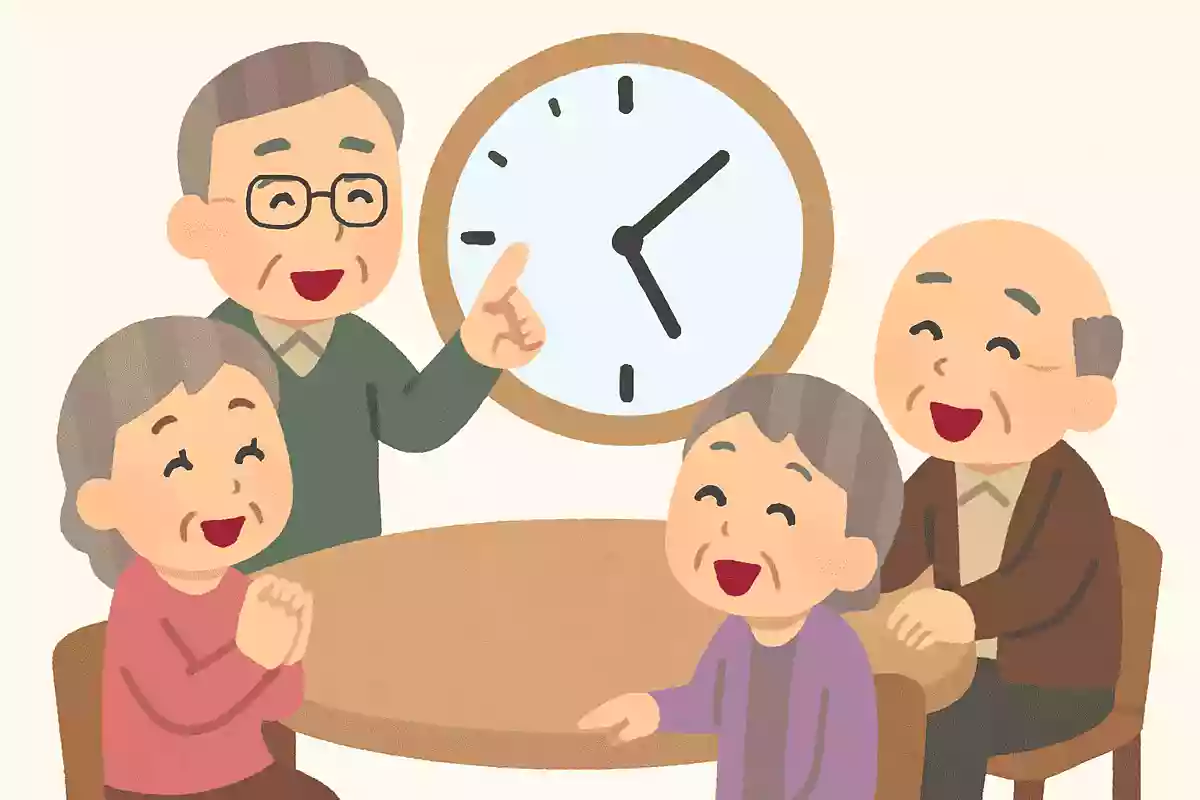
Some natural phenomena can only be seen during very limited moments, but because that depends on things like seasons and conditions, the timing is uncertain.
Even within such limited timing, what is something that can be seen between one o’clock and three o’clock? While imagining natural phenomena can help broaden the options, here it’s better to focus on the phrase “between one and three o’clock.” The correct answer is “rainbow.” That’s because between one and three o’clock is two o’clock, which leads you to the wordplay answer: “ni-ji” (2 o’clock in Japanese) sounds like “niji,” meaning rainbow.
What kind of sound does it make when your knees wobble?
When you walk on a mountain slope and such, people say “my knees are laughing.” This “knees are laughing” state means you can’t put strength into them and your knees feel wobbly.
For older adults, some may even feel strain in their knees just from walking in everyday life.
“If your knees laugh, what kind of sound do they make?” is a perfect question to use during exercise sessions at care facilities or in conversations with seniors.
Saying it as a call-and-response during leg exercises might spark some laughter.
Some people might even answer by making their knees’ ‘laughing’ sound.
It’s said that laughter activates the brain and can help prevent dementia.
How about creating more fun, laughter-filled moments with the seniors in your life?

What animal is represented by “chi-tsu-te-to?”
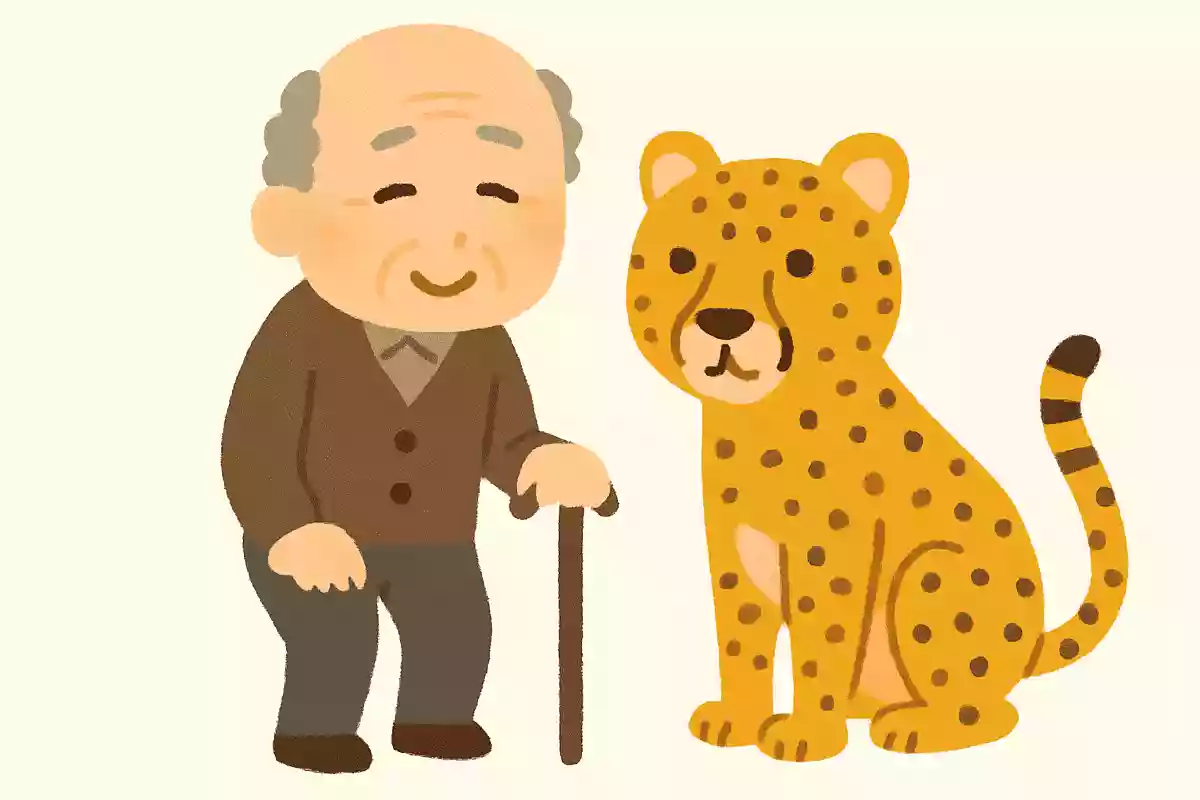
Next, let me share a riddle about animals.
What animal is represented by “chi-tsu-te-to”? Pay attention to the sequence “chi-tsu-te-to.” If you add one character, it should follow the standard gojūon order, right? The answer is “tanuki” (raccoon dog).
The “ta” is missing from the ta-row sequence “ta-chi-tsu-te-to,” so the animal is “tanuki.” It feels satisfying once you get it, doesn’t it? Tanuki are small animals with a cute appearance and have long been familiar figures in folktales and old stories.
Some of you may have even seen a wild tanuki before.