

[For Seniors] Laugh-Out-Loud, Crowd-Pleasing! Fun Quiz


Quick wits matter! We bring you laugh-out-loud brain teasers and riddles that make you blurt out “Ahh!” or “I see!” the moment you get the answer or someone tells you the correct one.
There are plenty of riddles that are friendly and familiar for seniors, too.
If the answer doesn’t come easily, try thinking it through with the people around you, or offer small hints to guide everyone toward the solution.
Those “almost got it, but not quite” questions give your brain a great workout.
Enjoy a delightful time that brings a little chuckle and a smile the moment the answer clicks.
- [For Seniors] Fun and Lively! Recommended Quiz Questions
- [For Seniors] Guaranteed to Liven Things Up! A Collection of Brain Training Activities That Will Spark Laughter
- [For Seniors] Nostalgic quizzes that bring back memories! Showa-era entertainment and sports questions
- [For Seniors] Fun and Educational True-or-False Quiz
- [For Seniors] Have Fun with Wordplay Characters! A Collection of Funny Puzzles
- [Brain Training] Lively Word Quiz for Seniors
- [For Seniors] Lively two-choice trivia quiz. Handy to know and tidbits you'll want to share with others
- [For Seniors] Fun! Let’s Get Excited with Japan’s Number One Quiz
- [For Seniors] Trivia Multiple-Choice Quiz
- [For Seniors] Fun Riddles That Stimulate the Brain
- [For Seniors] Fun and Informative! Health Trivia Quiz
- [For Seniors] Sports Trivia Quiz & Fun Facts. Easy and Entertaining
- [For Seniors] Recommended for Brain Training! Nostalgic Showa-Era Quiz
Japanese Culture, Geography, and Health Knowledge (11–20)
When do we see dreams while sleeping, and in what state is the body at that time?
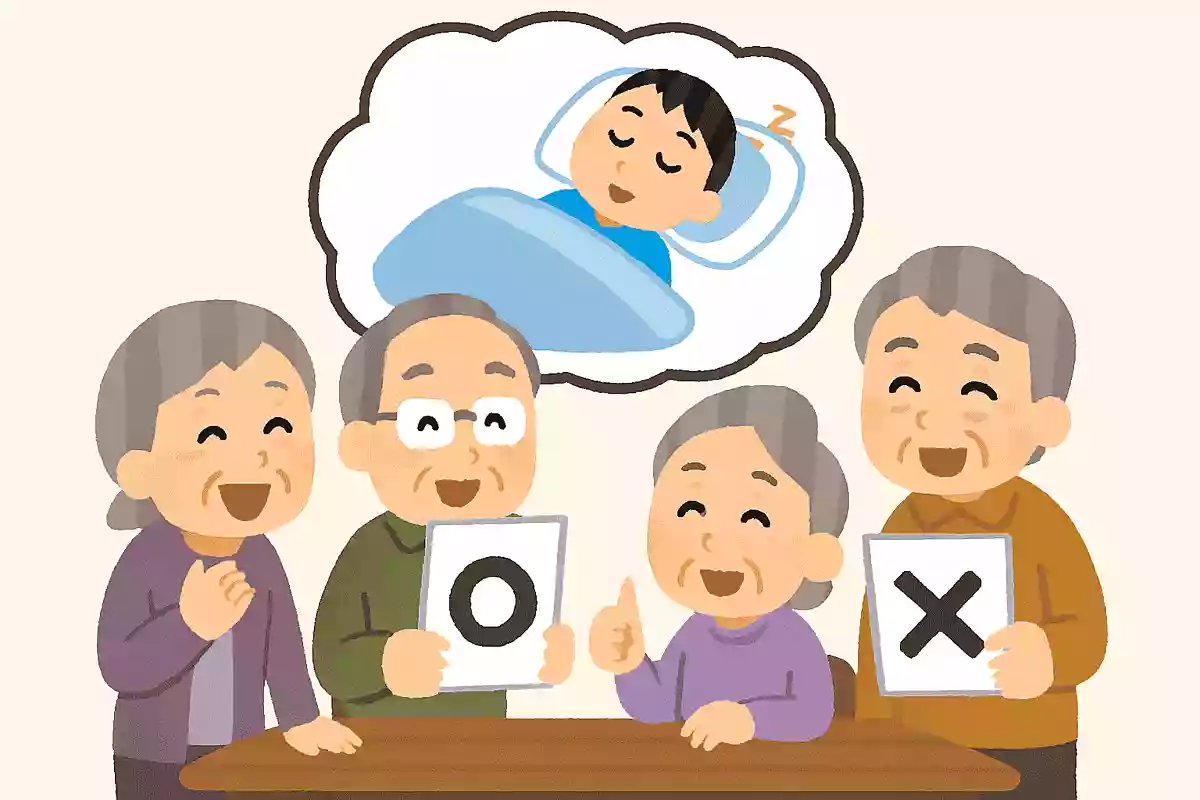
People can have all kinds of dreams while sleeping—whether realistic or fantastical—like dreams of meeting someone you love or being chased by a scary ghost.
What kinds of dreams might older adults have had over the years? Still, there are times when you clearly feel you’ve had a dream, and other times when you feel you didn’t dream at all.
So, when is it that we have dreams? The answer is: when our sleep is light.
That said, it seems that everyone dreams regardless of sleep depth.
It’s just that during deep sleep, the content of dreams can be less striking, so we may feel as though we didn’t dream.

How many hours before going to bed should you eat dinner?
While you may want to lie down right after a delicious dinner, it’s best to wait a bit.
So how long should you wait after dinner? The answer is three hours.
Food takes about two to three hours to digest.
If you go to bed sooner than three hours, it puts a burden on your digestive system as it’s still working, and that activity can also make it harder to fall asleep.
If you have no choice but to eat late, have a small snack in the late afternoon and keep your dinner to about 70% full.
When your eyes are tired, what color should you look at to relieve eye fatigue?
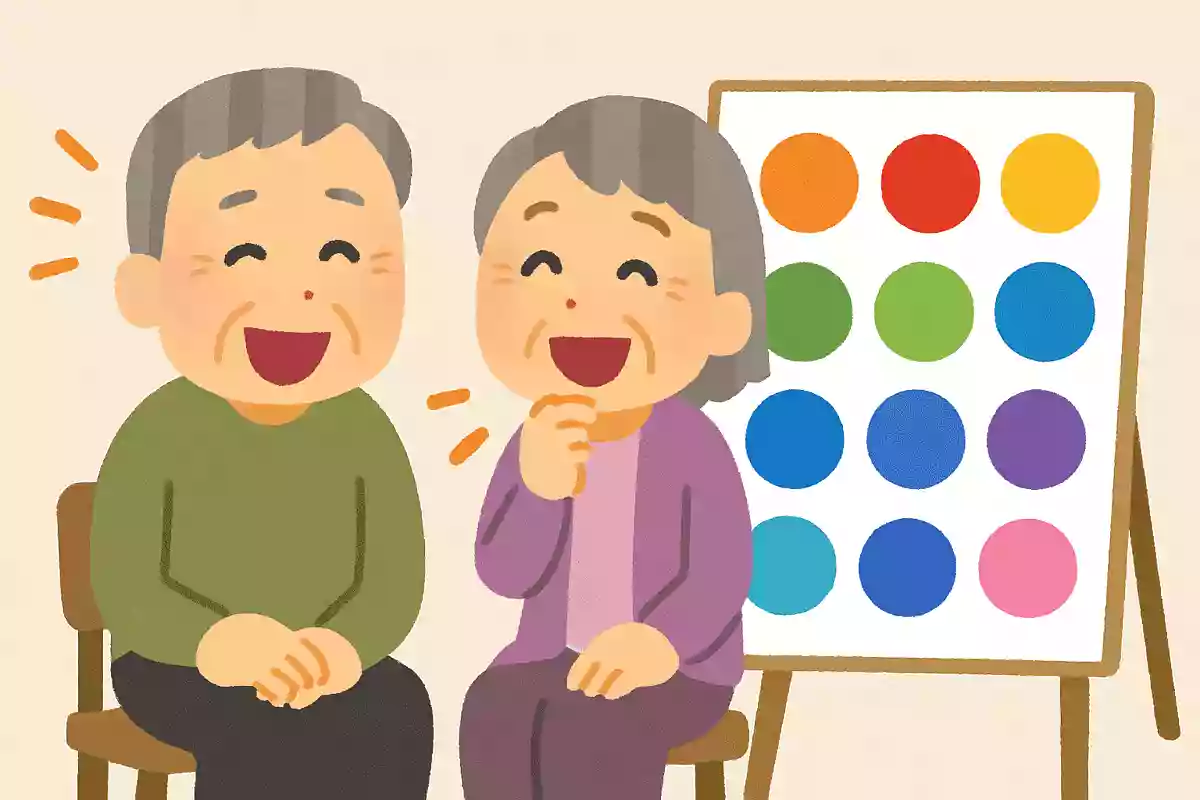
The answer is “green.” Green is said to have psychological effects that help you relax and ease tension in the mind and body.
Perhaps the reason we place houseplants in our rooms is that, without realizing it, we modern people seek healing and relaxation.
Also, haven’t you heard that when your eyes are tired, it’s good to look at distant mountains? It’s said that looking far away rather than up close allows the eye muscles to relax.
This, too, is the wisdom of our predecessors.
When does “between meals” mean in terms of how to take medicine?

Among older adults, many probably receive medications from the hospital.
Some of you might also have been instructed to take your medicine “between meals.” So, when exactly does “between meals” mean you should take your medicine? Many people think it means during a meal, but that’s incorrect.
The answer is: between one meal and the next—for example, between breakfast and lunch, or between lunch and dinner.
Strictly speaking, the guideline is about 2 to 3 hours after eating.
If you’re an older adult and you’re given medicine with the instruction to take it “between meals,” please be careful to follow this timing.
As of 2012, Nagano Prefecture ranked third and Gifu Prefecture ranked second in the list of prefectures with the highest percentage of forest area. So which prefecture ranked first?
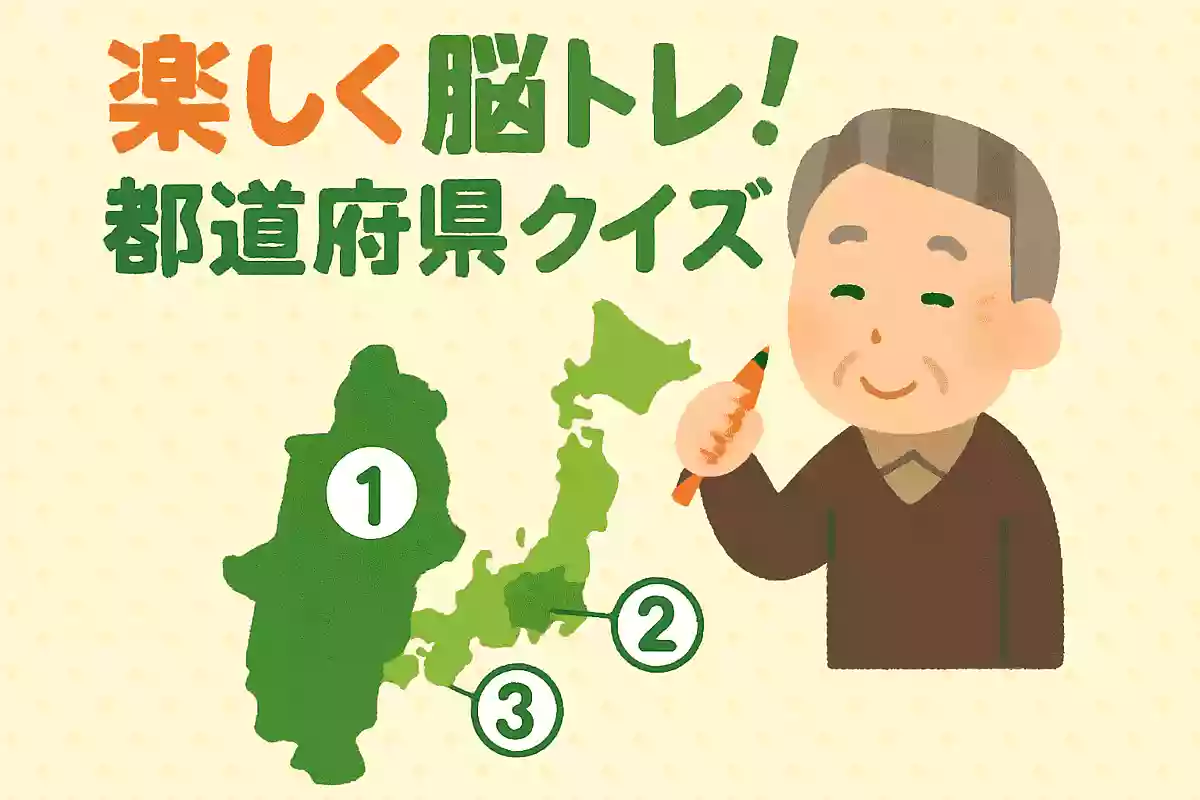
A ranking of prefectures with the highest proportion of forest area as of 2012.
Nagano Prefecture is 3rd, Gifu Prefecture is 2nd, and the honorable 1st place goes to Kochi Prefecture—truly a lush green kingdom where over 80% of the land is forest.
It’s the kind of surprising answer that makes you go “Oh, really?”—the sort of refined trivia you might have seen on a Showa-era quiz show.
It’s interesting not only for its geography angle but also for highlighting regional characteristics and natural abundance.
A retro-flavored local quiz that both Showa enthusiasts and nature lovers will be eager to talk about.

The largest lake in Japan is Lake Biwa, the second largest is Lake Kasumigaura, so what is the third largest lake?
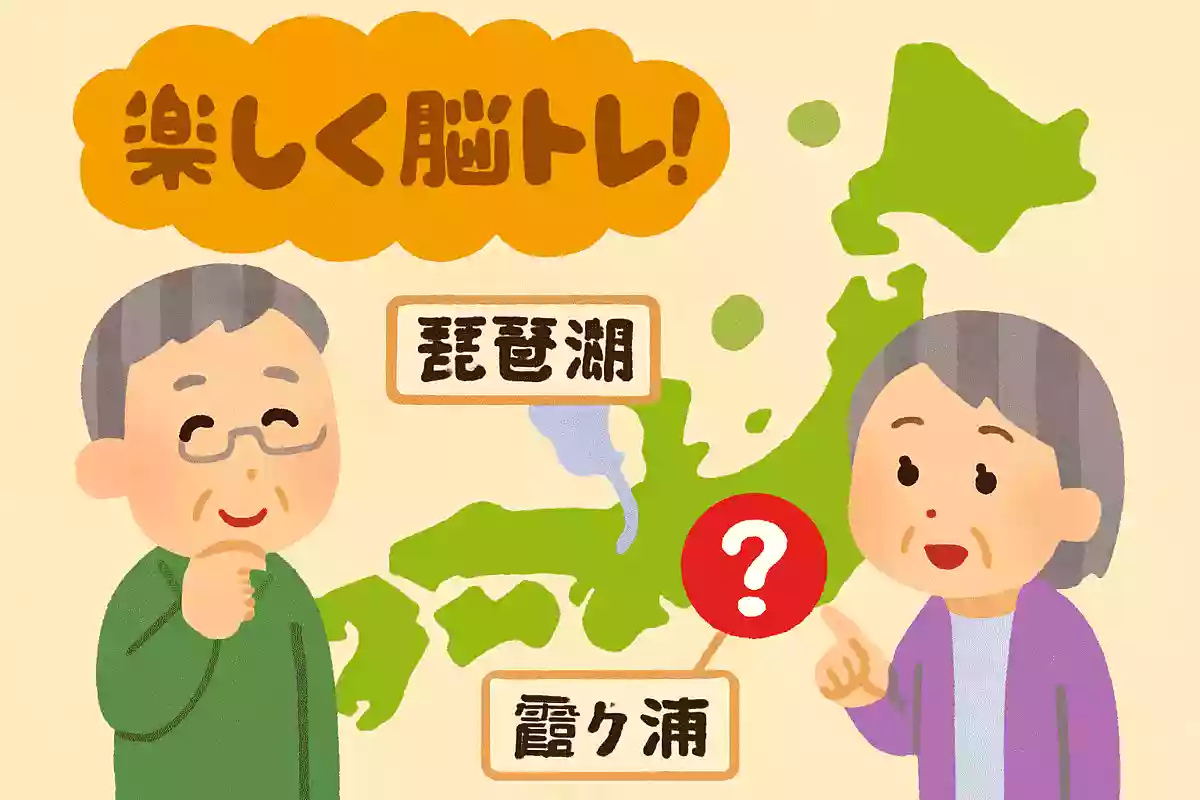
If you’re asked, “What’s the largest lake in Japan?” many people can instantly answer, “Lake Biwa!” Fewer people know the runner-up, which is Lake Kasumigaura.
So what about third place? That’s where many might hesitate.
The correct answer is Lake Saroma.
It’s a brackish lake in Hokkaido, and its size surprises a lot of people.
Geography quizzes like these—familiar yet full of unknowns—are surefire crowd-pleasers for both adults and kids.
Drop one into casual conversation, and you might spark an unexpected lively exchange.
These slightly nostalgic, Showa-era-style knowledge quizzes are also perfect for a bit of brain training.
In prehistoric times, very few people got cavities. Why was that?
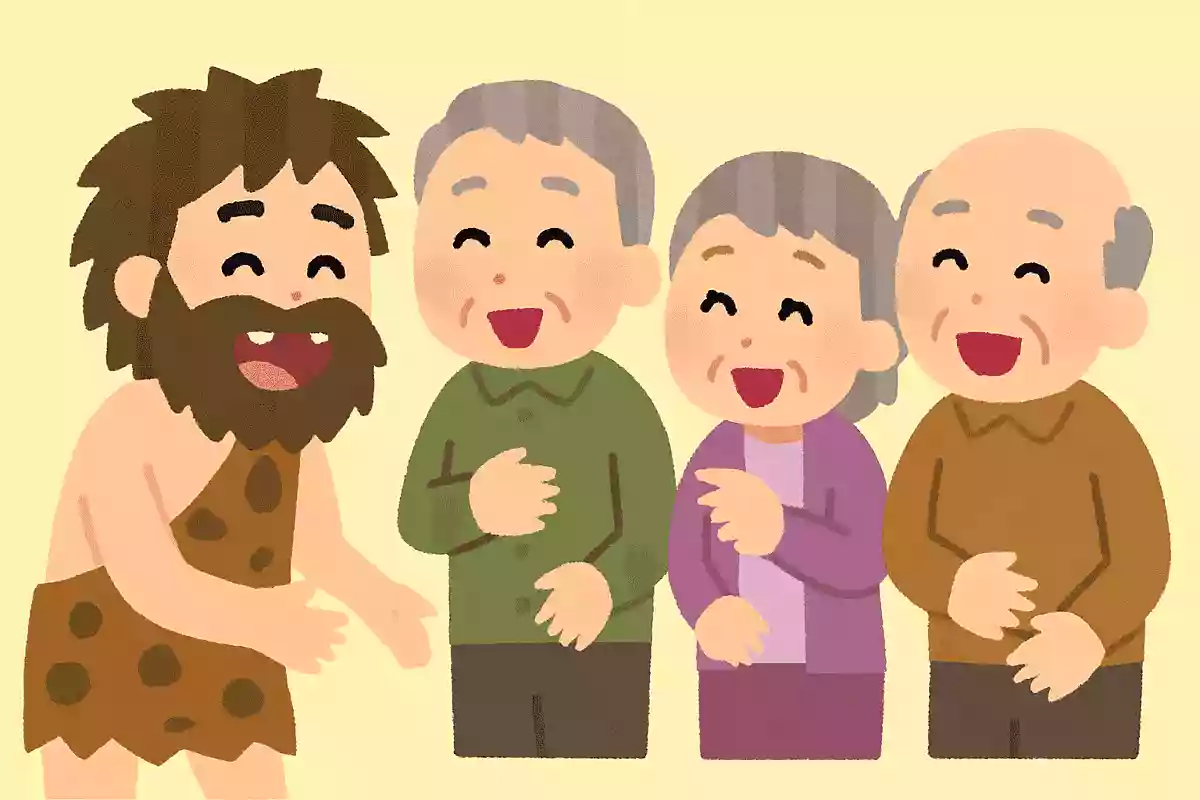
It’s surprising to think that our human ancestors, primitive people, didn’t have cavities, isn’t it? How could that be in a time without toothbrushes or toothpaste? The hint lies in the foods they ate back then.
The answer is that they only had hard foods.
Hard foods naturally increase the number of times you chew, which stimulates plenty of saliva, helping wash away bacteria and the like.
In contrast, in modern times, the increase in soft foods makes it easier for food to get stuck between teeth, and because we chew far fewer times, saliva production has greatly decreased, making us much more prone to cavities.