

[For Seniors] Laugh-Out-Loud, Crowd-Pleasing! Fun Quiz


Quick wits matter! We bring you laugh-out-loud brain teasers and riddles that make you blurt out “Ahh!” or “I see!” the moment you get the answer or someone tells you the correct one.
There are plenty of riddles that are friendly and familiar for seniors, too.
If the answer doesn’t come easily, try thinking it through with the people around you, or offer small hints to guide everyone toward the solution.
Those “almost got it, but not quite” questions give your brain a great workout.
Enjoy a delightful time that brings a little chuckle and a smile the moment the answer clicks.
- [For Seniors] Fun and Lively! Recommended Quiz Questions
- [For Seniors] Guaranteed to Liven Things Up! A Collection of Brain Training Activities That Will Spark Laughter
- [For Seniors] Nostalgic quizzes that bring back memories! Showa-era entertainment and sports questions
- [For Seniors] Fun and Educational True-or-False Quiz
- [For Seniors] Have Fun with Wordplay Characters! A Collection of Funny Puzzles
- [Brain Training] Lively Word Quiz for Seniors
- [For Seniors] Lively two-choice trivia quiz. Handy to know and tidbits you'll want to share with others
- [For Seniors] Fun! Let’s Get Excited with Japan’s Number One Quiz
- [For Seniors] Trivia Multiple-Choice Quiz
- [For Seniors] Fun Riddles That Stimulate the Brain
- [For Seniors] Fun and Informative! Health Trivia Quiz
- [For Seniors] Sports Trivia Quiz & Fun Facts. Easy and Entertaining
- [For Seniors] Recommended for Brain Training! Nostalgic Showa-Era Quiz
Riddles, Brain Teasers, and Fun Questions (21–30)
Even though you went to the trouble to attach it, what kind of “mochi” can’t be eaten?
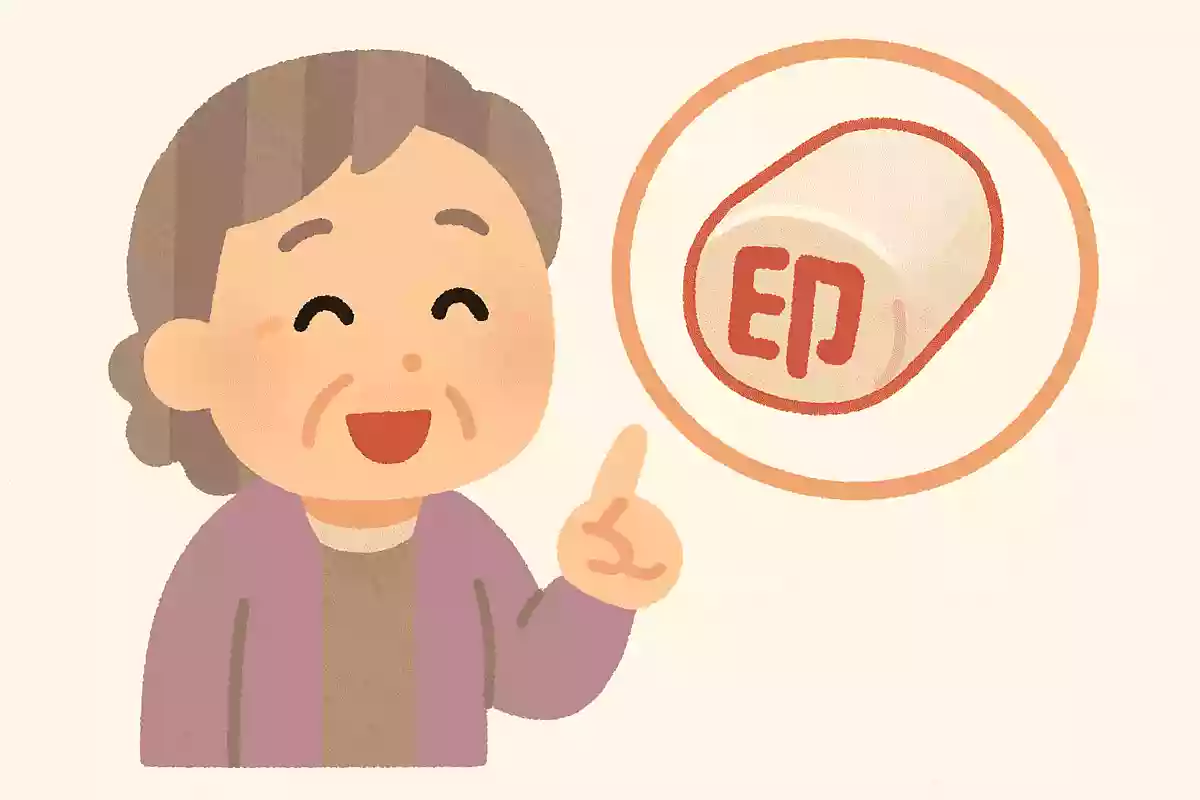
The phrase “even though it finally stuck” is the key to this riddle.
If you follow the associations of “something that sticks” and “mochi,” you’ll naturally arrive at “falling on your butt” (shirimochi).
By the way, do you know why falling on your backside is called shirimochi? In fact, shirimochi originally referred to a custom where a child under one year old was made to carry mochi on their back and then gently toppled onto their bottom.
That’s why even today, falling on your backside is called shirimochi.
Incidentally, because a baby’s fall was considered a good omen, shirimochi was also seen as something auspicious.

Hanako made four bouquets with her friend. If you add the two bouquets that Hanako made by herself, how many bouquets will there be?
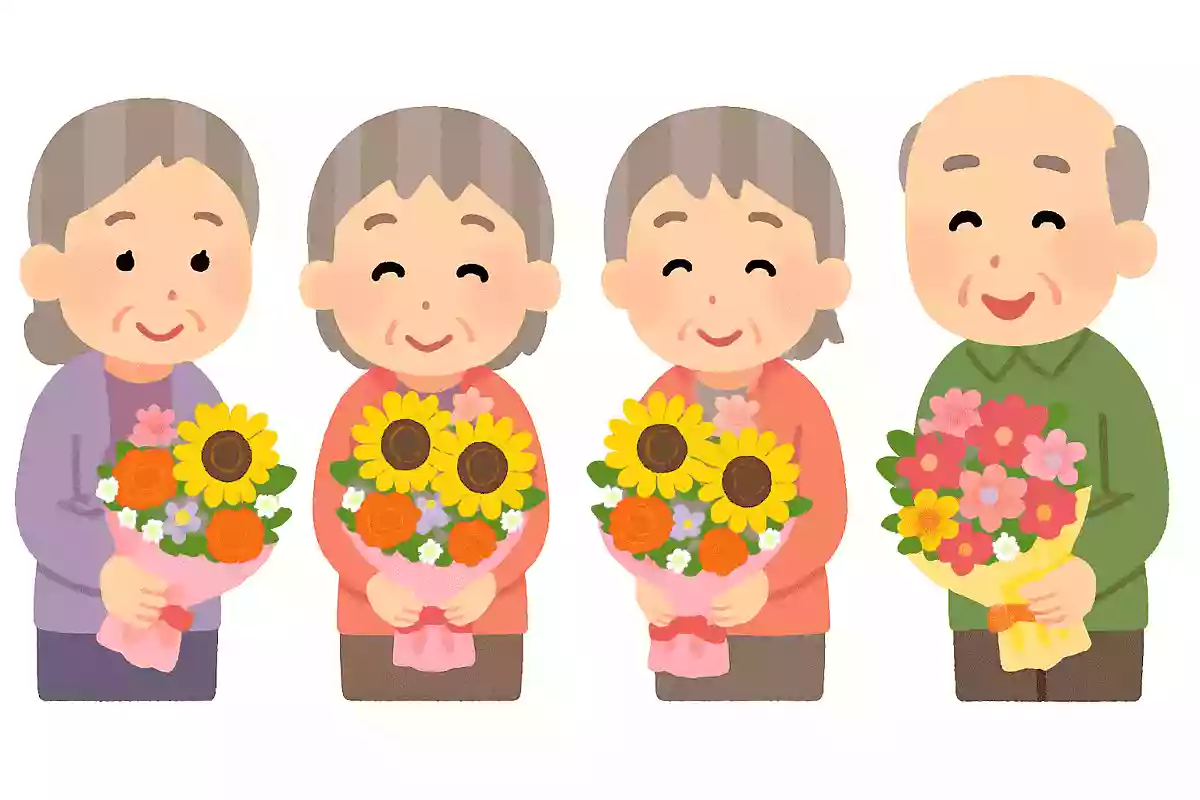
This riddle also tests your Japanese language skills.
First, focus on the beginning: “Hanako made four bouquets with her friend.” From this, you can see there are four bouquets.
Next, look at the latter part: “If you add the two bouquets Hanako made by herself.” Here, it seems there are two bouquets in addition to the four, so you might think 4 + 2 = 6—but that’s not correct.
No matter how many bouquets there are, when you put them together, they become a single bouquet.
Therefore, the answer is 1.
Japanese Culture, Geography, and Health Knowledge (1–10)
Nagasaki Prefecture is famous in Japan for its many hills. On Nagasaki’s slopes, are there more uphill sections or downhill sections?

Nagasaki Prefecture is known as the prefecture with the most hills in Japan, which is both one of its charms and one of its challenges.
Among the many slopes in Nagasaki, which are more common—uphill or downhill? What matters here is the meaning of the words “uphill” and “downhill,” and the flexible perspective you bring to them.
The answer is that they’re the same: seen from the bottom, it’s an uphill; seen from the top, it’s a downhill.
It’s the same slope, just viewed from different directions.

There are four prefecture names that contain the names of animals. Which ones are they?

This is a simple quiz where you think of prefecture names that include animal names.
You probably know all of these places, so the key is how quickly the prefecture names come to mind.
If you go through them in order, you should be able to arrive at some of them, but if you get stuck, use each area as a hint.
The answers are Gunma, Tottori, Kumamoto, and Kagoshima.
It could be fun to reminisce about your memories of each place as well.
Which grows faster, fingernails or toenails?
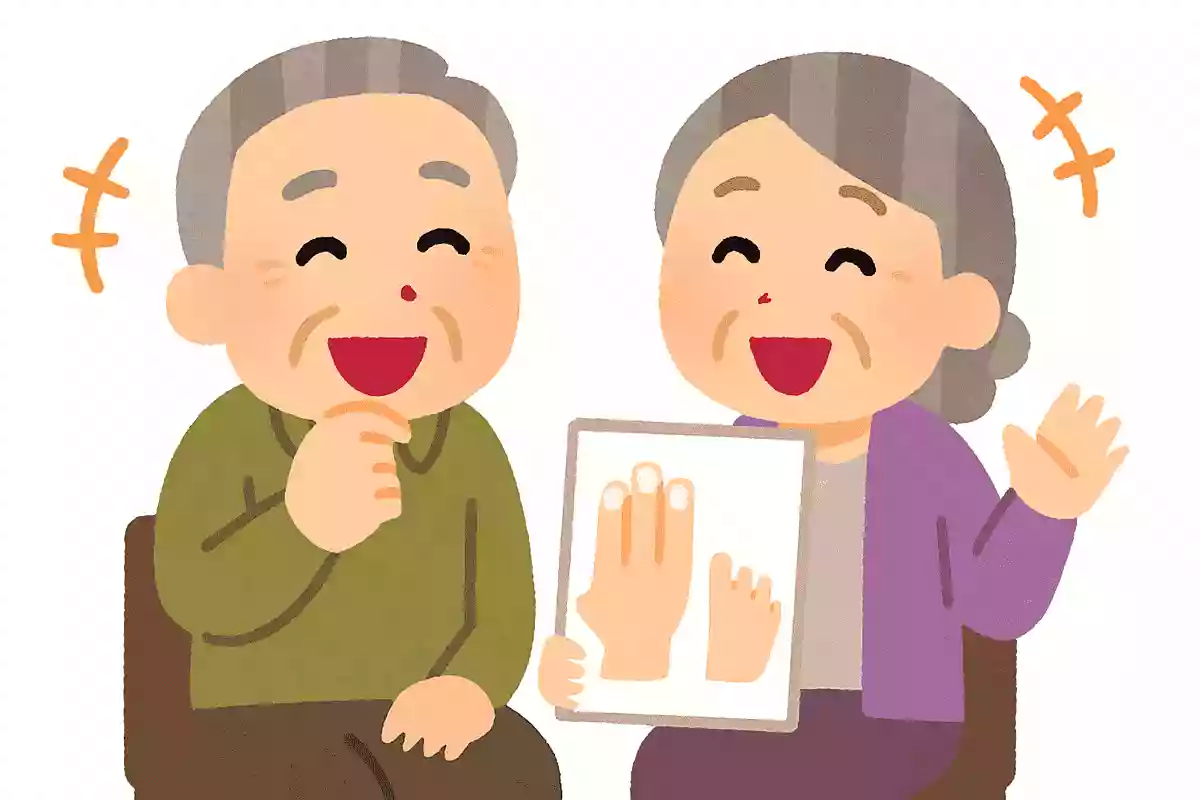
You might wonder which grows faster: the nails on your hands or on your feet.
The answer is hand nails.
Generally, fingernails are said to grow about twice as fast as toenails.
This is because hands are used more frequently and have greater blood flow.
Feet are farther from the heart and intestines, making it harder for nutrients to reach them, which is another reason.
In fact, many people find they need to cut their toenails less often than their fingernails.
Another tidbit: nails tend to grow faster in summer than in winter because the body’s metabolism is higher in warmer months.

Yamagata Prefecture is famous for its high production of cherries. There is also a cherry-themed competition in Yamagata Prefecture—what kind of competition is it?
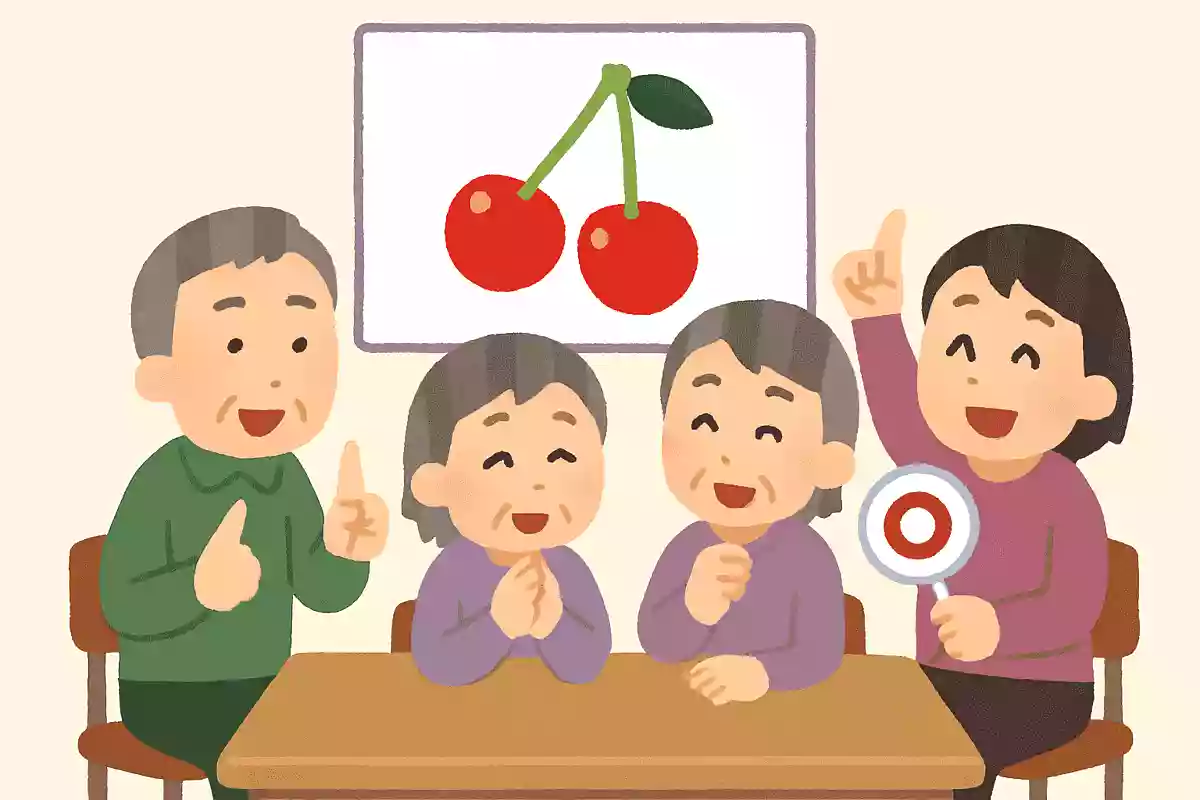
Cherries are a fruit that represents Yamagata Prefecture, and various events are held to promote them.
Among these events, let’s think about those held in a tournament format.
The hint is an action that might seem ill-mannered and is strongly associated with children.
The answer is a cherry pit-spitting contest.
Since it’s a competition conducted under proper rules, it might be interesting to learn about the tournament’s overview as well.
What was the original purpose of the Hinamatsuri (Girls’ Day) on March 3?
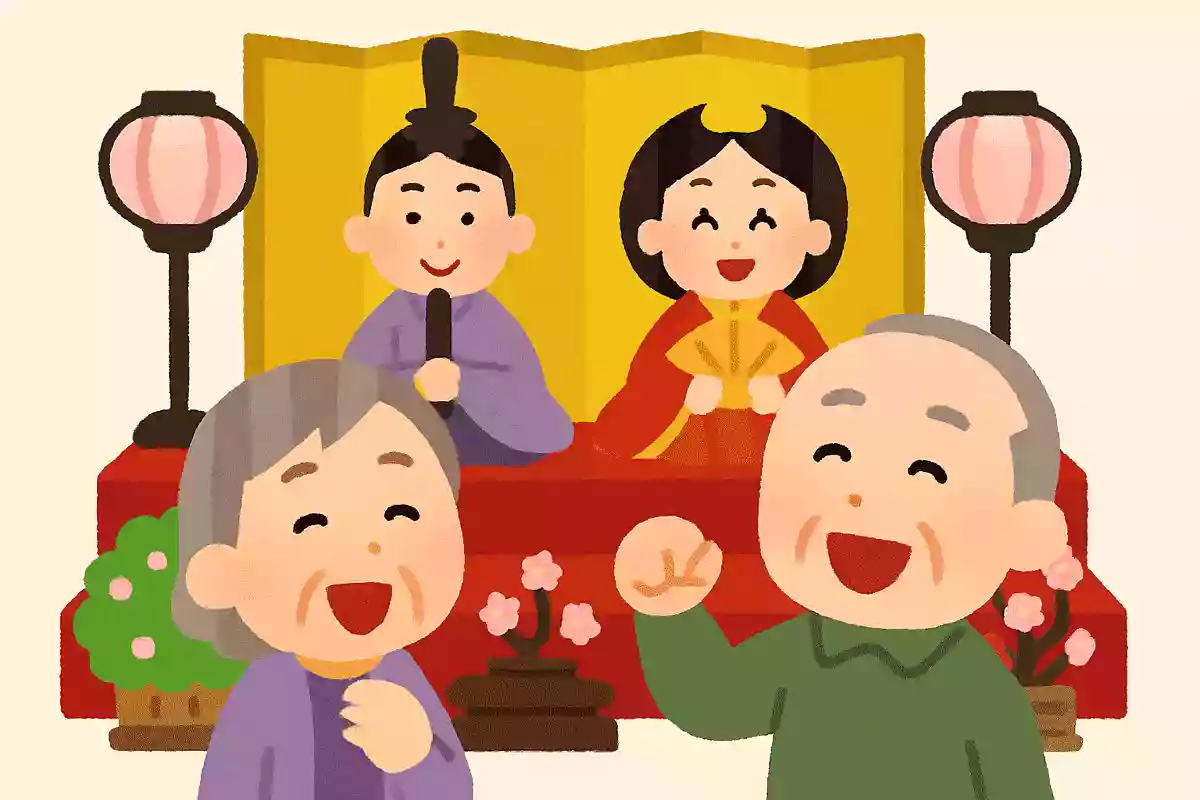
Today, March 3rd is a celebration in which we display Hina dolls and pray for girls’ healthy growth, but it originally began as a ritual to ward off misfortune.
A purification custom from ancient China, in which people entered a river to cleanse themselves of evil spirits during the Shangsi Festival, was brought to Japan and combined with an old Japanese exorcistic practice called hitogata-nagashi.
In hitogata-nagashi, people would transfer their misfortunes onto a human-shaped paper figure and float it down the river to purify themselves and dispel bad luck.
Later, it merged with hina-asobi—playing with paper dolls, which was popular among aristocratic children in the Heian period—and developed into the Hina Festival.
The custom of displaying Hina dolls as we do today is said to have begun in the Edo period.
