

[For Seniors] Laugh-Out-Loud, Crowd-Pleasing! Fun Quiz


Quick wits matter! We bring you laugh-out-loud brain teasers and riddles that make you blurt out “Ahh!” or “I see!” the moment you get the answer or someone tells you the correct one.
There are plenty of riddles that are friendly and familiar for seniors, too.
If the answer doesn’t come easily, try thinking it through with the people around you, or offer small hints to guide everyone toward the solution.
Those “almost got it, but not quite” questions give your brain a great workout.
Enjoy a delightful time that brings a little chuckle and a smile the moment the answer clicks.
- [For Seniors] Fun and Lively! Recommended Quiz Questions
- [For Seniors] Guaranteed to Liven Things Up! A Collection of Brain Training Activities That Will Spark Laughter
- [For Seniors] Nostalgic quizzes that bring back memories! Showa-era entertainment and sports questions
- [For Seniors] Fun and Educational True-or-False Quiz
- [For Seniors] Have Fun with Wordplay Characters! A Collection of Funny Puzzles
- [Brain Training] Lively Word Quiz for Seniors
- [For Seniors] Lively two-choice trivia quiz. Handy to know and tidbits you'll want to share with others
- [For Seniors] Fun! Let’s Get Excited with Japan’s Number One Quiz
- [For Seniors] Trivia Multiple-Choice Quiz
- [For Seniors] Fun Riddles That Stimulate the Brain
- [For Seniors] Fun and Informative! Health Trivia Quiz
- [For Seniors] Sports Trivia Quiz & Fun Facts. Easy and Entertaining
- [For Seniors] Recommended for Brain Training! Nostalgic Showa-Era Quiz
Showa-era retro and nostalgic goods (11–20)
What was the cheap candy where you’d get another one if the tip of the toothpick was red?
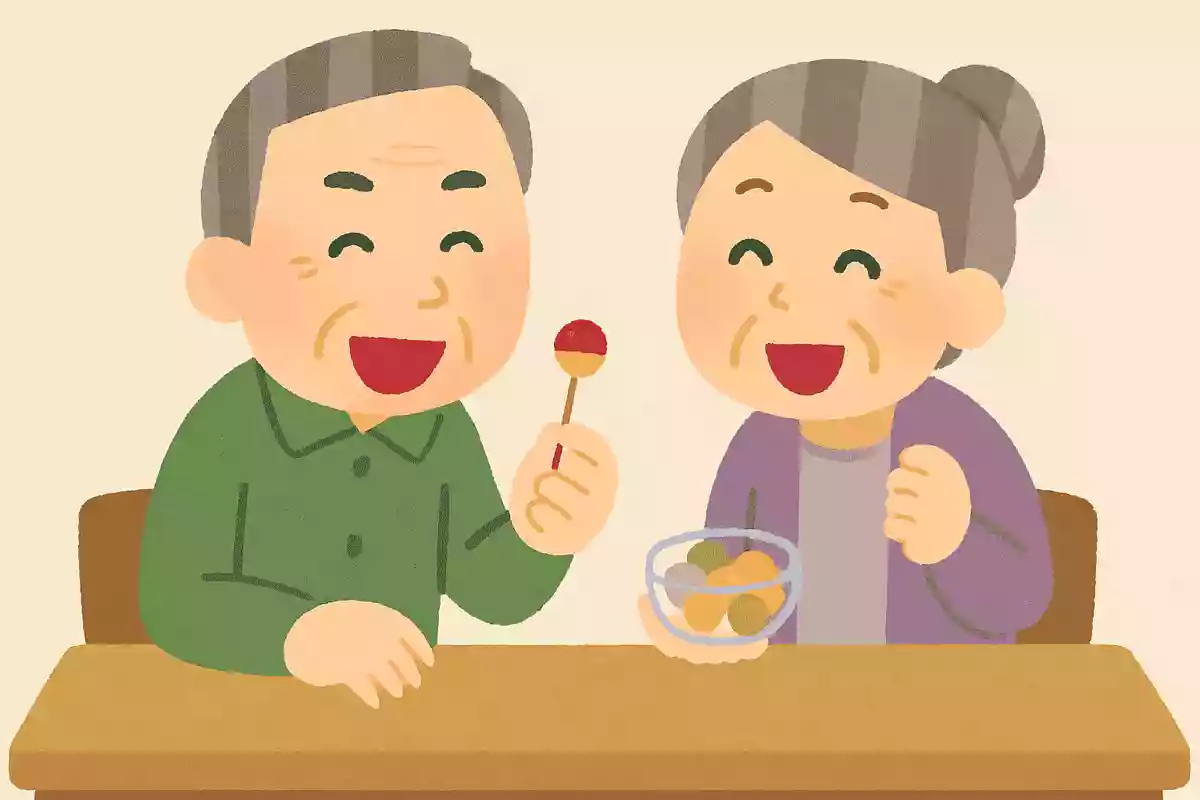
The candy shop was a relaxing hangout for kids—a place where you could enjoy your favorite treats without breaking the bank.
One of its charms was a system where, if you got a “winner,” you could exchange it for the same item.
There were various ways to show a winning ticket, but among them, which candy was the one where you’d win if the tip of the toothpick was red? The answer is kinako-bō (soybean flour sticks).
Since they’re small and easy to eat, some people might have ended up eating too many while chasing a win.

In the 1960s (Showa 40s), the three new “Three Sacred Treasures” known as the 3Cs were a color TV, an air conditioner, and what was the third one?
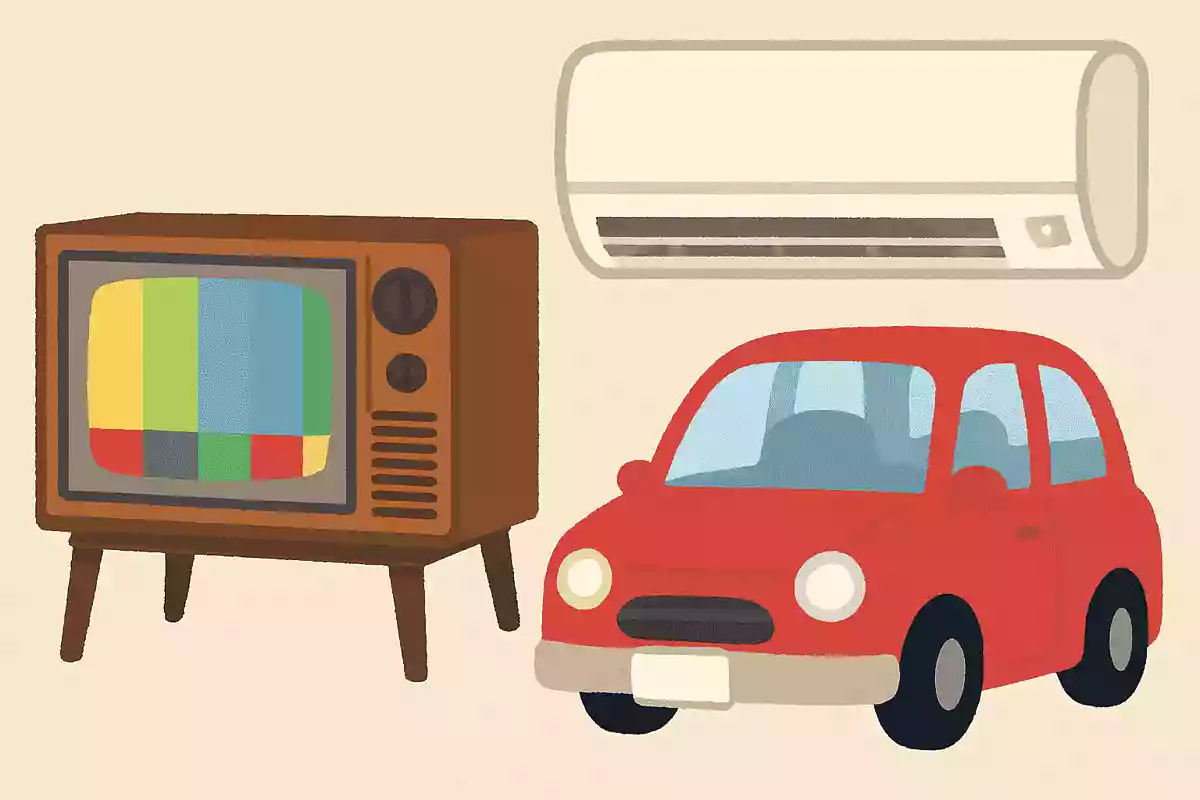
A nostalgic quiz that feels like time-traveling back to the Showa era.
The question begins: “Color TV, air conditioner, and what was the third item in the ‘new Three Sacred Treasures’ known as the 3Cs?” The final item that drew attention back then was “Car,” the English word for automobile.
Some people may recall the joy of the day a car came to their household, or stories of how it became the talk of the neighborhood.
Quizzes like this bring empathy and laughs to those who remember the past, while offering surprises and learning to younger generations.
They’re great for small gatherings or recreational activities at senior facilities and can really liven things up.
A recommended question for fans of retro culture, too.

What do you call the snack made by puffing rice under pressure?
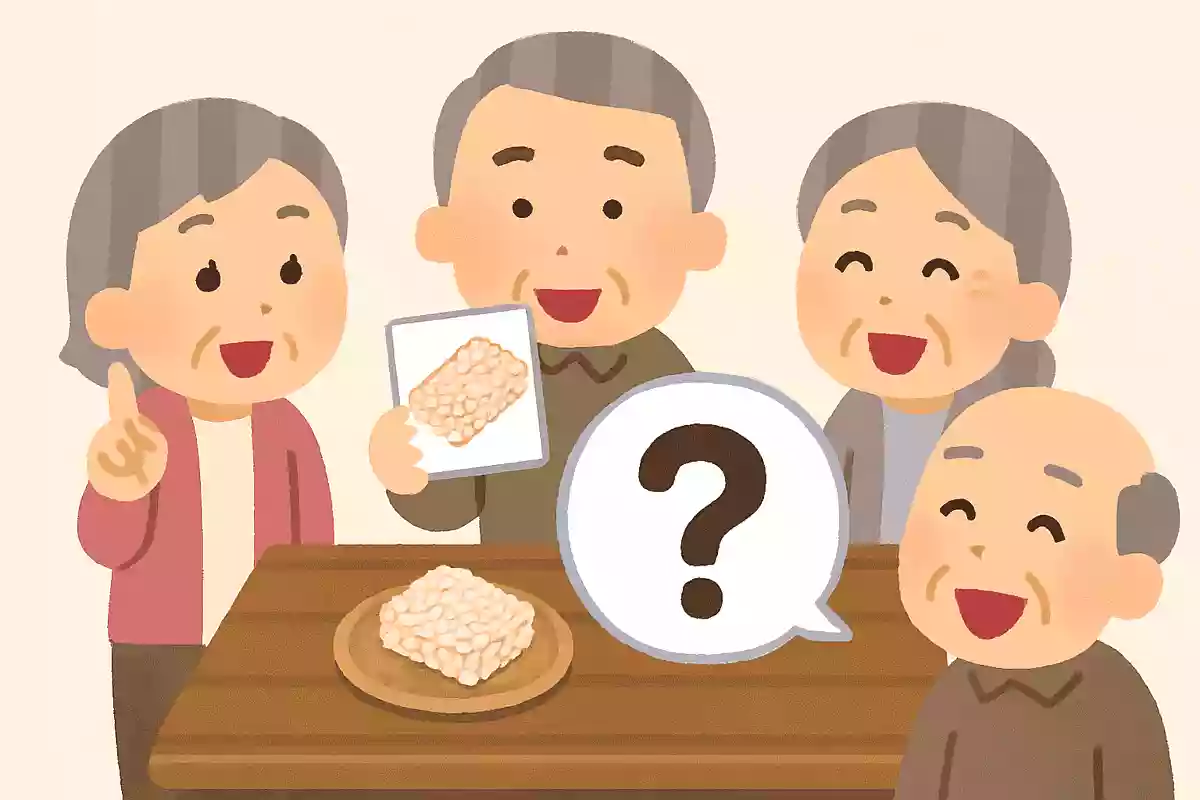
Puffed rice snacks are made by pressurizing rice and then rapidly depressurizing it.
For some older adults, the word “popped rice” may bring back memories of festivals or events where a loud boom signaled the moment the snack was made.
While rice is the main ingredient, some regions also make it with barley, buckwheat, corn, or ginkgo nuts.
The name for this snack also varies by region.
Asking older adults what it’s called in their hometown could make for an even livelier conversation.

What does the “punch” in a punch perm refer to?
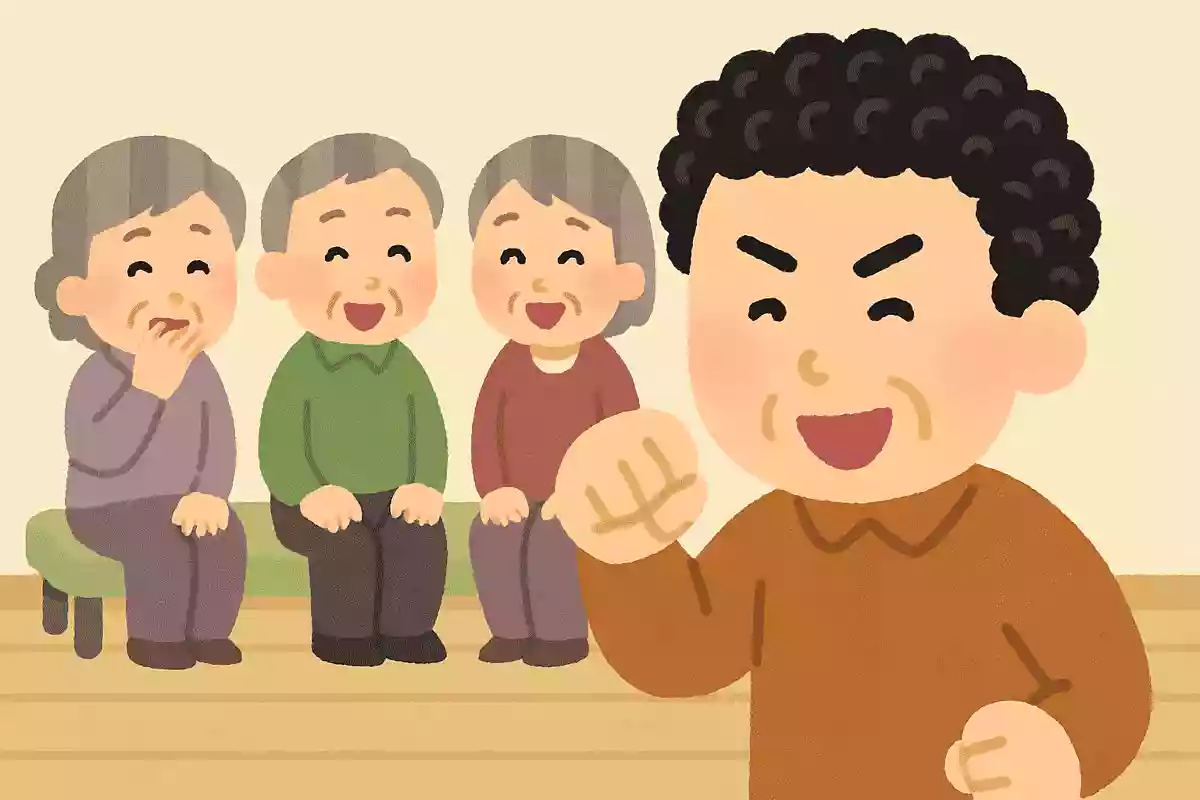
This may seem sudden, but what exactly does the “punch” in “punch perm” mean? The answer is: it’s the name of a magazine called Heibon Punch.
The punch perm, a short hairstyle with tight, firm curls, was devised by a barber in Kitakyushu in the 1970s.
A barber-supply company in the Kansai region then named it “punch perm,” borrowing the name from the hugely popular magazine Heibon Punch at the time.
With its intimidating look and the fact that it doesn’t lose shape easily even in a fight, the punch perm became especially popular among tough-looking types.
Fittingly, its origin story packs a punch too!

In what language is the word “pom-pom,” which is used for cheering?
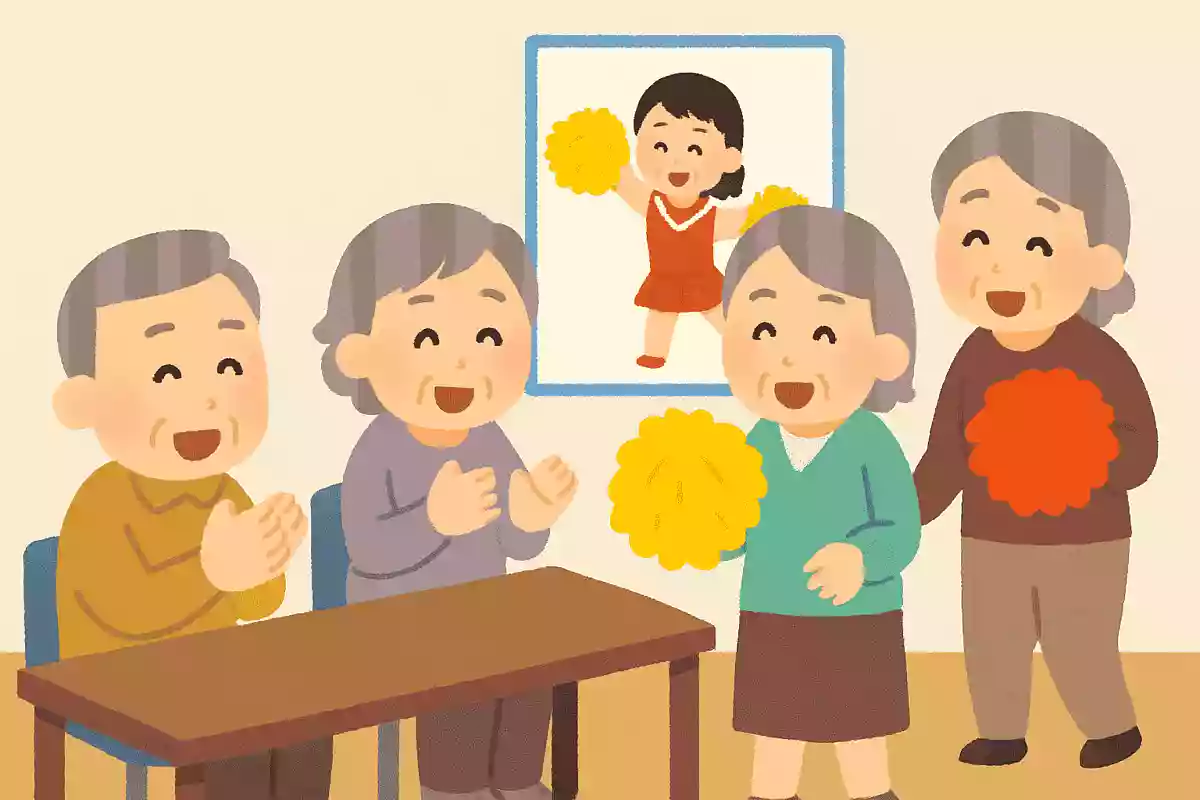
What language is the origin of the word “pom-pom,” used as a cheering item at events like sports days? The answer is French; it is said to derive from “pompon,” meaning a tuft with a rounded end.
Invented as a cheering accessory in the 1930s, pom-poms were made of paper at the time and couldn’t be used in bad weather—details that convey the history they’ve accumulated.
By learning that history properly, we may grow more attached to the everyday items used at events.
The current alarm clock runs on batteries, but what do you think powered them in the Showa era?
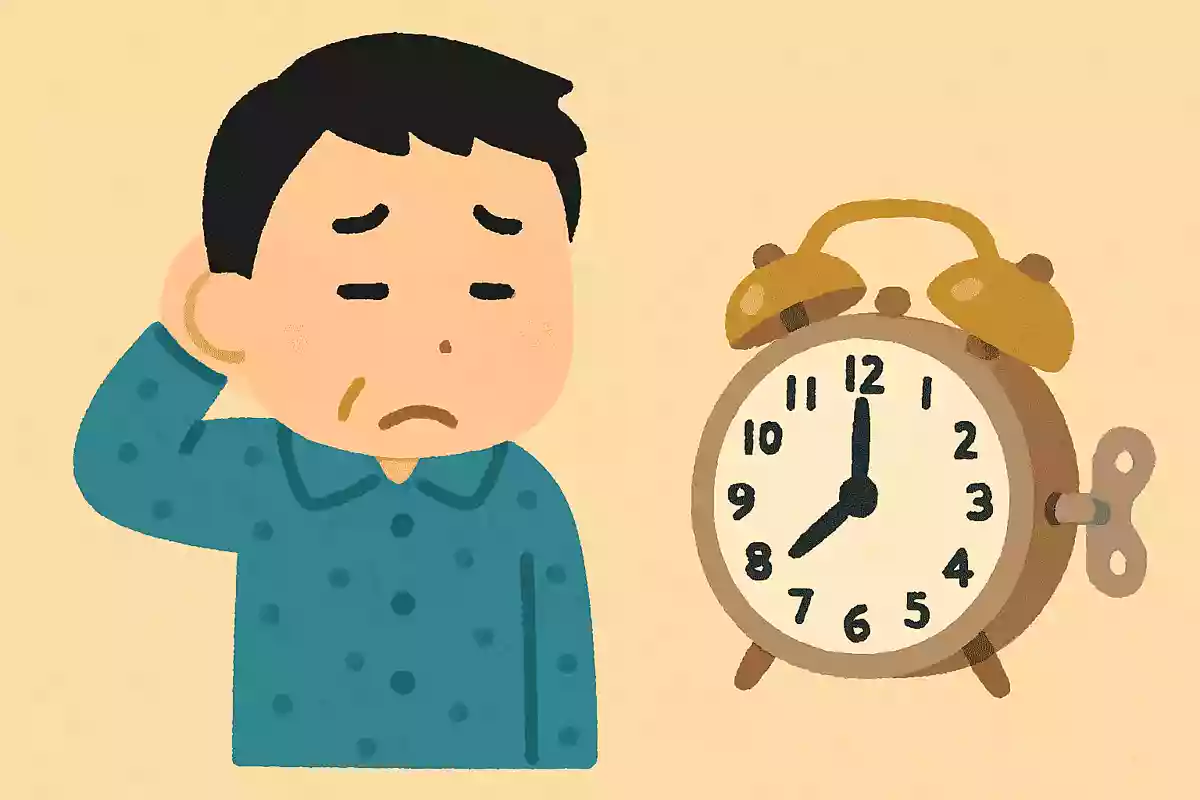
We tend to think that everyday furniture and appliances have simply become more stylish over time, but the functions they offer have actually undergone all kinds of changes as well.
Focusing on one essential item—alarm clocks—how did they work back in the Showa era? Not just alarms, but what kinds of power sources did clocks have? If you imagine how old machines worked, some of you might already guess the answer.
The answer is: spring-wound.
While such models have become less common, the technology hasn’t disappeared.
This might be a good chance to go looking for one.
What sport was popular in the 1970s thanks to the success of players like Kayoko Suda and Ritsuko Nakayama?
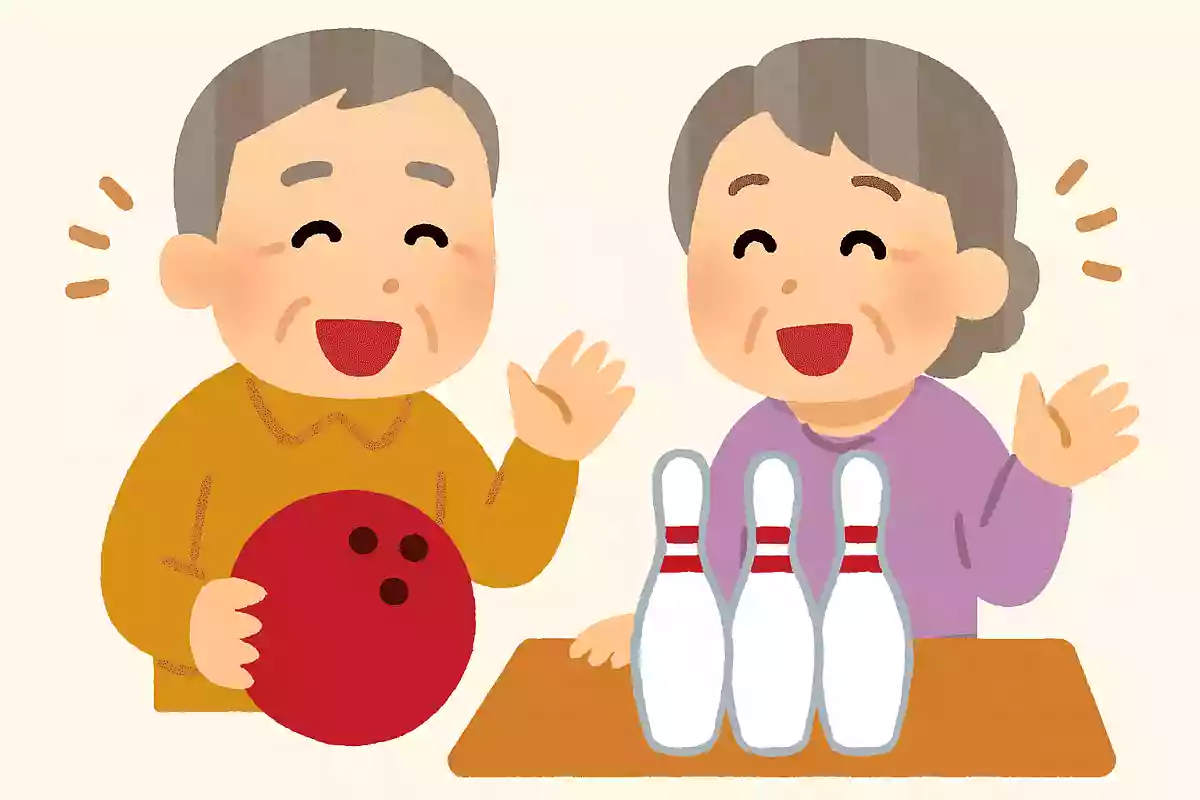
Speaking of the sport that sparked a huge boom centered in Tokyo in the 1970s, it’s bowling! Ritsuko Nakayama, Kayoko Suda, and Rie Ishii, who were immensely popular as beautiful professional bowlers, were known as the “Flower Trio,” and, unusually for athletes, continued their careers while appearing on seven regular weekly TV programs.
With its simple rule—roll the ball and knock down the pins—bowling has long been loved by people of all ages.
Some of you might fondly recall how obsessed you were with it in your younger days.
