

[For Seniors] Laugh-Out-Loud, Crowd-Pleasing! Fun Quiz


Quick wits matter! We bring you laugh-out-loud brain teasers and riddles that make you blurt out “Ahh!” or “I see!” the moment you get the answer or someone tells you the correct one.
There are plenty of riddles that are friendly and familiar for seniors, too.
If the answer doesn’t come easily, try thinking it through with the people around you, or offer small hints to guide everyone toward the solution.
Those “almost got it, but not quite” questions give your brain a great workout.
Enjoy a delightful time that brings a little chuckle and a smile the moment the answer clicks.
- [For Seniors] Fun and Lively! Recommended Quiz Questions
- [For Seniors] Guaranteed to Liven Things Up! A Collection of Brain Training Activities That Will Spark Laughter
- [For Seniors] Nostalgic quizzes that bring back memories! Showa-era entertainment and sports questions
- [For Seniors] Fun and Educational True-or-False Quiz
- [For Seniors] Have Fun with Wordplay Characters! A Collection of Funny Puzzles
- [Brain Training] Lively Word Quiz for Seniors
- [For Seniors] Lively two-choice trivia quiz. Handy to know and tidbits you'll want to share with others
- [For Seniors] Fun! Let’s Get Excited with Japan’s Number One Quiz
- [For Seniors] Trivia Multiple-Choice Quiz
- [For Seniors] Fun Riddles That Stimulate the Brain
- [For Seniors] Fun and Informative! Health Trivia Quiz
- [For Seniors] Sports Trivia Quiz & Fun Facts. Easy and Entertaining
- [For Seniors] Recommended for Brain Training! Nostalgic Showa-Era Quiz
Riddles, Brain Teasers, and Fun Questions (1–10)
What is the fish that has five holes?
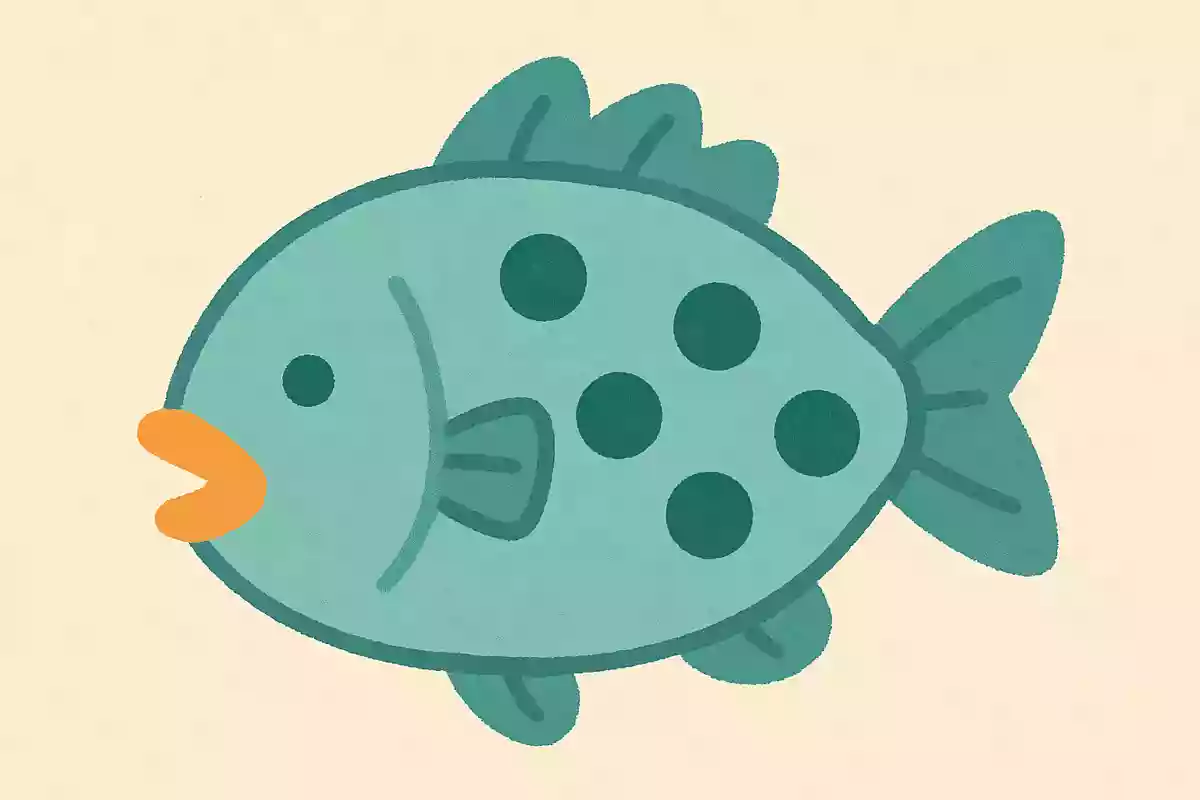
This time, I’d like to introduce a riddle about fish.
What fish has five holes? If you slowly read the question out loud, you might figure out the answer.
The answer is hidden in the question, so don’t give up and think it through! The answer is “anago” (conger eel).
The phrase “five holes” (ana ga go) contains the answer! Anago is a type of marine fish in the eel family, and it’s a familiar ingredient in Japanese cuisine.
It’s also highly nutritious, so it’s a great food to include in your diet!
A submarine is carrying a certain fruit. What fruit is it?

Let’s try a riddle where the answer is hidden in the question! A submarine is carrying a certain fruit.
What fruit is it? The key is “submarine” (in Japanese: sensuikan).
If you say it slowly out loud, you might figure it out.
The answer is “watermelon” (suika).
The word “suika” is contained within “sensuikan”! Many people have an aha moment when they say it out loud or write it down, so if you’re stuck on a riddle, give that a try!
I made one sheet of paper into ten without tearing or cutting it. How did I do it?

It’s a simple riddle whose answer you can figure out by recalling everyday actions.
I turned one piece of paper into ten without tearing or cutting it.
How did I do it? The hint is something related to money.
Think of a 10,000-yen bill or a 1,000-yen bill.
The answer is “exchange.” For example, you might exchange one 10,000-yen bill for ten 1,000-yen bills in various situations.
The number of pieces increases without tearing or cutting, right? It’s a simple yet humorous riddle.
Riddles, Brain Teasers, and Fun Questions (11–20)
A mosquito falls into a pond and transforms into a certain vegetable. What vegetable is it?
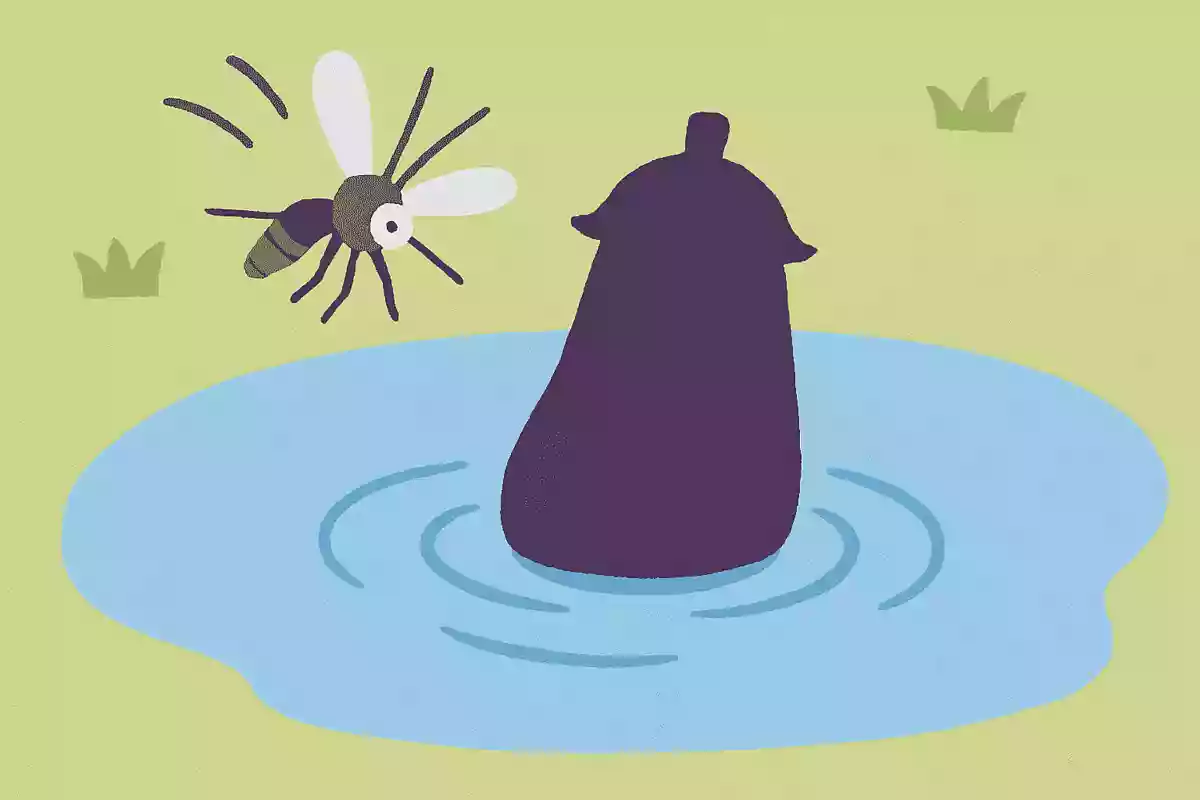
Here’s a riddle about mosquitoes that show up when it gets warm.
A mosquito falls into a pond and turns into a certain vegetable.
What vegetable is it? Of course, in reality a mosquito wouldn’t instantly turn into a vegetable just by falling into a pond, but since it’s a riddle, let’s think flexibly to find the answer! The hint is the sound it makes when it falls into the pond.
The correct answer is “pumpkin.” It’s a playful riddle based on the Japanese wordplay: a mosquito (ka) goes “bocha” (splash) into the pond—ka + bocha = kabocha (pumpkin).
Did you arrive at the answer cleanly?
When my grandchild does a handstand, they transform into a certain food. What food is it?

Let’s try a riddle that plays with words.
When a grandchild stands on their head, they transform into a certain food.
What is it? Many of you may be picturing a cute grandchild doing a handstand.
Here’s a hint: it’s a small food often used as a topping.
The key is the word “mago” (grandchild)! The answer is “goma” (sesame).
If you read “mago” backwards, it becomes “goma.” It’s a humorous riddle that expresses reading a word backwards as doing a handstand.
What kind of elephant can you eat, even though it’s an elephant?

It’s a classic type of riddle where you focus on the sound of a word and follow words that contain that sound according to the puzzle’s conditions.
Since the animal “elephant” (zou) isn’t associated with eating, it helps to imagine a food that contains the sound “zou.” The fact that there are only a few foods with that “zou” sound is also a key point, and narrowing down the answer gives your brain a good workout.
It’s a puzzle that brings to mind the simple food name that includes the word “zou,” namely ozōni (New Year’s soup), as the answer.

What is the “niku” that’s sold at a greengrocer, not a butcher?
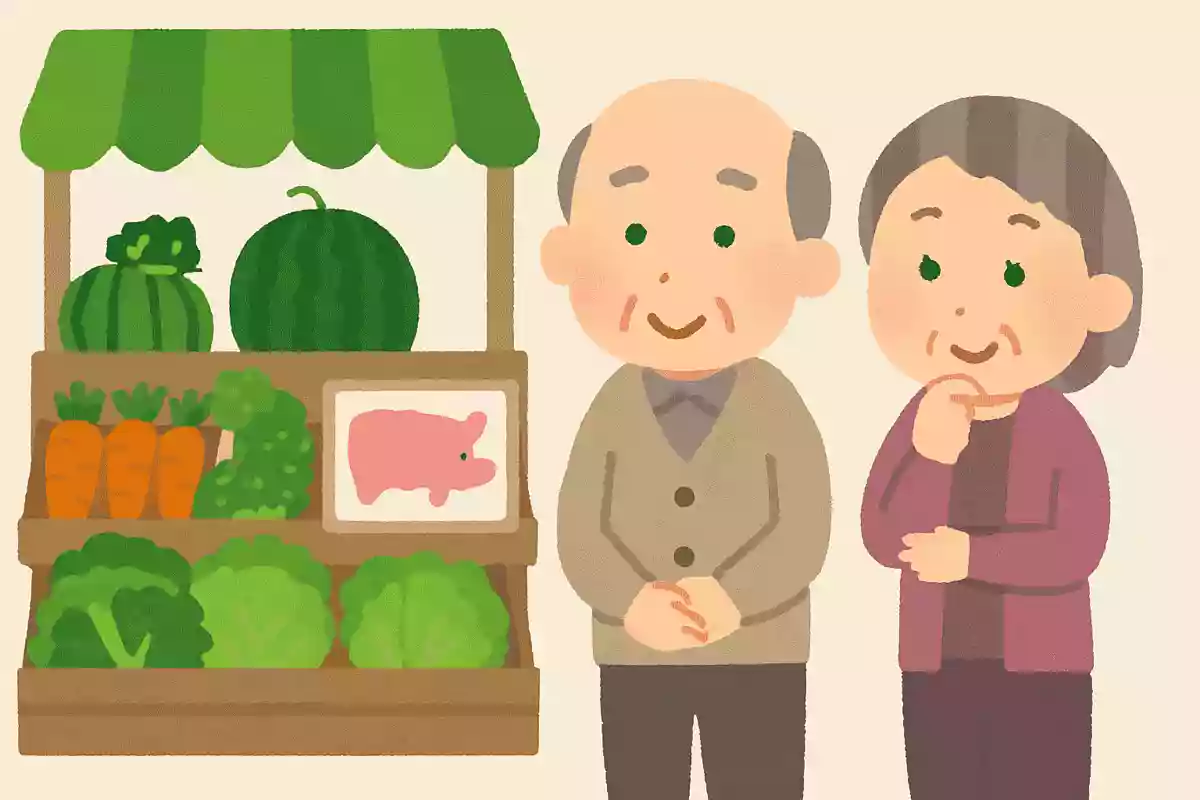
Let’s try a riddle that’s fun to solve! What is the “niku” that’s sold at a greengrocer, not at a butcher’s shop? When you hear “niku,” you probably think of pork, beef, or chicken—things sold at a butcher’s.
But in this riddle, the “niku” is something sold at a greengrocer.
Hint: the word “niku” is contained within the name of a vegetable! The answer is “ninniku” (garlic).
It’s definitely a kind of “niku” you’d find at a greengrocer!