

[For Seniors] Laugh-Out-Loud, Crowd-Pleasing! Fun Quiz


Quick wits matter! We bring you laugh-out-loud brain teasers and riddles that make you blurt out “Ahh!” or “I see!” the moment you get the answer or someone tells you the correct one.
There are plenty of riddles that are friendly and familiar for seniors, too.
If the answer doesn’t come easily, try thinking it through with the people around you, or offer small hints to guide everyone toward the solution.
Those “almost got it, but not quite” questions give your brain a great workout.
Enjoy a delightful time that brings a little chuckle and a smile the moment the answer clicks.
- [For Seniors] Fun and Lively! Recommended Quiz Questions
- [For Seniors] Guaranteed to Liven Things Up! A Collection of Brain Training Activities That Will Spark Laughter
- [For Seniors] Nostalgic quizzes that bring back memories! Showa-era entertainment and sports questions
- [For Seniors] Fun and Educational True-or-False Quiz
- [For Seniors] Have Fun with Wordplay Characters! A Collection of Funny Puzzles
- [Brain Training] Lively Word Quiz for Seniors
- [For Seniors] Lively two-choice trivia quiz. Handy to know and tidbits you'll want to share with others
- [For Seniors] Fun! Let’s Get Excited with Japan’s Number One Quiz
- [For Seniors] Trivia Multiple-Choice Quiz
- [For Seniors] Fun Riddles That Stimulate the Brain
- [For Seniors] Fun and Informative! Health Trivia Quiz
- [For Seniors] Sports Trivia Quiz & Fun Facts. Easy and Entertaining
- [For Seniors] Recommended for Brain Training! Nostalgic Showa-Era Quiz
Riddles, Brain Teasers, and Fun Questions (11–20)
What is something that a younger brother has two of, but a younger sister has only one of?
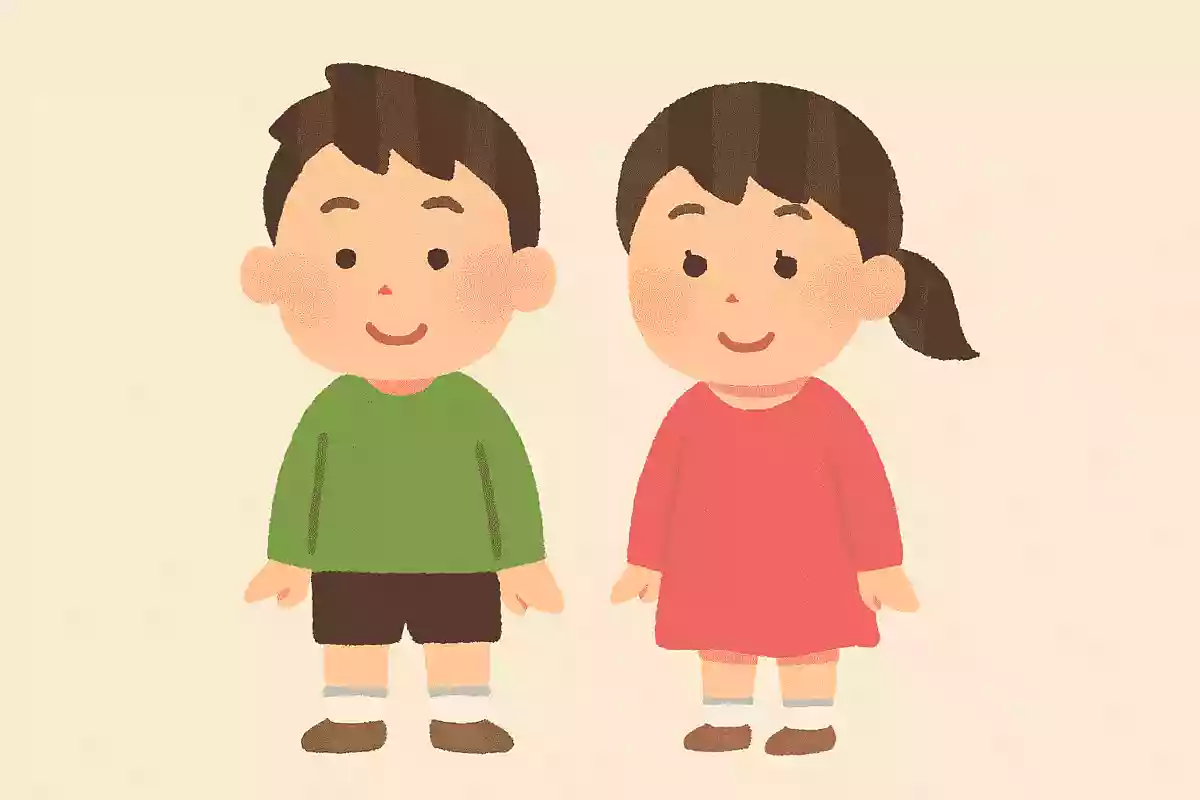
People with siblings have probably felt various forms of unfairness in long-lasting relationships.
This riddle evokes that kind of relationship and asks: what is something that two younger brothers and one younger sister each have? Since it’s a wordplay riddle, it’s not actually about real sibling unfairness; the key is to think about what exactly is being asked.
The hint is to think of each word as text: if you convert the kanji into hiragana, the answer appears.
The answer is the hiragana character “と”; when you write “おとうと” (younger brother) and “いもうと” (younger sister) in hiragana, it becomes obvious.

Which way is the window facing that the burglar will come in through?

A thief is a villain that anyone might encounter, so it’s important to prepare your security just in case.
Now, if a thief were to break in, which direction would the window they enter be facing? This is a wordplay quiz that expands on the wording, so don’t think about the structure of the house—focus on rephrasing based on the thief’s actions.
The correct answer is “southeast.” Since a thief commits “theft” (tōnan in Japanese), you can rephrase “tōnan” (theft) as “tōnan” (southeast).
Of course, this is not useful for actual crime prevention, so keep that in mind.
What is something that feels good when you press it, but breaks when you drop it?
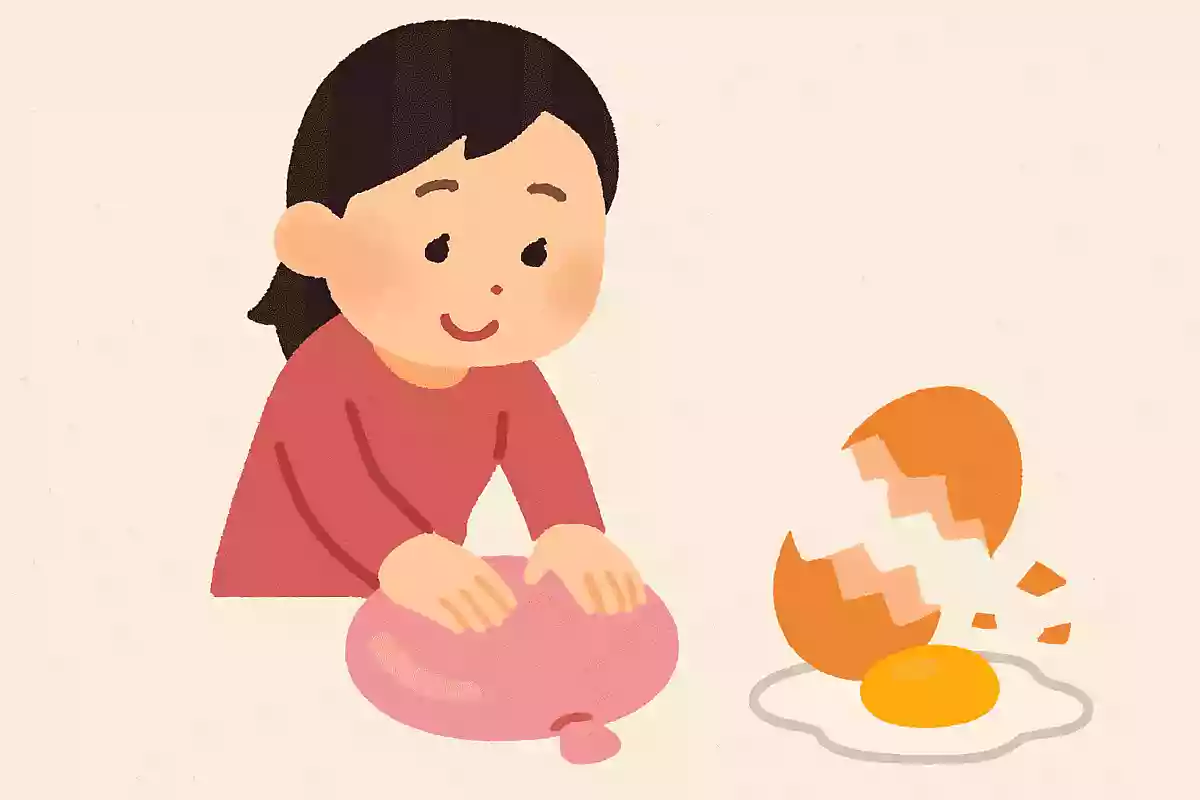
“Osu” (to press) and “otosu” (to drop) are words that sound similar, and in terms of how situations unfold, pressing something can lead to dropping it, so they feel related.
Now, imagine two actions that, despite their similarity, produce completely different situations: what is something that feels good when you press it, but breaks when you drop it? Try to picture objects from each outcome, then see if the idea can be applied to the other—this way, you can broaden your thinking.
The answer is ‘tsubo.’ In Japanese, tsubo can mean an acupressure point on the body, which feels good when pressed, and it can also mean a pot or jar, which breaks when dropped.
It’s a word with two meanings that fit the riddle.
What is the flower that comes out when you order ramen?
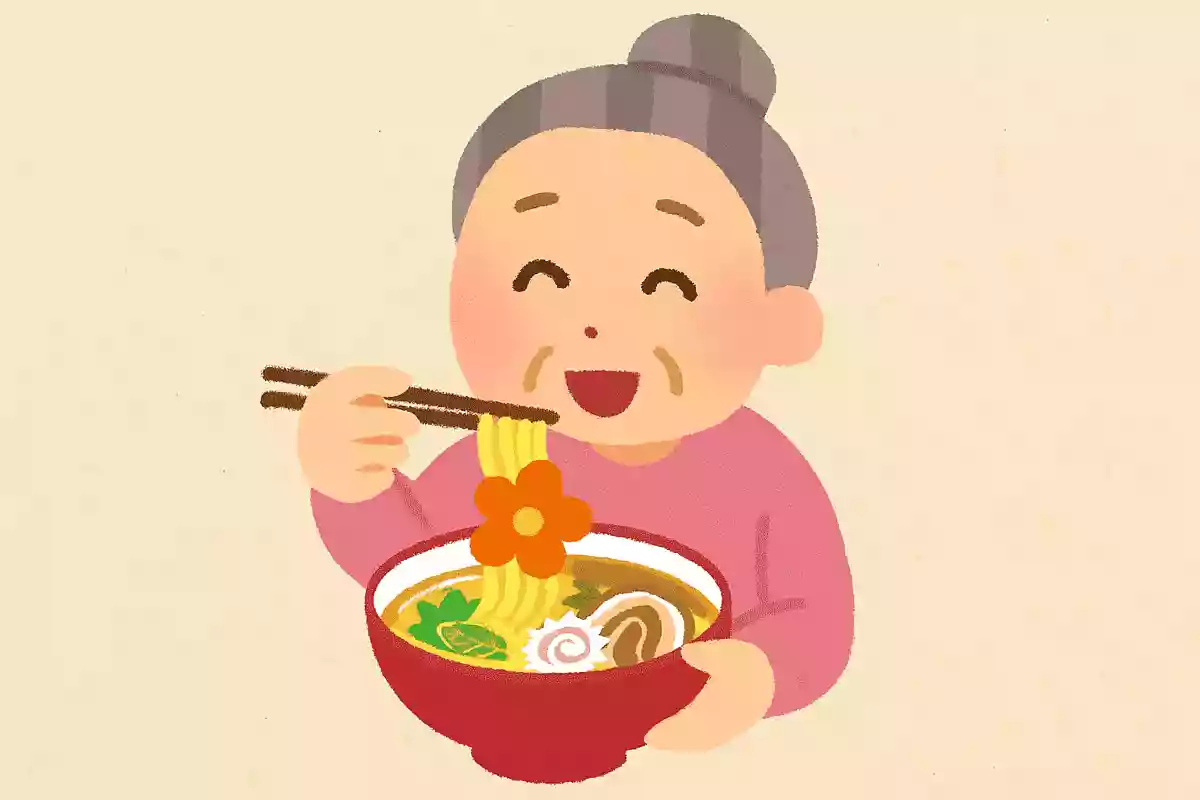
This is a riddle where you find the answer by thinking simply.
What flower appears when you order ramen? If you imagine what it looks like when the ramen is actually served, you might figure it out.
The answer is “renge.” The utensil used to sip the soup is called a renge (Chinese-style soup spoon)! The lotus flower is also pronounced “renge” in Japanese.
Some of you may have figured it out right away.
It’s a fun riddle, so try asking it to people around you!
Who is the biggest among the doctor, the teacher, and the detective?

Here’s a riddle that challenges you to think in terms of rephrasing! Among a doctor, a teacher, and a detective, who is the biggest? If you think simply, many would say, “It depends on the person, so we can’t know.” But if you consider rewording, you might find the answer.
The answer is the detective.
In Japanese, a detective can be rephrased as “deka,” which also sounds like “big”! Once you get it, it’s a humorous riddle that makes you go, “Ah, I see.” And when you know the answer, you’ll want to share it with someone!
What fruit is good at judo, kendo, and karate?
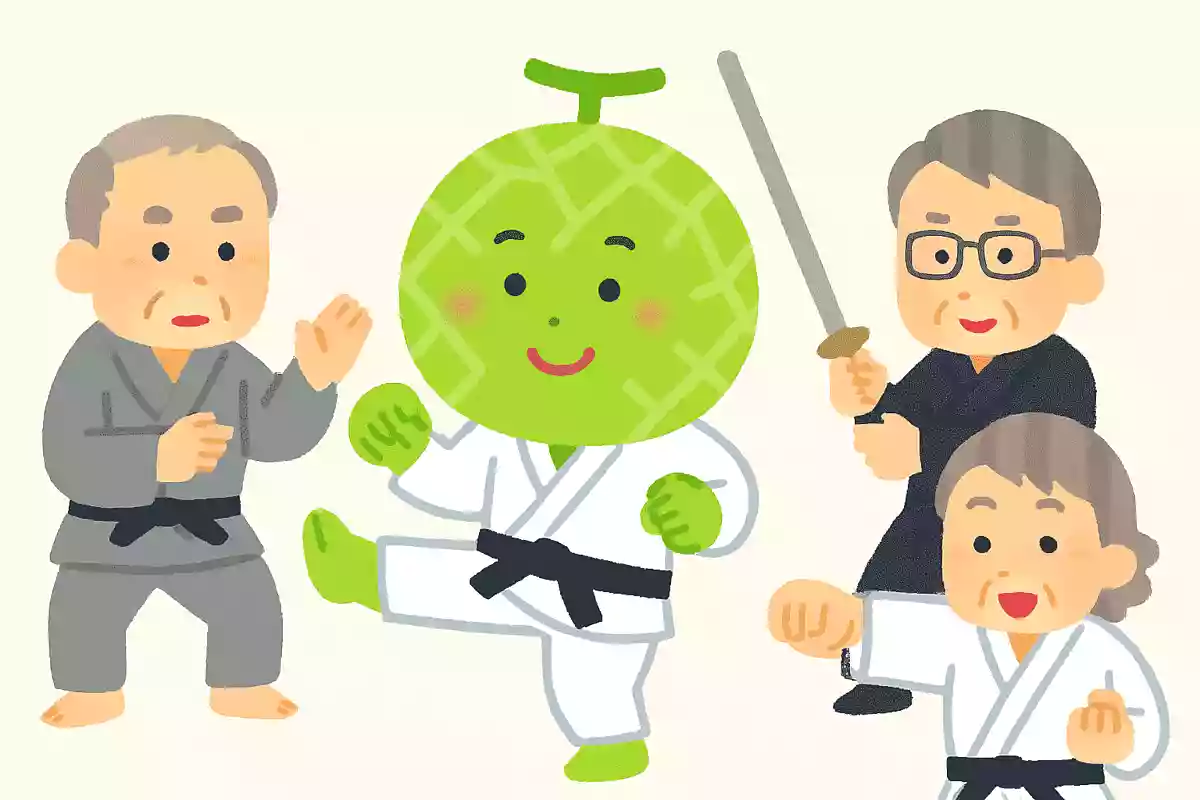
Let’s try a riddle that hinges on words that sound the same but have different meanings.
Which fruit is good at judo, kendo, and karate? If you take the sentence literally, it seems impossible that a fruit would do judo, kendo, or karate.
The hint is to think about what you call judo, kendo, karate, and similar disciplines collectively.
The answer is “grape” (budō).
It sounds the same as the fruit “grape” (budō), but judo, kendo, and karate are collectively referred to as “martial arts” (budō) in Japanese.
It’s a fun riddle that plays on different meanings of the same sound.
Riddles, Brain Teasers, and Fun Questions (21–30)
There are four rocks swimming in the sea. What on earth could they be?

The key points are “in the sea,” “rock,” “four,” and “swimming,” right? First, since it’s swimming in the sea, we can infer it’s a fish.
Then, combining “rock” (iwa) and “four” (shi), we get “iwashi,” sardine.
By the way, the origin of the word iwashi is said to be “weak” (yowashi), named because they die easily.
There are many riddles that can be solved with similar wordplay, so this seems like a good practice problem.
Definitely try looking for similar ones and give them a shot.
