

[For Seniors] Laugh-Out-Loud, Crowd-Pleasing! Fun Quiz


Quick wits matter! We bring you laugh-out-loud brain teasers and riddles that make you blurt out “Ahh!” or “I see!” the moment you get the answer or someone tells you the correct one.
There are plenty of riddles that are friendly and familiar for seniors, too.
If the answer doesn’t come easily, try thinking it through with the people around you, or offer small hints to guide everyone toward the solution.
Those “almost got it, but not quite” questions give your brain a great workout.
Enjoy a delightful time that brings a little chuckle and a smile the moment the answer clicks.
- [For Seniors] Fun and Lively! Recommended Quiz Questions
- [For Seniors] Guaranteed to Liven Things Up! A Collection of Brain Training Activities That Will Spark Laughter
- [For Seniors] Nostalgic quizzes that bring back memories! Showa-era entertainment and sports questions
- [For Seniors] Fun and Educational True-or-False Quiz
- [For Seniors] Have Fun with Wordplay Characters! A Collection of Funny Puzzles
- [Brain Training] Lively Word Quiz for Seniors
- [For Seniors] Lively two-choice trivia quiz. Handy to know and tidbits you'll want to share with others
- [For Seniors] Fun! Let’s Get Excited with Japan’s Number One Quiz
- [For Seniors] Trivia Multiple-Choice Quiz
- [For Seniors] Fun Riddles That Stimulate the Brain
- [For Seniors] Fun and Informative! Health Trivia Quiz
- [For Seniors] Sports Trivia Quiz & Fun Facts. Easy and Entertaining
- [For Seniors] Recommended for Brain Training! Nostalgic Showa-Era Quiz
Japanese Culture, Geography, and Health Knowledge (21–30)
Hot Spring Resort Quiz

If you love hot springs, take on this challenge! Here are some ideas for a hot spring destination quiz.
Japan is home to renowned hot springs across the country.
Some of you may have visited various hot spring areas while traveling.
This quiz is perfect for you.
There are 25 questions in total.
It’s a slightly difficult quiz where you look at a hot spring area and answer the municipality (city, town, or village) where it’s located.
But the satisfaction of getting it right will be huge.
It’s a quiz idea you can enjoy solo or in a group!
What is the name of the southernmost island in Japan?
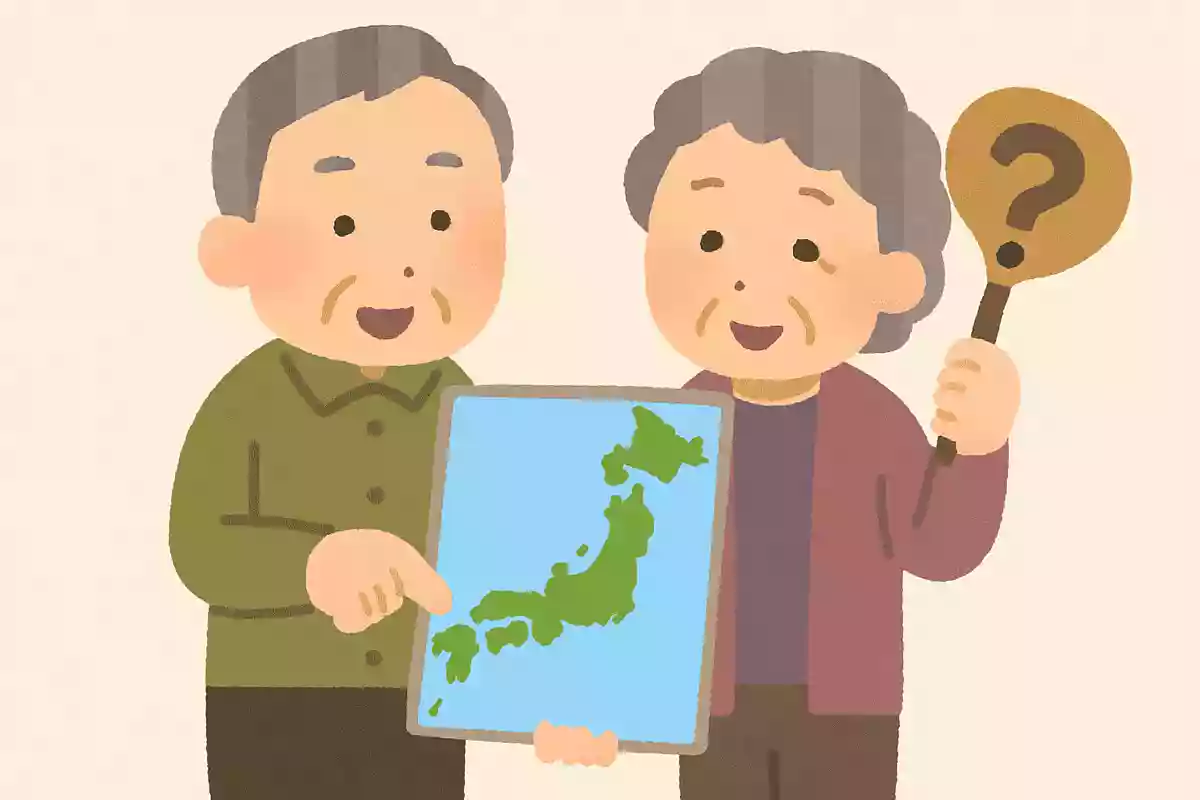
In addition to large islands like Honshu, Japan is also made up of many smaller islands.
Among those small islands, which island is the southernmost point of Japan, and in which prefecture is it located? When you think of the south, Kyushu or Okinawa might come to mind first, but you may get closer to the answer if you picture Japan’s shape spreading diagonally not only north–south but also east–west.
The correct answer is Okinotorishima in the Ogasawara Islands of Tokyo; this is the southernmost point among all Japanese islands, including uninhabited ones.

Showa-Era Retro and Nostalgic Goods (1–10)
From the late 1950s to the 1960s in the Showa era, a certain indoor sport became extremely popular. What sport was it?
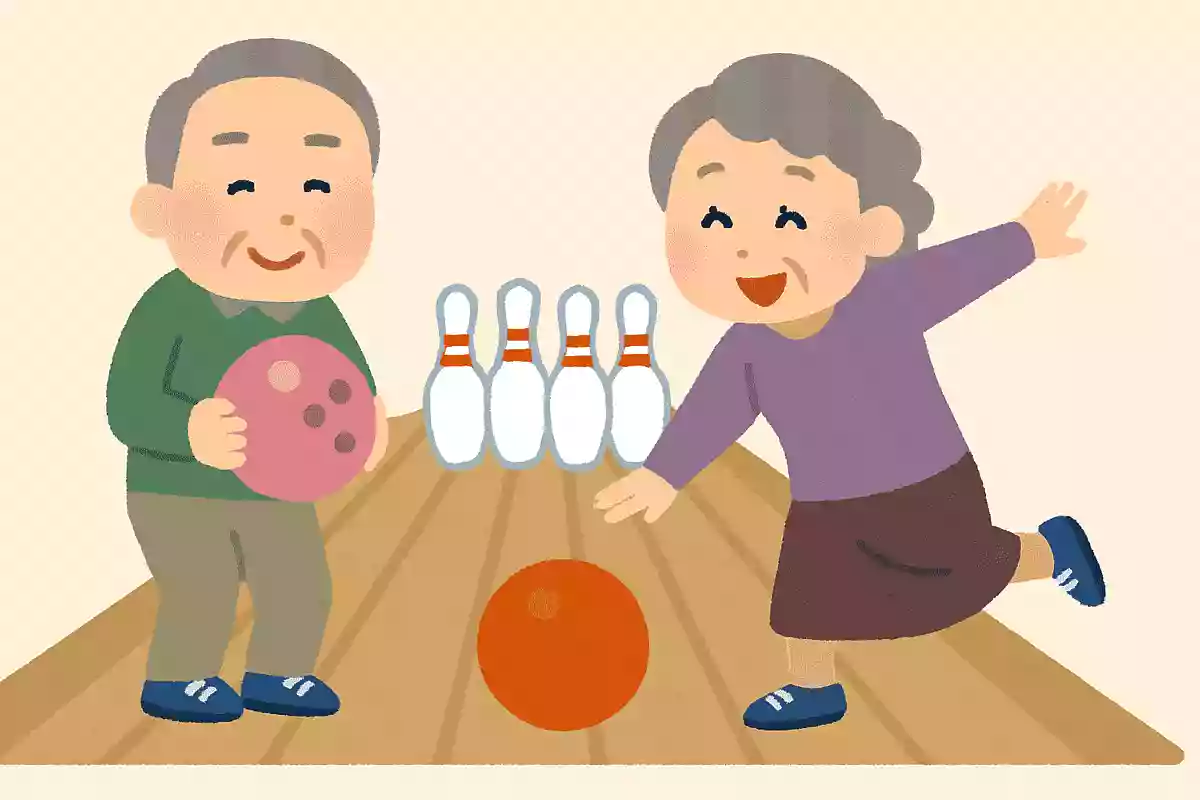
The sport in question—many older people might say they used to play it often, especially with the recent boom—what could it be? Here are some hints: it’s a sport that uses a heavy ball, and you throw that ball toward a specific target.
The answer is bowling! At the time, there were over 3,500 bowling alleys nationwide, and many people owned their own shoes and balls.
Numerous star players emerged as well, such as Kayoko Suda and Ritsuko Nakayama.

The black rotary phone has strengths not found in modern landlines or mobile phones. What kind of features does it have?
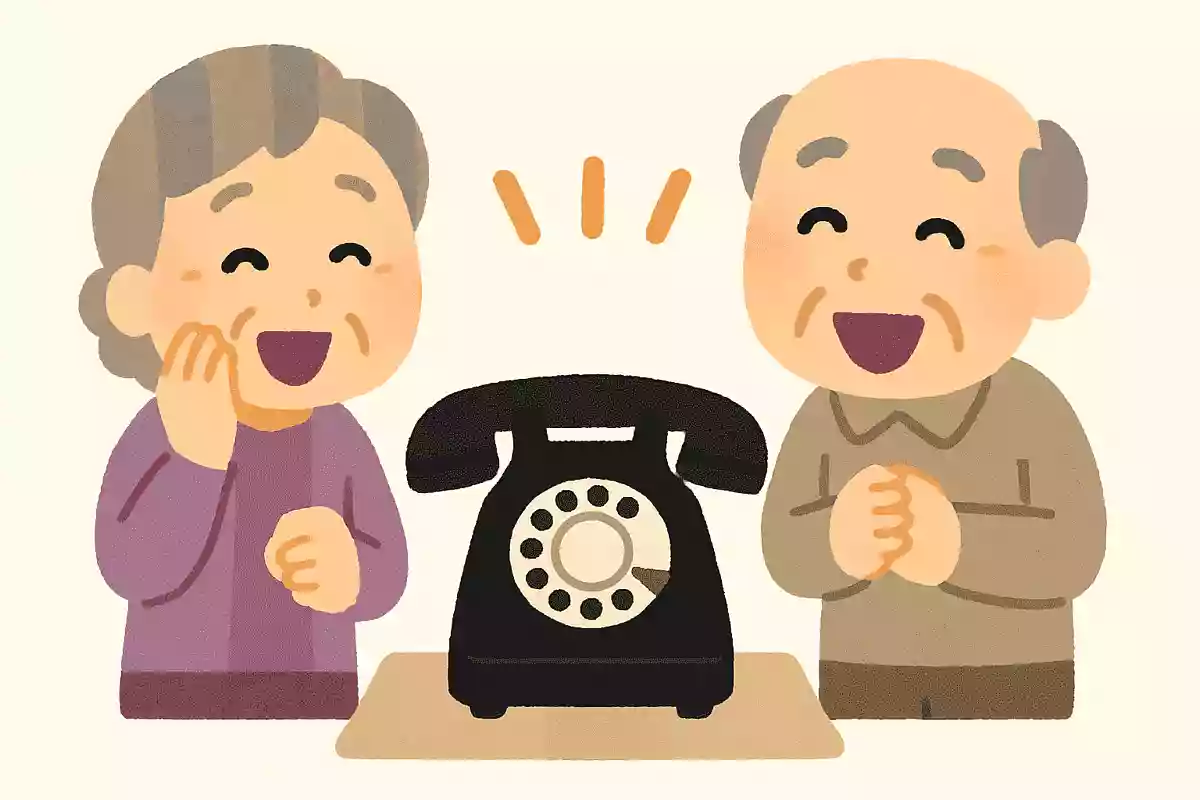
The old black rotary phone that you dial by turning the wheel—many older people probably used one at home.
Those black phones had a certain feature that today’s landlines, cell phones, and smartphones don’t.
Here’s a hint: it’s something essential for landlines and cell phones—without it, they can’t even be used.
The answer is: they don’t need a power source or an outlet! Landline phones won’t work unless they get electricity from a wall outlet, and cell phones and smartphones have to be charged with a charger.
But black rotary phones run solely on power from the telephone line, so you can still use them even during a blackout!
There was a game board that became popular among children in the 1950s and 60s (Showa 30s). What sport was turned into the board game?
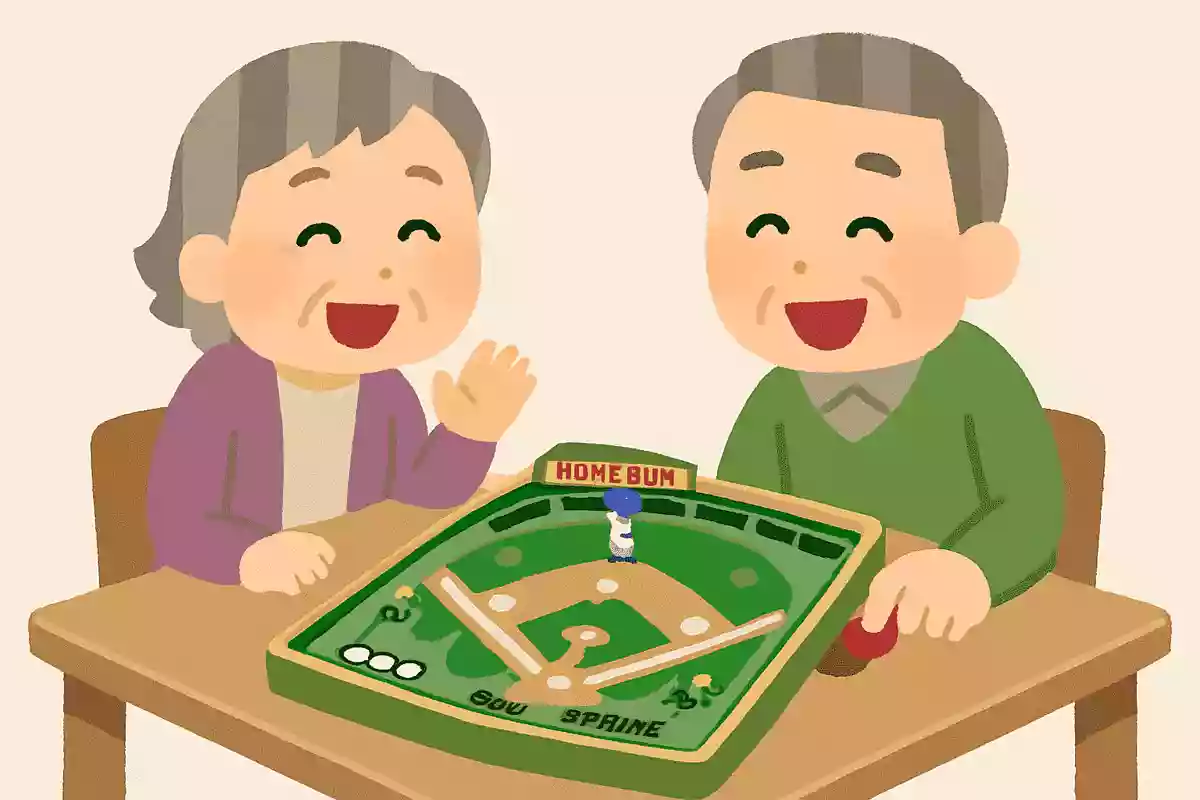
Various kinds of toys have been created both in the past and present, bringing joy to children.
They range from simple ones where the outcome is decided in a single move to those that require strategy, and some people may even have played with original rules or custom variations.
Among such toys, when you think of board-style games themed around sports that were popular around the mid-1950s (Showa 30s), what comes to mind? Some might guess it just from the phrase “sports-themed board.” The answer is the baseball board game—known as yakyūban—which came in many versions, differing in size and how they were operated.
In the late 1980s, it became popular to wear flashy outfits outdoors and dance “step dance” to disco sounds. What were these people called as a ‘tribe’?
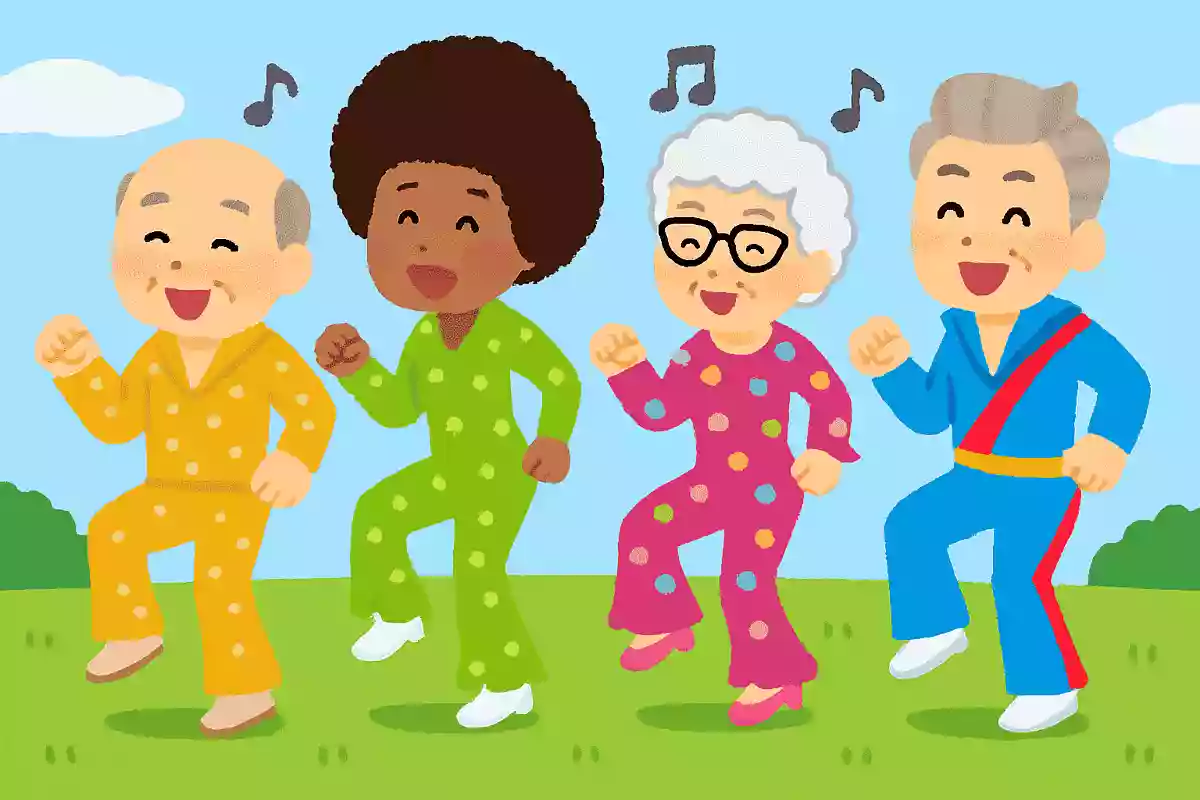
Since the Heisei era, many dance-vocal groups have emerged, but even before that, there was a large dance collective! They were reportedly seen near Yoyogi Park in Tokyo, as well as in Kichijoji, Ikebukuro, and even Nagoya.
What were these people called? Here’s a hint: they share their name with a vegetable.
The answer is the Takenoko-zoku! There were many groups among those known as the Takenoko-zoku, and some members were even scouted and made their entertainment industry debut.
In 1970 (Showa 45), the local call charge for public telephones became 10 yen for 3 minutes. What had the pricing structure been like before that?
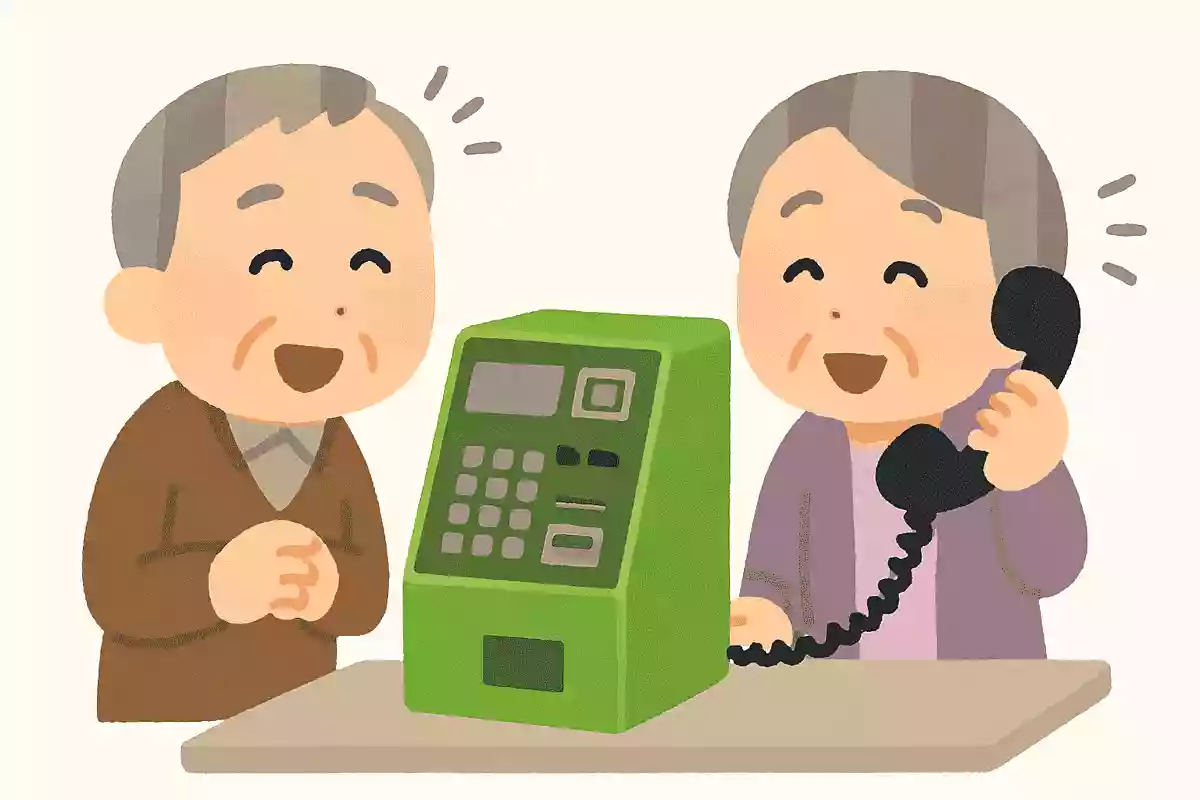
Public telephones used to be essential for making calls while out and about, but as time has gone on, we see them less and less.
Because opportunities to use them have decreased, many of us may no longer have a clear sense of the cost, but the rate is set at 10 yen for three minutes.
That “10 yen for three minutes” rate was introduced in 1970; before that, the pricing was different.
So what was the rate before 1970? The answer is “10 yen per call.” As long as you paid 10 yen, there was no time limit—your call would stay connected without worrying about the duration.
It’s worth noting the anecdote that many people would monopolize the phone for long periods because of this.