

[For Seniors] Laugh-Out-Loud, Crowd-Pleasing! Fun Quiz


Quick wits matter! We bring you laugh-out-loud brain teasers and riddles that make you blurt out “Ahh!” or “I see!” the moment you get the answer or someone tells you the correct one.
There are plenty of riddles that are friendly and familiar for seniors, too.
If the answer doesn’t come easily, try thinking it through with the people around you, or offer small hints to guide everyone toward the solution.
Those “almost got it, but not quite” questions give your brain a great workout.
Enjoy a delightful time that brings a little chuckle and a smile the moment the answer clicks.
- [For Seniors] Fun and Lively! Recommended Quiz Questions
- [For Seniors] Guaranteed to Liven Things Up! A Collection of Brain Training Activities That Will Spark Laughter
- [For Seniors] Nostalgic quizzes that bring back memories! Showa-era entertainment and sports questions
- [For Seniors] Fun and Educational True-or-False Quiz
- [For Seniors] Have Fun with Wordplay Characters! A Collection of Funny Puzzles
- [Brain Training] Lively Word Quiz for Seniors
- [For Seniors] Lively two-choice trivia quiz. Handy to know and tidbits you'll want to share with others
- [For Seniors] Fun! Let’s Get Excited with Japan’s Number One Quiz
- [For Seniors] Trivia Multiple-Choice Quiz
- [For Seniors] Fun Riddles That Stimulate the Brain
- [For Seniors] Fun and Informative! Health Trivia Quiz
- [For Seniors] Sports Trivia Quiz & Fun Facts. Easy and Entertaining
- [For Seniors] Recommended for Brain Training! Nostalgic Showa-Era Quiz
Trivia, fun facts, and nuggets of knowledge (11–20)
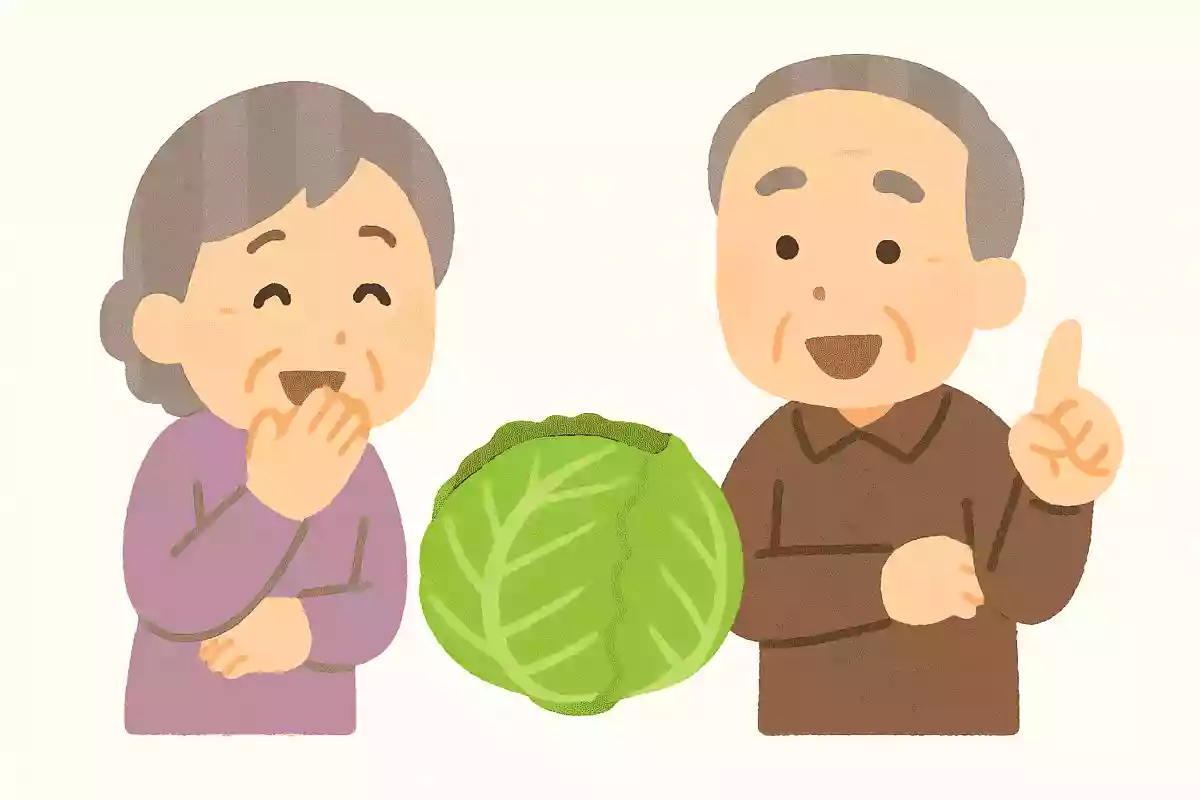
In “cream puff,” the word choux comes from French and means a vegetable. Which vegetable is it?
A sweet and delicious cream puff filled with plenty of cream.
The “chou” in chou cream (cream puff) actually comes from the French word for a vegetable.
Hints for the vegetable: it’s a round, hefty leafy vegetable; you put it in yakisoba; and there’s a dish called “cabbage rolls.” The answer is, of course, cabbage! It’s said that the resemblance between the round shape of a cream puff and a cabbage is also related.
Incidentally, in French a cream puff is called “chou à la crème.”

What background color makes it easier to thread a needle?
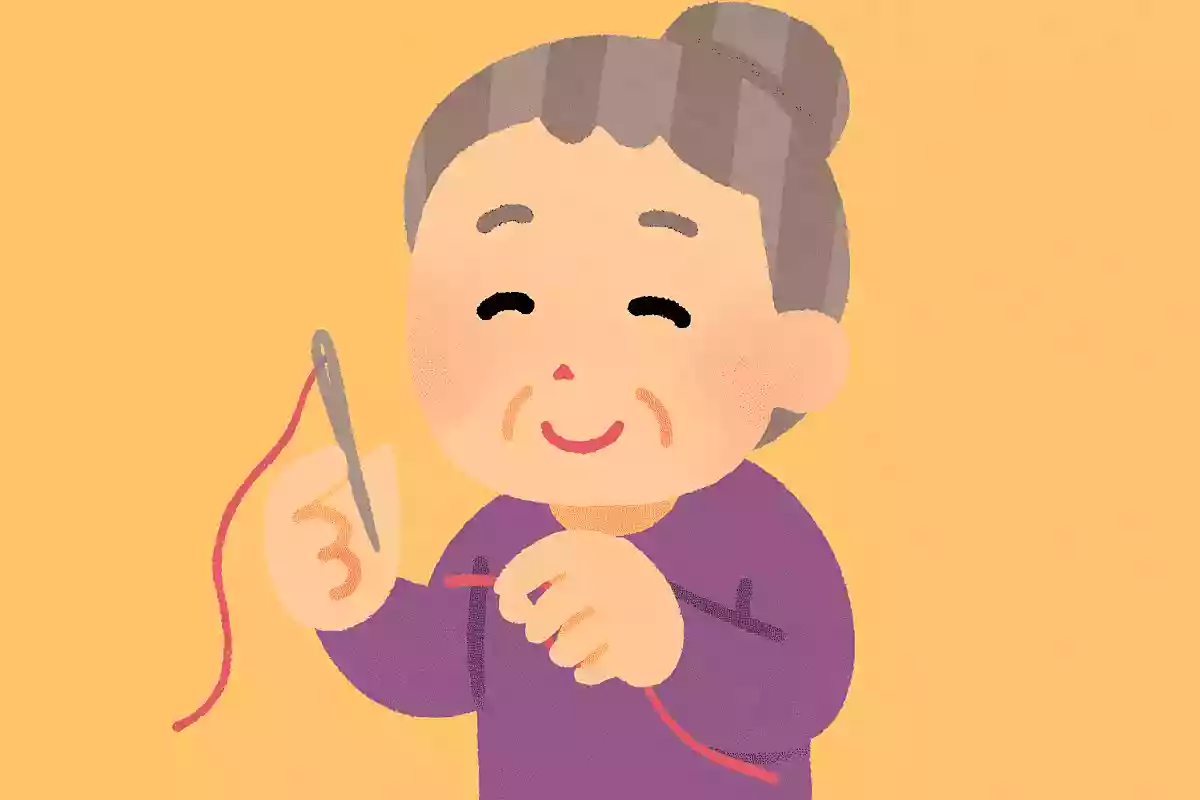
Threading a needle gets harder as we get older, doesn’t it? Even if your eyes can line up the needle’s eye and the thread, actually getting the thread through that tiny opening is tricky.
But this method is super handy to know for times like that! Many seniors enjoy sewing as a hobby, so be sure to build up your know-how through this quiz.
The answer to this quiz is “yellow.” Because yellow is a high-expansion color, it can make the needle’s eye appear slightly larger, making it easier to thread.
Give it a try!
What is ‘moshi moshi’ on the phone short for?

When answering the phone, we casually say “moshi moshi,” but what is it short for? The answer is “moushimasu, moushimasu” (“I speak, I speak”).
When telephones were introduced in Japan in 1890 (Meiji 23), calls were connected by telephone operators.
Many operators were women at the time, and they would say “moushimasu, moushimasu,” meaning “I’m about to speak,” which was shortened to “moshi moshi.” Incidentally, men would call out “oi, oi,” and the conversation would begin with responses like “hai, you gozansu” (“yes, very well”).

“Nimaime” is a term originating from Kabuki that refers to a gentle, handsome man. What kind of role does “Gomaime” refer to?

Have you ever heard the term “nimaime” actor? It actually comes from kabuki and refers to a seductive or handsome actor.
Here’s a question: what kind of actor does “gomaime” refer to? The correct answer is the protagonist’s rival.
By the way, “ichimaime” is the protagonist, “sanmaime” is the comic relief, and “yonmaime” is a mid-ranking actor.
And furthermore, “rokumaime” is the likable antagonist, while “nanamaime” is the mastermind who commits misdeeds.
It might be fun to think about who’s which ‘-maime’ when you watch dramas or movies.

Why are flamingos red or pink in color?

Speaking of flamingos, we tend to picture beautiful red or pink hues, right? In fact, that color isn’t innate—it has a lot to do with what they eat.
Flamingos primarily feed on algae and small crustaceans, which are rich in pigments called carotenoids.
These pigments are broken down in the body and give their feathers shades of pink and red.
In other words, the answer is that the pigments in their food are reddish.
Flamingos also have an organ called the crop in their throat, and the fluid produced there is often referred to as “flamingo milk.”

Besides salt, what seasoning, when sprinkled on a slug, would make it shrink?

Slugs that appear on rainy days.
Everyone knows they shrivel up when you sprinkle salt on them.
In fact, there’s another seasoning that makes them shrink when sprinkled: sugar.
The mechanism is the same as with salt—water is drawn out of the slug’s body.
However, with sugar it’s said to take about six times longer to fully shrivel than with salt.
If you want to learn more, check out videos of actual experiments.
That said, it does feel a bit sad.
Nails are part of a certain part of the body. Where on the body are they?

You might think a nail is just a nail, but in fact it’s simply a part of another part of the body.
So, what exactly is it? Rather than overthinking it, it might help to go with the first body part that comes to mind.
The straight answer: skin! Nails are formed when the skin hardens and changes, becoming something harder and different from soft skin.
By the way, if you lose your nails, you may have trouble gripping objects properly, protecting your fingertips, and—in the case of toenails—keeping your body stable.
So take good care of them.