

[For Seniors] Laugh-Out-Loud, Crowd-Pleasing! Fun Quiz


Quick wits matter! We bring you laugh-out-loud brain teasers and riddles that make you blurt out “Ahh!” or “I see!” the moment you get the answer or someone tells you the correct one.
There are plenty of riddles that are friendly and familiar for seniors, too.
If the answer doesn’t come easily, try thinking it through with the people around you, or offer small hints to guide everyone toward the solution.
Those “almost got it, but not quite” questions give your brain a great workout.
Enjoy a delightful time that brings a little chuckle and a smile the moment the answer clicks.
- [For Seniors] Fun and Lively! Recommended Quiz Questions
- [For Seniors] Guaranteed to Liven Things Up! A Collection of Brain Training Activities That Will Spark Laughter
- [For Seniors] Nostalgic quizzes that bring back memories! Showa-era entertainment and sports questions
- [For Seniors] Fun and Educational True-or-False Quiz
- [For Seniors] Have Fun with Wordplay Characters! A Collection of Funny Puzzles
- [Brain Training] Lively Word Quiz for Seniors
- [For Seniors] Lively two-choice trivia quiz. Handy to know and tidbits you'll want to share with others
- [For Seniors] Fun! Let’s Get Excited with Japan’s Number One Quiz
- [For Seniors] Trivia Multiple-Choice Quiz
- [For Seniors] Fun Riddles That Stimulate the Brain
- [For Seniors] Fun and Informative! Health Trivia Quiz
- [For Seniors] Sports Trivia Quiz & Fun Facts. Easy and Entertaining
- [For Seniors] Recommended for Brain Training! Nostalgic Showa-Era Quiz
Showa-Era Retro and Nostalgic Goods (1–10)
Japan’s first moving walkway debuted in 1967 (Showa 42). Do you know where it made its first appearance?

Moving walkways found in airports and large train stations look like escalators, but instead of taking you up or down a floor, they carry you straight ahead.
They’re faster than walking and let you glide smoothly to your destination, making them very convenient.
So, where did moving walkways first appear in Japan? Here’s a hint: it’s in Kansai, in a place known for people who are often in a hurry.
The answer is Osaka! The first one was installed at Hankyu Umeda Station.
At the time, the station was undergoing expansion, and the walkway was built to improve access from platform to platform.
By the way, you often see people walking on moving walkways, but it’s dangerous, so once you step on, stand still and ride it to your destination.

What were they originally spinning with beigoma?
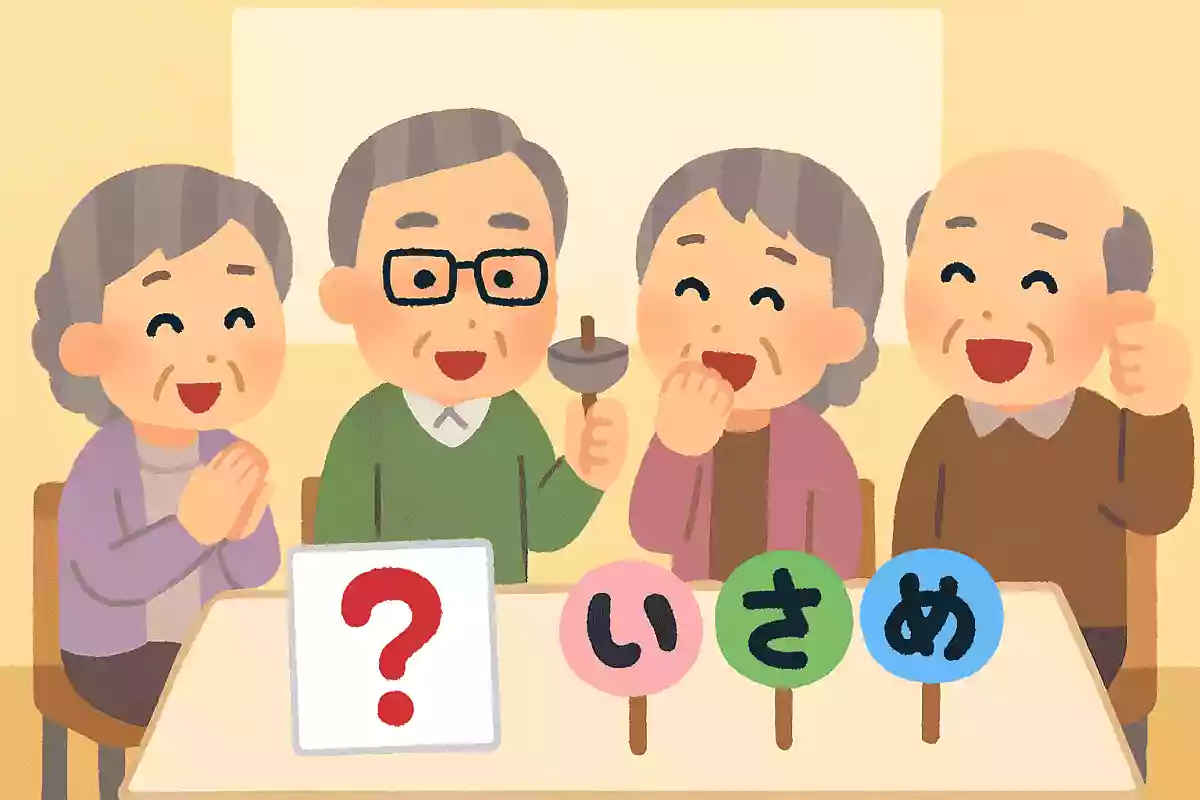
Beygoma, often regarded as a classic nostalgic game, really gets your heart racing when you knock other tops out of the ring.
While many people picture beygoma as heavy metal tops, it’s said that they originally used something quite different.
So what were beygoma made from? Thinking back to their Heian-period origins and the use of natural materials points us to the answer: the Japanese whelk shell (bai-gai).
They would pack sand into the shell and spin it using the pointed end as the axis.
Since the material varied in shape and size, it likely affected how easy they were to spin and how strong they were.

What was the thing that used to be installed at many stations, where you could leave a message even if you failed to meet up?
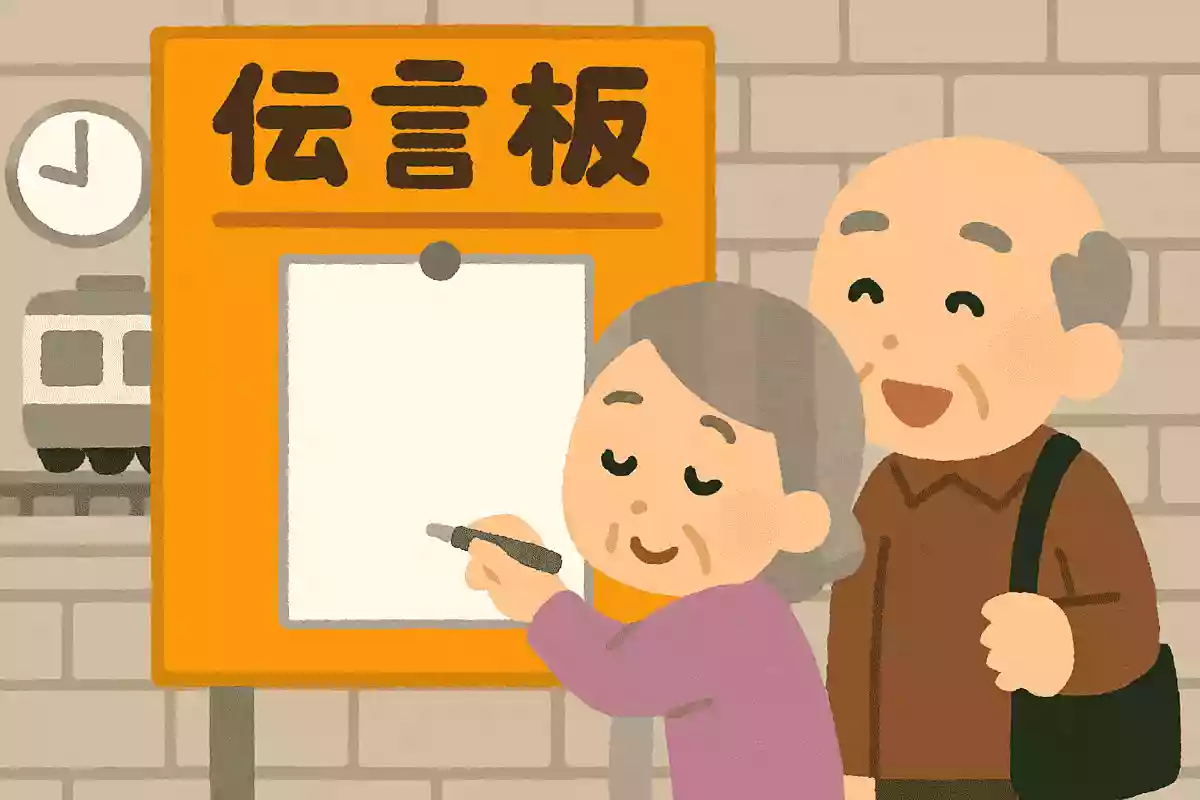
The answer is a message board.
You hardly see them anymore now that mobile phones are widespread, but back in the days when we only had landlines and no way to send emails, many people used message boards to leave notes.
They were basically installed at train stations and anyone could write on them.
They looked like a smaller version of a classroom blackboard.
Station staff would erase them after a certain period, so they were only for temporary use, but they were a handy tool for arranging to meet up.

Around 1955 (Showa 30), what were the cafes in Japanese urban areas—where everyone sang together—called?
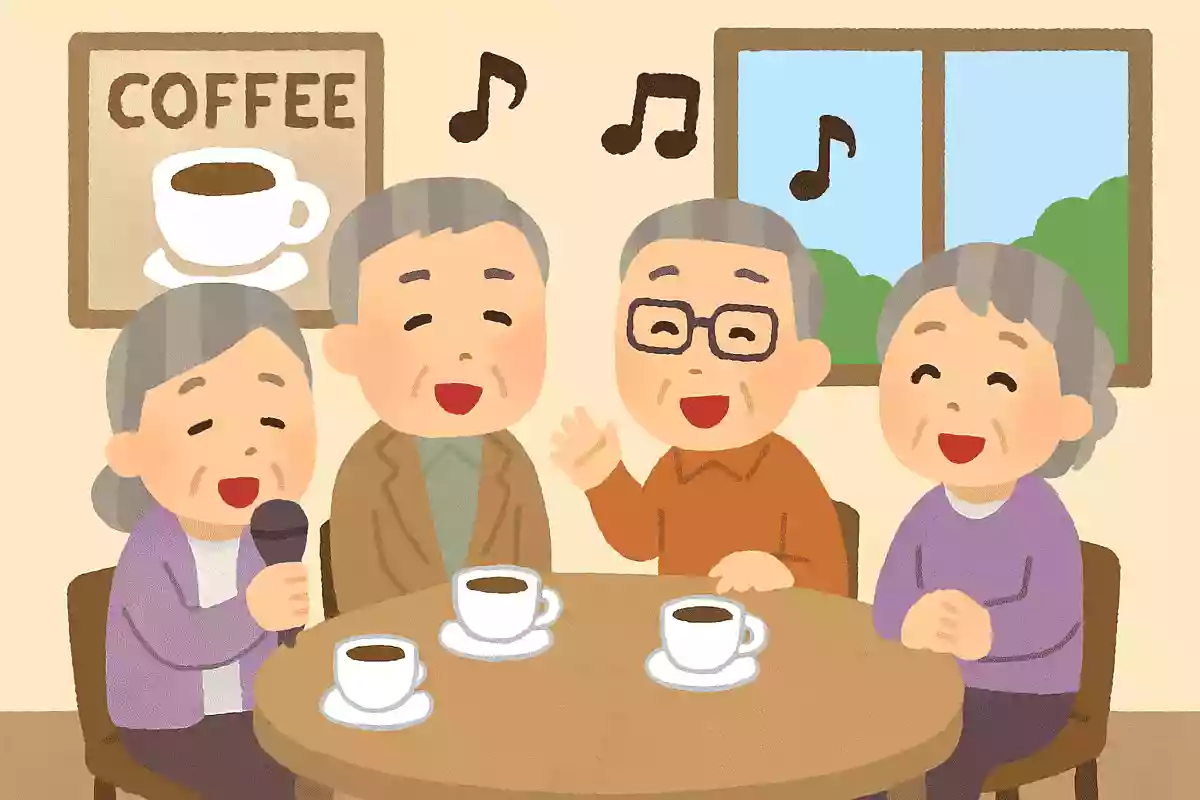
Songs that have always been close to people’s hearts are loved in various ways depending on the era.
Before karaoke boxes appeared, what were the cafes called—popular around the mid-1950s and spreading mainly in Japanese cities—where everyone would sing together? The name clearly evokes the scene of people layering their voices along with various instruments.
The answer is “utagoe kissa” (singing voice cafes).
It is said that as people layered their voices, a sense of solidarity grew, which had a significant impact on student and labor movements.
In 1977 (Showa 52), Japan successfully launched its first meteorological satellite. What was the name of this weather satellite?

A weather satellite is a satellite that observes various weather-related data from space.
These satellites, which are useful for weather and disaster forecasting, are also launched from Japan.
So, what is the name of the satellite that Japan first successfully launched in 1977 (Showa 52)? It might be easier if you think of a flower that symbolizes summer in Japan.
The answer is “Himawari” (sunflower).
Named after the flower that turns its face toward the sun, Himawari is Japan’s representative series of weather satellites, with multiple generations launched since the first.
Showa-era retro and nostalgic goods (11–20)
What is the game called where you use a single string looped around your fingers or wrist to create various shapes?
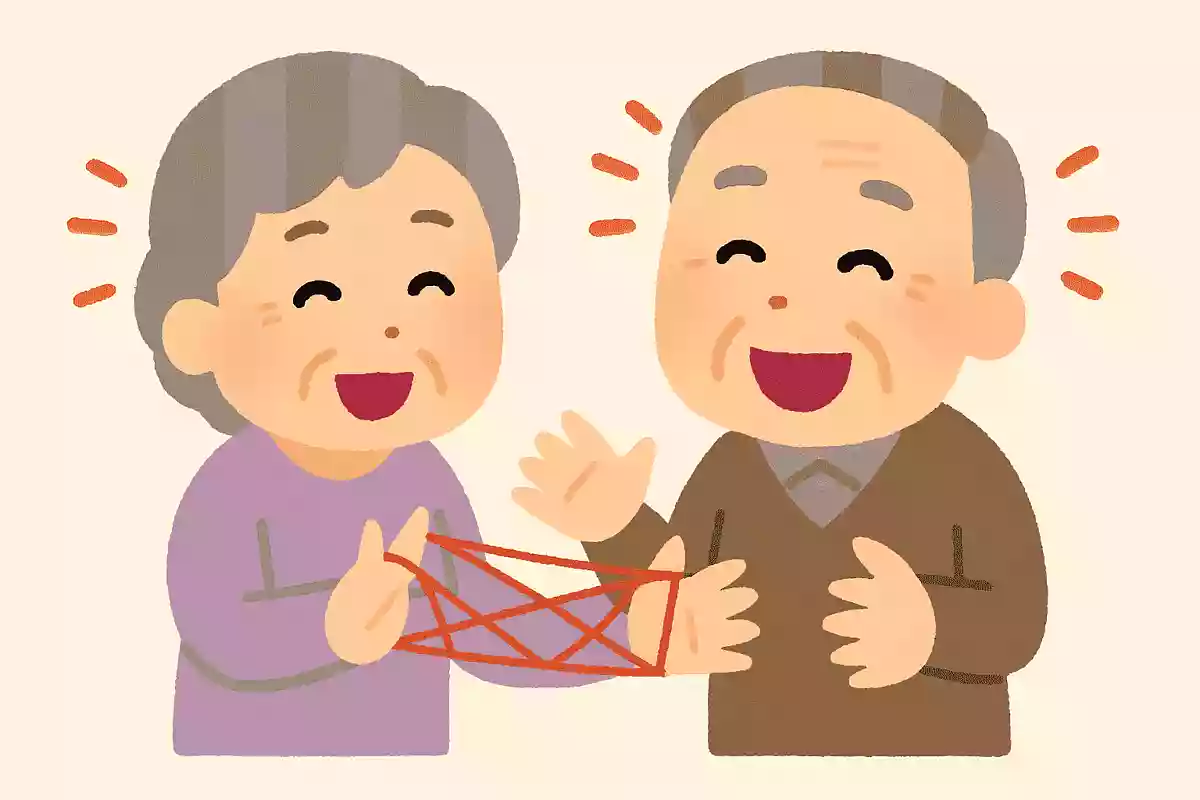
When it comes to how much you can play with simple tools, a child’s creativity and passion for play are put to the test.
The ingenuity that goes into play never changes, and even traditional games often use simple tools.
Among such traditional pastimes, what do you call the one where you loop a single string around your fingers and hands to form shapes? The answer is cat’s cradle.
Many people not only aim to recreate the classic shapes that have been passed down, but also challenge themselves to make original designs.
What was the summer women’s clothing that became popular from the late Taisho period to the early Showa period?

The name of the easy-to-throw-on women’s summer garment that was popular from the late Taisho to the early Showa period was “appappa.” It’s said to come from an Osaka dialect word that describes a skirt flaring out with a “pah.” These days, most fashion-related buzzwords trace their origins to foreign languages, so you can really feel the change of the times in the fact that this one comes from a domestic dialect.
In 1929, when Tokyo was hit by its worst heat wave in 40 years, the appappa also became wildly popular.
My grandmother still calls it an “appappa,” so there may still be people who use the term even now…
