

[For Seniors] Laugh-Out-Loud, Crowd-Pleasing! Fun Quiz


Quick wits matter! We bring you laugh-out-loud brain teasers and riddles that make you blurt out “Ahh!” or “I see!” the moment you get the answer or someone tells you the correct one.
There are plenty of riddles that are friendly and familiar for seniors, too.
If the answer doesn’t come easily, try thinking it through with the people around you, or offer small hints to guide everyone toward the solution.
Those “almost got it, but not quite” questions give your brain a great workout.
Enjoy a delightful time that brings a little chuckle and a smile the moment the answer clicks.
- [For Seniors] Fun and Lively! Recommended Quiz Questions
- [For Seniors] Guaranteed to Liven Things Up! A Collection of Brain Training Activities That Will Spark Laughter
- [For Seniors] Nostalgic quizzes that bring back memories! Showa-era entertainment and sports questions
- [For Seniors] Fun and Educational True-or-False Quiz
- [For Seniors] Have Fun with Wordplay Characters! A Collection of Funny Puzzles
- [Brain Training] Lively Word Quiz for Seniors
- [For Seniors] Lively two-choice trivia quiz. Handy to know and tidbits you'll want to share with others
- [For Seniors] Fun! Let’s Get Excited with Japan’s Number One Quiz
- [For Seniors] Trivia Multiple-Choice Quiz
- [For Seniors] Fun Riddles That Stimulate the Brain
- [For Seniors] Fun and Informative! Health Trivia Quiz
- [For Seniors] Sports Trivia Quiz & Fun Facts. Easy and Entertaining
- [For Seniors] Recommended for Brain Training! Nostalgic Showa-Era Quiz
Japanese Culture, Geography, and Health Knowledge (1–10)
The number of human bones changes as we grow. When do we have the most bones?
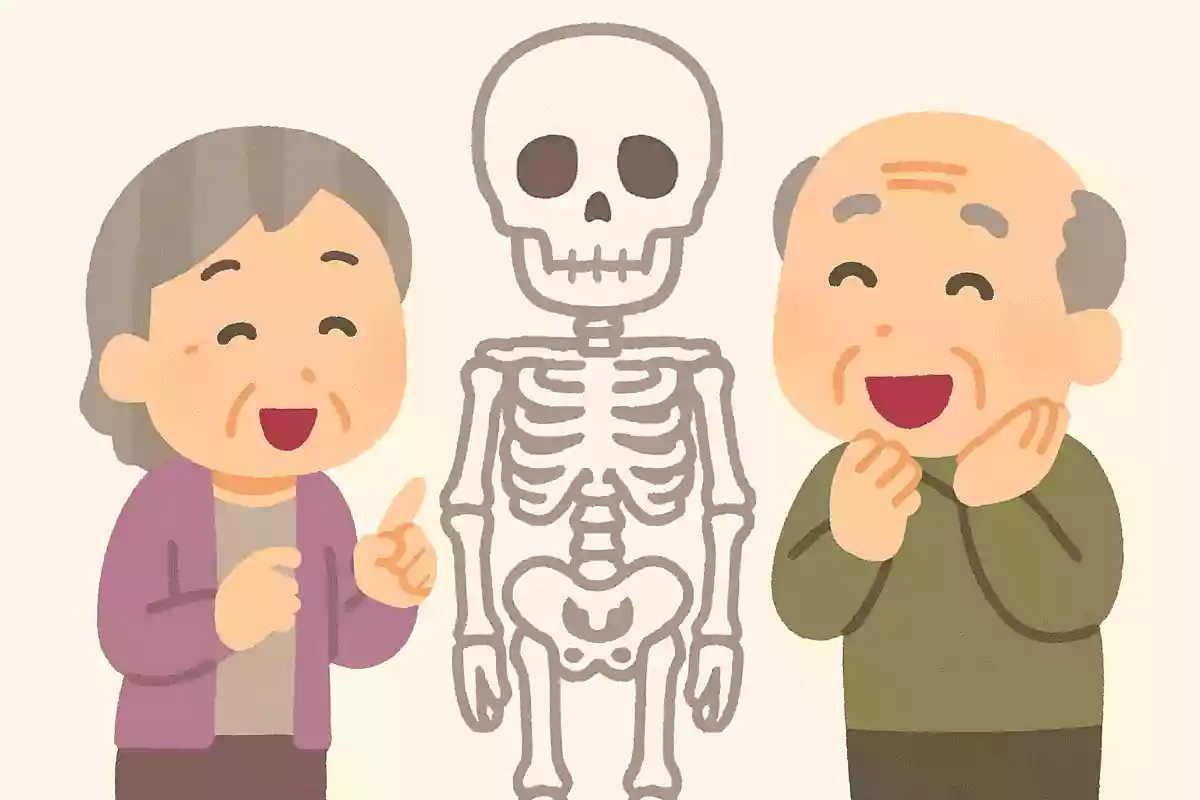
As the human body grows, its size and appearance change.
Not only that outward growth you can see, but even the number of bones inside the body changes as we develop.
So, when is it said that we have the greatest number of bones? If you think about whether the number of bones increases or decreases, you might arrive at the answer.
The answer is: in infancy.
A baby has about 305 bones, and through a repeated process where separated bones fuse together and several bones merge into one, the number decreases to about 206 in adulthood.

What kind of hospitals are there more of than convenience stores?
Convenience stores are everywhere and handy—you probably have one in your neighborhood.
That aside, did you know there’s a type of clinic said to outnumber even convenience stores? The answer is dental clinics.
Their numbers have been increasing year by year, now totaling over 69,000.
For reference, there are about 55,000 convenience stores, which means there are over 10,000 more dental clinics.
Whether that’s true or not, try comparing the number of dental clinics and convenience stores in your area.

What kinds of emotions are considered beneficial for health?
The answer is “laughter.” There’s a saying, “Laughter is the best medicine,” or literally, “Laughter is the chief of all remedies.” When you laugh, the excitement is transmitted to the diencephalon, which controls immunity, leading to active production of neurotransmitters.
These flow throughout the body via the blood and lymph, activating natural killer cells that eliminate harmful substances, thereby boosting immunity.
Laughing also stimulates brain activity, and the deep, abdominal-like breathing that occurs when you laugh heartily is similar to deep or diaphragmatic breathing—making it especially beneficial for older adults as well.
What is the reason your head gets an intense, sharp pain when you eat cold things like ice or ice cream?
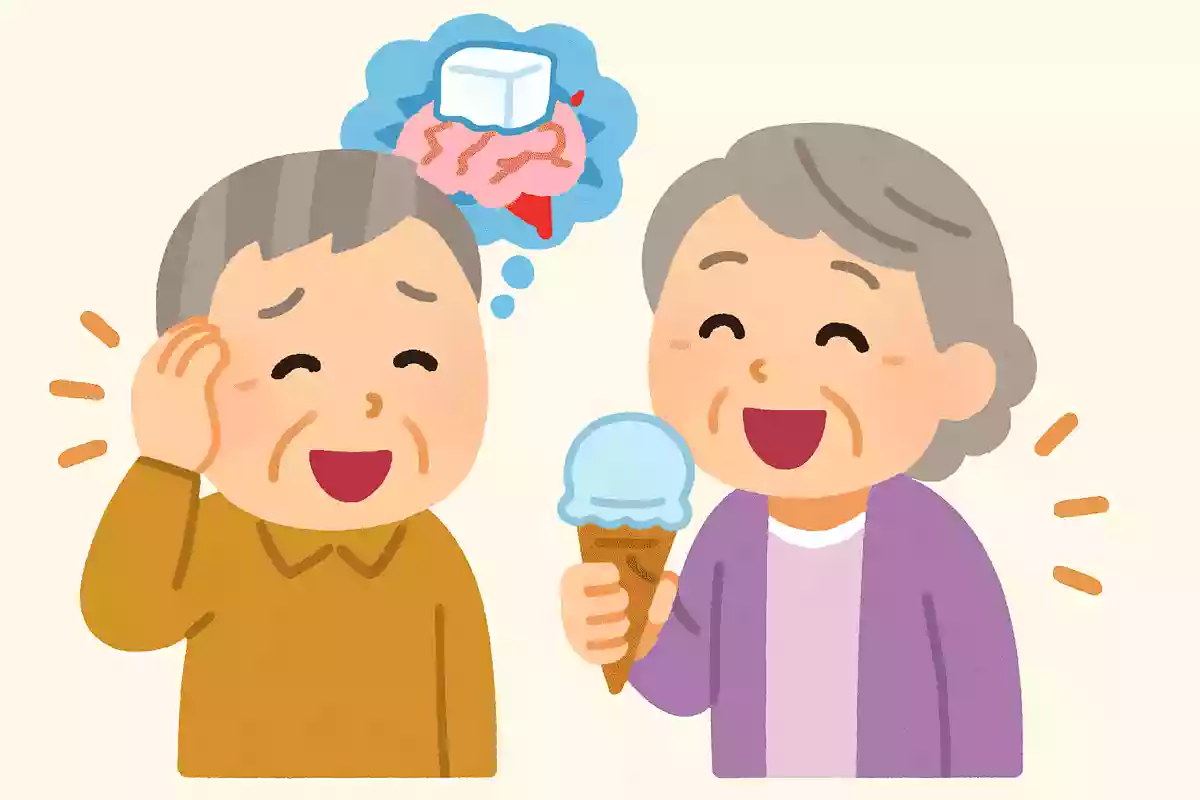
Many older adults have probably experienced that sharp, piercing headache after eating shaved ice or ice cream on a hot summer day.
But why does that happen? It’s puzzling, isn’t it? The short answer is: it’s your brain being fooled! When something cold passes through your throat, the brain mistakes the cold sensation for pain.
This phenomenon even has a name: “ice cream headache.” On hot days you might want to gobble things down to feel the chill quickly, but eating slowly and calmly can help prevent it!

Hokkaido has the longest coastline of any prefecture, but which one is second?
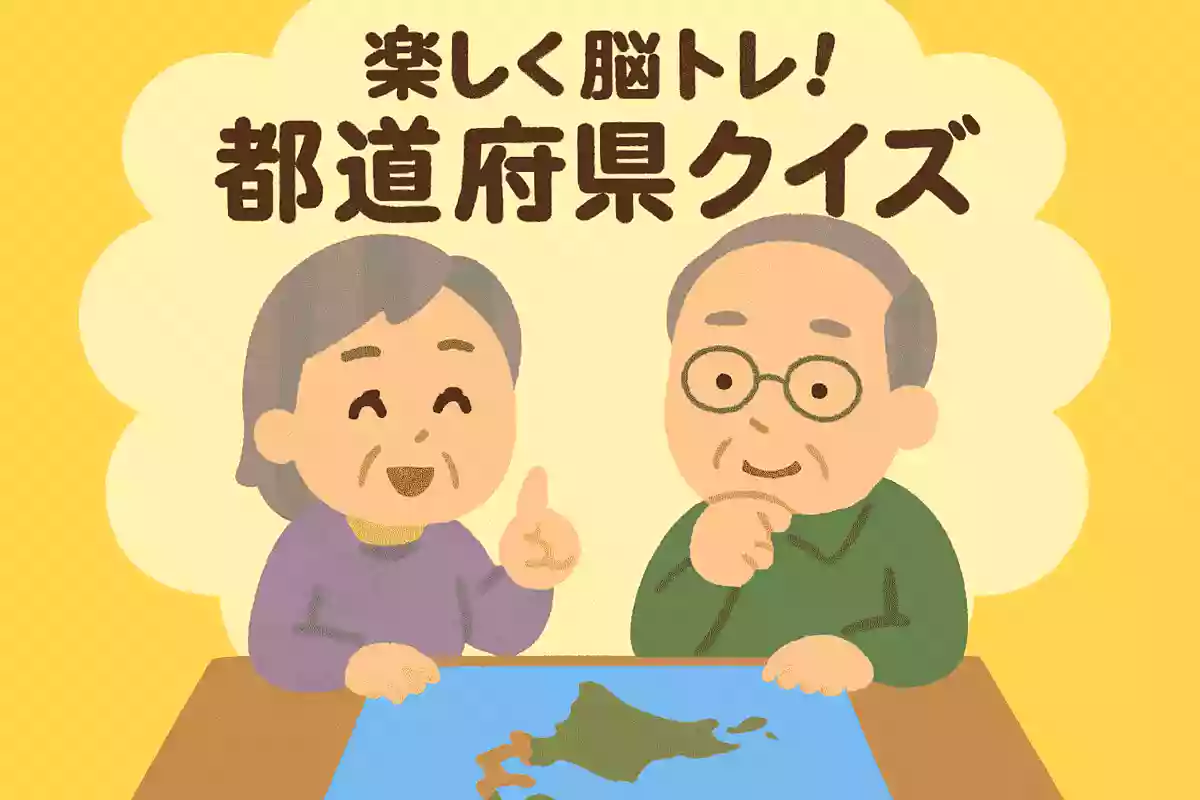
The answer is Nagasaki Prefecture.
It’s easy to imagine that Hokkaido has a long coastline because of its large area, but since people don’t have a strong sense of Nagasaki’s size, its coastline length might come as a surprise.
The reason for its long coastline is the large number of islands—there are about 40, including Tsushima and Iki.
You could say it’s a prefecture that has developed alongside the sea, with each island also being a popular tourist destination.
Japanese Culture, Geography, and Health Knowledge (11–20)
In addition to sourness, sweetness, and saltiness, the tongue can detect one more taste. What is the other one?
When we eat food, we sense various tastes with our tongues.
So, alongside sourness, sweetness, and saltiness, what is the other taste we actually perceive? Here’s a hint: many children tend to dislike it a bit, and many people come to appreciate its deliciousness more as they grow older.
The answer is bitterness.
The tongue has taste buds—organ-like sensors that detect tastes—that perceive each of these flavors.
Eat plenty and enjoy a wide variety of tastes!
There are six prefectures in Japan that have the character for “mountain” (山) in their names. Which prefectures are they?
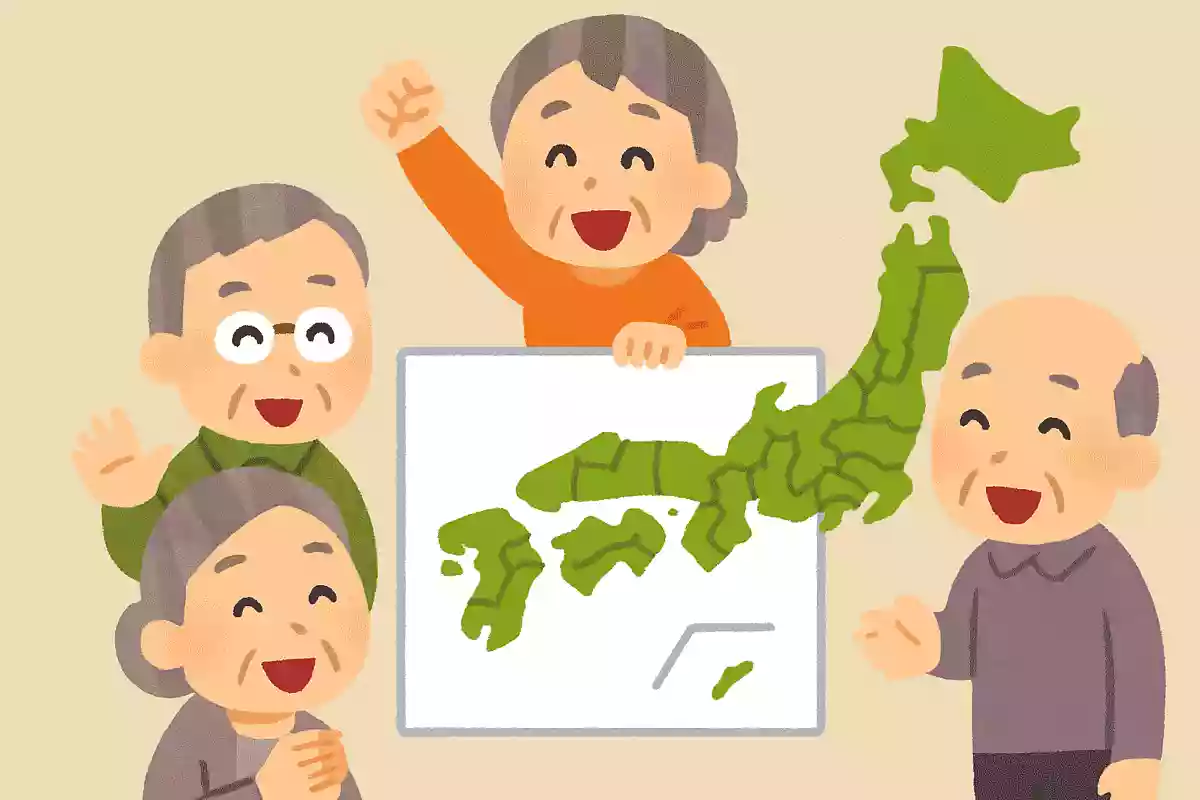
For those who aren’t good at geography, this is quite a tricky question, but if you stay calm, you should figure it out.
The answer is six prefectures: Yamagata, Toyama, Yamaguchi, Okayama, Yamanashi, and Wakayama.
Did anyone manage to name them all? It’s surprising how many prefectures include the character for “mountain” (yama).
If you want to broaden the scope of the quiz, you could also look up each prefecture’s unique features and specialties to use as hints.
After the quiz, why not share stories related to the prefectures in the answers and really get the conversation going?
