

[For Seniors] Laugh-Out-Loud, Crowd-Pleasing! Fun Quiz


Quick wits matter! We bring you laugh-out-loud brain teasers and riddles that make you blurt out “Ahh!” or “I see!” the moment you get the answer or someone tells you the correct one.
There are plenty of riddles that are friendly and familiar for seniors, too.
If the answer doesn’t come easily, try thinking it through with the people around you, or offer small hints to guide everyone toward the solution.
Those “almost got it, but not quite” questions give your brain a great workout.
Enjoy a delightful time that brings a little chuckle and a smile the moment the answer clicks.
- [For Seniors] Fun and Lively! Recommended Quiz Questions
- [For Seniors] Guaranteed to Liven Things Up! A Collection of Brain Training Activities That Will Spark Laughter
- [For Seniors] Nostalgic quizzes that bring back memories! Showa-era entertainment and sports questions
- [For Seniors] Fun and Educational True-or-False Quiz
- [For Seniors] Have Fun with Wordplay Characters! A Collection of Funny Puzzles
- [Brain Training] Lively Word Quiz for Seniors
- [For Seniors] Lively two-choice trivia quiz. Handy to know and tidbits you'll want to share with others
- [For Seniors] Fun! Let’s Get Excited with Japan’s Number One Quiz
- [For Seniors] Trivia Multiple-Choice Quiz
- [For Seniors] Fun Riddles That Stimulate the Brain
- [For Seniors] Fun and Informative! Health Trivia Quiz
- [For Seniors] Sports Trivia Quiz & Fun Facts. Easy and Entertaining
- [For Seniors] Recommended for Brain Training! Nostalgic Showa-Era Quiz
Trivia, Fun Facts, and Tidbits (1–10)
Mr. Shojiro Ishibashi, the founder of a tire manufacturer, named the company after his surname. What is the name of the tire manufacturer?

Shojiro Ishibashi’s surname is “Ishibashi,” but the company name is not simply “Ishibashi” or “Ishibashi” in katakana.
He converted his surname into other words and used that as the company name.
The answer is Bridgestone.
“Bridji” comes from the English word “bridge,” corresponding to the “hashi” (bridge) in “Ishibashi,” and “stone” comes from the English word for “ishi” (stone).
Combining them gives “Bridgestone.” It’s said that using the original order, “Stonebridge,” sounded a bit awkward in Japanese, so he reversed it to “Bridgestone.”

If you press the vending machine’s left and right buttons at the same time, which product will come out?
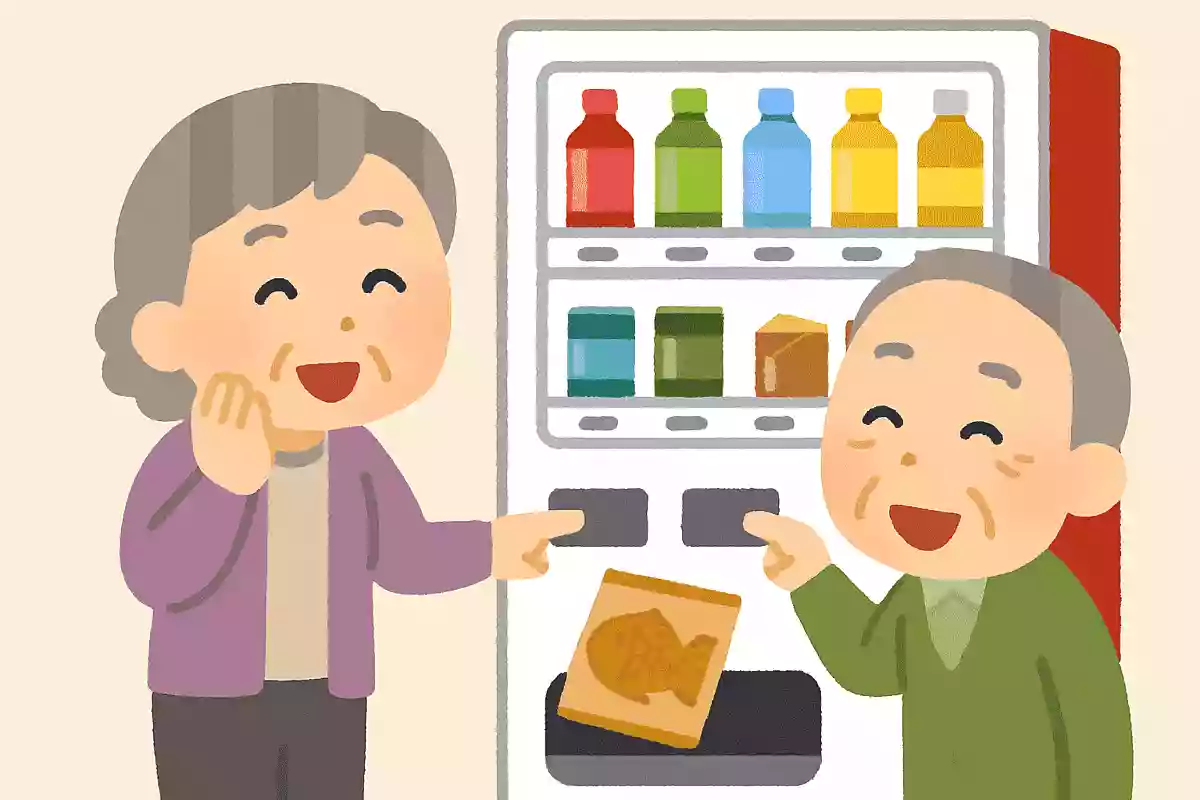
On a vending machine, you put in money and press a lit button to buy an item, right? Have you ever wondered what would happen if you pressed the buttons at the same time? Some people might have even tried it, thinking they could get two items for the price of one.
When you press the left and right buttons simultaneously, you won’t get two products—and in fact, which one comes out is predetermined.
The answer is: the left.
If someone says the right-side item came out, it means the buttons weren’t actually pressed at exactly the same time.

If you heat a certain item in the microwave, it will remove unpleasant odors inside. What is that item?
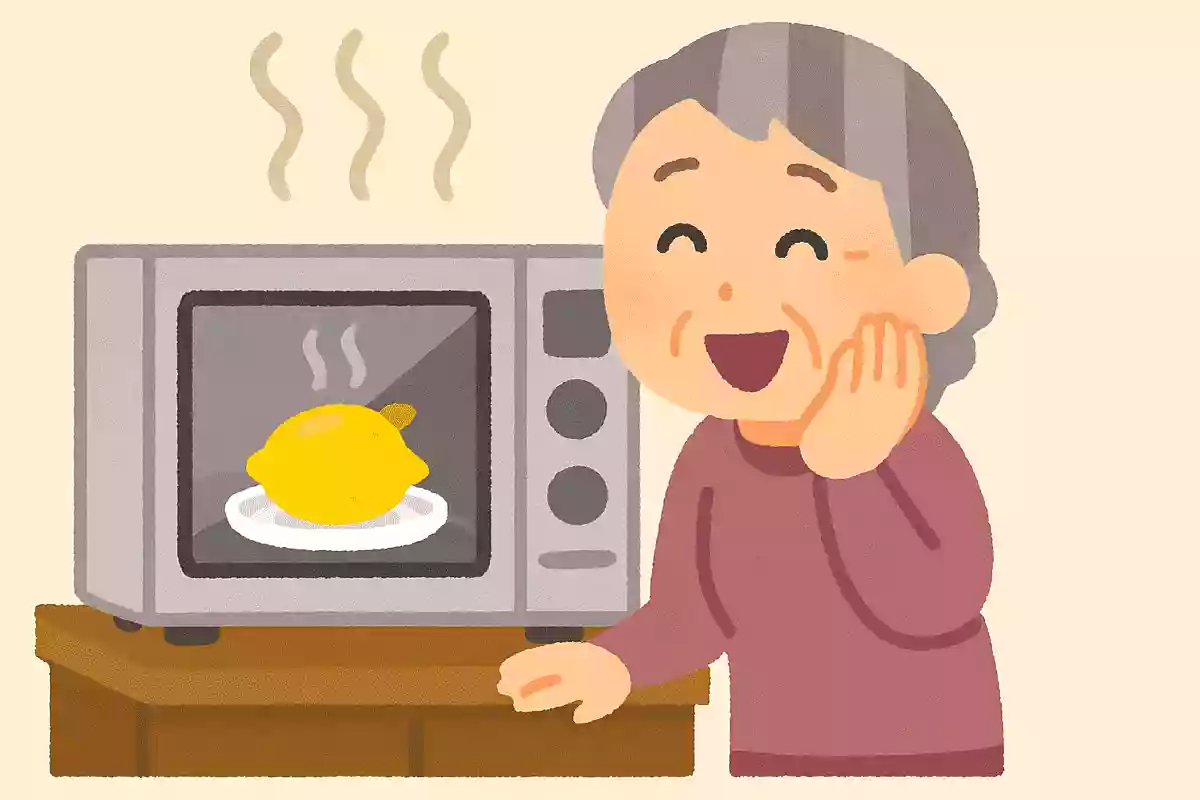
One home appliance that everyone uses is the microwave.
It’s a very convenient item, but since we put food in it, there’s the downside that it tends to get smelly.
We try cleaning it to get rid of the odor, but it can be hard to remove.
There’s a handy method to know for times like that.
Believe it or not, simply heating used tea leaves will eliminate the smell.
This works because of the catechins contained in tea.
By the way, if you leave the microwave closed for a few minutes after heating, it becomes even easier to remove the odor.

What happens if you heat ice in a microwave?
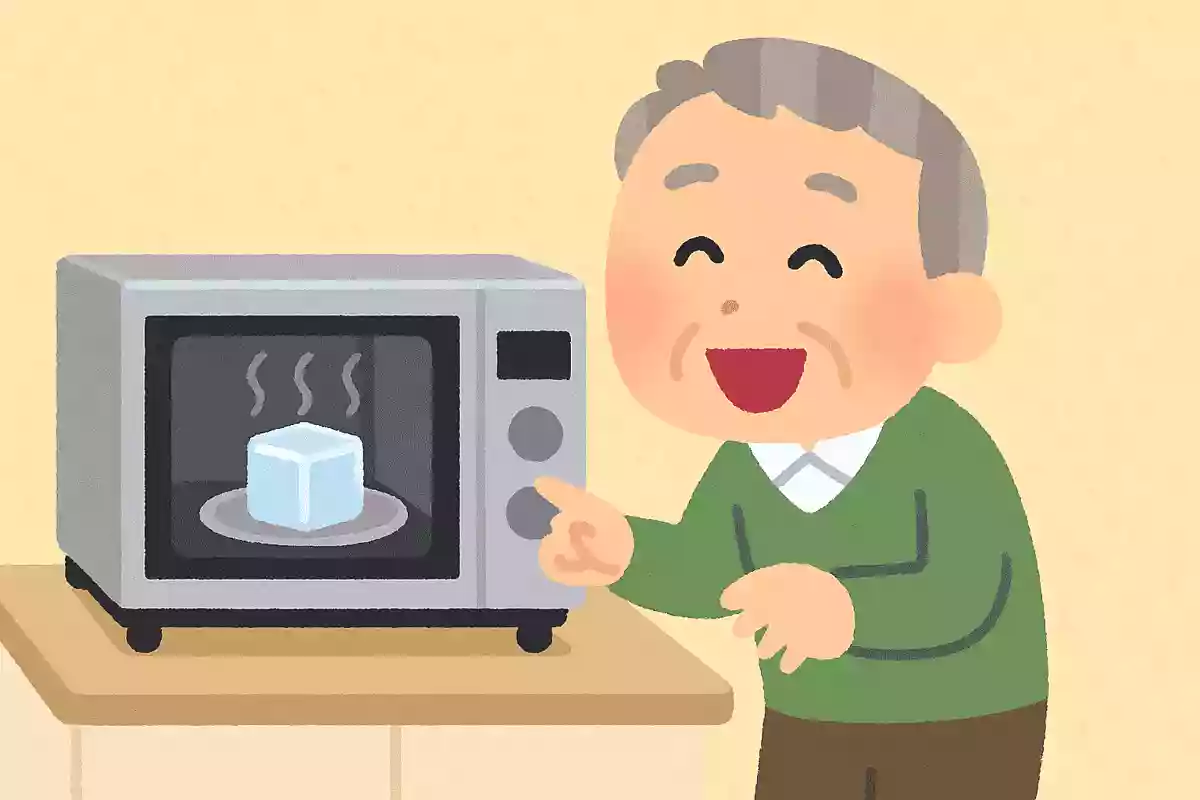
What happens when you microwave rock-hard ice? You might imagine it melting into water or shattering into pieces.
In fact, the answer is: it doesn’t change.
A microwave oven emits microwaves at a frequency of 2,450 megahertz from a device called a magnetron.
In liquid water, when microwaves hit, the water molecules quickly become agitated, collide with each other, and generate heat.
But in ice, the water molecules are arranged in a very rigid structure, so even when microwaves strike them, they don’t easily start moving around.
As a result, ice doesn’t heat up much in a microwave.

It’s said that when a certain bird flies low, it will rain. Which bird is it?

There’s a weather proverb that says, “When a certain bird flies low, it’s going to rain.” What is that bird? The answer is the swallow.
The reason is that winged insects like flies and mosquitoes, which swallows feed on, have heavier wings when humidity rises as a low-pressure system approaches, so they can’t fly high.
Swallows fly low to chase them.
Although we can now get highly accurate forecasts thanks to the latest technology, it’s nice to occasionally watch animal behavior and the sky to predict the weather.
Why is it that we don’t eat eel raw?
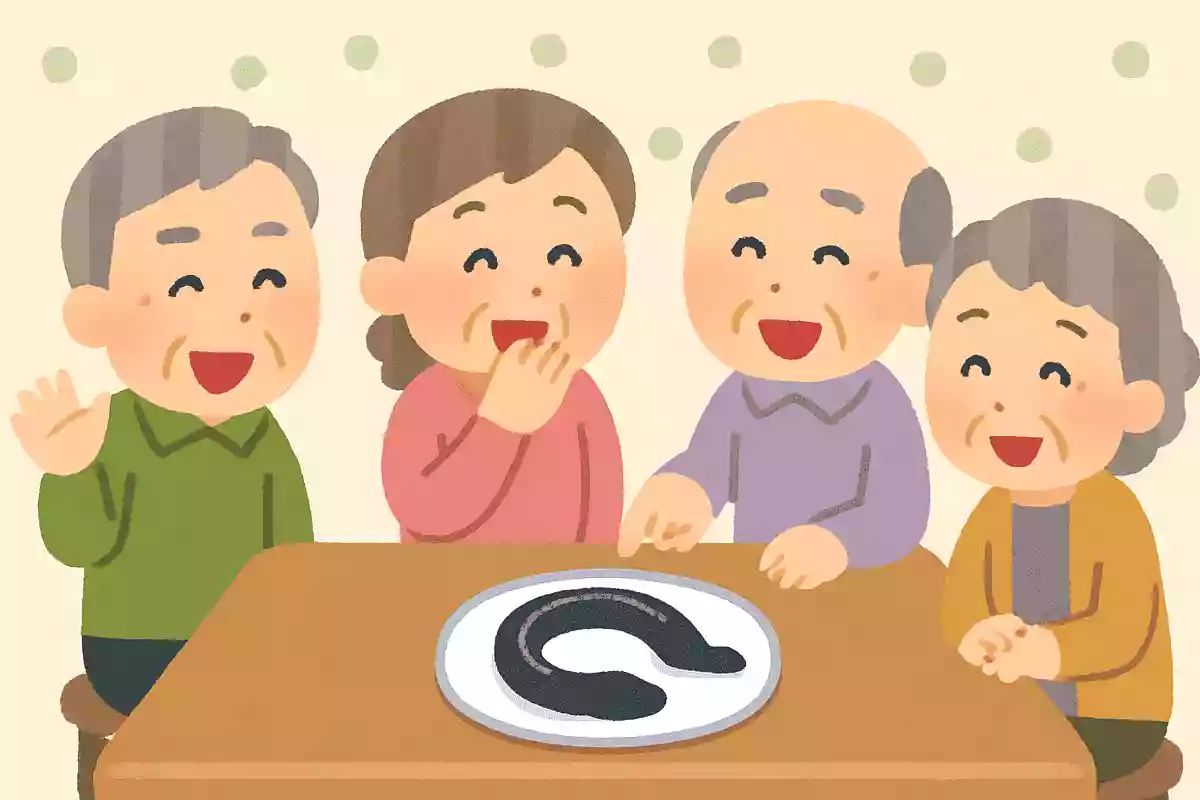
Eel has long been loved by the Japanese.
Dishes like unajū (eel over rice) and grilled kabayaki come to mind as delicious favorites.
However, you’ve probably never seen eel eaten raw.
Do you know why? It’s because eel blood is toxic, but the toxin is neutralized by heat.
As a guideline, heating at 60°C for 5 minutes makes it safe.
In recent years, processing techniques have advanced, making it easier to enjoy sashimi-style eel as well.
Take this opportunity to give it a try.
Trivia, fun facts, and nuggets of knowledge (11–20)
What is the reason monks strike a wooden fish (mokugyo) when chanting sutras and the like?
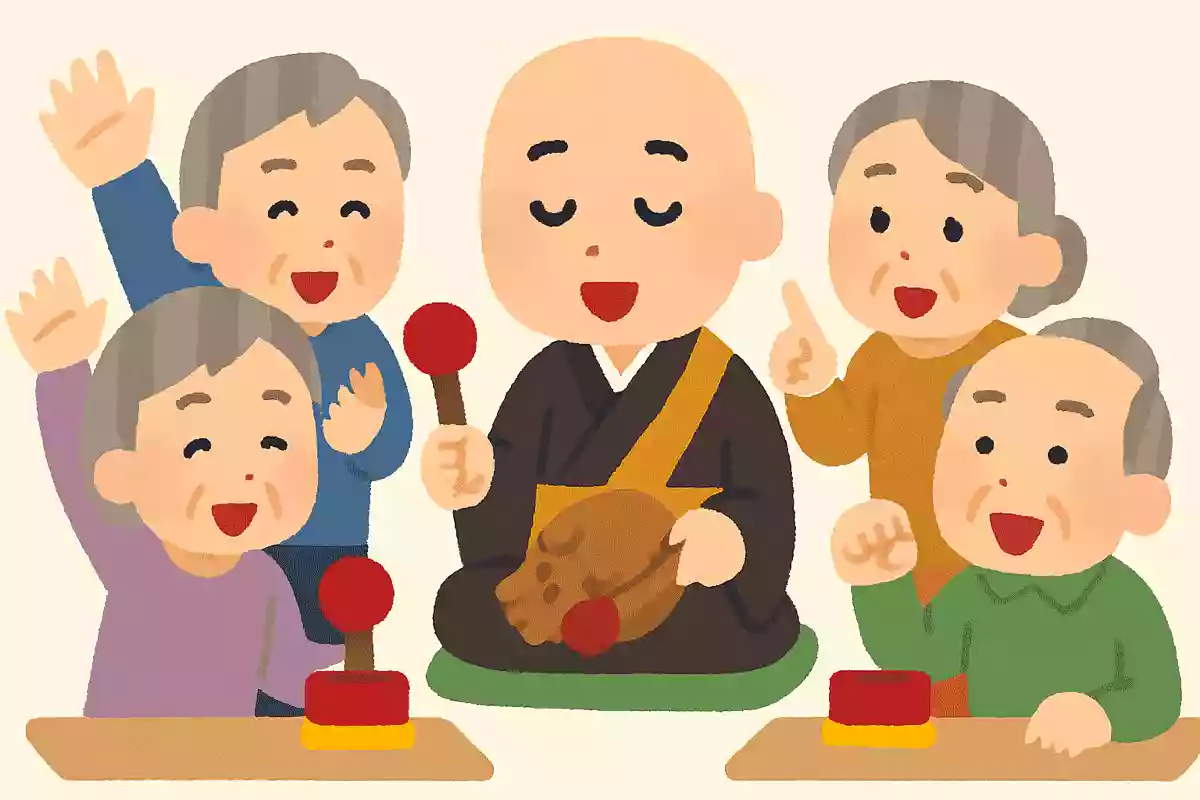
The mokugyo (wooden fish drum) produces a pleasant, gently tapping sound, but what is the original reason monks strike it while chanting sutras? Surprisingly, it’s “to keep the monks from getting drowsy.” In the past, many monks and trainees would nod off during long recitations, so they used a drum shaped like a fish—an animal said to keep its eyes open at all times—to embody the idea of “keeping one’s eyes open like a fish and diligently engaging in practice.” It’s also said that the sound of the mokugyo helps dispel worldly desires.
If you get the chance, try listening with that in mind!