

[For Seniors] Laugh-Out-Loud, Crowd-Pleasing! Fun Quiz


Quick wits matter! We bring you laugh-out-loud brain teasers and riddles that make you blurt out “Ahh!” or “I see!” the moment you get the answer or someone tells you the correct one.
There are plenty of riddles that are friendly and familiar for seniors, too.
If the answer doesn’t come easily, try thinking it through with the people around you, or offer small hints to guide everyone toward the solution.
Those “almost got it, but not quite” questions give your brain a great workout.
Enjoy a delightful time that brings a little chuckle and a smile the moment the answer clicks.
- [For Seniors] Fun and Lively! Recommended Quiz Questions
- [For Seniors] Guaranteed to Liven Things Up! A Collection of Brain Training Activities That Will Spark Laughter
- [For Seniors] Nostalgic quizzes that bring back memories! Showa-era entertainment and sports questions
- [For Seniors] Fun and Educational True-or-False Quiz
- [For Seniors] Have Fun with Wordplay Characters! A Collection of Funny Puzzles
- [Brain Training] Lively Word Quiz for Seniors
- [For Seniors] Lively two-choice trivia quiz. Handy to know and tidbits you'll want to share with others
- [For Seniors] Fun! Let’s Get Excited with Japan’s Number One Quiz
- [For Seniors] Trivia Multiple-Choice Quiz
- [For Seniors] Fun Riddles That Stimulate the Brain
- [For Seniors] Fun and Informative! Health Trivia Quiz
- [For Seniors] Sports Trivia Quiz & Fun Facts. Easy and Entertaining
- [For Seniors] Recommended for Brain Training! Nostalgic Showa-Era Quiz
Trivia, fun facts, and nuggets of knowledge (11–20)
Who is the only Japanese deity among the Seven Lucky Gods?
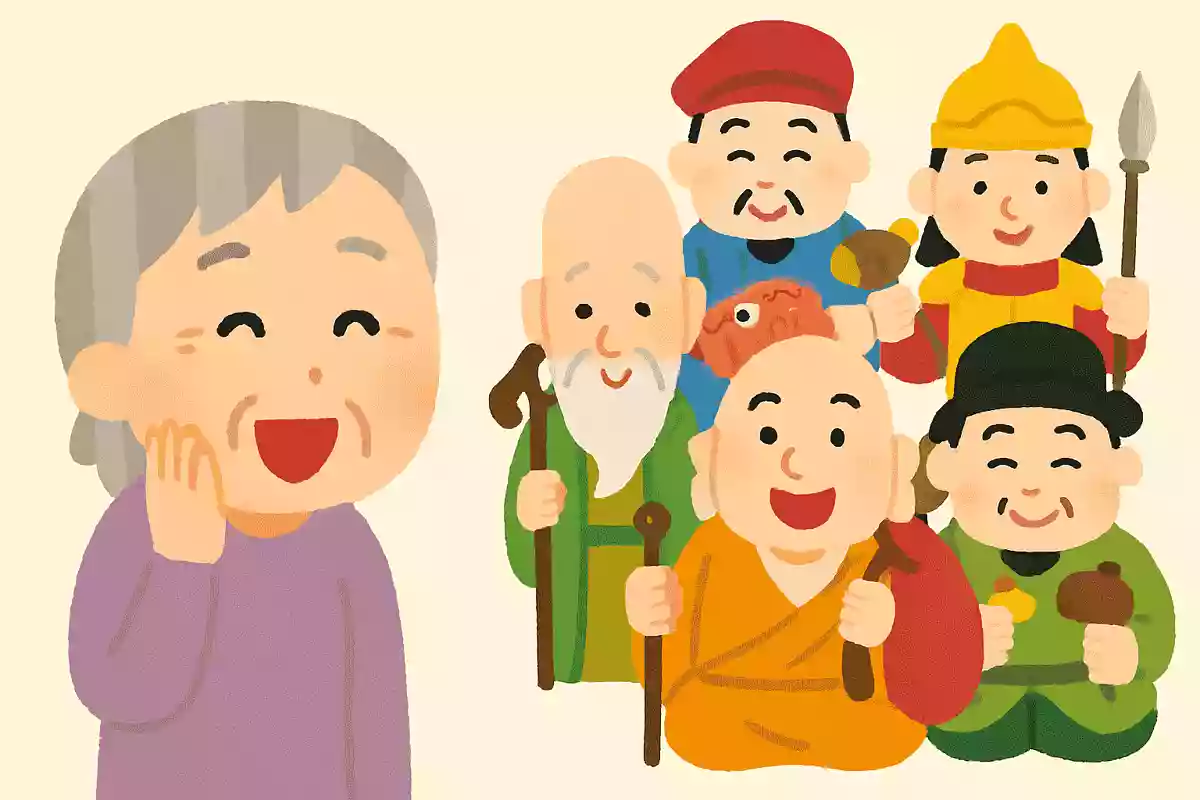
The Seven Lucky Gods are revered as deities of fortune.
They are a collective term for seven gods: Ebisu, Daikokuten, Fukurokuju, Bishamonten, Hotei, Jurōjin, and Benzaiten.
But which one is the only Japanese god among them? The answer is Ebisu.
Worshiped as the god of fishing, prosperous business, and bountiful harvests, Ebisu is said to be the third child of the deities Izanami and Izanagi.
Incidentally, Daikokuten and Benzaiten have roots in Hinduism; Bishamonten comes from ancient India; and Fukurokuju, Jurōjin, and Hotei are of Chinese origin—surprisingly global, isn’t it?

There are three katakana characters hidden in the giraffe mark of Kirin Beer. What do the characters spell?
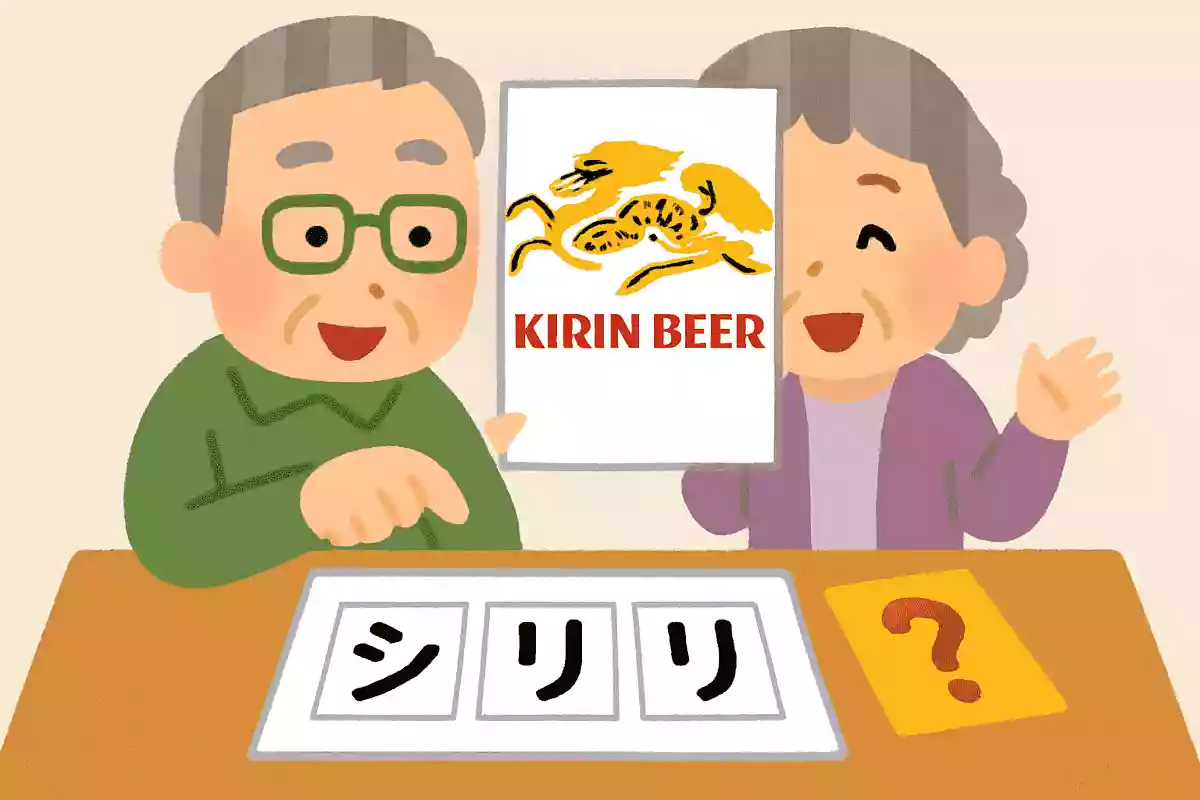
Kirin Beer, sold by the major beer manufacturer KIRIN.
On the cans and bottles of Kirin Beer, a mythical creature called a kirin is depicted.
So what are the three katakana characters hidden within the illustration of the kirin? When combined, these three characters form a word.
答えは――キリン!文字がとても小さく周りの線と馴染んでいるので一見わかりにくいですが、よく見ると「キリン」という語がはっきり見つかります。各文字は別々に配置されているので、ぜひ探してみてください!

Trivia, Fun Facts, and Tidbits (21–30)
When is the expiration date for the ice cream?

Chilled and delicious ice cream.
Many of you probably eat it often.
Here’s a question: do you know when ice cream expires? If you’re near a freezer, try taking out some ice cream and checking.
There’s probably no expiration date shown.
That’s because, in fact, ice cream doesn’t have a best-before date.
So you can technically eat ice cream that’s several years old.
However, that doesn’t apply if it has warmed up at some point or been opened.
Therefore, it’s basically recommended to eat it while it’s still new.

What competitions was Kintaro doing with the mountain animals?
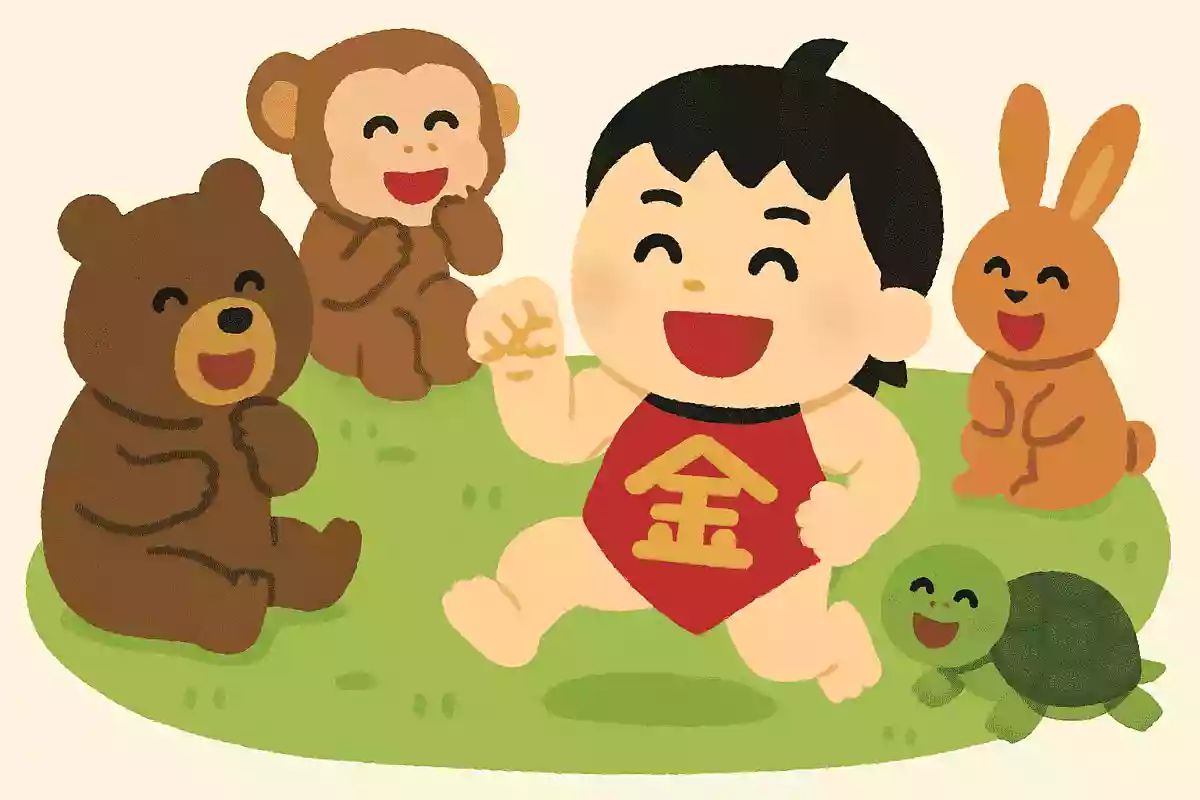
It is said that Kintarō was strong from the moment he was born.
Even when he wrestled with adults or the animals of the forest, he was undefeated.
However, he wasn’t rough by nature; he was also a kind-hearted boy.
By the way, do you know how Kintarō’s story ends? One day, a woodcutter in the forest challenged Kintarō to a sumo match and, through their bout, recognized Kintarō’s strength.
In fact, the woodcutter was one of Minamoto no Yorimitsu’s retainers and had been ordered to search for a powerful warrior.
The story goes that Kintarō went to the capital, changed his name to Sakata Kintoki, and became a retainer of Yorimitsu.

What is the purpose of the groove on the end of a toothpick where you hold it?
Toothpicks are commonly used in everyday life.
What’s the purpose of the grooves on the end you hold? Are they for grip, or is there some other use? The answer is: they don’t really have any special meaning.
According to toothpick manufacturers, when they sharpen the tip, the toothpicks are set in a machine and shaved at high speed.
The wood on the opposite end would get scorched and turn black, making it look bad, so they started adding grooves there as a workaround.
In the near future, if machines advance to the point where the wood no longer gets scorched, those grooves might disappear.
What is the relationship between Orihime and Hikoboshi in the Tanabata story?

The relationship between Orihime and Hikoboshi, who appear in the Tanabata legend, might be less well known than you’d expect.
In this romantic tale, Orihime and Hikoboshi long for each other from stars far apart, but what exactly is their relationship? The answer is: they are husband and wife.
They are a loving couple, but because they enjoyed being together so much that their work suffered, the Emperor of Heaven separated them.
It’s a bittersweet story in which they can reunite only once a year, on the night of July 7, by the Milky Way.

What is the most harvested fruit in Japan?
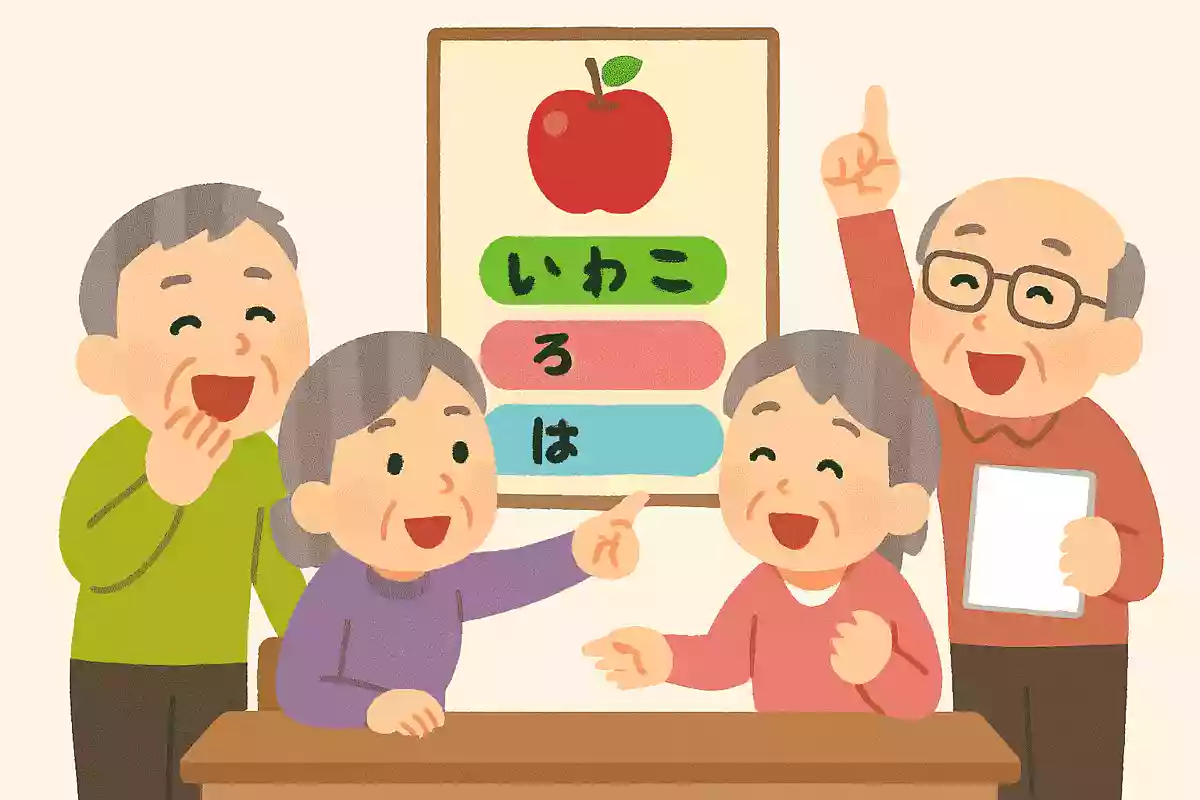
In Japan, you can enjoy a variety of fruits depending on the season.
So here’s a question: What fruit is harvested the most in Japan? Try considering factors like the season and region.
The correct answer is mikan.
More precisely, it’s the satsuma mandarin, with a total weight exceeding 740,000 tons.
By the way, the second most harvested is apples at over 660,000 tons, and third is watermelon at over 330,000 tons.
Comparing them like this really shows just how many mikans are harvested.