

![[For Seniors] Nostalgic quizzes that bring back memories! Showa-era entertainment and sports questions](https://media.ragnet.co.jp/img/1200__png__https://www.studiorag.com/files/2025/05/65493f70d8060722fa26f74c76987bd3.webp)
[For Seniors] Nostalgic quizzes that bring back memories! Showa-era entertainment and sports questions


It’s fun to look back on the past, isn’t it? Thinking about nostalgic topics—like entertainment, sports, and pop culture—can bring back memories and make our hearts skip with excitement.
How about we revisit those moments together through a quiz? Let’s enjoy a good time reminiscing about things that are commonplace now, or those that have changed with the times, and let the conversation blossom with memories.
I can almost hear everyone saying, “Oh yeah, I remember that!”
Entertainment, Showbiz, and Sports (1–10)
What were the unruly and immoral youths—said to be named after Shintaro Ishihara’s novel—called?
Shintaro Ishihara, who thrived not only as an actor and writer but also as a politician, coined a term through his novel that became widely popular.
What was the group called that referred to young people who were unruly and immoral? The hint is that the term comes from Ishihara’s novel Season of the Sun.
The answer is the “Sun Tribe.” From the outside, it was used to describe a delinquent group, while for those involved, it expressed a belief in not being bound by the existing order.
It’s an episode that shows just how influential Shintaro Ishihara was.

Sakurada Junko and Mori Masako were called part of the “Hana no Chūsan Trio.” Who was the third member?
Showa-era idols are sometimes given special nicknames depending on when and how they debuted.
One such nickname is the “Hana no Chūsan Trio” (the Blossoming Ninth-Graders Trio).
Alongside Junko Sakurada and Masako Mori, who is the third member people think of? Some may immediately recall her knowing that all three were of the same generation and debuted from the audition program Star Tanjō! The answer is Momoe Yamaguchi—a legendary idol who famously retired from show business upon getting married.
Around 1958 (Showa 33), which masked hero was popular among children at the time?
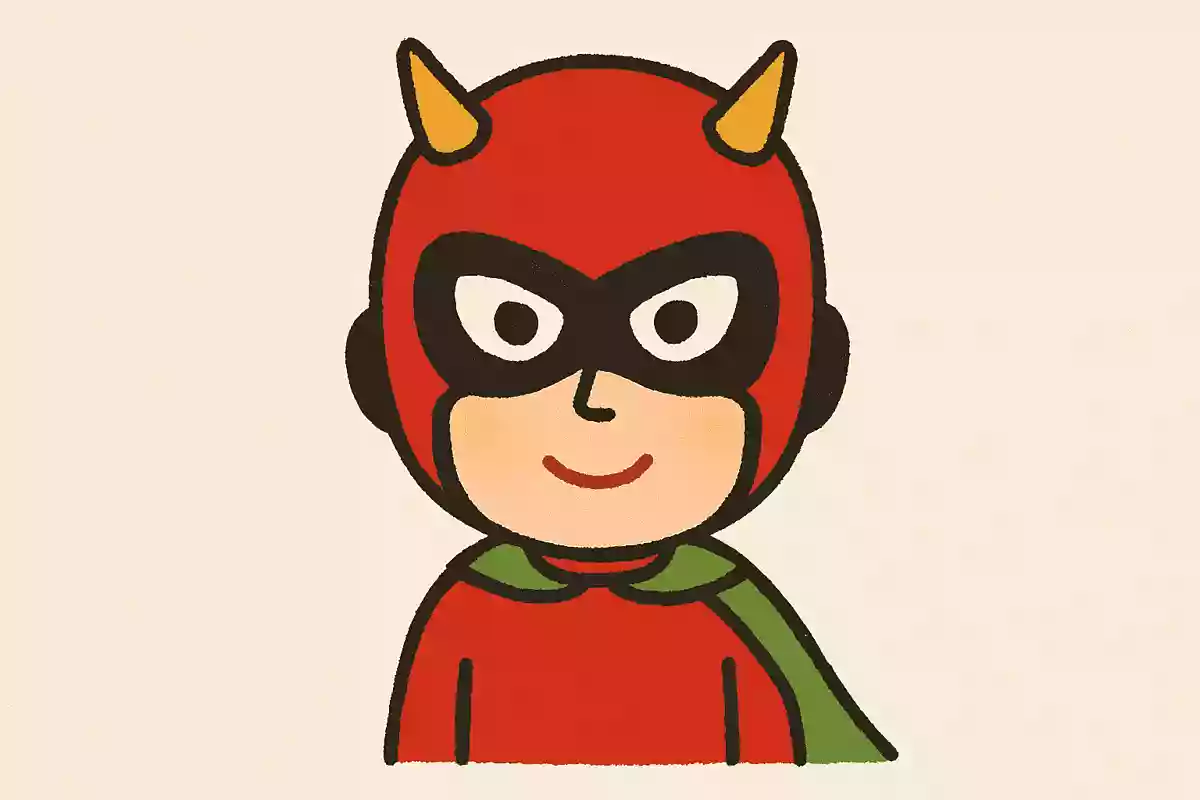
Who was the hero who became a hit around 1958 (Showa 33) and was popular among children at the time? As the progenitor of Japanese hero TV shows, this work had a major influence on later hero programs, so some people might recall it if they trace their memories of heroes.
The hint is a masked hero—someone whose identity is unknown, yet known to everyone.
The answer is Gekko Kamen.
His distinctive look—white turban and mask with black sunglasses—and the way he rode a motorcycle to save people were striking.
Even when facing villains, he wouldn’t inflict excessive harm; he was a hero with a strong conviction.
What was used as the goal when basketball was first invented?

Basketball, the sport invented by James Naismith.
It’s now one of the most beloved sports around the world.
When it was first created, the facilities weren’t well developed, and they supposedly tied a peach basket to the gym railing to use as a goal.
The name “basketball” comes from the word basket.
だからこそ、日本語ではバスケットボールを文字通り「かごの球」という意味の『籠球』と書くことができます。
Many of you may have wondered about that, right?

At the 1964 Tokyo Olympics, the women’s volleyball team won the gold medal. Based on their performance, what were they called as the “something of the Orient”?
The answer is “The Oriental Witches.” Three years before they won the gold medal at the 1964 Tokyo Olympics, a corporate team called Nichibō Kaizuka, which formed the core of Japan’s national team at the time, toured Europe and achieved a streak of consecutive victories against national teams.
A local sports paper ran the headline “Witches in the Orient,” which Japanese media rephrased as “The Oriental Witches,” and that’s said to be the origin of the nickname.
The Oriental Witches kept on winning even after their Tokyo Olympic gold, extending their winning streak to 258 matches.
Who served as the host of the panel quiz show “Attack 25” for 36 years?
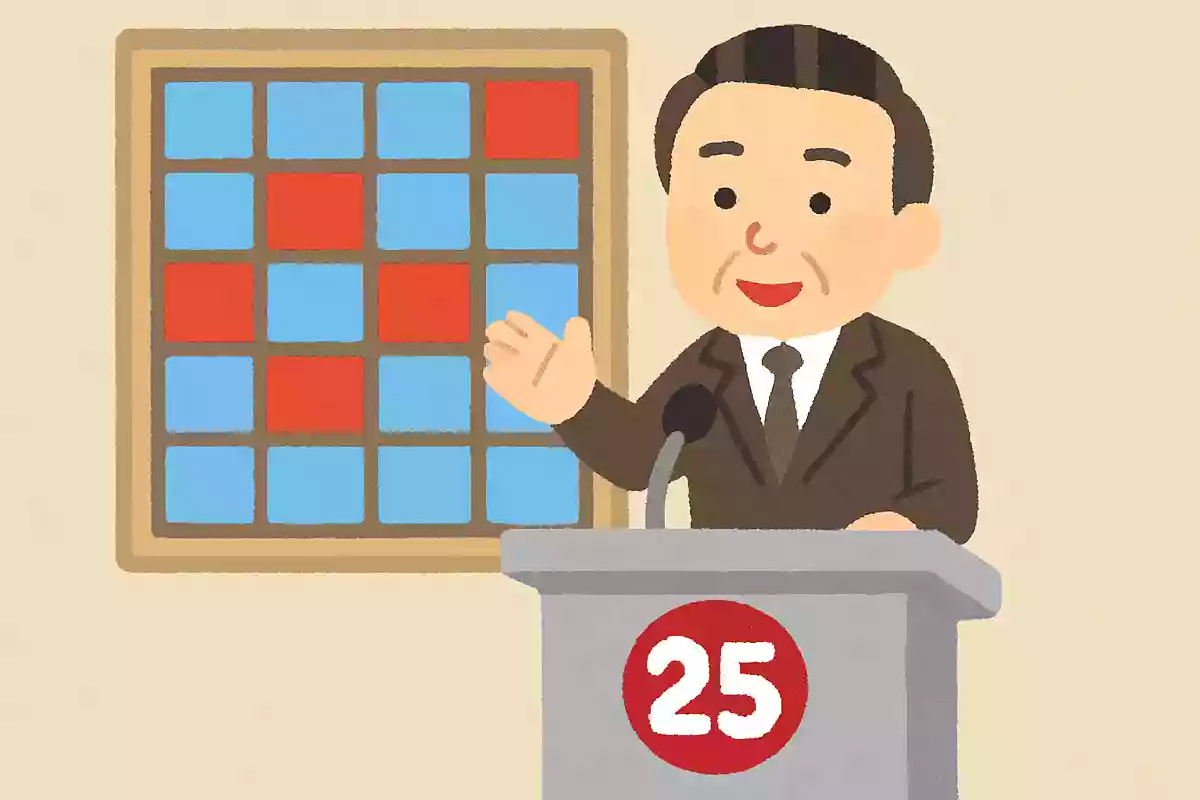
Panel Quiz “Attack 25” is a quiz show that began airing in 1975.
Its appeal lies not only in quiz knowledge, but also in the strategic element of competing for panels.
So, who is the person who hosted “Attack 25” for 36 years? As a figure who could be called the symbol of the program, some people might picture him along with the show’s set.
The answer is Kiyoshi Kodama.
His composed reactions to contestants’ answers and his smooth, articulate explanations were also part of his charm.
At the Tokyo Olympics held in 1964, a rakugo storyteller ran as a torchbearer. Who was that rakugo performer?
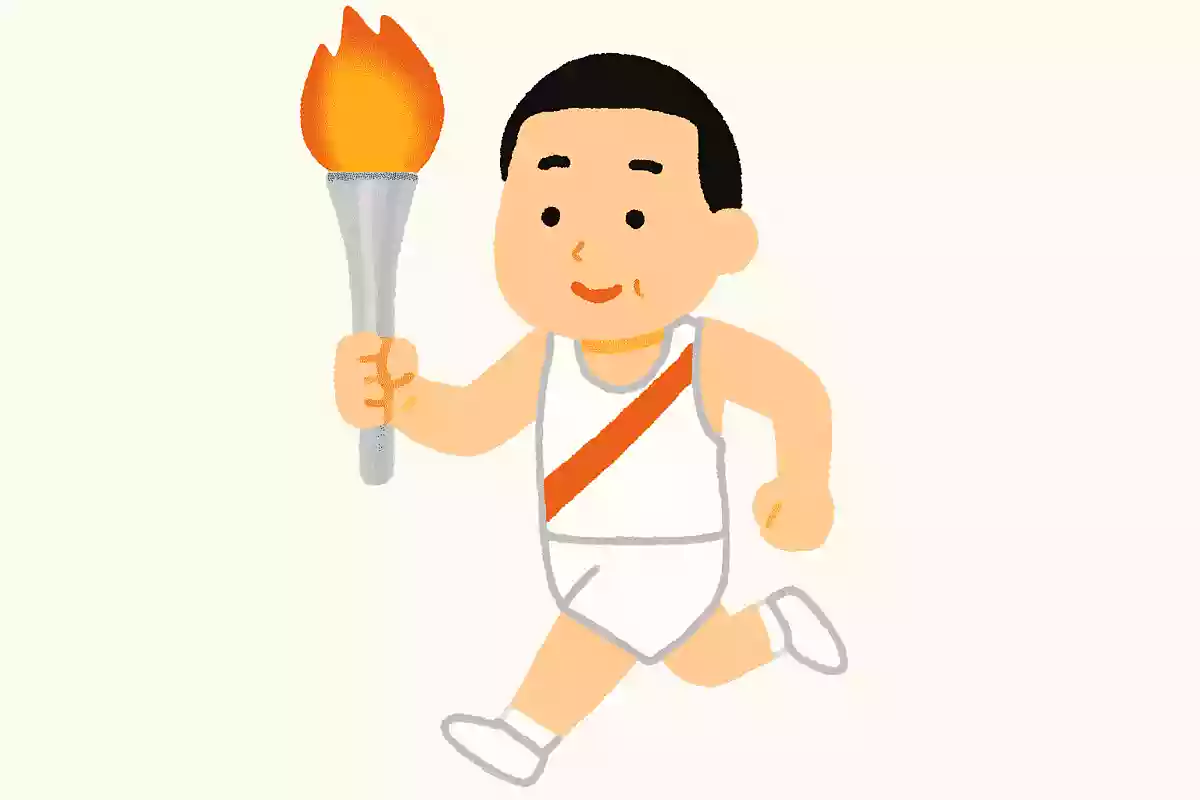
One highlight of the Olympic torch relay is that a wide variety of people run, including athletes and celebrities.
At the Tokyo Olympics held in 1964 (Showa 39), a certain rakugo storyteller ran as a torchbearer.
Who was it? Here’s a hint: a long-beloved rakugo performer you often see on TV—someone who might not fit the strict image of representing the nation.
The answer is “Sanyutei Koyuza.” At the time, he didn’t run as a rakugo performer; he was selected as a torchbearer as a high school table tennis player.