

[For Seniors] Nostalgic quizzes that bring back memories! Showa-era entertainment and sports questions


It’s fun to look back on the past, isn’t it? Thinking about nostalgic topics—like entertainment, sports, and pop culture—can bring back memories and make our hearts skip with excitement.
How about we revisit those moments together through a quiz? Let’s enjoy a good time reminiscing about things that are commonplace now, or those that have changed with the times, and let the conversation blossom with memories.
I can almost hear everyone saying, “Oh yeah, I remember that!”
- [For Seniors] Laugh-Out-Loud, Crowd-Pleasing! Fun Quiz
- [For Seniors] Recommended for Brain Training! Nostalgic Showa-Era Quiz
- [For Seniors] Nostalgic! Showa-Era Quizzes Recommended for Reminiscence Therapy
- [For Seniors] Trivia Multiple-Choice Quiz
- [For Seniors] Fun and Informative! Health Trivia Quiz
- [Brain Training] Lively Word Quiz for Seniors
- [For Seniors] Who Am I? Quiz: A Fun Set of Questions with Exciting Hints
- [For Seniors] Brain Training! Recall Quiz Collection!
- [For Seniors] Have Fun with Wordplay Characters! A Collection of Funny Puzzles
- [For Seniors] Lively two-choice trivia quiz. Handy to know and tidbits you'll want to share with others
- [For Seniors] Fun! Let’s Get Excited with Japan’s Number One Quiz
- [For Seniors] Sports Trivia Quiz & Fun Facts. Easy and Entertaining
- [For Seniors] Liven Things Up! 3-Choice Ranking Quiz
Living and Culture (11–20)
What was the makeshift fix people used in the Showa era when the TV stopped displaying a picture?
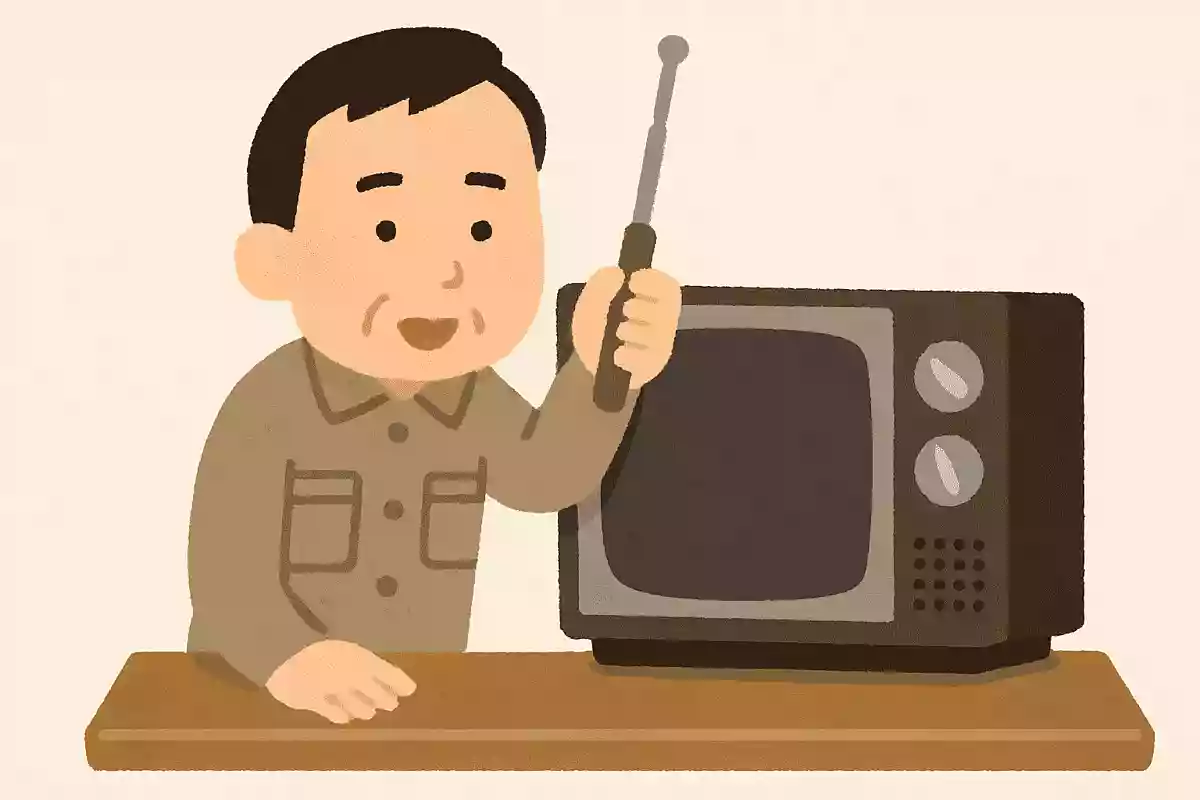
Home appliances have gradually evolved over time, and televisions—an essential part of daily life—have improved in picture quality and size.
So when a TV stopped working back in the Showa era, what common fixes did people try? Although it’s a custom you don’t see much anymore, some people might still do it out of habit.
The answer is: hitting the TV.
The idea was to fix a bad connection by giving it a jolt.
But since modern TVs have finer components, there’s a higher risk of damage, so you should be careful if you try it.
Some people even perfected the angle and way to tap it to restore the picture more reliably.

The Showa-era phrase “Atama ga 〇〇 ni naru” means “I have so much to think about that my brain won’t work.” What sea creature goes in the 〇〇?
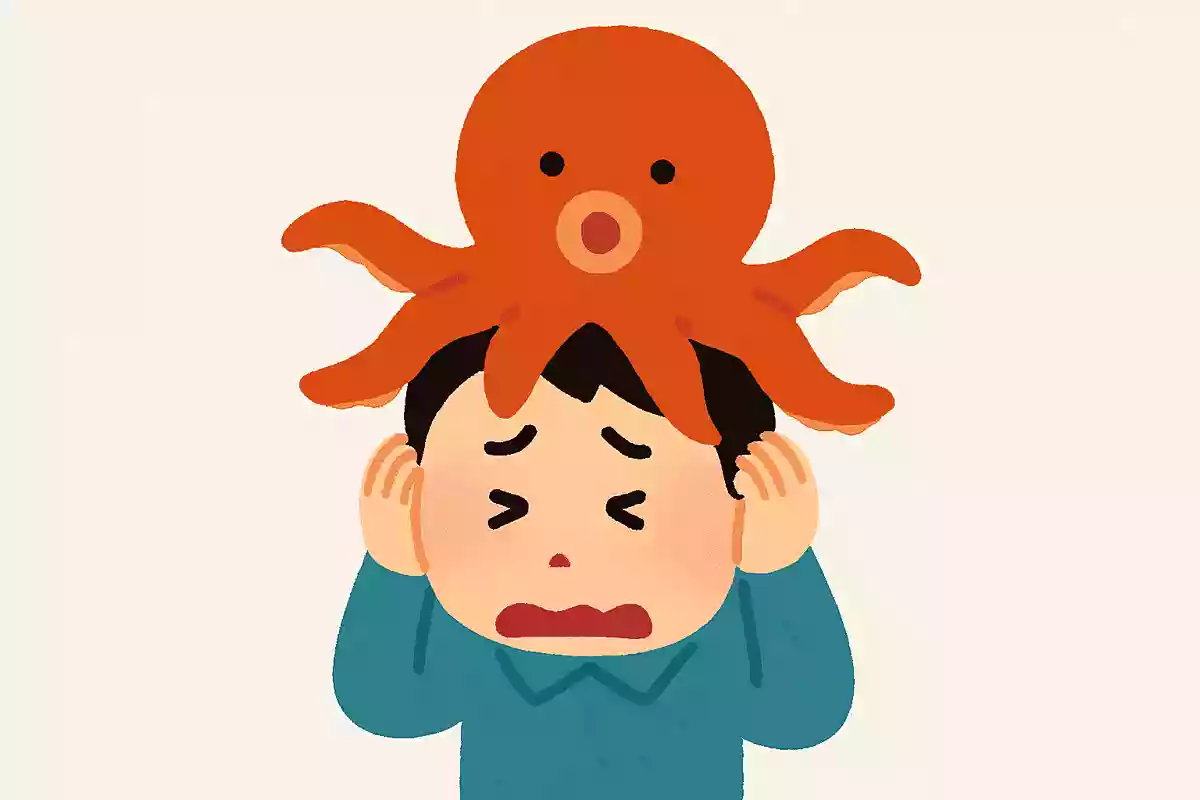
The word that meant “a state where you have so much to think about that your brain won’t work,” which was popular around 1983 (Showa 58), is “Atama ga uni ni naru” (my head turns into sea urchin)! It’s a metaphor comparing a confused, jumbled mental state to soft sea urchin that collapses easily when pressure is applied.
You hardly hear it nowadays, and on the internet it’s called something like “a really nostalgic expression.” Indeed, cracking open a sea urchin does somehow evoke the inside of a human brain… There are plenty of other Showa-era buzzwords that aren’t used anymore, too! Just those alone could make for a solid Showa quiz.

Lifestyle and Culture (21–30)
What was an icebox used for?
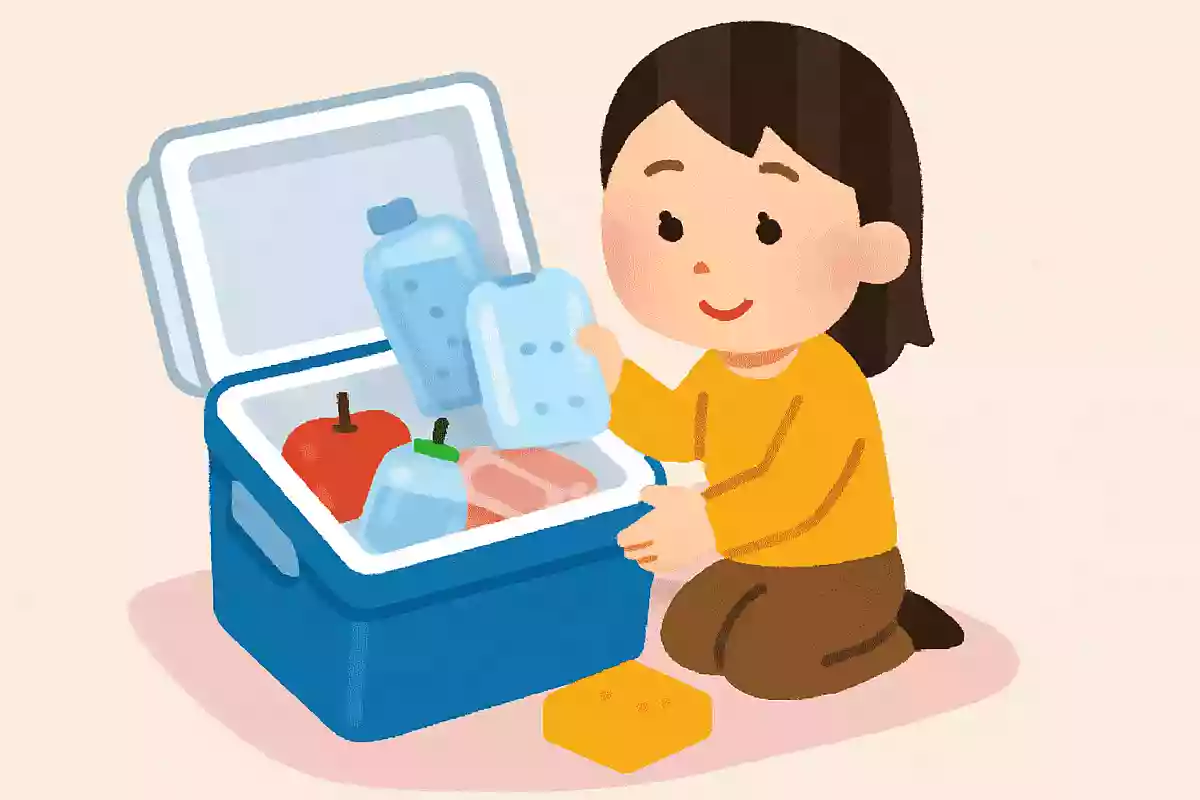
With advances in technology, household furniture evolved, and items once commonly used gradually disappeared.
Among those that vanished, in what situations was the so-called “icebox” used? A big hint is that it began to fade away in the late 1950s (Showa 30s), when the so-called “three sacred treasures” of home appliances became widespread.
The answer is: it was used to keep food cold.
Until the electric refrigerator—one of those three sacred treasures—became common, this piece of furniture, known as an ice refrigerator or icebox, supported people’s daily lives.
It’s also interesting that, even without electricity, it incorporated various ingenious features to make food last longer.
What was the summer women’s clothing that became popular from the late Taisho period to the early Showa period?
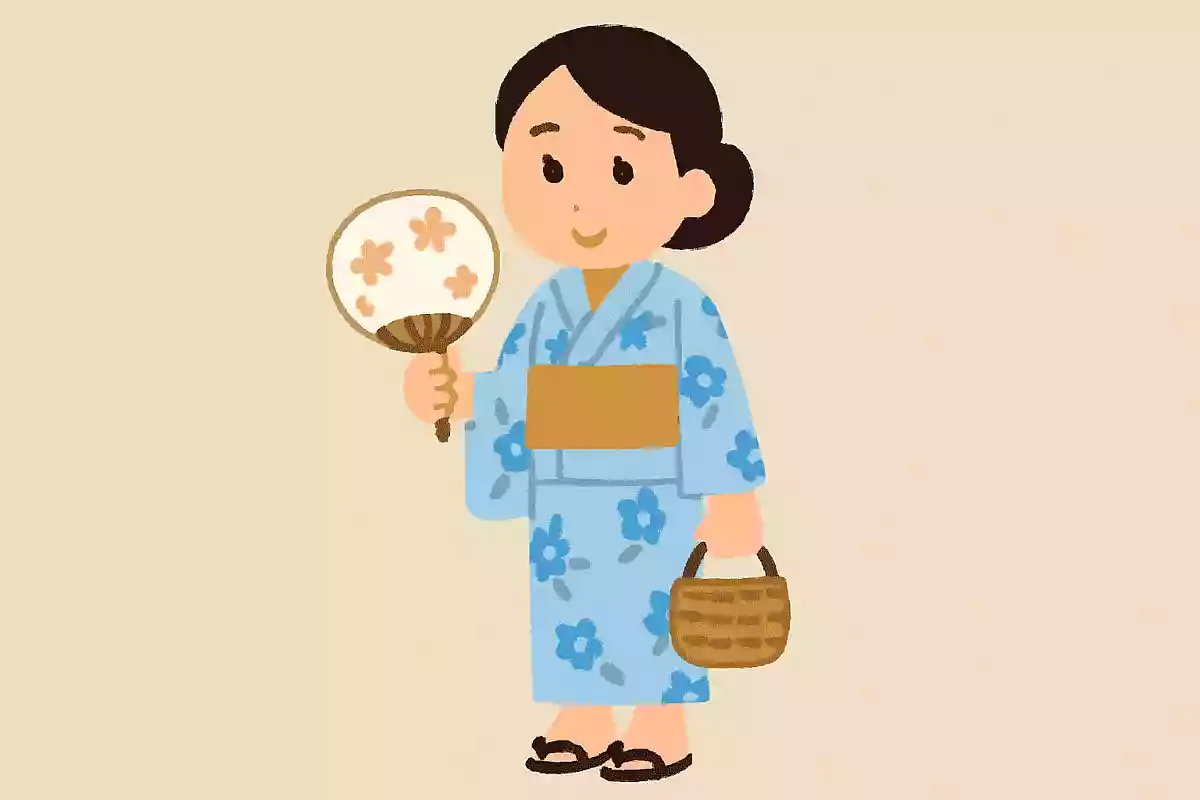
The name of the easy-to-throw-on women’s summer garment that was popular from the late Taisho to the early Showa period was “appappa.” It’s said to come from an Osaka dialect word that describes a hem that flares out “pah!” These days, the origins of fashion-related buzzwords are mostly foreign languages, but the fact that this one comes from a domestic dialect really reflects the times, doesn’t it? In 1929 (Showa 4), when Tokyo was hit by its worst heatwave in forty years, the appappa reportedly became wildly popular as well.
My grandmother still calls it an “appappa,” so there might still be people who use the word even now…
In 1960 (Showa 35), a revolution occurred in household televisions. What happened to the TV screen?
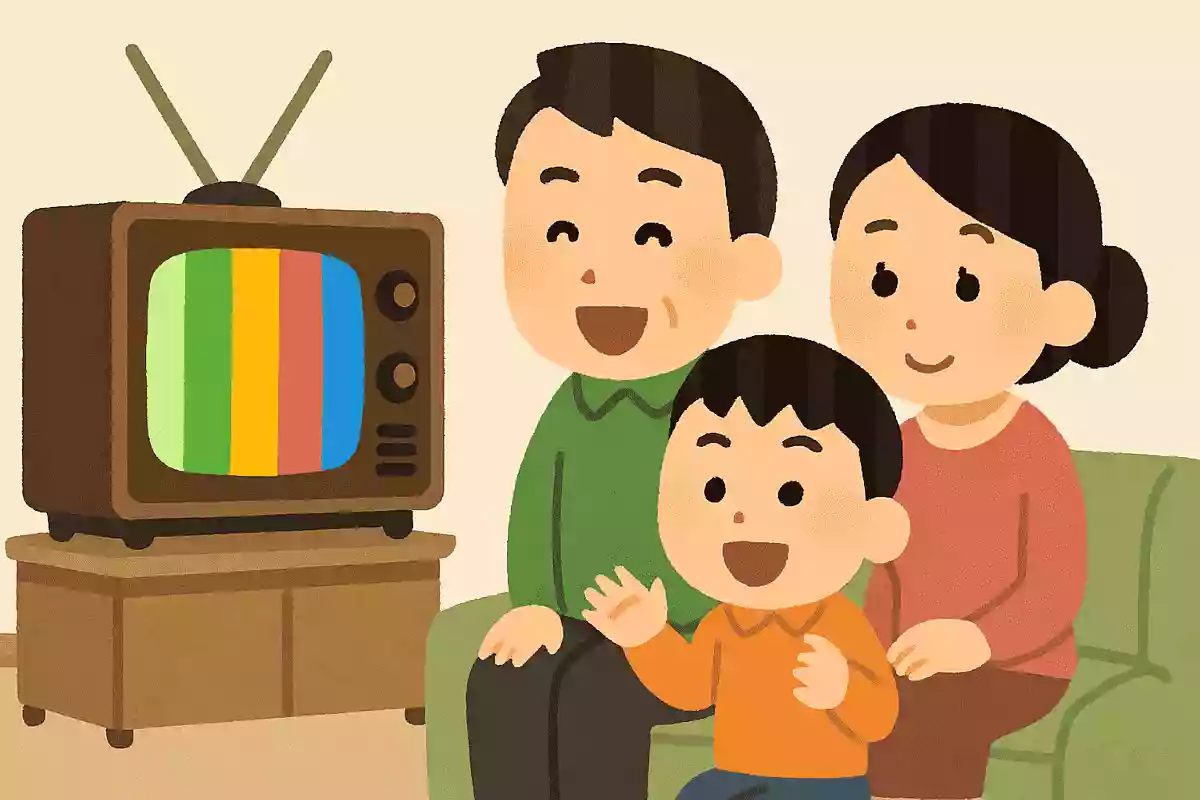
The revolutionary event that happened to home TVs in 1960 (Showa 35) was the start of color broadcasting! NHK began broadcasting on February 1, 1953 (Showa 28), and commercial stations followed on August 28 of the same year.
After the introduction of remote-control TVs and the downsizing of cathode-ray tubes, color broadcasts finally began in 1960.
At the time, color TVs cost dozens of times a new university graduate’s starting salary—well beyond the reach of ordinary people—but as technology advanced, prices became more affordable.
Looking at photos of old televisions or footage of programs from that era might bring back memories of your younger days.
On the tables of cafés and eateries in the Showa era, there were small roulette-style vending machines. What kind of vending machines were they?
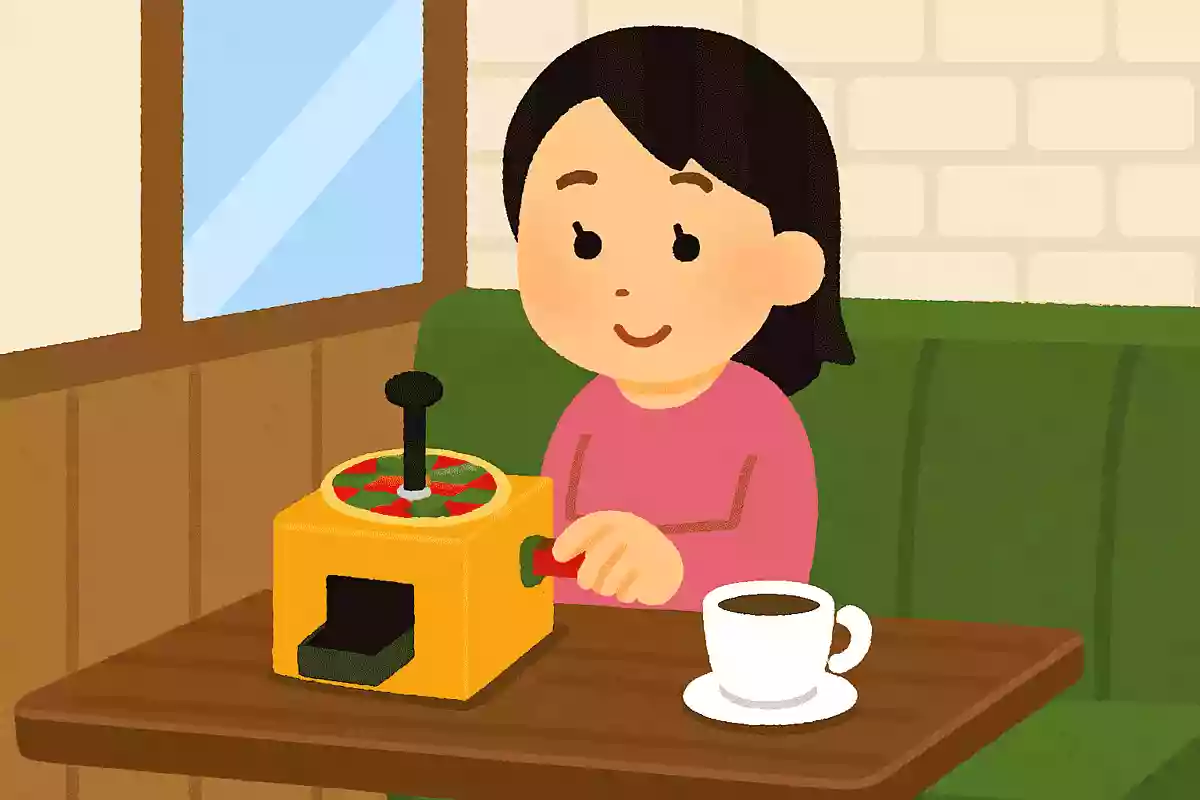
Back in the Showa era, many coffee shops and eateries had small roulette-style vending machines on their tables.
And what did they dispense? Fortune-telling results! You’d insert a coin and pull the lever, the roulette inside would spin, and a rolled-up slip of paper would come out.
In the late Showa 50s (the late 1970s to early 1980s), thanks to the combined boom of horoscopes and coffee shops, annual production of these mini machines reportedly exceeded 200,000 units.
I even remember seeing them in old Chinese restaurants after the Heisei era began, but nowadays they’ve become a rare sight.
What was the game that was placed in coffee shops and the like during the Showa era and became a huge craze?
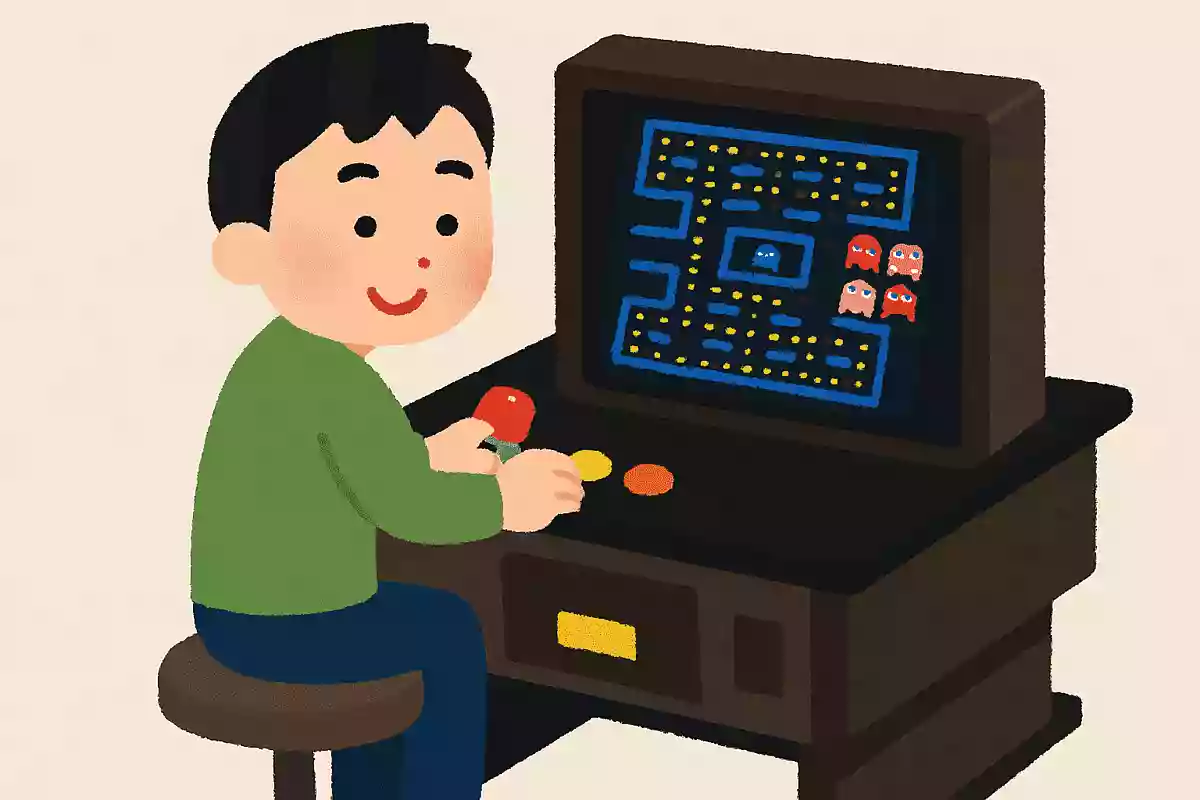
It’s Taito’s shooting game that was displayed on a screen embedded in a table-style cabinet and later expanded to home consoles and handhelds.
The game debuted from Taito in 1978 and was installed in places like cafés.
What was the name of this game? The answer is Space Invaders.
Many people have probably played it themselves or seen students and young people playing it.
