

[For Seniors] Nostalgic quizzes that bring back memories! Showa-era entertainment and sports questions


It’s fun to look back on the past, isn’t it? Thinking about nostalgic topics—like entertainment, sports, and pop culture—can bring back memories and make our hearts skip with excitement.
How about we revisit those moments together through a quiz? Let’s enjoy a good time reminiscing about things that are commonplace now, or those that have changed with the times, and let the conversation blossom with memories.
I can almost hear everyone saying, “Oh yeah, I remember that!”
- [For Seniors] Laugh-Out-Loud, Crowd-Pleasing! Fun Quiz
- [For Seniors] Recommended for Brain Training! Nostalgic Showa-Era Quiz
- [For Seniors] Nostalgic! Showa-Era Quizzes Recommended for Reminiscence Therapy
- [For Seniors] Trivia Multiple-Choice Quiz
- [For Seniors] Fun and Informative! Health Trivia Quiz
- [Brain Training] Lively Word Quiz for Seniors
- [For Seniors] Who Am I? Quiz: A Fun Set of Questions with Exciting Hints
- [For Seniors] Brain Training! Recall Quiz Collection!
- [For Seniors] Have Fun with Wordplay Characters! A Collection of Funny Puzzles
- [For Seniors] Lively two-choice trivia quiz. Handy to know and tidbits you'll want to share with others
- [For Seniors] Fun! Let’s Get Excited with Japan’s Number One Quiz
- [For Seniors] Sports Trivia Quiz & Fun Facts. Easy and Entertaining
- [For Seniors] Liven Things Up! 3-Choice Ranking Quiz
Entertainment, Showbiz, and Sports (1–10)
Among Yukio Hashi, Hideki Saijo, and Kazuo Funaki, who is not one of the “Gosanke” (the ‘Big Three’?)

Among Yukio Hashi, Hideki Saijo, and Kazuo Funaki, who is not part of the “Gosanke” (the Big Three)? The hint is the period when each was active: the Gosanke are generally associated with making a big impact around the mid-1960s.
The answer is Hideki Saijo.
The Gosanke refers to Yukio Hashi, Kazuo Funaki, and Teruhiko Saigō.
Hideki Saijo was mainly active in the 1970s and, alongside Hiromi Go and Goro Noguchi—who were active in the same era—was known as part of the “Shin Gosanke” (the New Big Three).

What is the name of the hugely popular British band that first came to Japan in 1966 (Showa 41)?
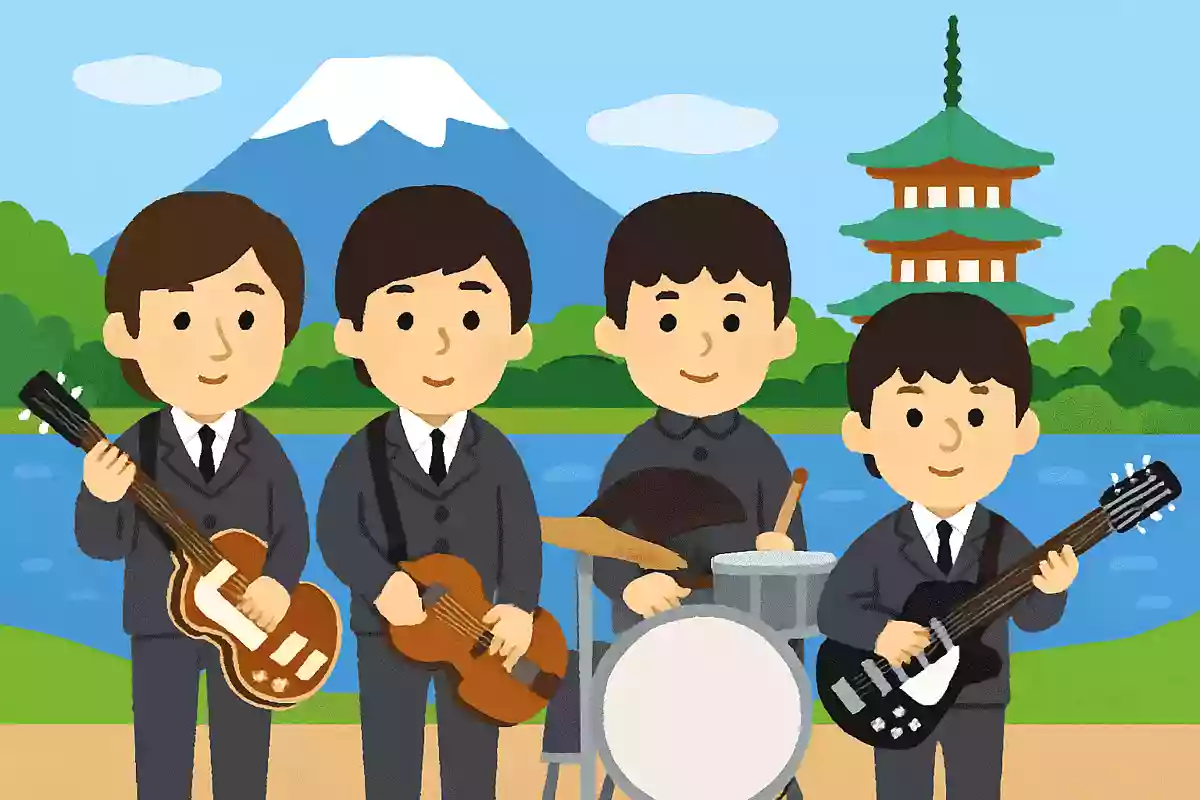
Even if you’re not well-versed in music, you’ve probably heard of them at least once: the legendary band, The Beatles.
They came to Japan in 1966 and performed at the Nippon Budokan.
The concerts, held over three days, are unforgettable for many.
The fervor of young people at the time was so intense it became news.
If you were able to attend, you had a truly rare experience.
Although The Beatles effectively disbanded in 1970, their music still remains in the hearts of many people today.

Bowling is now played with ten pins, but the number was different in the past. How many pins were there?
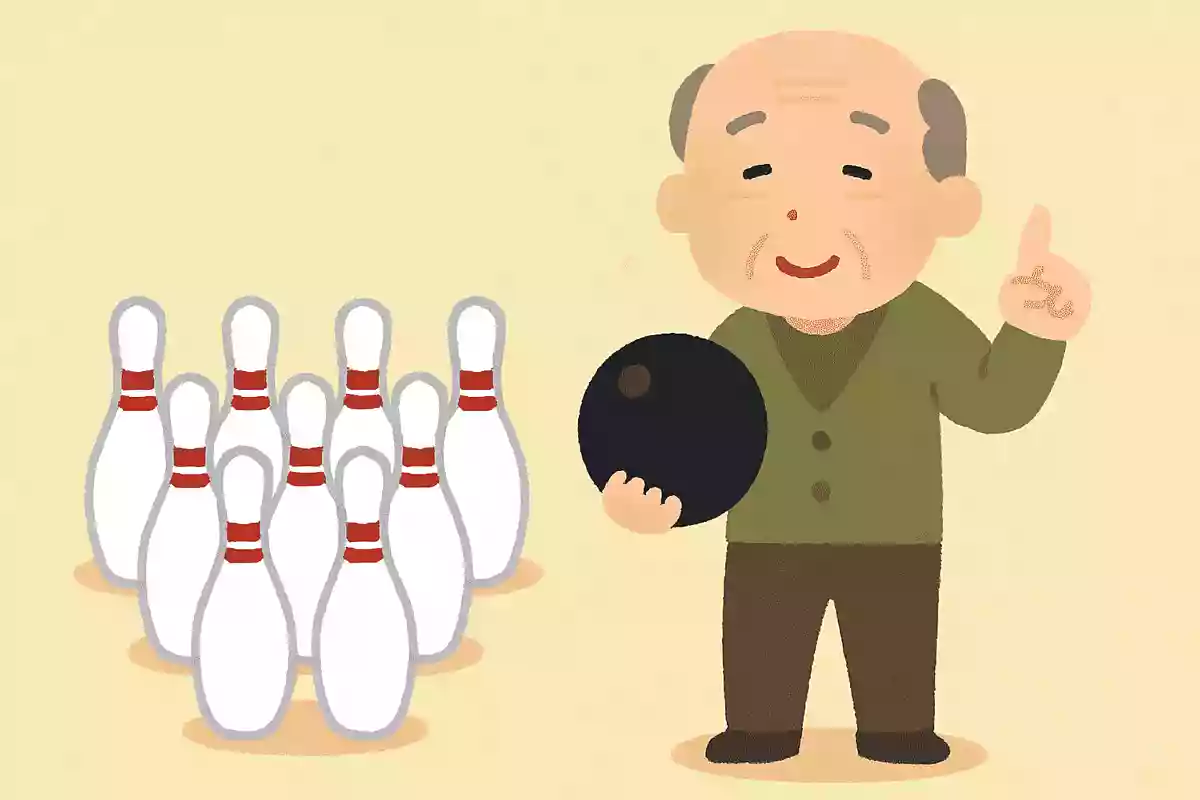
Bowling is said to have existed in ancient Egypt, but the number and arrangement of pins varied.
Later, it was standardized to place nine pins in a diamond shape, similar to today’s setup.
As “ninepins,” it became popular in the United States as well.
However, because it was used for gambling, a law was enacted that “prohibits ninepins bowling.” In response, the idea arose that using ten pins would not violate the law, and that’s how ten-pin bowling was born.

Entertainment, Arts, and Sports (11–20)
In 1969, a certain American rocket made the first human landing on the moon. What was the name of that rocket?

Speaking of the American rocket that achieved humanity’s first successful Moon landing in 1969, it has to be Apollo 11! Seeing the portraits of the three crew members who launched from Kennedy Space Center, or the photo of Commander Neil Armstrong’s first human footprint on the Moon, might bring back memories of the excitement of that time.
Using a quiz as a springboard, why not reminisce about that historic achievement that inspired so many dreams and enjoy sharing stories of the past?

What sport was popular in the 1970s thanks to the success of players like Kayoko Suda and Ritsuko Nakayama?
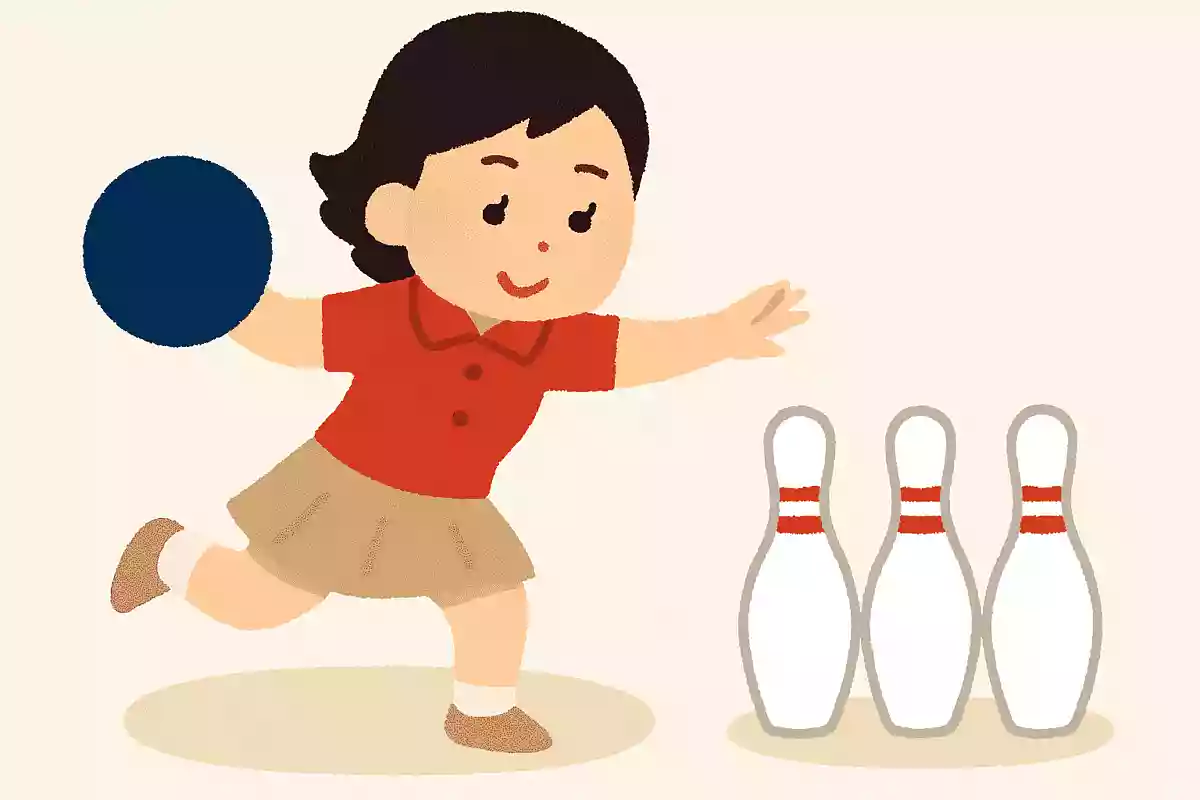
Speaking of the sport that sparked a huge boom centered in Tokyo in the 1970s, it’s bowling! Ritsuko Nakayama, Kayoko Suda, and Rie Ishii, who were immensely popular as beautiful professional bowlers, were known as the “Flower Trio,” and, unusually for athletes, continued their careers while appearing on seven regular weekly TV programs.
With its simple rule—roll the ball and knock down the pins—bowling has long been loved by people of all ages.
Some of you might fondly recall how obsessed you were with it in your younger days.
Soccer is also popular in Japan. What is the nickname of the Japan women’s national football team, who won the World Cup in 2011?
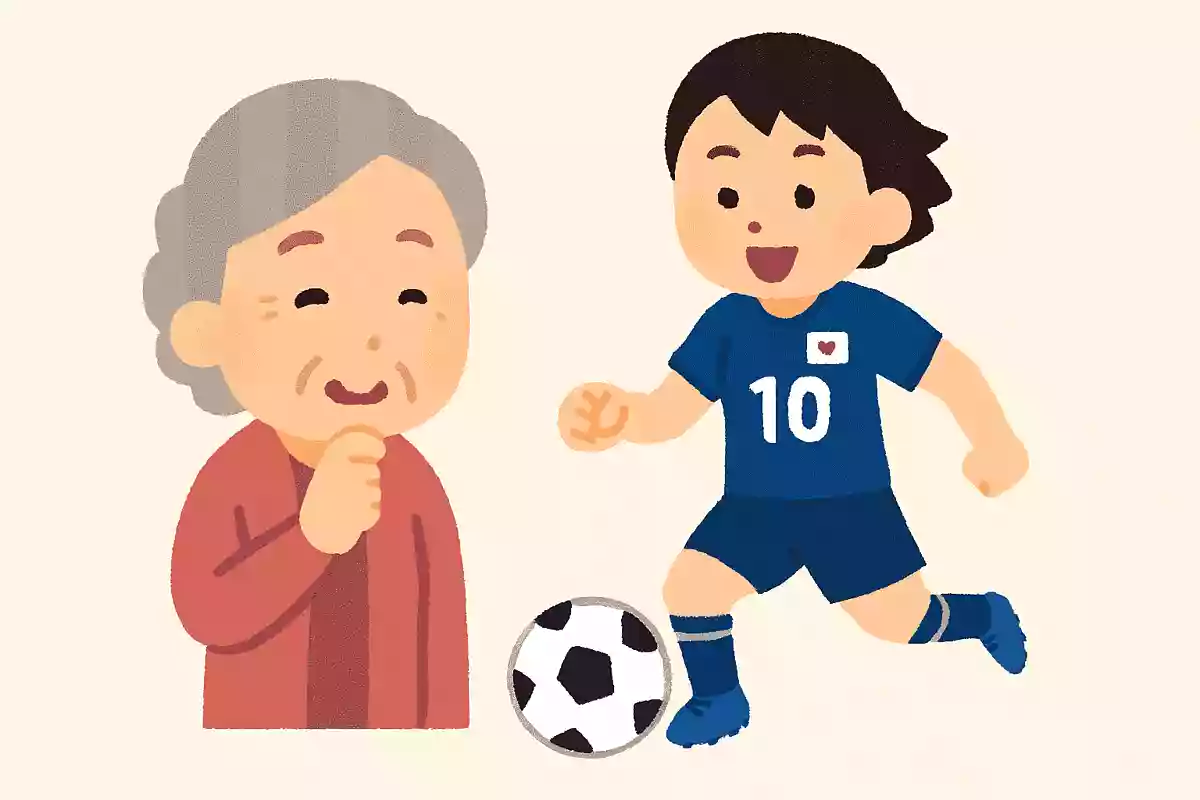
Nadeshiko Japan, the team that won the 2011 FIFA Women’s World Cup.
At the time, it was a major event covered by every news outlet.
Many older people have probably heard of it at least once.
The nickname was reportedly chosen from about 2,700 submissions in a public call held by the Japan Football Association in 2004.
Currently, soccer balls are mainly colored, such as white and black. However, they used to be a different color in the past. What color were they?
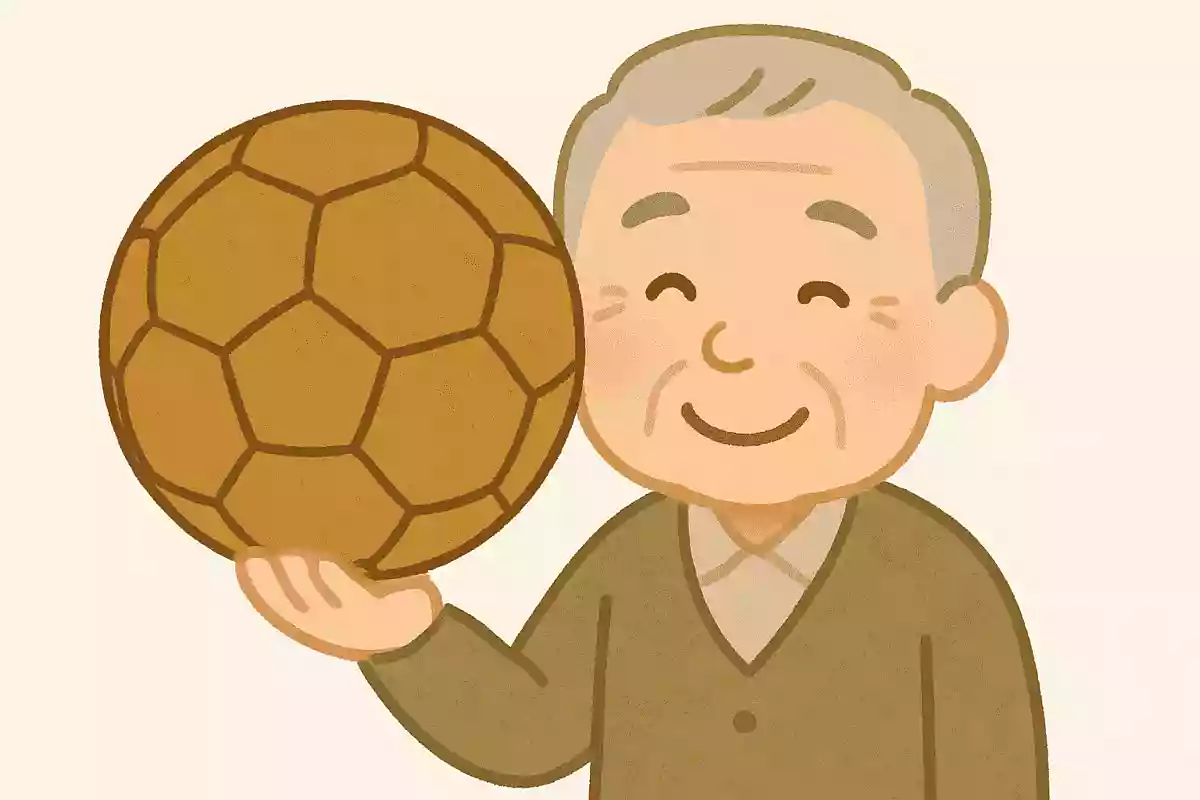
In the early days of soccer in the 1800s, matches were played with brown balls.
They were brown because balls were made from natural leather at the time.
Later, the color of the ball was changed when soccer matches began to be broadcast on television.
Single-colored balls, like brown or white, were hard to see on TV, so the design was updated.