

[For Seniors] Nostalgic quizzes that bring back memories! Showa-era entertainment and sports questions


It’s fun to look back on the past, isn’t it? Thinking about nostalgic topics—like entertainment, sports, and pop culture—can bring back memories and make our hearts skip with excitement.
How about we revisit those moments together through a quiz? Let’s enjoy a good time reminiscing about things that are commonplace now, or those that have changed with the times, and let the conversation blossom with memories.
I can almost hear everyone saying, “Oh yeah, I remember that!”
- [For Seniors] Laugh-Out-Loud, Crowd-Pleasing! Fun Quiz
- [For Seniors] Recommended for Brain Training! Nostalgic Showa-Era Quiz
- [For Seniors] Nostalgic! Showa-Era Quizzes Recommended for Reminiscence Therapy
- [For Seniors] Trivia Multiple-Choice Quiz
- [For Seniors] Fun and Informative! Health Trivia Quiz
- [Brain Training] Lively Word Quiz for Seniors
- [For Seniors] Who Am I? Quiz: A Fun Set of Questions with Exciting Hints
- [For Seniors] Brain Training! Recall Quiz Collection!
- [For Seniors] Have Fun with Wordplay Characters! A Collection of Funny Puzzles
- [For Seniors] Lively two-choice trivia quiz. Handy to know and tidbits you'll want to share with others
- [For Seniors] Fun! Let’s Get Excited with Japan’s Number One Quiz
- [For Seniors] Sports Trivia Quiz & Fun Facts. Easy and Entertaining
- [For Seniors] Liven Things Up! 3-Choice Ranking Quiz
Lifestyle and Culture (1–10)
Around the early Showa period, someone went around on a bicycle selling a certain creature. What was the creature?

When it comes to keeping animals, I think the modern image is strongly associated with getting them from a pet shop.
What kinds of creatures, once sold by bicycle—a sight that has faded with the times—were there? The hint is that they’re small enough to carry by bike, and you might also see them at festivals.
The answer is goldfish.
They were reportedly sold along with glass bowls for keeping them, accompanied by vendors’ distinctive, drawn-out calls.

What was the thing that children in the Showa era typically watched while eating snacks?
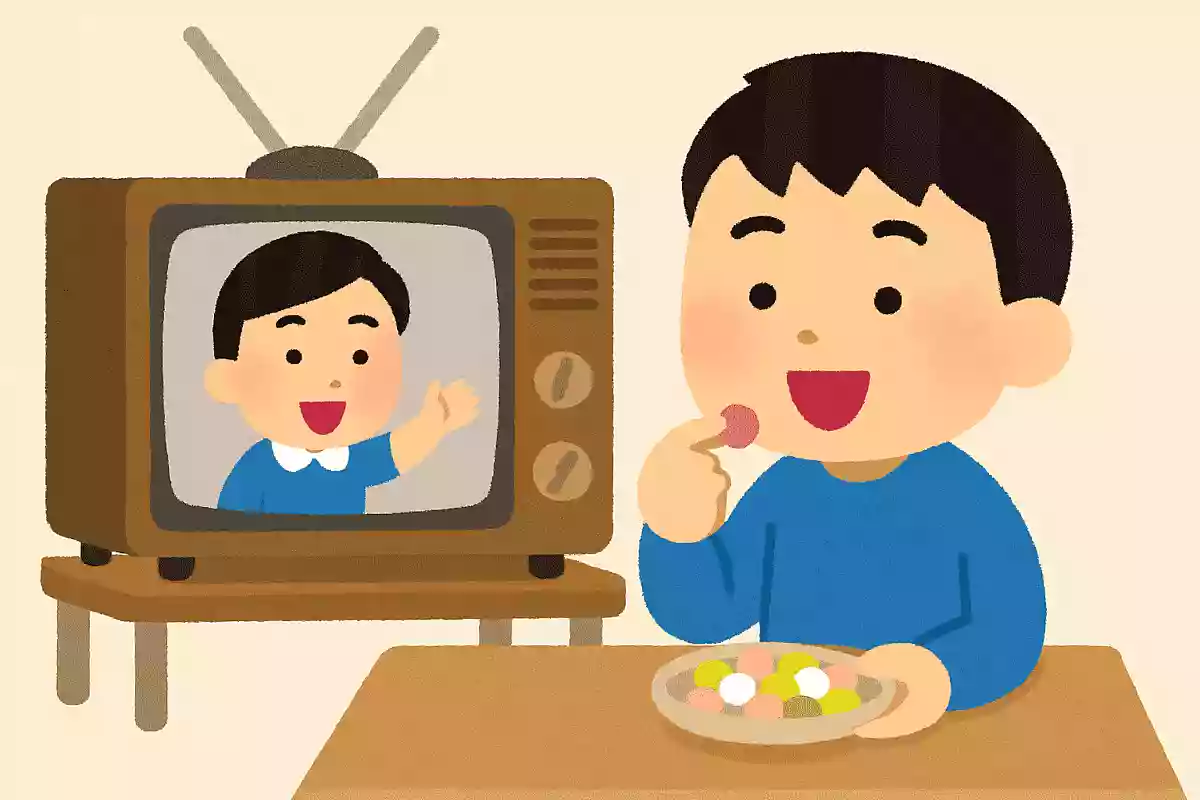
Children’s play and pastimes have changed with the times, and some have gradually faded away.
Among the children’s amusements that have dwindled today, what was it that was especially popular during the Showa era to watch while snacking? Focus on the “while eating sweets” part—imagine not moving around, but gathering together and quietly watching.
If you know it, the answer might come to mind.
The answer is kamishibai (paper theater).
Everyone would gather when the kamishibai man arrived on his bicycle loaded with story boards and sweets, and the sight of children watching kamishibai with senbei rice crackers and mizuame syrup in hand is a scene that evokes nostalgia for the Showa period.
These days you can find them at any supermarket, but which fruit was considered a luxury item until the early 1950s (Showa 30s)?

The value of things has changed from the Showa era to today, hasn’t it? Some items have become rarer and more valuable as their numbers decreased, while others saw their prices stabilize as distribution improved.
Among such items whose value has shifted, which fruit was once a luxury but is now easily available at the supermarket? If you picture staple fruits and focus on those that rely on imports, you might figure it out.
The answer is bananas.
Until the mid-Showa 30s (mid-1960s), imports were restricted, which is why they were treated as an expensive fruit.
After the war, there were home appliances in Japan that people longed for, called the “Three Sacred Treasures.” They were the television, the refrigerator, and what was the third one?
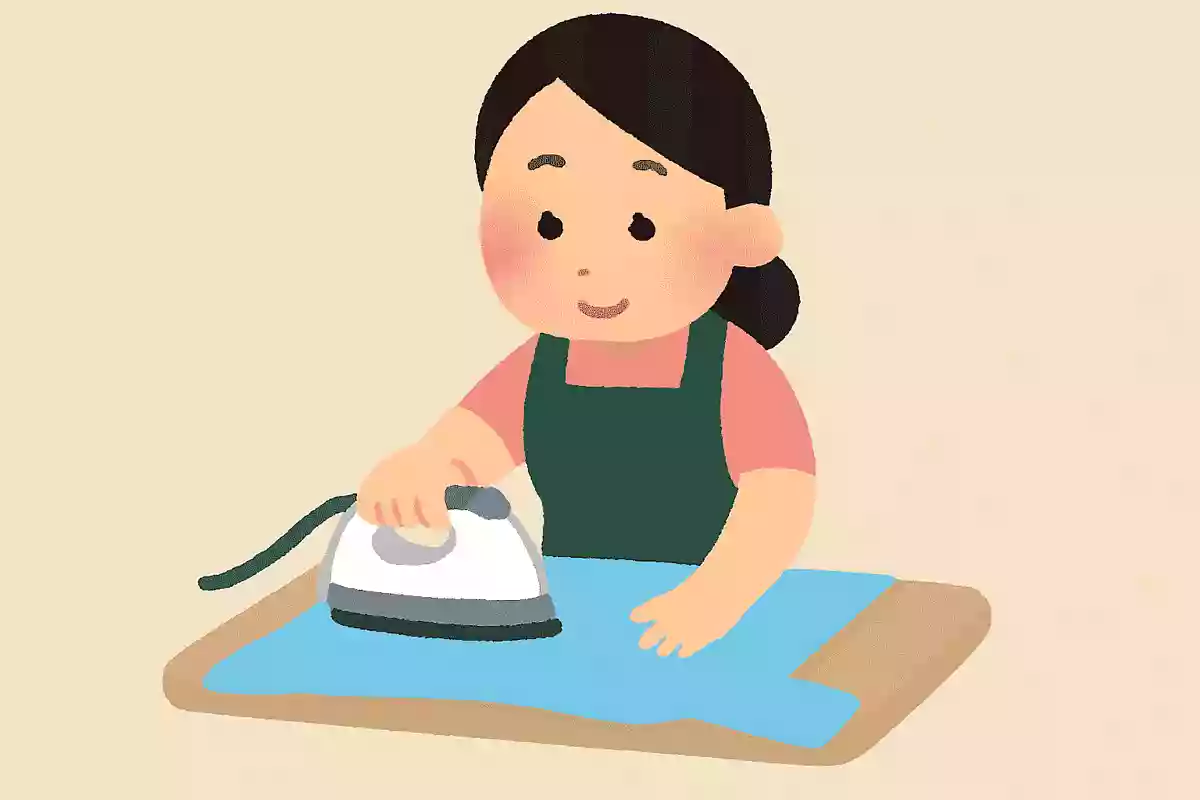
After postwar reconstruction, Japan became increasingly prosperous.
As a symbol of that prosperity—and something people aspired to own—there were certain home appliances known as the “Three Sacred Treasures.” Let’s think about the third appliance that stood alongside the television and the refrigerator.
It’s easier if you consider a representative household appliance that supports major chores and is still regarded as important today among so-called “white goods.” The answer is the washing machine.
You can see the history in the fact that an appliance we now take for granted was once a symbol of aspiration.
It’s also recommended to look into the origin of the term “Three Sacred Treasures,” as well as the “New Three Sacred Treasures” of the 1960s, to deepen your understanding.
What was the classic meat that used to be served in school lunches during the Showa era?

Speaking of school lunches, they vary by region, but the menus have also changed over time.
If we think about a classic meat that frequently appeared in the Showa era and reflects those changing times, what would it be? Considering a type of meat that we see less often today and that differs from the main meats now, the possible answers narrow down.
The answer is whale meat.
From the late 1940s through the 1950s, when chicken and pork were not as widely available as they are today, whale meat was an inexpensive, nutritious ingredient that supported children’s health.
What was commonly done to scold children of the Showa generation at school?
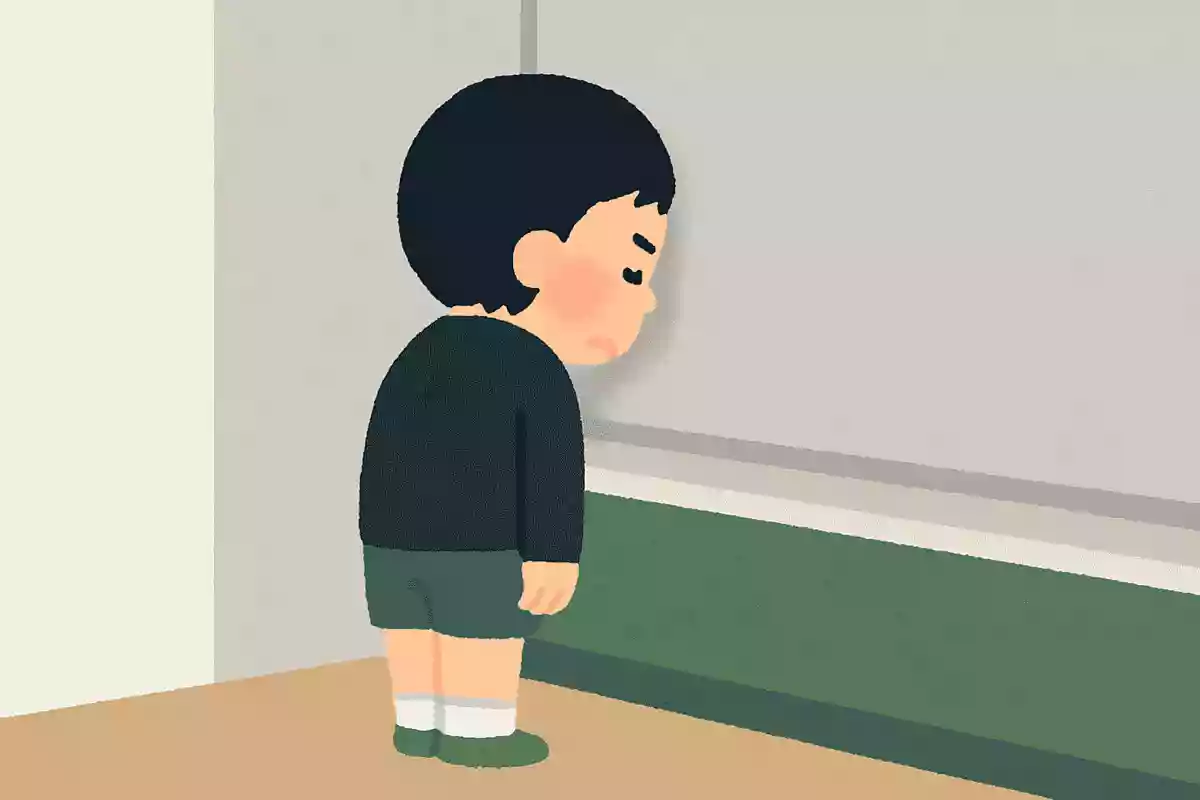
School scenes can also be cited as landscapes that change with the times.
What is taught, the differences in facilities, and how children spend their time—all sorts of aspects have evolved over the years.
One major difference between today and the Showa era is the method teachers used when scolding students.
What was it? The keyword is “tough love”—a method chosen with the hope of guiding children in a better direction, painful to the heart yet easy to convey.
The answer is a knuckle rap (genkotsu).
Since this is now considered unacceptable behavior, teachers are being tested on their creativity in finding other methods and honing their communication skills.
Living and Culture (11–20)
There used to be a part-time job where workers pushed people into crowded trains when they couldn’t get on. What is the name of this job, which was introduced at what is now JR Shinjuku Station in 1955?
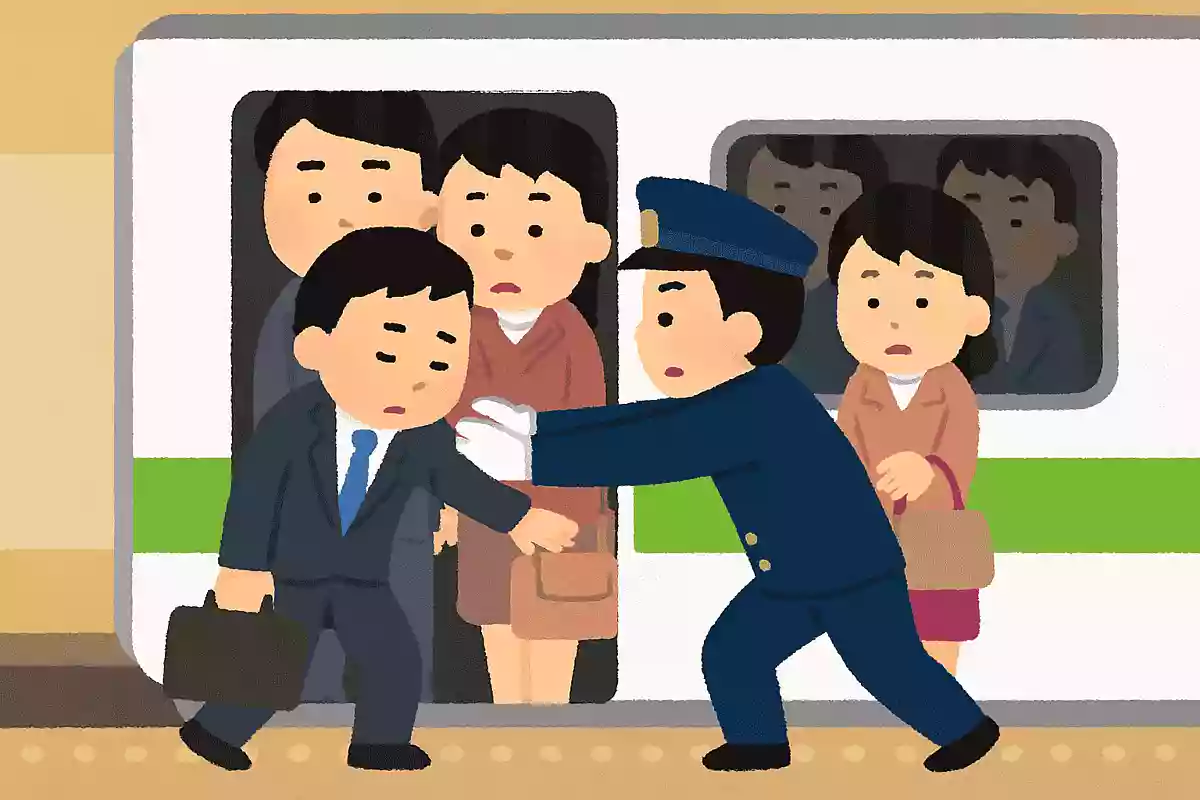
The part-time workers hired to push people into trains when they couldn’t board the packed cars introduced at what is now JR Shinjuku Station in 1955 (Showa 30) were called “oshiya” (pushers).
As commuting rush-hour congestion worsened and delays became routine, these oshiaya—mainly student part-timers—were brought in to ensure on-time departures.
You might think that in today’s world, where announcements sometimes say “Please don’t push,” this job would have disappeared, but it turns out they are still regularly recruited as “service staff” to help prevent delays and ensure safety.
