

[For Seniors] Nostalgic quizzes that bring back memories! Showa-era entertainment and sports questions


It’s fun to look back on the past, isn’t it? Thinking about nostalgic topics—like entertainment, sports, and pop culture—can bring back memories and make our hearts skip with excitement.
How about we revisit those moments together through a quiz? Let’s enjoy a good time reminiscing about things that are commonplace now, or those that have changed with the times, and let the conversation blossom with memories.
I can almost hear everyone saying, “Oh yeah, I remember that!”
- [For Seniors] Laugh-Out-Loud, Crowd-Pleasing! Fun Quiz
- [For Seniors] Recommended for Brain Training! Nostalgic Showa-Era Quiz
- [For Seniors] Nostalgic! Showa-Era Quizzes Recommended for Reminiscence Therapy
- [For Seniors] Trivia Multiple-Choice Quiz
- [For Seniors] Fun and Informative! Health Trivia Quiz
- [Brain Training] Lively Word Quiz for Seniors
- [For Seniors] Who Am I? Quiz: A Fun Set of Questions with Exciting Hints
- [For Seniors] Brain Training! Recall Quiz Collection!
- [For Seniors] Have Fun with Wordplay Characters! A Collection of Funny Puzzles
- [For Seniors] Lively two-choice trivia quiz. Handy to know and tidbits you'll want to share with others
- [For Seniors] Fun! Let’s Get Excited with Japan’s Number One Quiz
- [For Seniors] Sports Trivia Quiz & Fun Facts. Easy and Entertaining
- [For Seniors] Liven Things Up! 3-Choice Ranking Quiz
Entertainment, Showbiz, and Sports (21–30)
What became widespread in Japan as a result of the 1964 Tokyo Olympics?
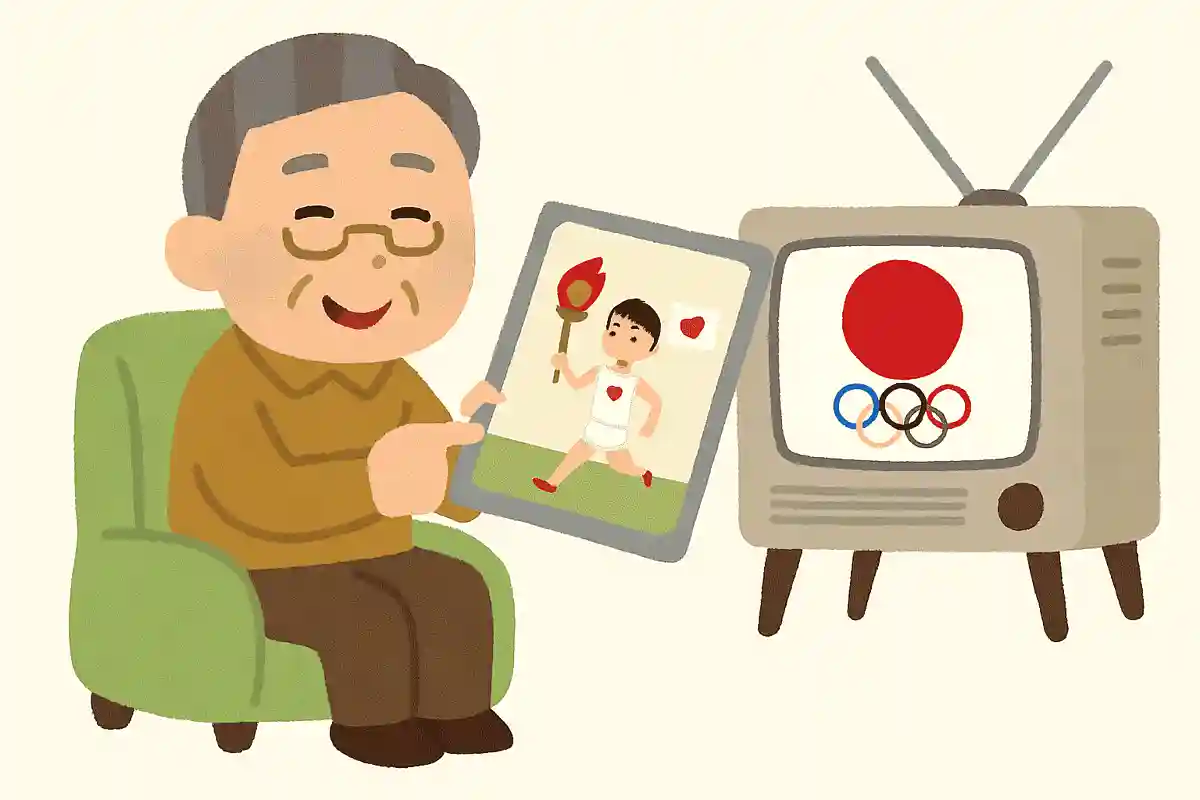
In 1964, the 18th Summer Olympics were held in Tokyo.
Along with that, something became widespread in Japan.
What was it? The answer is pictograms.
Simply put, pictograms are symbols that convey meanings or concepts.
They are also called picture words.
Examples include the figures indicating men’s and women’s restrooms, and the emergency exit sign.
For the Tokyo Olympics, pictograms for sports events and facilities were created as part of the hospitality effort.

What was the event called in which artworks on sports themes competed for rankings, which once used to be an Olympic discipline?
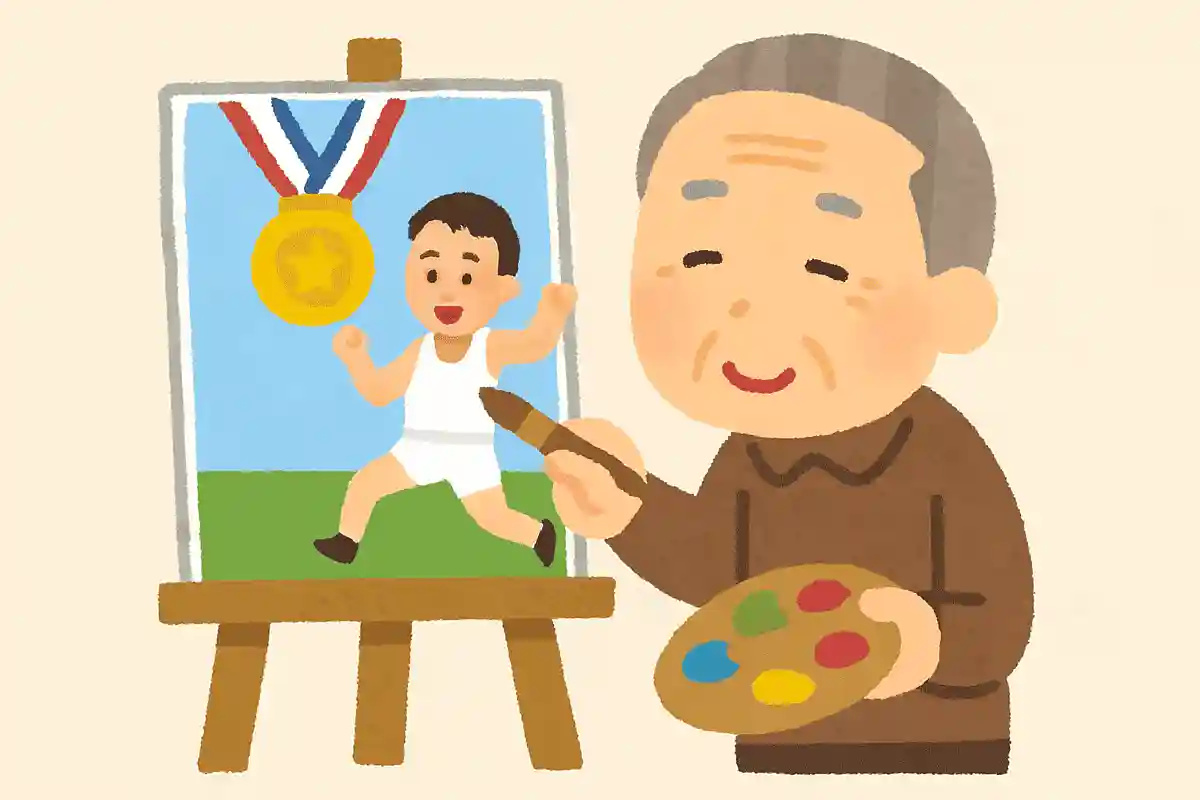
Although it is no longer an official event because preserving the quality of artworks and establishing objective scoring criteria are difficult, there used to be competitions in past modern Olympics in which artworks were ranked.
They were called “art competitions.” Japanese participants also took part in the Los Angeles and Berlin Olympics.
Starting with the Helsinki Olympics, instead of a competition, art exhibitions have been included as part of the cultural program, as stipulated by the Olympic Charter.
What bird always appears at the Olympic opening ceremony?
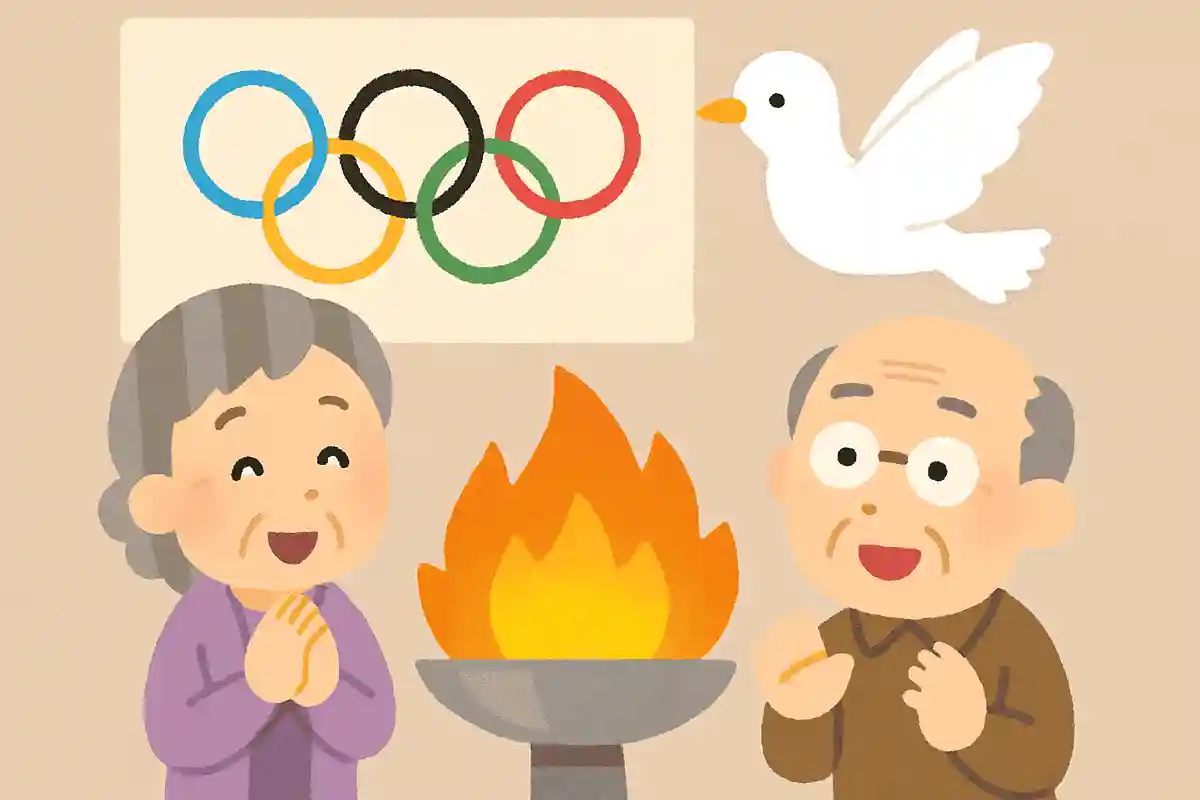
This is an issue that ties into the staging specified in the Olympic Charter.
The answer is “doves.” As many of you know, doves are recognized as a symbol of peace, and at the Olympic Opening Ceremony, doves were always released after the lighting of the Olympic flame.
However, due to a tragic accident at the 1988 Seoul Olympics, real doves no longer appear in the staging today.
That doesn’t mean doves have disappeared from the Olympics altogether—each country incorporates doves into their staging in different ways, so please keep an eye out for them.
Lifestyle and Culture (1–10)
What is the five-katakana-character name for a type of women’s summer clothing that became popular in early Showa-era Japan, also called “simple wear” or “cooling wear”? (Answer: ワンピース)

This is a quiz inviting seniors to look back on things and events from everyday life in the early Showa period.
The answer this time is “appappa.” The word is said to come from Osaka dialect, referring to the hem of the garment spreading out with a quick “pa” sound.
Because it was also called a “simple garment” or a “cooling garment,” the appappa was light, soft, easy to move in, and breezy—features that made it hugely popular at the time.
It also has something in common with today’s popular women’s fashion item, the one-piece dress.
You still occasionally see it as a classic outfit for middle-aged ladies.
What is the nickname ending with “-chan” for the inflatable vinyl dolls known by names like “Tree-climbing Winky” and “Kuronbo Bura-chan”?
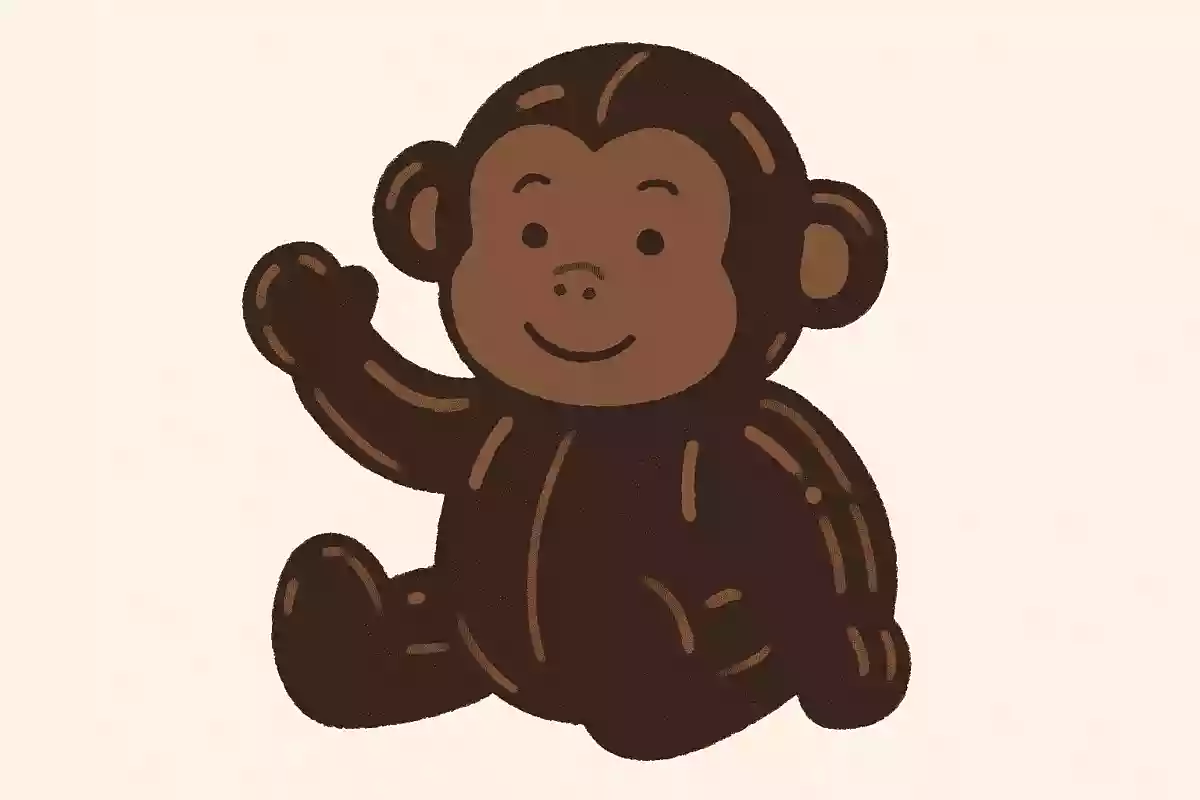
The inflatable vinyl doll that was sold under names like “Tree-Climbing Winky” and “Little Blacky Bura-chan” is widely remembered as rarely being called by its product name.
Popular across generations, this doll—shaped to cling to a tree, as the names suggest, and often worn wrapped around the arm—was affectionately known as “Dakko-chan” (Hug-chan).
Perhaps due to the lasting impact of this nickname, the 21st-century revival adopted “Dakko-chan” as its official product name.

In Japan’s period of rapid economic growth, people referred to three things that were popular among children as “Giants” and “Taihō.” These are also dishes commonly found on the family table—but what is the third one?
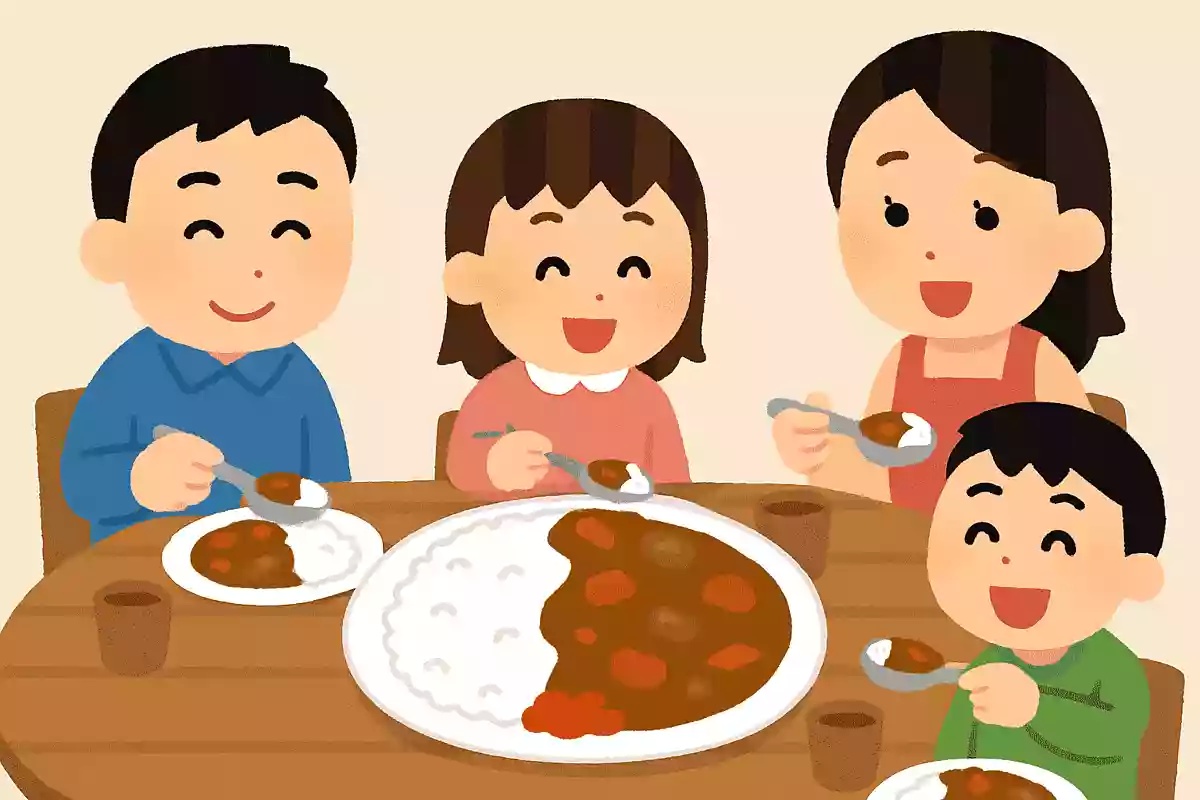
In Japan’s period of rapid economic growth, there’s a phrase that lines up several things that were popular with children.
Alongside the Yomiuri Giants baseball team, commonly called the “Giants,” and Taihō, a grand champion (yokozuna) in sumo, what is the third item? Hint: it’s a dish found on the family dining table.
It became beloved because its ingredients became inexpensive and reliably available.
The answer is “tamagoyaki” (Japanese rolled omelet).
It’s said that the sweet, thick omelet made with sugar began to be served at sushi restaurants and other eateries, and from there spread into households.
What kind of occupation was a sandwich man?

Young people today would probably answer, “A popular comedian.” Those who are older may remember often seeing, in the years right after the war, “promoters wearing advertising boards on their front and back” on street corners.
You still occasionally see them today, and it’s an advertising method that allows you to display a sign in prime downtown locations—where ad costs are extremely high—by paying only for labor.
It’s said that people engaged in this kind of promotion as early as the late Meiji era, and by the Taisho era the term “sandwich man” had come into use.