

[For Seniors] Nostalgic quizzes that bring back memories! Showa-era entertainment and sports questions


It’s fun to look back on the past, isn’t it? Thinking about nostalgic topics—like entertainment, sports, and pop culture—can bring back memories and make our hearts skip with excitement.
How about we revisit those moments together through a quiz? Let’s enjoy a good time reminiscing about things that are commonplace now, or those that have changed with the times, and let the conversation blossom with memories.
I can almost hear everyone saying, “Oh yeah, I remember that!”
- [For Seniors] Laugh-Out-Loud, Crowd-Pleasing! Fun Quiz
- [For Seniors] Recommended for Brain Training! Nostalgic Showa-Era Quiz
- [For Seniors] Nostalgic! Showa-Era Quizzes Recommended for Reminiscence Therapy
- [For Seniors] Trivia Multiple-Choice Quiz
- [For Seniors] Fun and Informative! Health Trivia Quiz
- [Brain Training] Lively Word Quiz for Seniors
- [For Seniors] Who Am I? Quiz: A Fun Set of Questions with Exciting Hints
- [For Seniors] Brain Training! Recall Quiz Collection!
- [For Seniors] Have Fun with Wordplay Characters! A Collection of Funny Puzzles
- [For Seniors] Lively two-choice trivia quiz. Handy to know and tidbits you'll want to share with others
- [For Seniors] Fun! Let’s Get Excited with Japan’s Number One Quiz
- [For Seniors] Sports Trivia Quiz & Fun Facts. Easy and Entertaining
- [For Seniors] Liven Things Up! 3-Choice Ranking Quiz
Living and Culture (11–20)
In the Showa era, what measures were taken when a home delivery shipment arrived and the recipient was not at home?
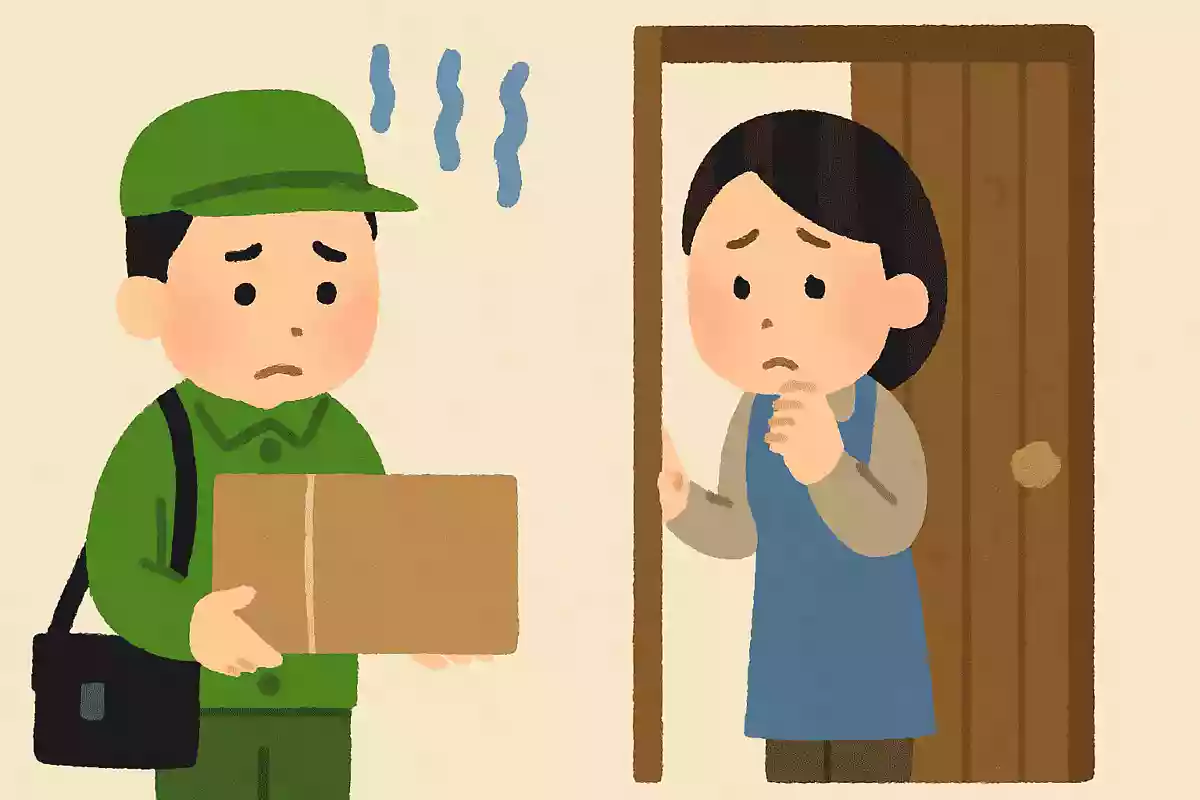
Courier services that deliver various items to your home have evolved to make receiving packages easier, yet everyone has experienced missing a delivery when they weren’t home.
How did people handle such situations back in the Showa era? If you consider that neighbors communicated more closely than they do now, and that delivery workers didn’t want to hold onto packages, the answer starts to come to mind.
The solution was to have a neighbor take the package for you.
That trust—entrusting your parcel addressed to you to the person next door—reflects the kind of communication people had back then.

What was the unexpected type of paper used for printed materials during the Showa era?
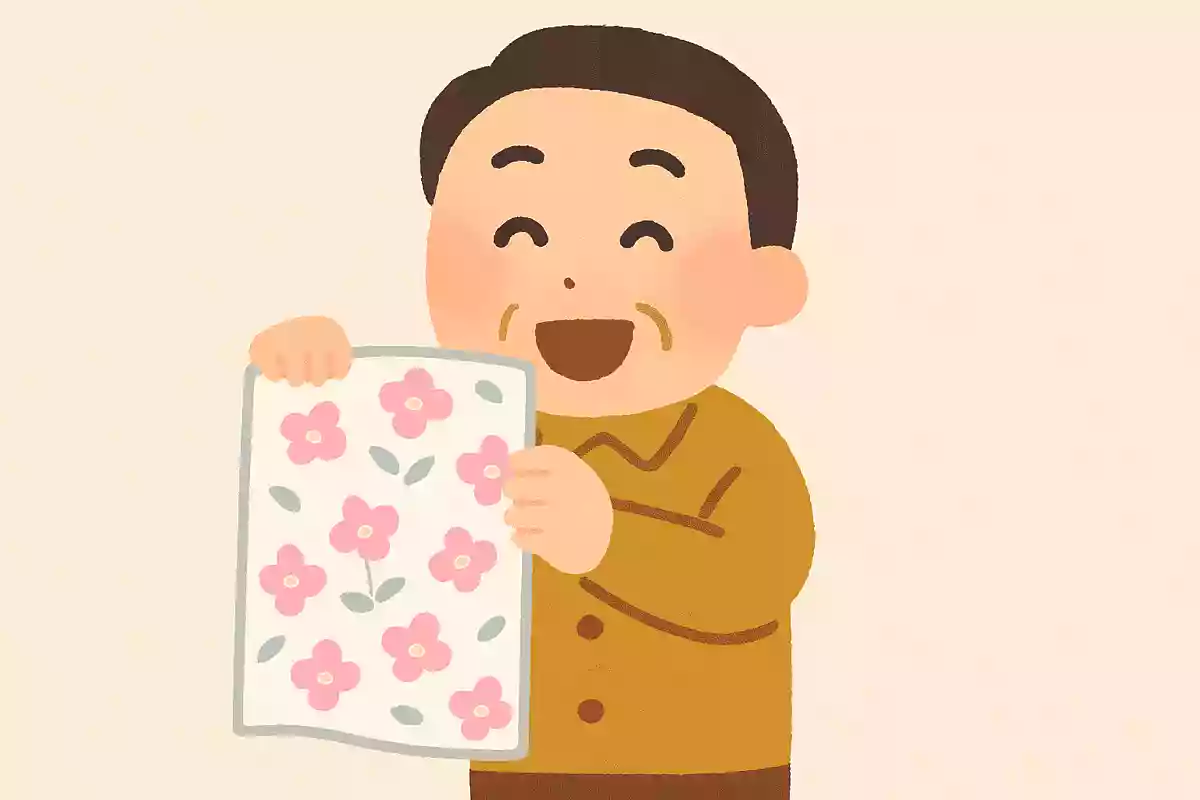
The quality of everyday items changes with the times, and many people have probably experienced things they once used no longer being mainstream.
Among such changing daily necessities, let’s focus on printed materials: what kind of paper used to be widely used in many situations? Today, what’s mainly used is what’s considered high-quality paper, but if you imagine a type that feels lower in quality than that, those who have used it might already know the answer.
The answer is warabanshi (also called kouhan-shi or youhan-shi), a type of paper that was cheaply produced at the time.
With advances in papermaking technology, it’s now ironically more expensive to produce this kind of paper than before.
In the Showa era, what was the card that many people carried around instead of a telephone?
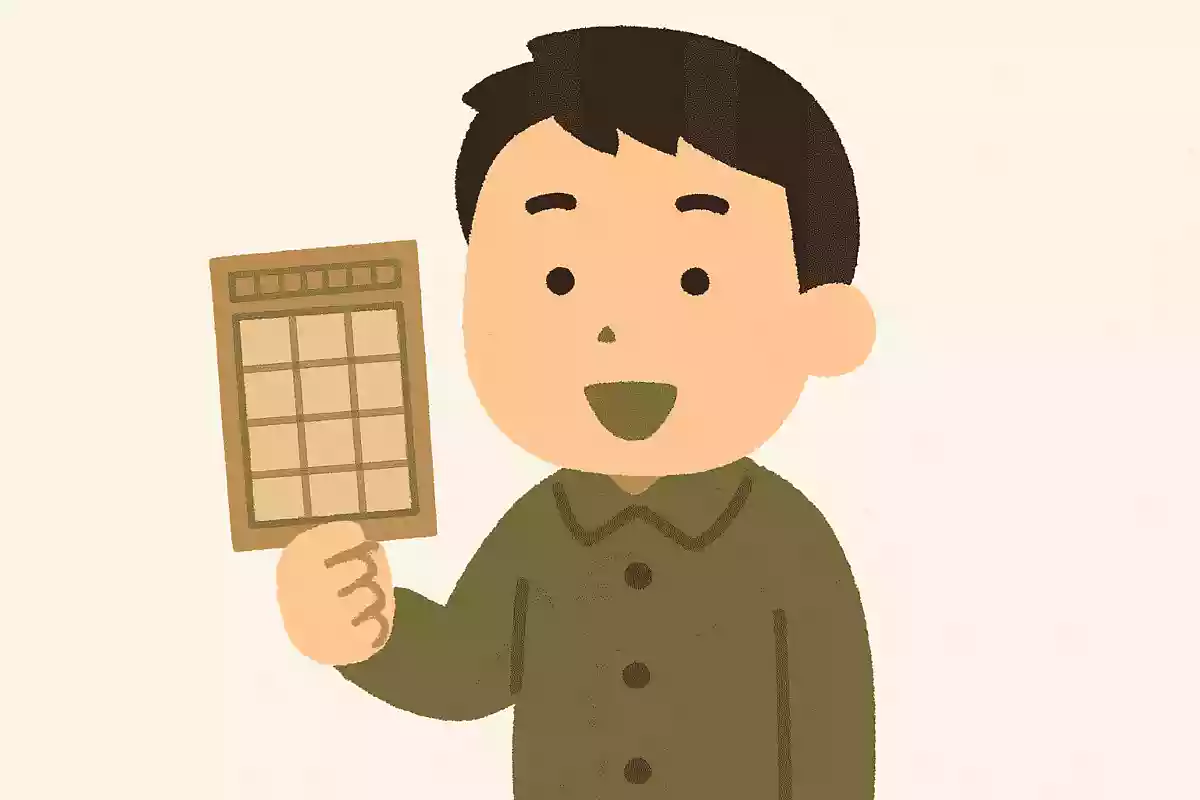
Cell phones—centered on smartphones—have now become indispensable in our daily lives, but they first appeared right before the end of the Showa era, which means that for most of Showa, people lived in a world without mobile phones.
In the days before mobile phones, what kind of card did people carry around instead of a telephone? Just recalling how people made contact while out and about might bring the answer to mind.
The answer is the telephone card: a card used for public pay phones that were once scattered throughout towns and cities, and also cherished as a collectible for its design.
In the 1960s (Showa 40s), the three new “Three Sacred Treasures” known as the 3Cs were a color TV, an air conditioner, and what was the third one?
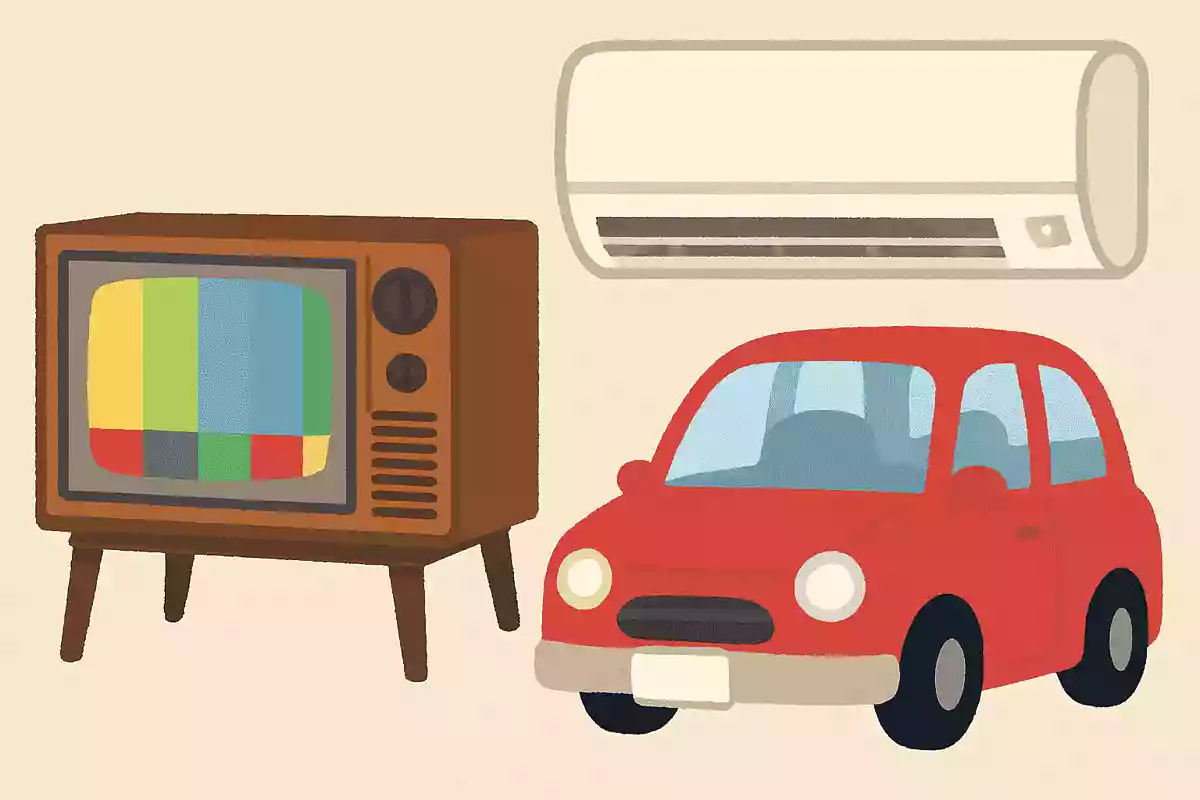
A nostalgic quiz that feels like time-traveling back to the Showa era.
It starts with the question: “The ‘new three sacred treasures’ known as the 3Cs were the color television, the air conditioner, and what was the third?” The final item that drew attention as part of the new three sacred treasures at the time was “Car,” as in an automobile.
Some people may recall the joy of the day a car came to their household, or episodes of it becoming the talk of the neighborhood.
Quizzes like this bring empathy and laughs to those who remember the past, while offering surprise and learning to younger generations.
They’re great for small gatherings or recreational activities at senior facilities and can really liven things up.
It’s also a recommended question for fans of retro culture.

From the late 1950s to the 1960s in the Showa era, a certain indoor sport became extremely popular. What sport was it?
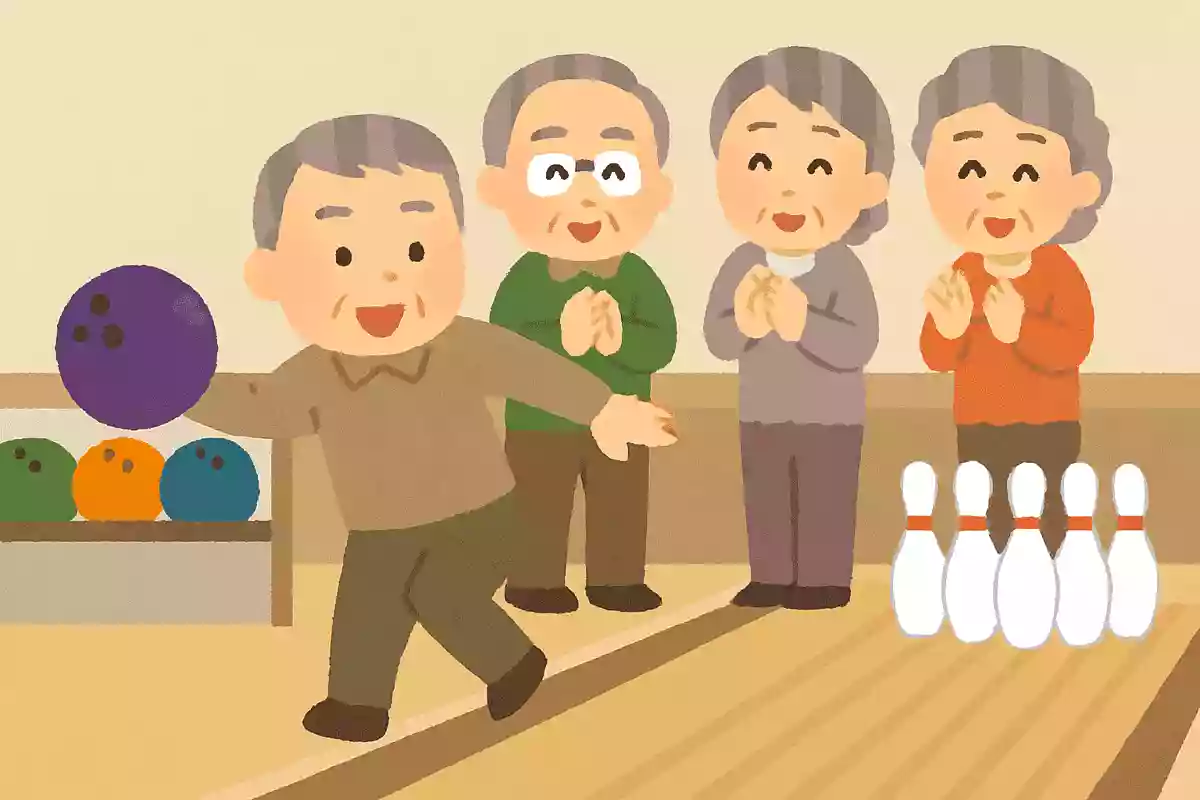
The sport in question—many older people might say they used to play it often, especially with the recent boom—what could it be? Here are some hints: it’s a sport that uses a heavy ball, and you throw that ball toward a specific target.
The answer is bowling! At the time, there were over 3,500 bowling alleys nationwide, and many people owned their own shoes and balls.
Numerous star players emerged as well, such as Kayoko Suda and Ritsuko Nakayama.

Around 1955 (Showa 30), what were the cafes in Japanese urban areas—where everyone sang together—called?
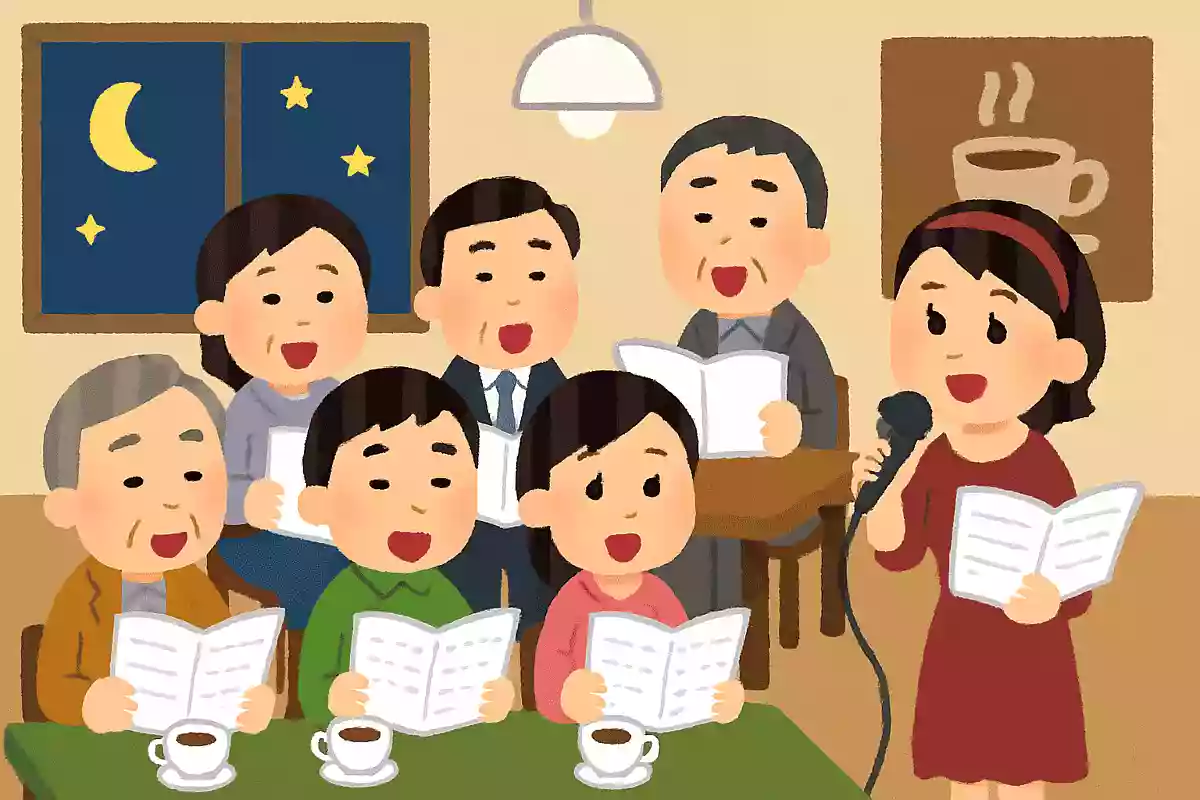
Songs that have always been close to people’s hearts are loved in various ways depending on the era.
Before karaoke boxes appeared, what were the cafes called—popular around the mid-1950s and spreading mainly in Japanese cities—where everyone would sing together? The name clearly evokes the scene of people layering their voices along with various instruments.
The answer is “utagoe kissa” (singing voice cafes).
It is said that as people layered their voices, a sense of solidarity grew, which had a significant impact on student and labor movements.
In the Showa era, what were the actions that were not allowed during club activities?
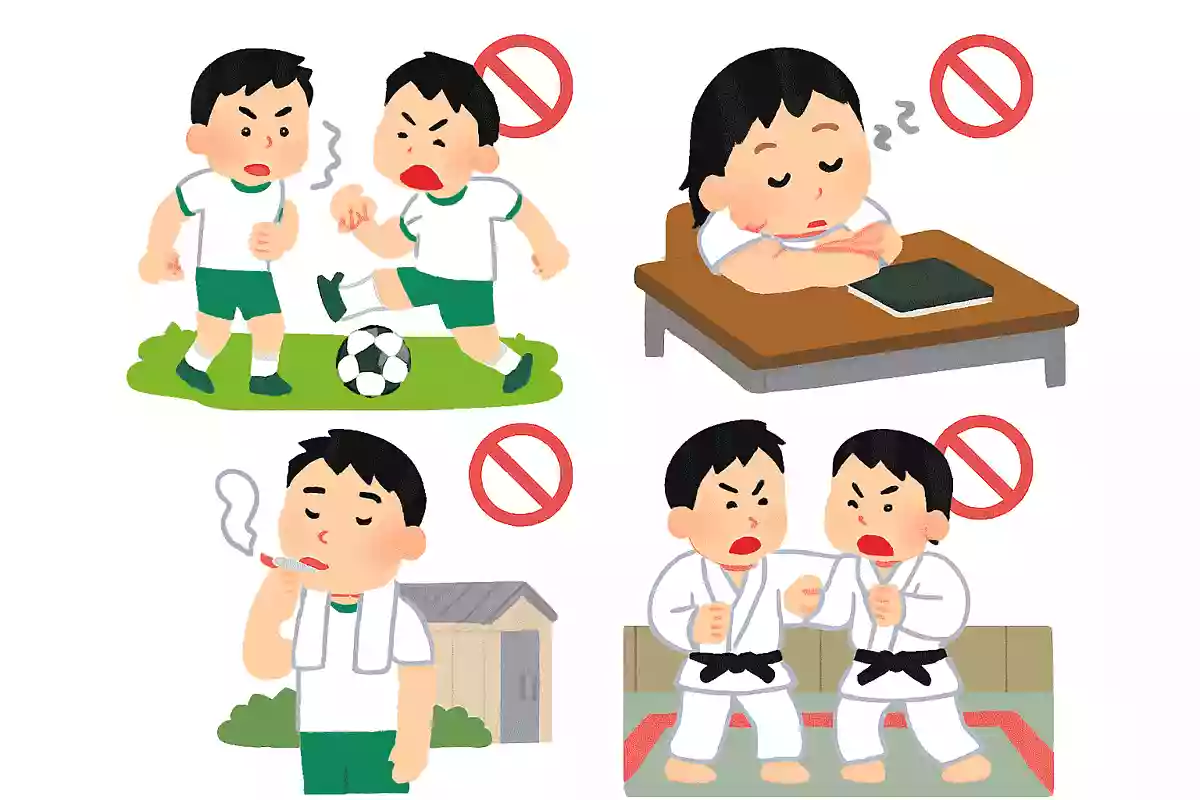
As times change, the environment gradually changes too, and things that people once could endure have come to carry potential life-threatening risks.
In light of that shift in times and conditions, what is something that used to be prohibited in school clubs during the Showa era? It was a standard custom especially in sports clubs, banned with the idea of building tenacity and grit toward the sport.
The answer is drinking water.
Today, because summer heat is so severe and poses a risk to life, drinking water is now recommended in most cases.