

![[For Seniors] Nostalgic! Showa-Era Quizzes Recommended for Reminiscence Therapy](https://media.ragnet.co.jp/img/1200__png__https://www.ragnet.co.jp/files/2025/05/96ecb736db928421cd158502c6c06fe0.webp)
[For Seniors] Nostalgic! Showa-Era Quizzes Recommended for Reminiscence Therapy


A Showa-era quiz that naturally sparks lively conversation as you share memories.
New discoveries emerge from the rich experiences of older adults, wrapping the room in warmth.
We present quizzes about popular culture of the time—nostalgic TV shows and everyday tools from the Showa period—perfect for reminiscence therapy.
You can already hear the excitement: “Oh yes, I remember that!” “Back then we all watched TV together, didn’t we?” Why not enjoy communicating with those around you and look back on the Showa era together?
Showa-Era Entertainment: Nostalgic Pop Culture Quiz (1–10)
What was the name of the hero that children of the time were crazy about around 1958?
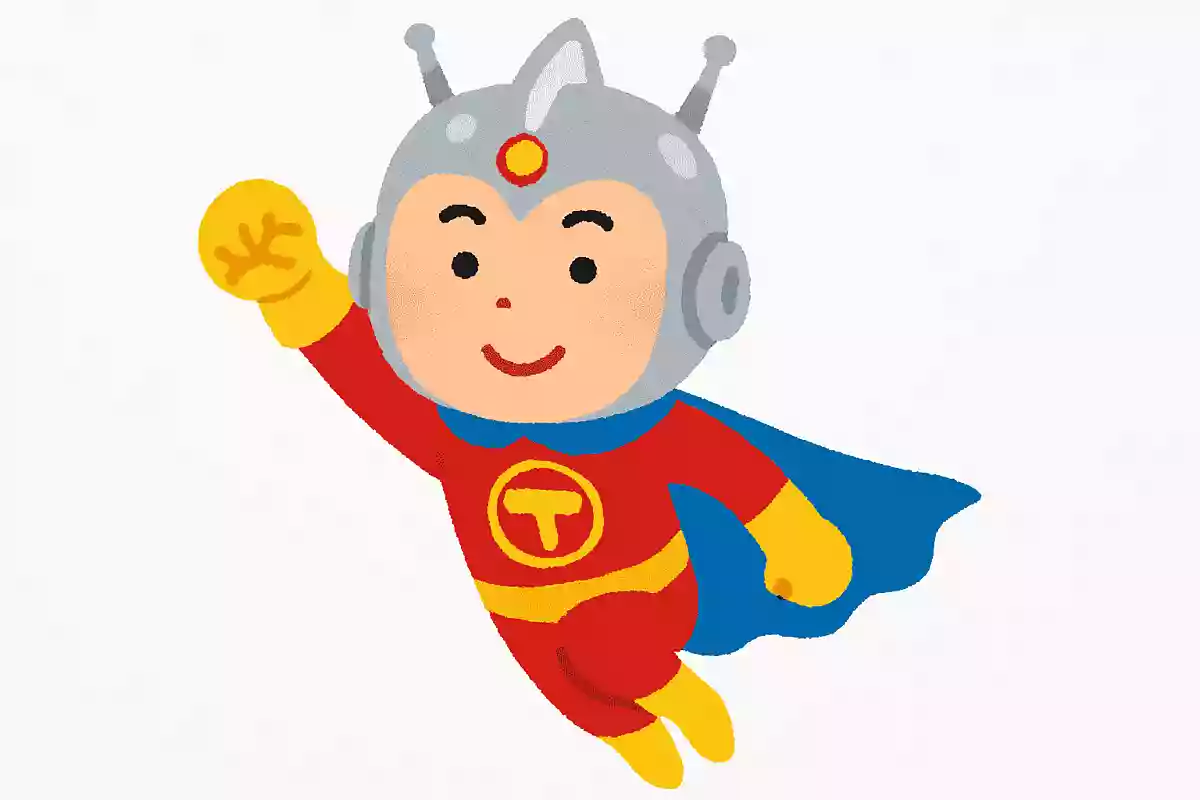
Gekko Kamen was broadcast on TV from 1958 to 1959, became popular, and was the talk of households across the nation.
It was said that when the show aired, children would vanish from the public baths in the late afternoon—such was its popularity.
Combining elements of period drama and detective stories, its success led to a continued boom with later manga adaptations and a film version.
Lottery tickets were first sold in 1945 (Showa 20). At the time, four losing tickets could be exchanged for something. What was that something?
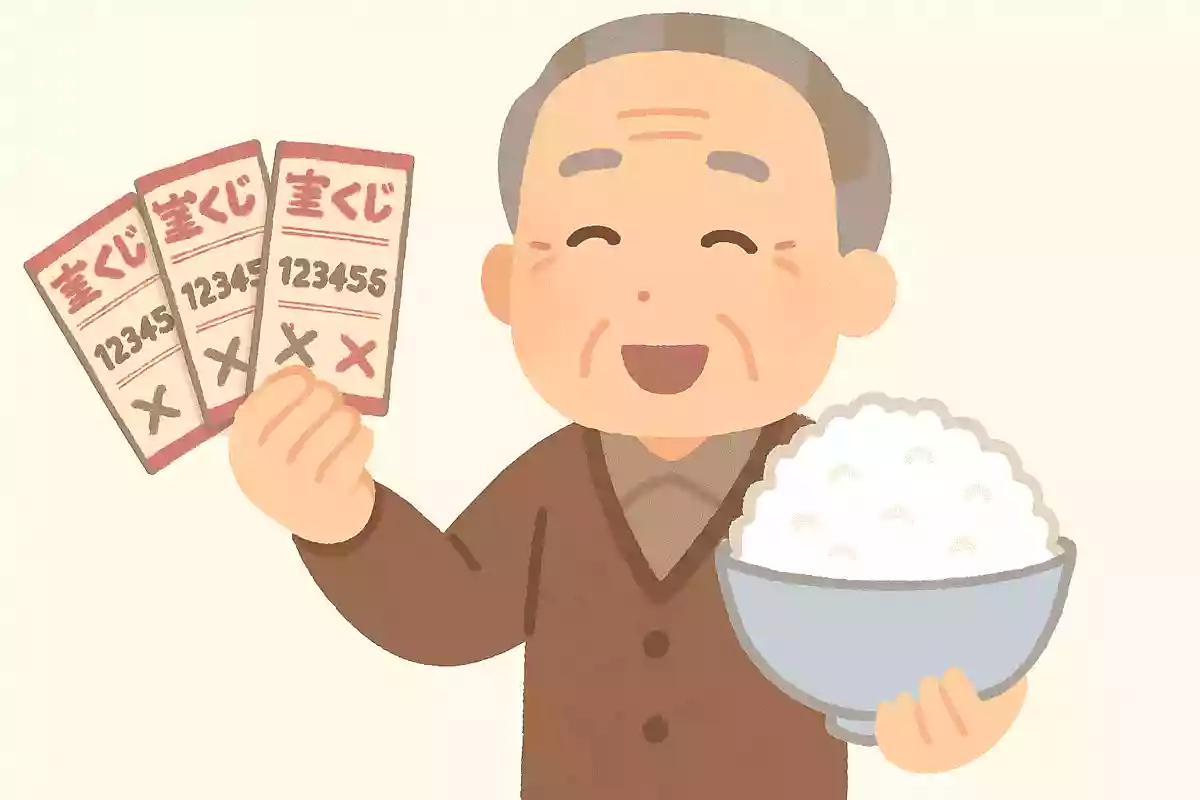
The first time lottery tickets were sold was in July 1945, just before the end of the war.
The price was 10 yen per ticket, and the top prize was 100,000 yen.
Back then, there was a system where four losing tickets could be exchanged for something—and that something was, incredibly, ten cigarettes, known at the time as “kinshi”! While alcohol as a prize might still make sense, a lottery that gives cigarettes as prizes is unimaginable today.
For those who remember it, this must be a nostalgic episode that reflects how times have changed.

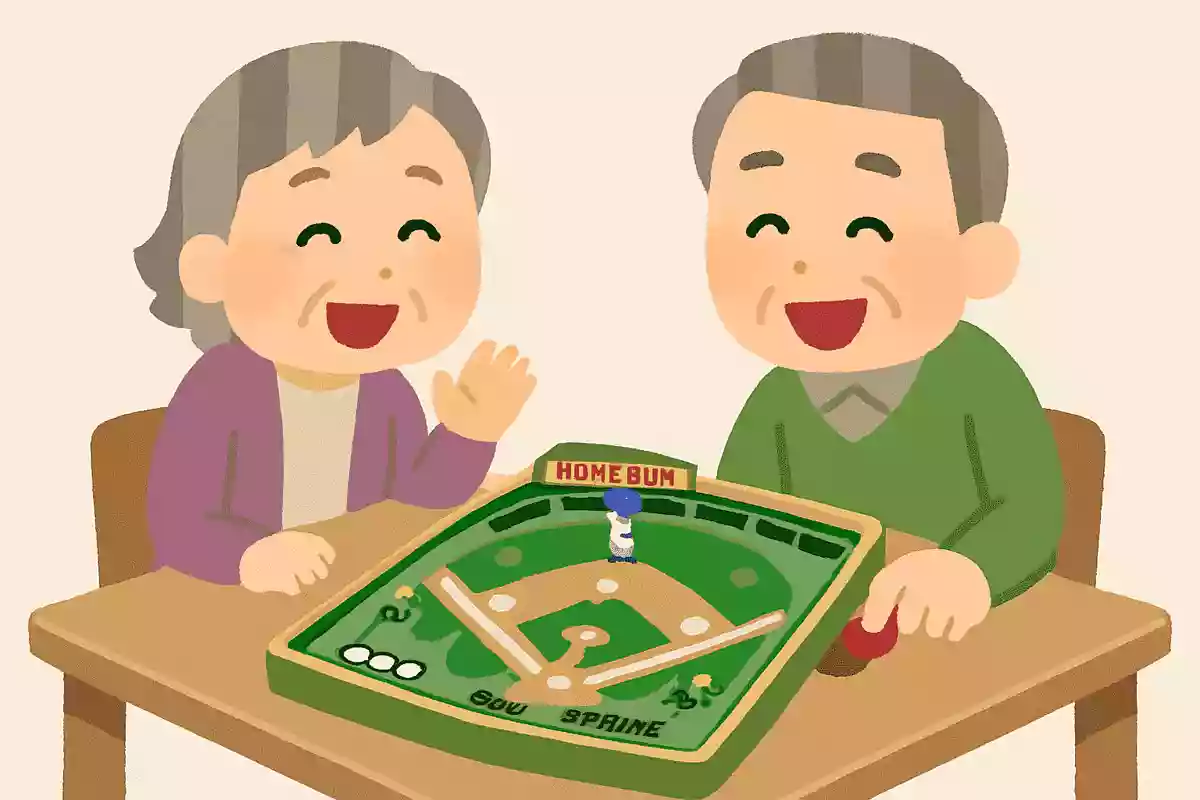
There was a game board that became popular among children in the 1950s and 60s (Showa 30s). What sport was turned into the board game?
Various kinds of toys have been created both in the past and present, bringing joy to children.
They range from simple ones where the outcome is decided in a single move to those that require strategy, and some people may even have played with original rules or custom variations.
Among such toys, when you think of board-style games themed around sports that were popular around the mid-1950s (Showa 30s), what comes to mind? Some might guess it just from the phrase “sports-themed board.” The answer is the baseball board game—known as yakyūban—which came in many versions, differing in size and how they were operated.

Who was the first heroine of the Showa-era flagship series “It’s Tough Being a Man” (Otoko wa Tsurai yo)?

Many of you might have answered Sayuri Yoshinaga, right? The correct answer is Sachiko Mitsumoto; this work marked her film debut.
She went on to appear in a series of films directed by Yoji Yamada.
She also gained popularity with the 1965 NHK morning drama series ‘Tamayura.’
In 1969, a certain American rocket made the first human landing on the moon. What was the name of that rocket?
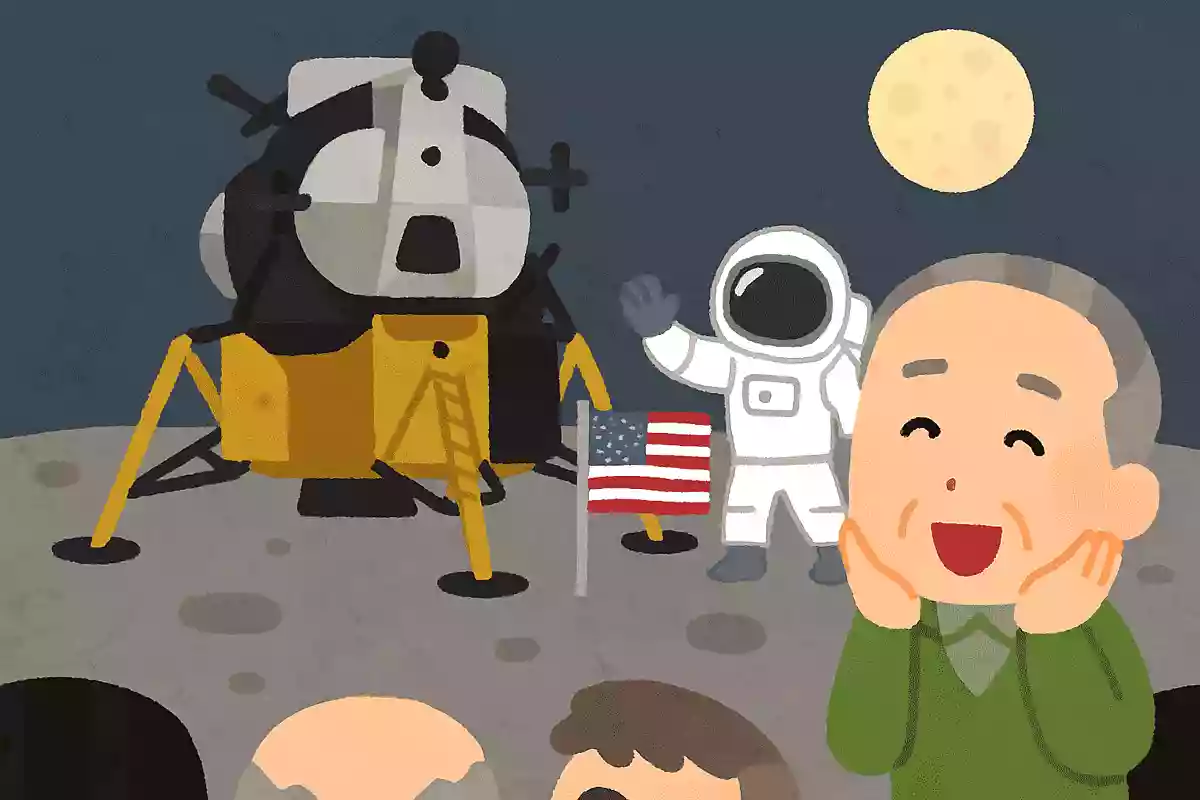
Speaking of the American rocket that achieved humanity’s first successful Moon landing in 1969, it has to be Apollo 11! Seeing the portraits of the three crew members who launched from Kennedy Space Center, or the photo of Commander Neil Armstrong’s first human footprint on the Moon, might bring back memories of the excitement of that time.
Using a quiz as a springboard, why not reminisce about that historic achievement that inspired so many dreams and enjoy sharing stories of the past?
What was the other event, besides men’s judo, that became an official discipline at the Tokyo Olympics held in 1964?

The Tokyo Olympics, held in 1964, energized the entire nation.
While judo was only for men, volleyball became an official event for both men and women, and the women’s volleyball team captivated Japan, winning the gold medal.
They were nicknamed the “Witches of the Orient.”
In 1984 (Showa 59), a certain animal came from Australia. What is this animal that remains popular today?

One of the charms of zoos is that you can see creatures that don’t live in Japan or that you’d never encounter in the wild.
Animals coming to Japan for the first time are often featured in the news, and in 1984 (Showa 59) a particular animal drew a lot of attention.
What was the animal that arrived from Australia as a goodwill ambassador? The fact that it came from Australia is a big hint.
The answer is “koala.” Six koalas were exhibited at Tama Zoological Park in Tokyo, Higashiyama Zoo in Nagoya, and Hirakawa Zoological Park in Kagoshima.