

[For Seniors] Nostalgic! Showa-Era Quizzes Recommended for Reminiscence Therapy


A Showa-era quiz that naturally sparks lively conversation as you share memories.
New discoveries emerge from the rich experiences of older adults, wrapping the room in warmth.
We present quizzes about popular culture of the time—nostalgic TV shows and everyday tools from the Showa period—perfect for reminiscence therapy.
You can already hear the excitement: “Oh yes, I remember that!” “Back then we all watched TV together, didn’t we?” Why not enjoy communicating with those around you and look back on the Showa era together?
- [For Seniors] Nostalgic quizzes that bring back memories! Showa-era entertainment and sports questions
- [For Seniors] Recommended for Brain Training! Nostalgic Showa-Era Quiz
- [For Seniors] Ideal for Dementia Prevention: Easy-to-Practice Reminiscence Therapy Topics
- [For Seniors] Who Am I? Quiz: A Fun Set of Questions with Exciting Hints
- [For Seniors] Laugh-Out-Loud, Crowd-Pleasing! Fun Quiz
- [For Seniors] Brain Training! Recall Quiz Collection!
- [Recreation for Seniors] Introducing Quizzes to Enjoy at Day Service Centers!
- [For Seniors] Trivia Multiple-Choice Quiz
- [For Seniors] Fun! Let’s Get Excited with Japan’s Number One Quiz
- [For Seniors] Today’s recommended quiz. Daily brain-training quiz!
- [For Seniors] Fun and Informative! Health Trivia Quiz
- [For Seniors] Fun and Lively! Recommended Quiz Questions
- [For Seniors] Lively two-choice trivia quiz. Handy to know and tidbits you'll want to share with others
Showa-Era Life: Nostalgic Living Quiz (11–20)
In the Showa era, what were the top occupations that elementary school students wanted to have in the future?
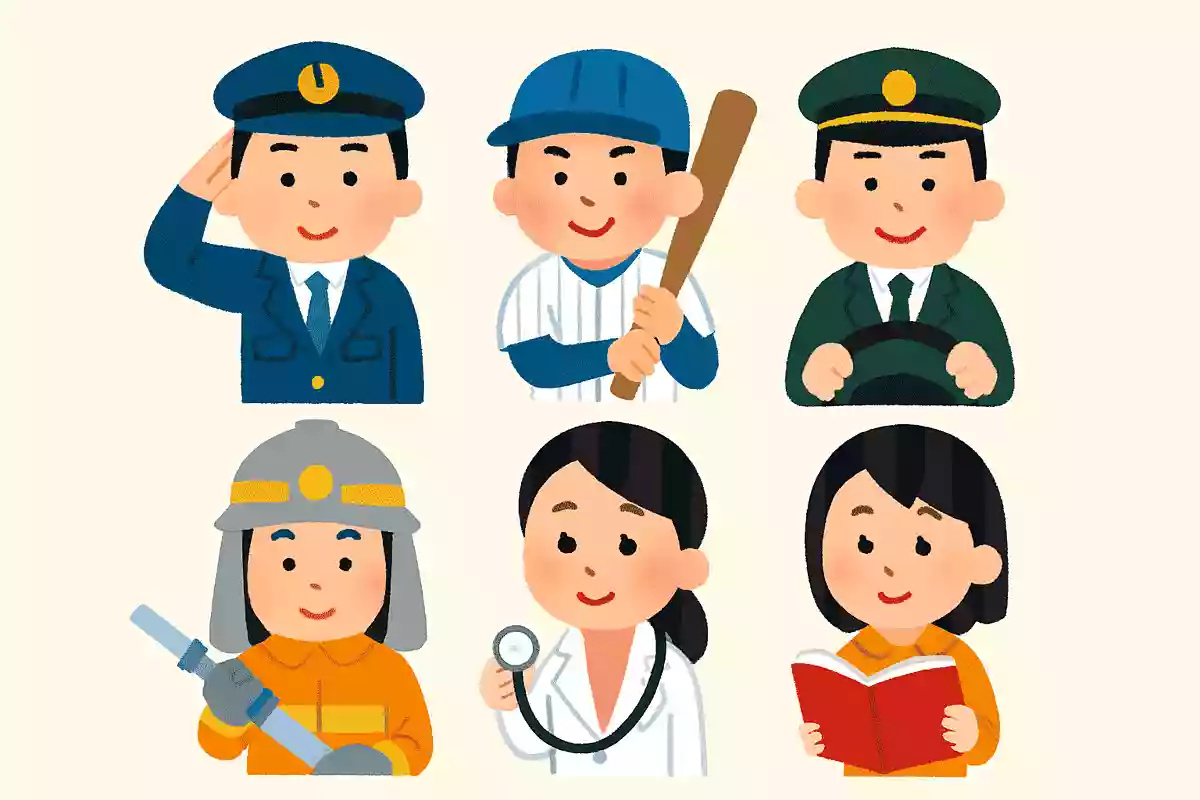
Baseball was very popular during the Showa era.
I’ve heard that professional baseball games were broadcast on TV during prime time.
In particular, in the late Showa years (the 1970s and 1980s), TV anime and manga featuring baseball became popular.
Because of that, there were probably many children back then who looked up to professional baseball players.

There used to be a lever on washing machines. What was the function of this lever, which is hard to imagine today?
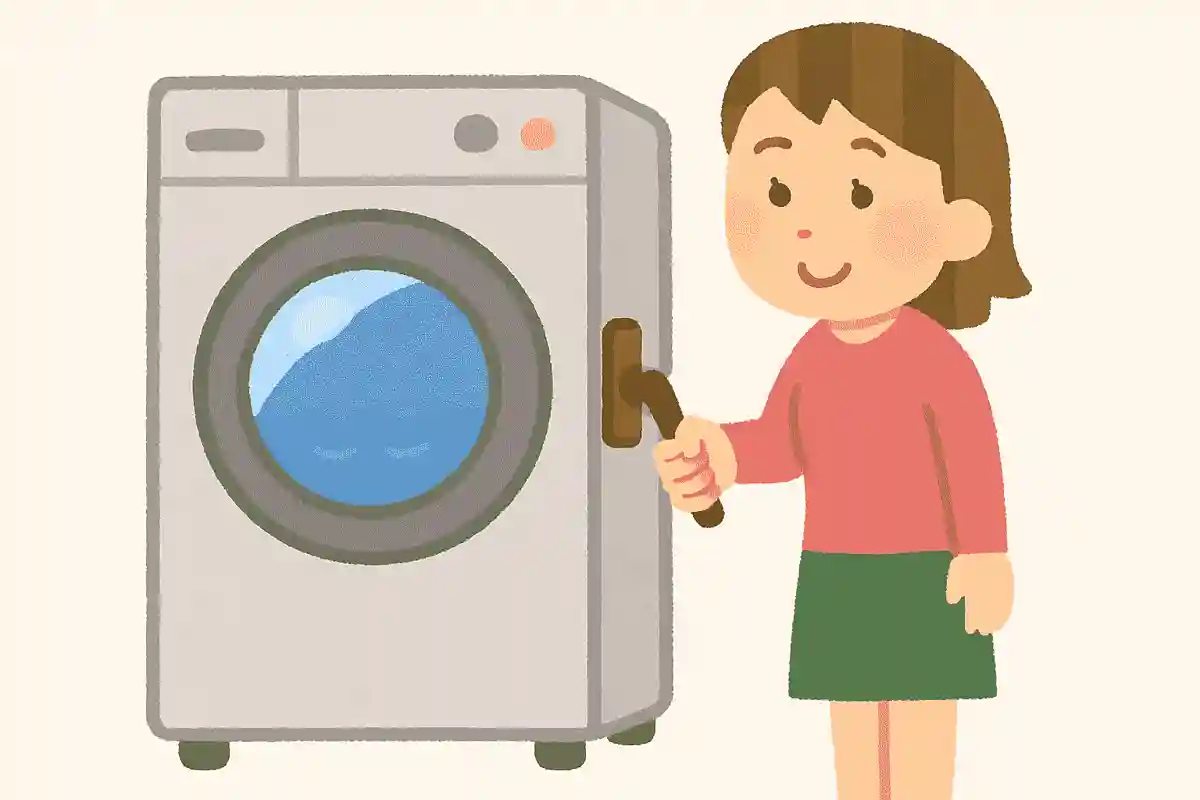
In 1954 (Showa 29), washing machines with wringer attachments were released.
Modern washing machines have spin-drying functions, but machines from around the mid-1950s to mid-1960s (Showa 30 to 40) used lever-operated rollers to wring out water.
To use them, you would pass the freshly washed laundry between two rubber rollers equipped with a lever.
Turning the lever would remove the water, and it would also smooth out the laundry, leaving it crisp.
What was the stand that was used when eating, which served the role of the modern dining table?
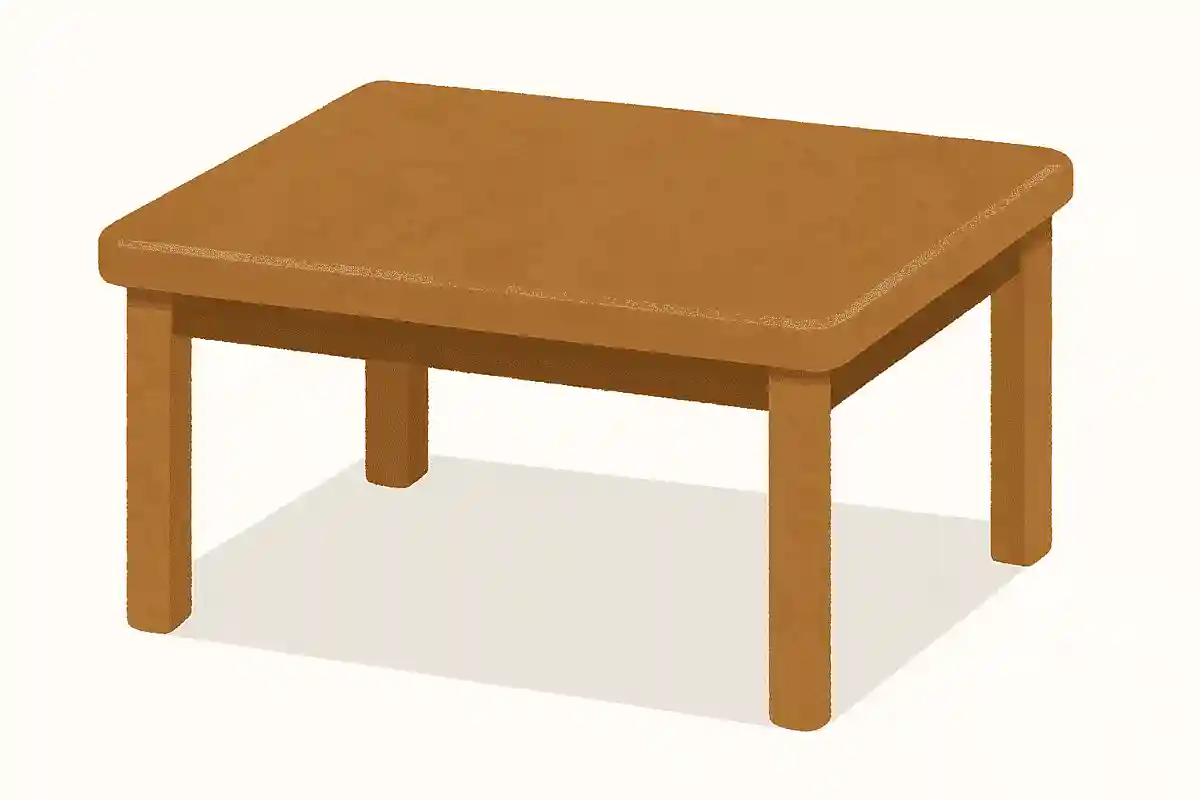
A chabudai is a round table with four short legs, used for meals or tea.
It is said to have become widespread in Japan around the early Showa period.
It blends Japan’s culture of dining while seated on tatami with elements from Chinese and Western cultures of the whole family gathering around a table for meals.
In order to keep in touch, many people used to carry a certain item around during the Showa era. What do you think that item was?
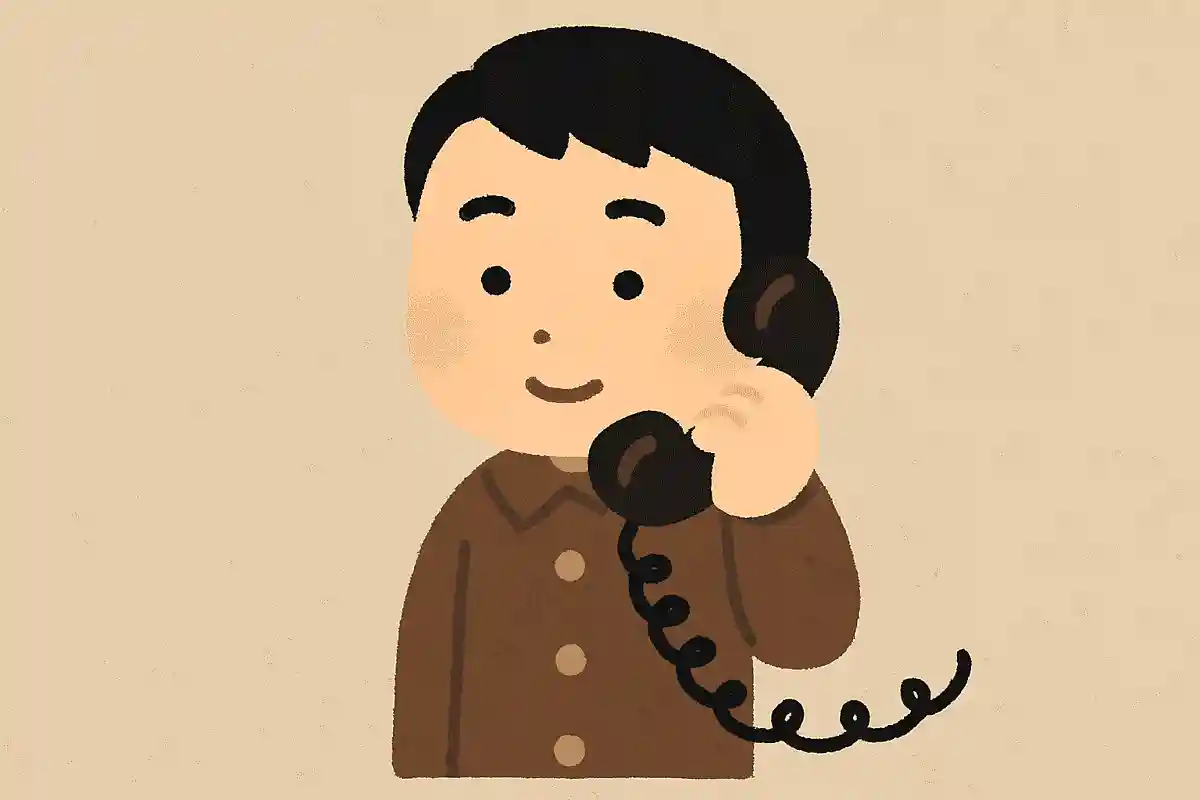
Nowadays, with the widespread use of mobile phones, it’s easy to stay in touch.
However, during the Showa era, when people wanted to make a call outdoors or while out and about, they often used public telephones.
For that reason, many people carried telephone cards, which allowed them to make calls even without coins.
What was Gunkanjima in Nagasaki an island for extracting?
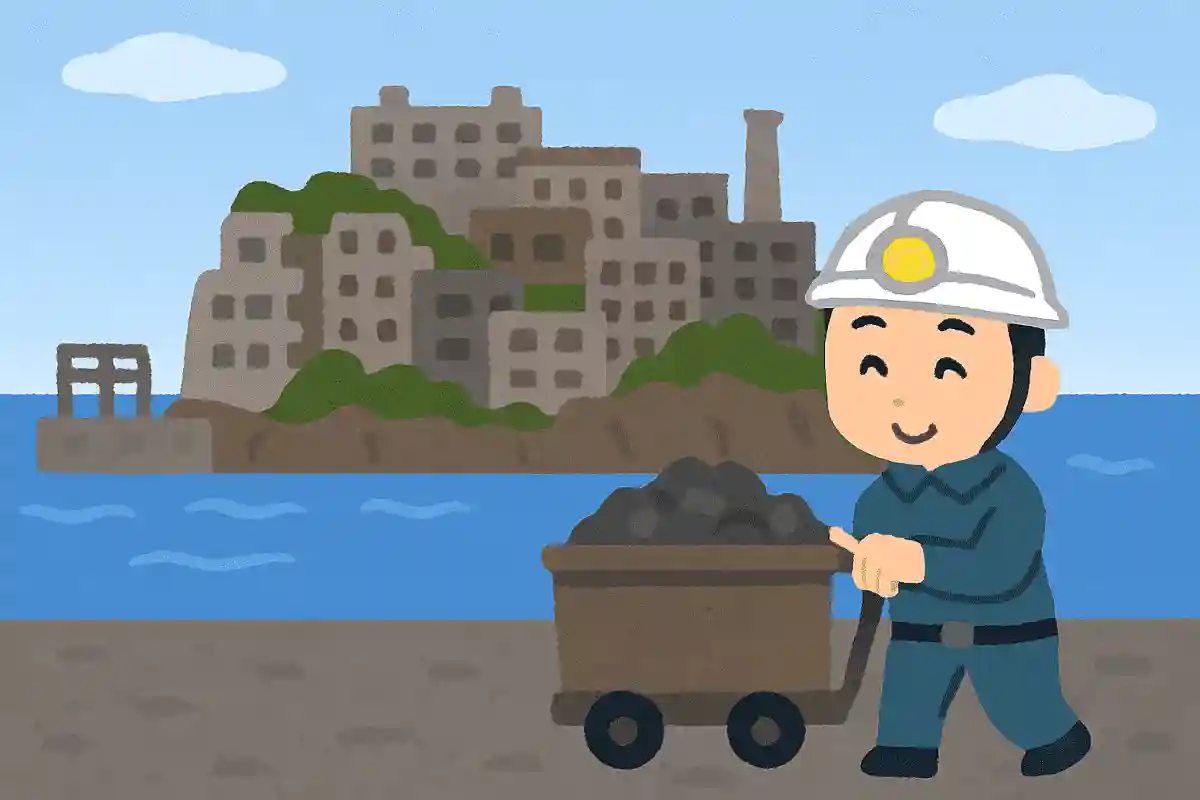
From around the late Edo period, coal was discovered, and Hashima Island (Gunkanjima) became an important hub supporting Japan’s modernization.
It is said that many residences and commercial facilities for the workers were also built there.
Furthermore, from 1960, it had the highest population density in the world.
However, as energy demand shifted from coal to oil, Gunkanjima’s mine was closed in 1974.
Showa-era Life: Nostalgic Living Quiz (21–30)
What are some quick fixes when the picture quality on a CRT television gets worse?
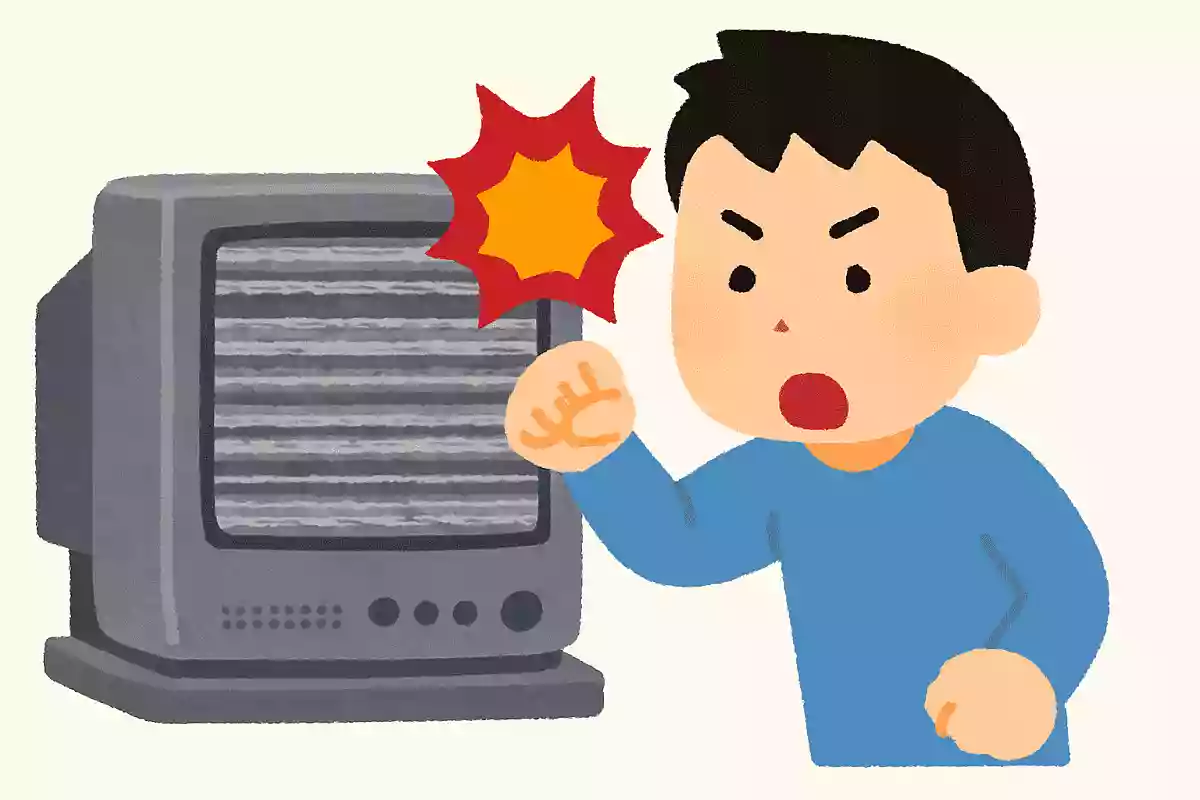
The act of banging on an electrical appliance—these days the idea of hitting a precision device makes you think, “No way,” but back in the Showa era, CRT televisions often had poor reception due to bad connections, and sometimes giving the top or the side a smack would get them working again, right?
Sandwich men that were often seen in the Showa era—what was their job?
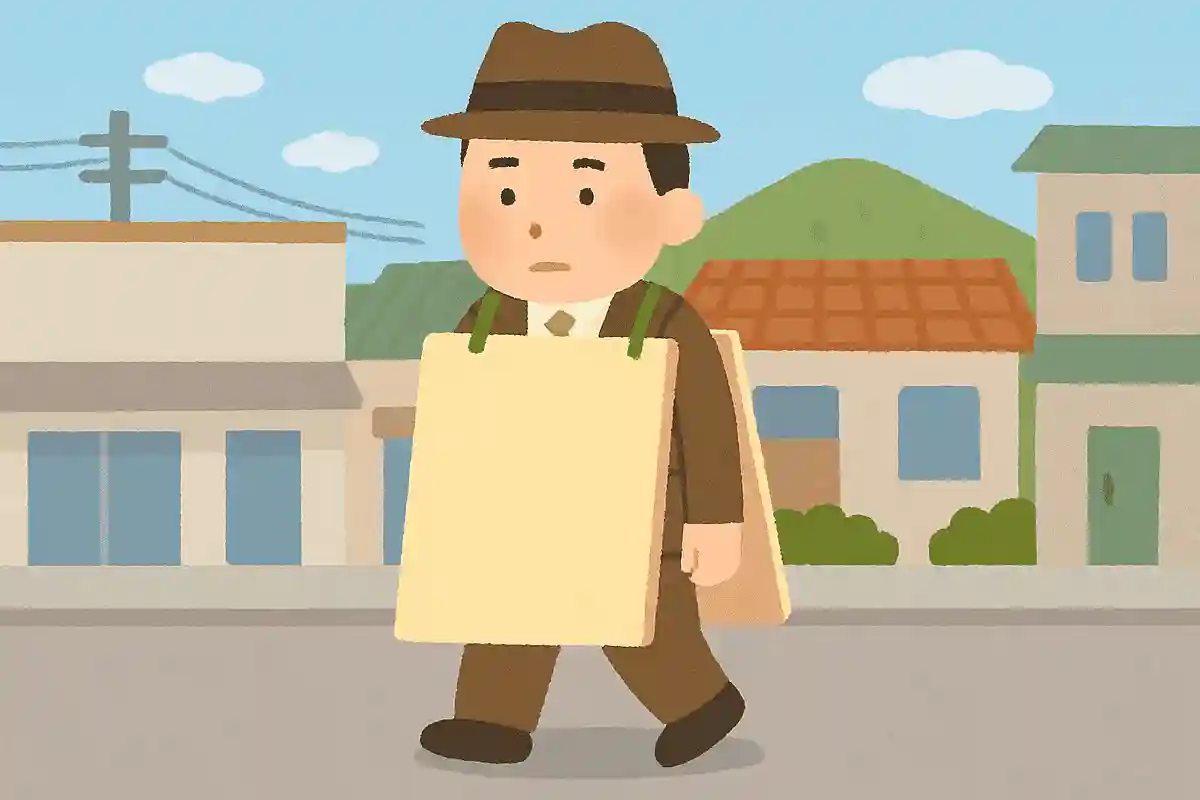
When you hear “sandwichman” nowadays, you probably think of the comedy duo, but it was originally a job: a person who hung advertising boards on their front and back, held another sign in their hands, and walked around town.
They used to promote things like pachinko parlors and shops.
In conclusion
It sounds like talking with seniors through quizzes about the Showa era would be a great way to liven things up. Reminiscence therapy—sharing nostalgic memories while chatting—should make for a heartwarming time. Conversations that include quizzes can lead to new memories and deeper connections. Why not take this opportunity to talk about Showa-era entertainment?