

[For Seniors] Nostalgic! Showa-Era Quizzes Recommended for Reminiscence Therapy


A Showa-era quiz that naturally sparks lively conversation as you share memories.
New discoveries emerge from the rich experiences of older adults, wrapping the room in warmth.
We present quizzes about popular culture of the time—nostalgic TV shows and everyday tools from the Showa period—perfect for reminiscence therapy.
You can already hear the excitement: “Oh yes, I remember that!” “Back then we all watched TV together, didn’t we?” Why not enjoy communicating with those around you and look back on the Showa era together?
- [For Seniors] Nostalgic quizzes that bring back memories! Showa-era entertainment and sports questions
- [For Seniors] Recommended for Brain Training! Nostalgic Showa-Era Quiz
- [For Seniors] Ideal for Dementia Prevention: Easy-to-Practice Reminiscence Therapy Topics
- [For Seniors] Who Am I? Quiz: A Fun Set of Questions with Exciting Hints
- [For Seniors] Laugh-Out-Loud, Crowd-Pleasing! Fun Quiz
- [For Seniors] Brain Training! Recall Quiz Collection!
- [Recreation for Seniors] Introducing Quizzes to Enjoy at Day Service Centers!
- [For Seniors] Trivia Multiple-Choice Quiz
- [For Seniors] Fun! Let’s Get Excited with Japan’s Number One Quiz
- [For Seniors] Today’s recommended quiz. Daily brain-training quiz!
- [For Seniors] Fun and Informative! Health Trivia Quiz
- [For Seniors] Fun and Lively! Recommended Quiz Questions
- [For Seniors] Lively two-choice trivia quiz. Handy to know and tidbits you'll want to share with others
Showa-Era Entertainment: Nostalgic Pop Culture Quiz (1–10)
The “Sheh!” pose that was popular in the 1950s–60s (Showa 30s) — a character from which manga does it come from?
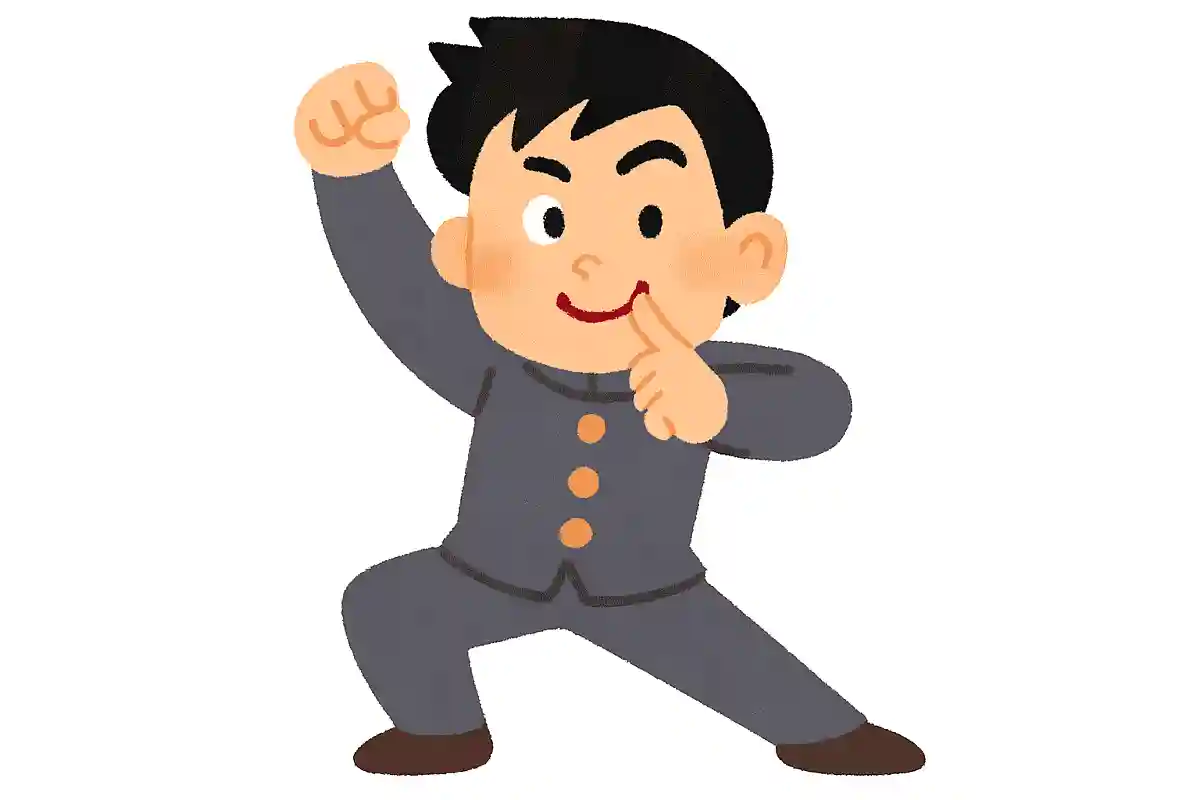
At the time, not only children but also adults were probably imitating it and appearing in photos, weren’t they? The pose of the character Iyami from Osomatsu-kun—one of Fujio Akatsuka’s signature works and the prototype for the Heisei-era smash-hit anime Osomatsu-san—became a huge craze back then, just like in the manga.
Who was the first heroine of the Showa-era flagship series “It’s Tough Being a Man” (Otoko wa Tsurai yo)?

Many of you might have answered Sayuri Yoshinaga, right? The correct answer is Sachiko Mitsumoto; this work marked her film debut.
She went on to appear in a series of films directed by Yoji Yamada.
She also gained popularity with the 1965 NHK morning drama series ‘Tamayura.’
Around 1955 (Showa 30), what were the cafes in Japanese urban areas—where everyone sang together—called?
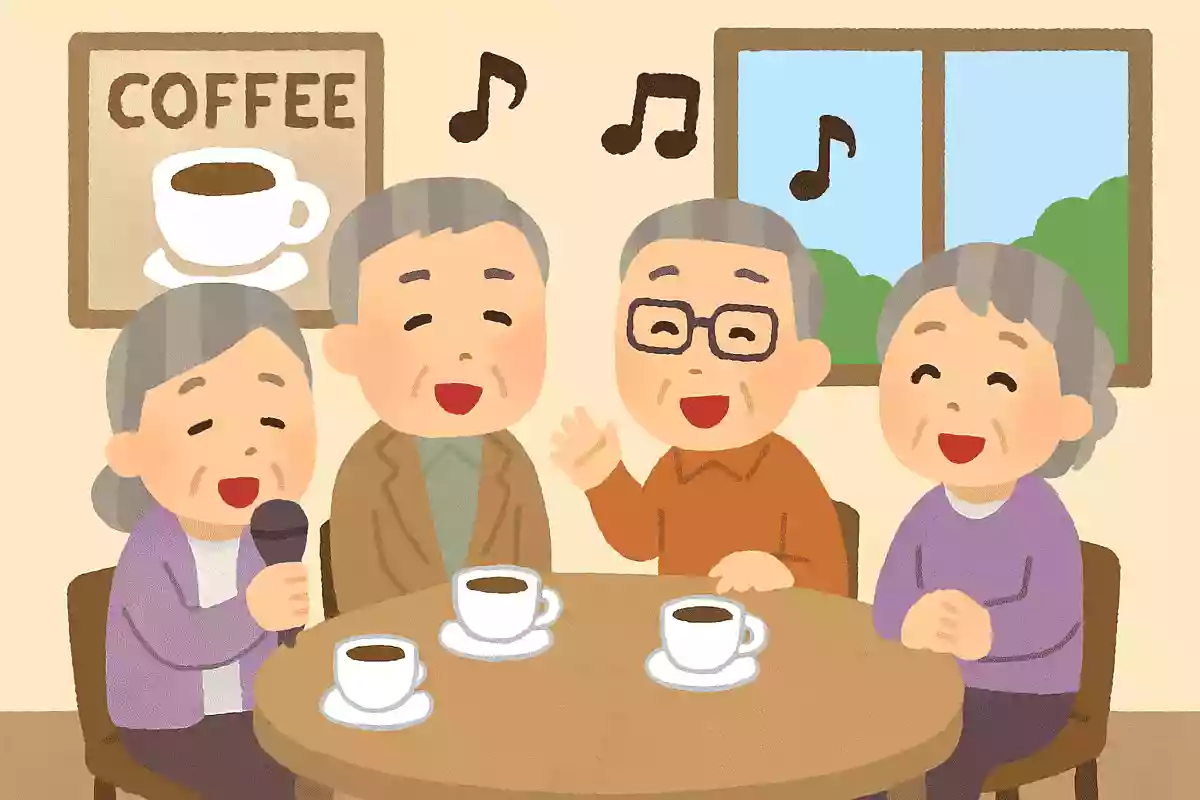
Songs that have always been close to people’s hearts are loved in various ways depending on the era.
Before karaoke boxes appeared, what were the cafes called—popular around the mid-1950s and spreading mainly in Japanese cities—where everyone would sing together? The name clearly evokes the scene of people layering their voices along with various instruments.
The answer is “utagoe kissa” (singing voice cafes).
It is said that as people layered their voices, a sense of solidarity grew, which had a significant impact on student and labor movements.

Showa-Era Entertainment: Nostalgic Pop Culture Quiz (11–20)
From the late 1950s to the 1960s in the Showa era, a certain indoor sport became extremely popular. What sport was it?
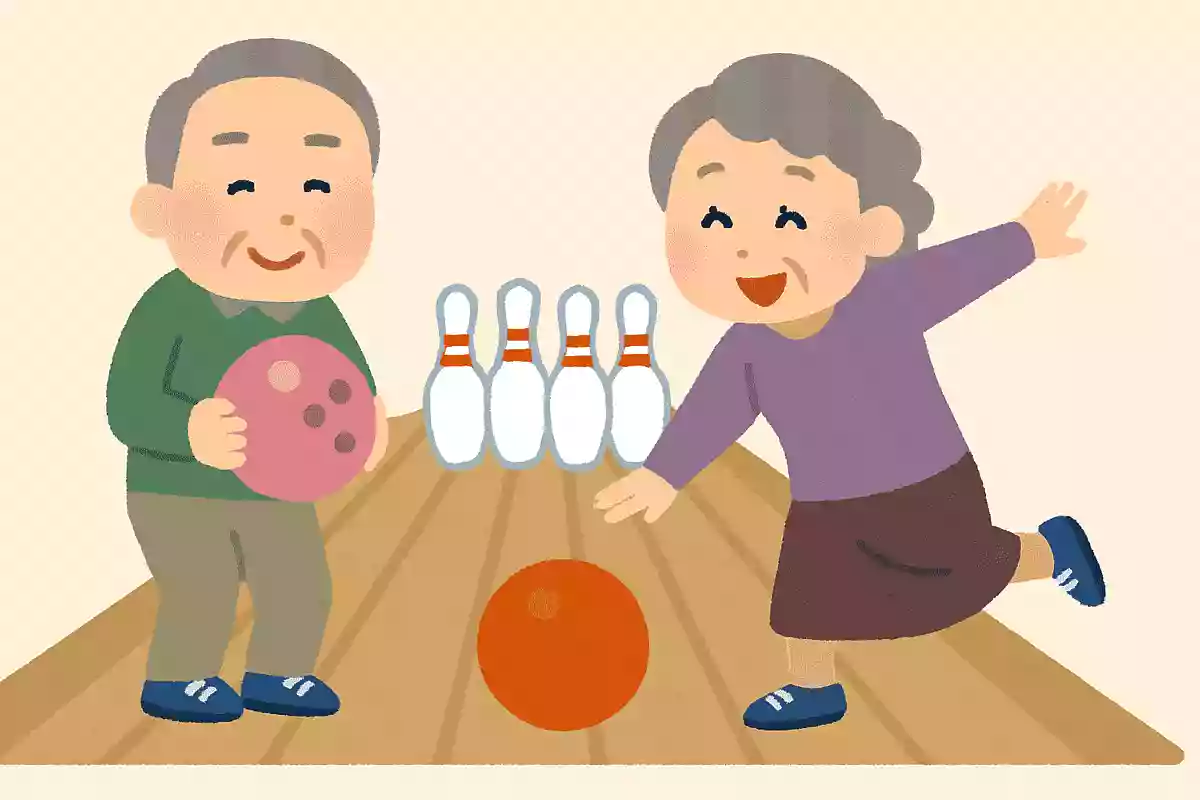
The sport in question—many older people might say they used to play it often, especially with the recent boom—what could it be? Here are some hints: it’s a sport that uses a heavy ball, and you throw that ball toward a specific target.
The answer is bowling! At the time, there were over 3,500 bowling alleys nationwide, and many people owned their own shoes and balls.
Numerous star players emerged as well, such as Kayoko Suda and Ritsuko Nakayama.

In the 1960s, the male idols known as the “Big Three” were Teruhiko Saigō, Yukio Hashi, and who was the third?

With his school uniform as his trademark, his debut single “Kōkō Sannensei” (High School Senior), released in 1963, became a huge hit.
The song’s success even led to a film of the same name, which was also a hit.
It’s said that the school uniform he wore on the record jacket was from Funaki’s alma mater.
On the tables of cafés and eateries in the Showa era, there were small roulette-style vending machines. What kind of vending machines were they?

Back in the Showa era, many coffee shops and eateries had small roulette-style vending machines on their tables.
And what did they dispense? Fortune-telling results! You’d insert a coin and pull the lever, the roulette inside would spin, and a rolled-up slip of paper would come out.
In the late Showa 50s (the late 1970s to early 1980s), thanks to the combined boom of horoscopes and coffee shops, annual production of these mini machines reportedly exceeded 200,000 units.
I even remember seeing them in old Chinese restaurants after the Heisei era began, but nowadays they’ve become a rare sight.

Which band held the first rock concert at the Budokan, known as the sacred site of Japanese martial arts?
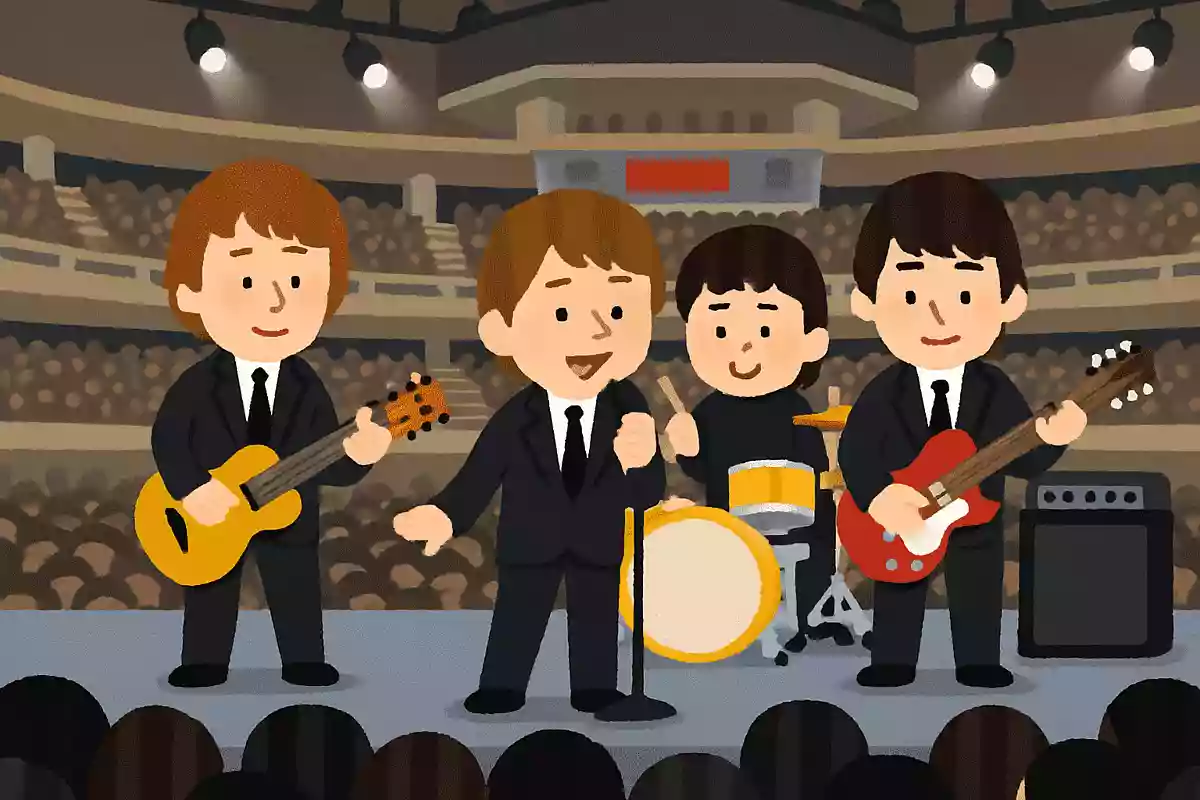
The Beatles, who first visited Japan in 1966, were the first band to hold a rock concert at the Nippon Budokan.
At the time, there were critical opinions claiming it infringed on the sanctity of martial arts, but the Beatles’ overwhelming popularity ultimately prevailed.