

![[For Seniors] Ideal for Dementia Prevention: Easy-to-Practice Reminiscence Therapy Topics](https://media.ragnet.co.jp/img/1200__png__https://www.studiorag.com/files/2025/06/03dfa7366908bc5e9d7ebe69287ca6ba.webp)
[For Seniors] Ideal for Dementia Prevention: Easy-to-Practice Reminiscence Therapy Topics


In recent years, “reminiscence therapy” has been drawing attention as a way to help prevent dementia in older adults.
Reminiscence therapy is a type of treatment that activates the brain by recalling and talking about one’s past and earlier experiences.
It is believed to help prevent dementia and slow its progression, and is being adopted in elder care facilities such as day service centers.
There are many themes related to the past that can be used when conducting reminiscence therapy.
So this time, we’ll introduce themes that are useful for reminiscence therapy and can be frequently used in caregiving settings.
Please feel free to use them as a reference.
[For Seniors] Ideal for Dementia Prevention: Easy-to-Practice Reminiscence Therapy Ideas (1–10)
The home-cooked flavors I loved
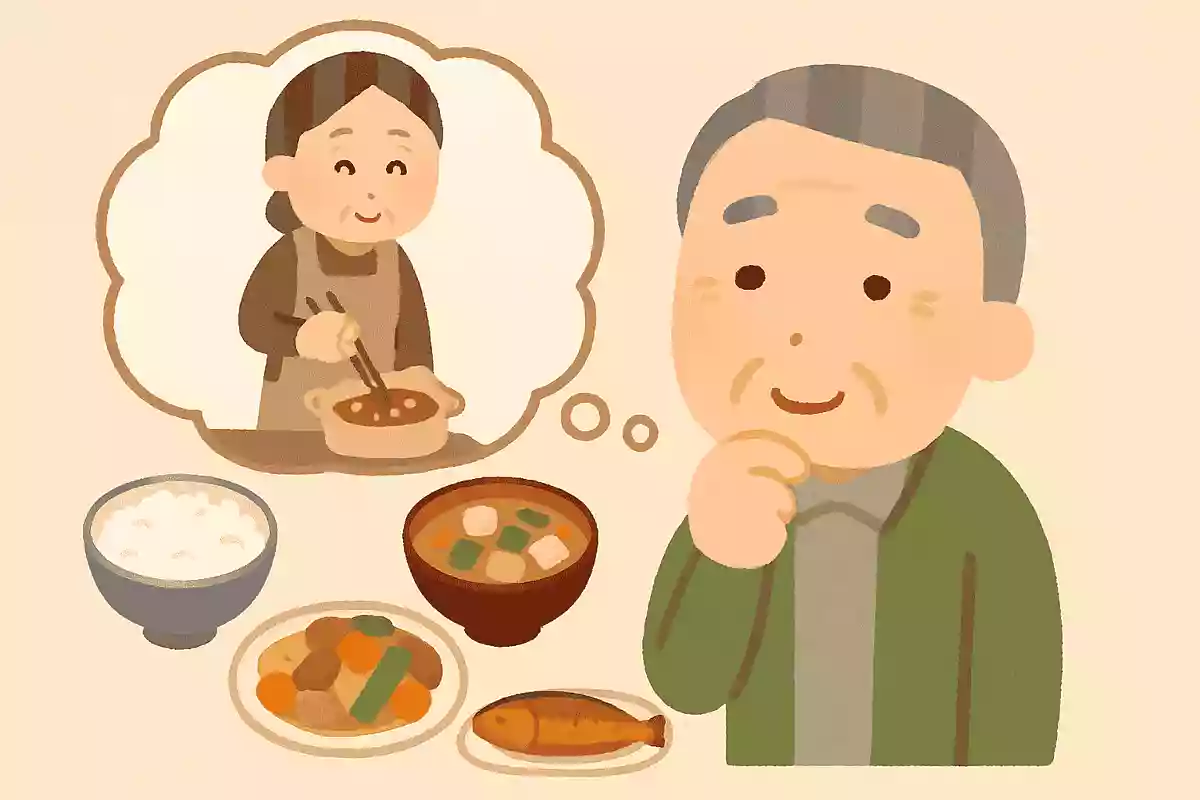
People’s favorite foods differ from person to person, and some may have seen their preferences change over the course of their lives.
How about looking back on the “taste of home” dishes you used to love—whether they’re things you still enjoy or ones you loved in the past? Some might be simple enough to make even now, while others could have had a unique seasoning that’s hard to recreate.
Let’s try to recall those details as precisely as possible.
It’s also important to think about how to describe those flavors—ones that exist only in your own memories—in words that others can understand.

Celebrities and actors I liked
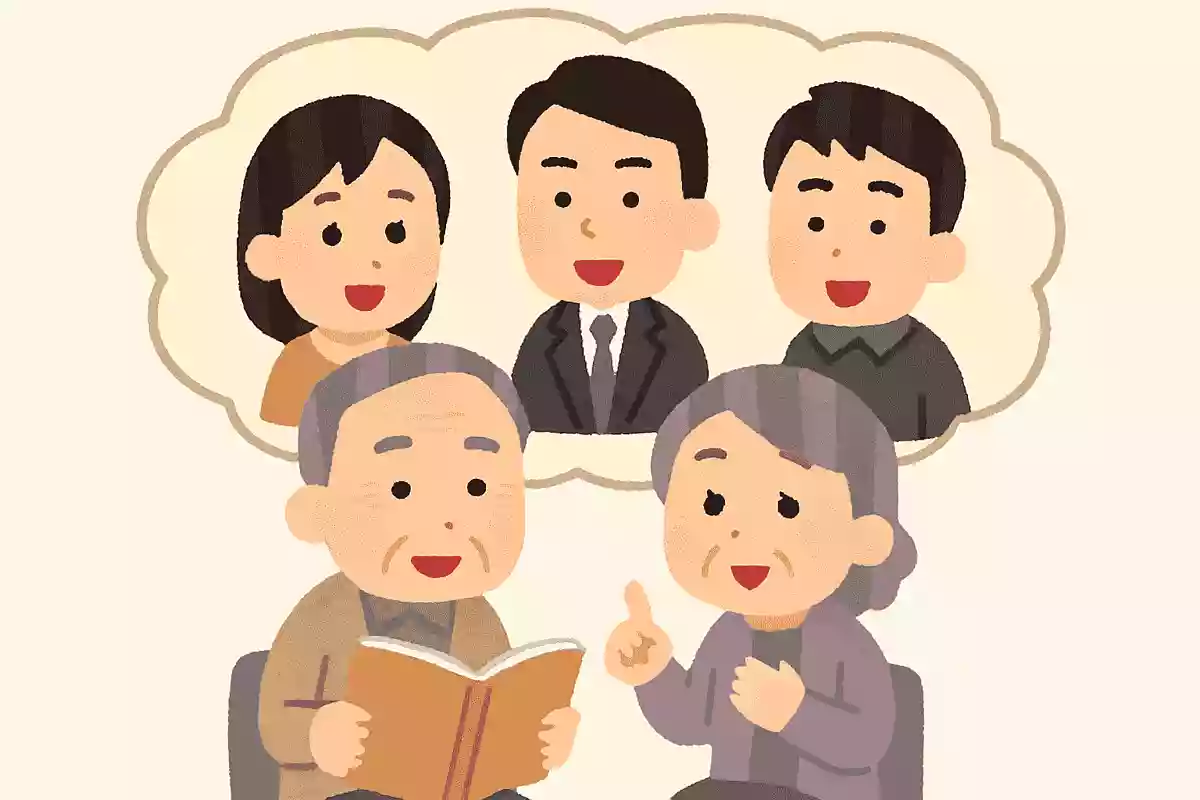
Reminiscence therapy, which has drawn attention for its effectiveness in preventing dementia and slowing its progression, is particularly engaging when themed around “favorite celebrities or actors.” This topic readily captures older adults’ interest and naturally encourages conversation.
Talking about classic movie stars and singers can evoke memories and stimulate brain activity.
It’s also easy to implement in care settings: discussing while looking at photos or videos helps create enjoyable shared moments.
When people find common memories, interaction with other participants becomes more active, which can help reduce feelings of isolation.
It’s a practical and effective dementia-prevention approach that can be incorporated into daily life without strain.

What I was passionate about in my youth
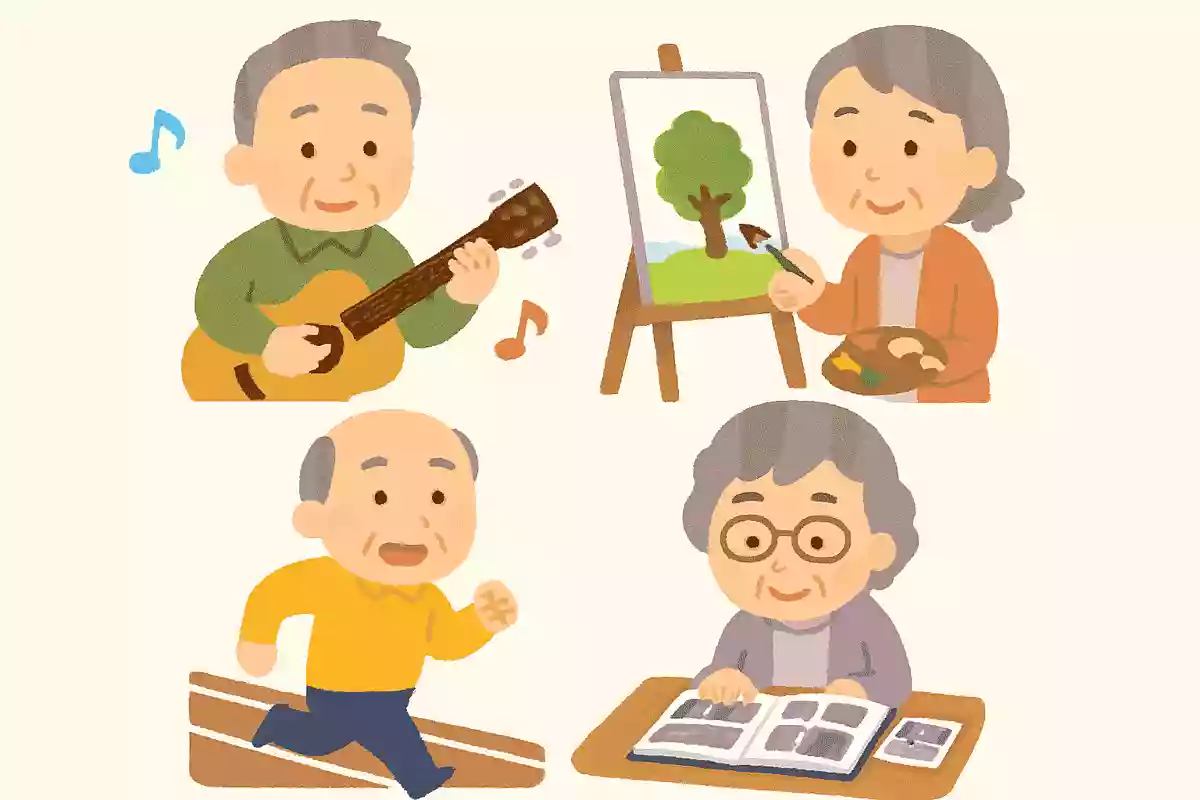
Your youth—the brightest time of your life.
Reminiscence therapy, which involves recalling what you were passionate about back then, is highly effective for preventing dementia.
Memories strongly tied to emotion—like the club activities you devoted yourself to, the hobbies and trends you were obsessed with, and the unforgettable times with friends—stimulate the brain and lead to smoother conversations.
Sharing common experiences also strengthens connections among participants.
Wrapped in fun and nostalgia, it’s a practical approach recommended for helping to slow the progression of dementia.
Reminiscence Session: Nostalgic Tools from Early Showa Era
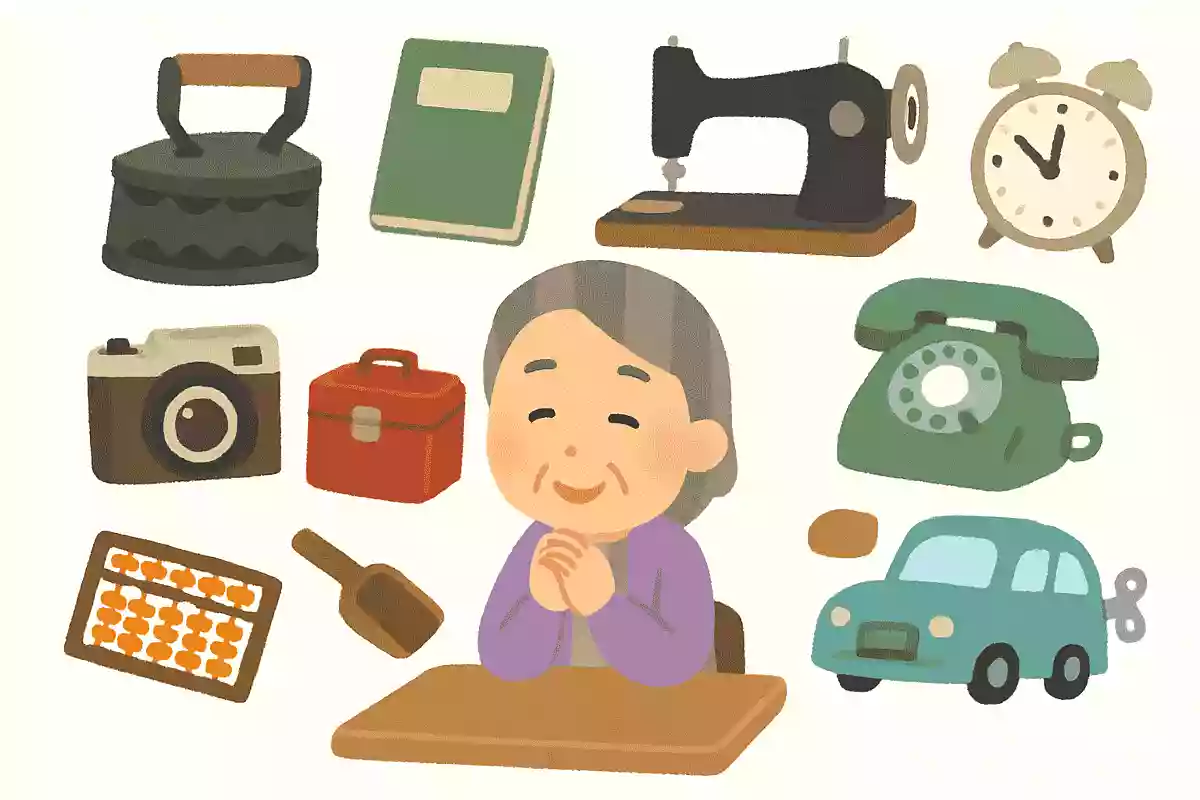
Reminiscence therapy is a type of psychotherapy in which you choose a theme, recall past memories, and reflect on the scenery, environment, and your own self from that time.
To help you remember, it’s good to prepare photos or videos of tools you used in the past—or the actual items if possible.
By recalling details such as how the tool was used (“I used it like this”), when and under what circumstances (“I used it at night after finishing farm work”), or specific experiences (“I was scolded because I couldn’t use it well”), you can evoke a wide range of memories.
You may learn related episodes and even remember things the person themselves had forgotten.
When continued, this approach is considered to have beneficial effects on improving cognitive function.
Games I played when I was little
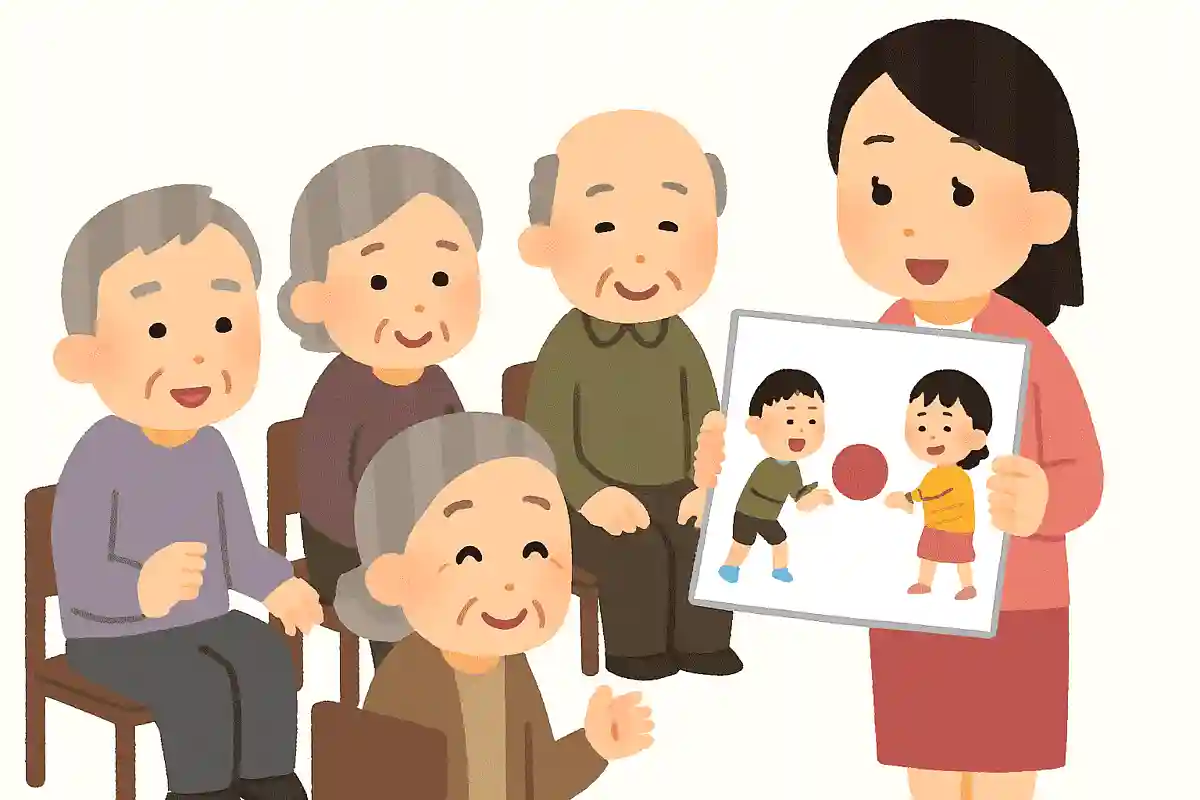
Memories of playing games like menko, beanbag tossing, and bamboo-copter toys with neighborhood friends or your own siblings.
Many older adults probably have fond memories of the games they played when they were little.
Even the feelings from childhood—arguments and shared laughter—often remain as nostalgic, pleasant recollections.
With a bit of ingenuity when you ask about these memories, it may become easier for them to recall.
For example, try using photos or actual toys.
Prepare clear, easy-to-understand items that seem likely to connect to their memories, tailored to each older adult.

What kind of child were you?
As we grow older, our childhood feels more distant, and we recall it less and less.
How about stirring your mind by reflecting on your younger self and remembering those days in more detail? By clearly recalling your childhood, you may also be able to look back more thoroughly on the life you’ve led so far.
It can be fun to focus on differences in personality and environment from each person’s childhood and enjoy the gaps as conversation topics, too.
How I spent my days off when I was working
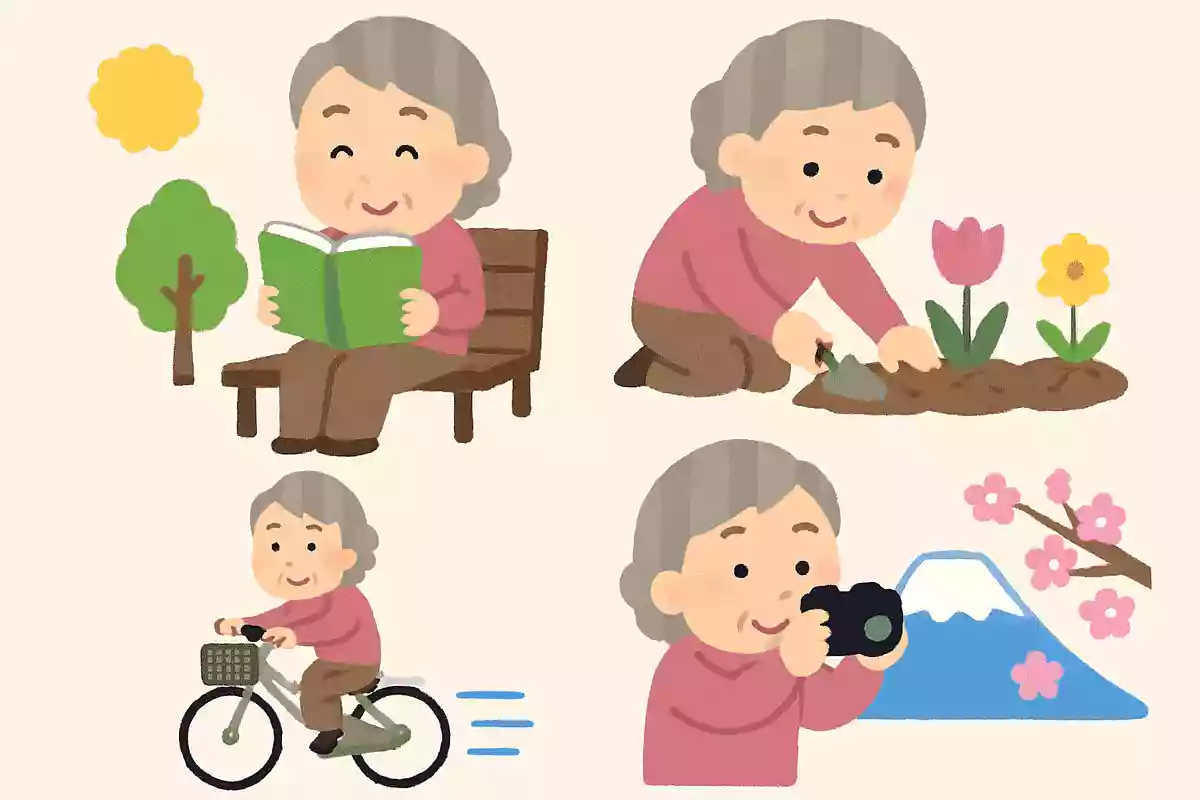
How did you spend your days off back when you were working? Some people went on drives for family time, some immersed themselves in hobbies like fishing or gardening, some worked without taking breaks, and some might have just lazed around taking naps.
Simply talking about those ordinary memories can stimulate the brain and may help prevent dementia.
Nostalgic stories about days off tend to stir emotions and are easy for everyone in senior facilities to relate to.
Just looking back on those happy times can help slow progression, making it a doubly beneficial theme.