

[For Seniors] Ideal for Dementia Prevention: Easy-to-Practice Reminiscence Therapy Topics

In recent years, “reminiscence therapy” has been drawing attention as a way to help prevent dementia in older adults.
Reminiscence therapy is a type of treatment that activates the brain by recalling and talking about one’s past and earlier experiences.
It is believed to help prevent dementia and slow its progression, and is being adopted in elder care facilities such as day service centers.
There are many themes related to the past that can be used when conducting reminiscence therapy.
So this time, we’ll introduce themes that are useful for reminiscence therapy and can be frequently used in caregiving settings.
Please feel free to use them as a reference.
- [For Seniors] Brain Training! Recall Quiz Collection!
- [For Seniors] Conversation starters that help you chat: engaging questions and topics to spark lively talks
- [For Seniors] Fun and Engaging Brain-Training Recreation
- Recreation Activities Effective for Long-Term Care Prevention for Seniors
- [Brain Training for Seniors] Recommended Hand-Play Recreation for Dementia Prevention
- Fun, engaging topics for conversations with older adults!
- Conversations Made Easy! A Collection of Topics That Elderly People Enjoy
- [For Seniors] Great for Brain Training! Question Card Ideas
- [For Seniors] Recommended Even for People with Dementia! Simple Recreational Activities
- [For Seniors] January Trivia Quiz & Fun Facts. Brain training with quizzes about New Year and winter.
- Hand games that liven things up for seniors—also great brain training
- [For Seniors] Recommended Brain Training! Classic Riddles
- Fun Brain Training! Memory Games for Seniors
[For Seniors] Ideal for Dementia Prevention: Easy-to-Practice Reminiscence Therapy Topics (31–40)
What games did you often play when you were a child?
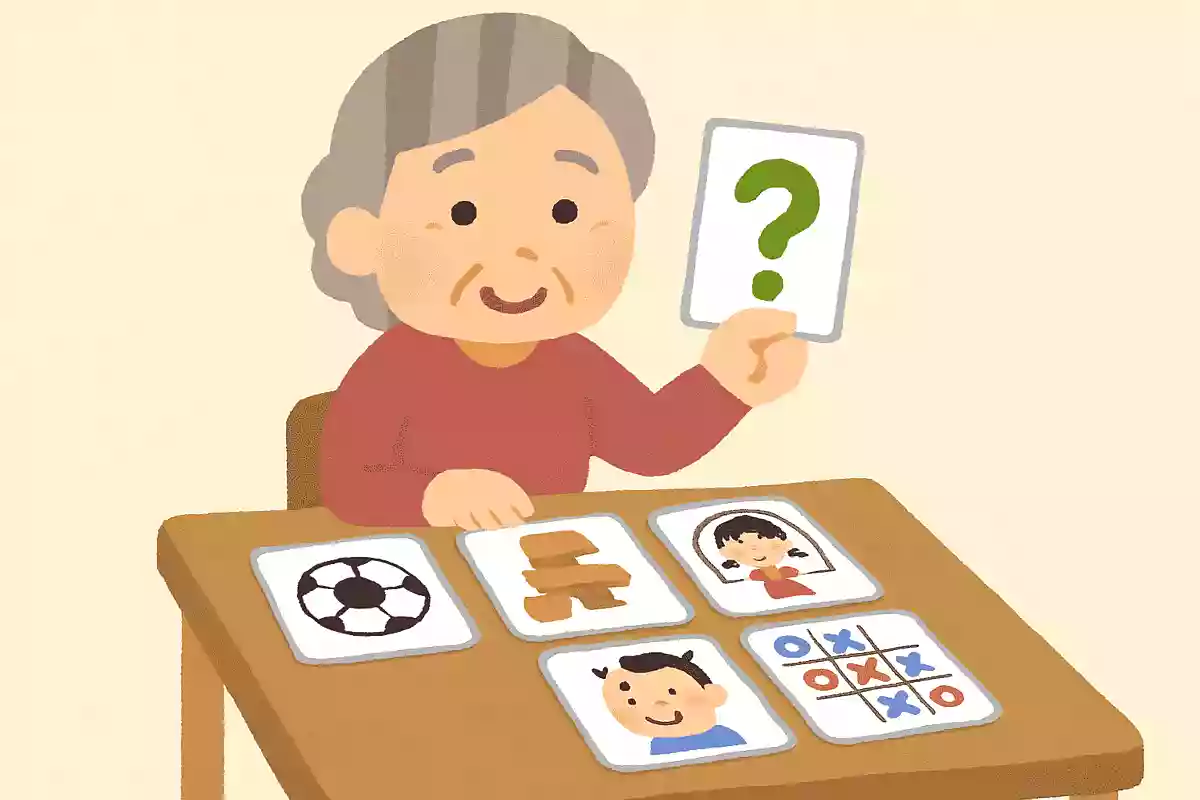
Try asking older adults about the games they used to play when they were children.
Everyone has childhood experiences.
Looking back on the past will surely spark lively conversations filled with memories.
It’s also a good idea to ask about the rules and how to play the games they mention.
Even with the same game, the rules can differ by region.
This can serve as an opportunity for older adults to converse with others, helping to promote communication.
It’s also recommended to adapt the games they mention and incorporate them into recreation time at the facility.
Talking about familiar games may bring out a variety of childhood anecdotes as well.

Memorable things from seasonal events
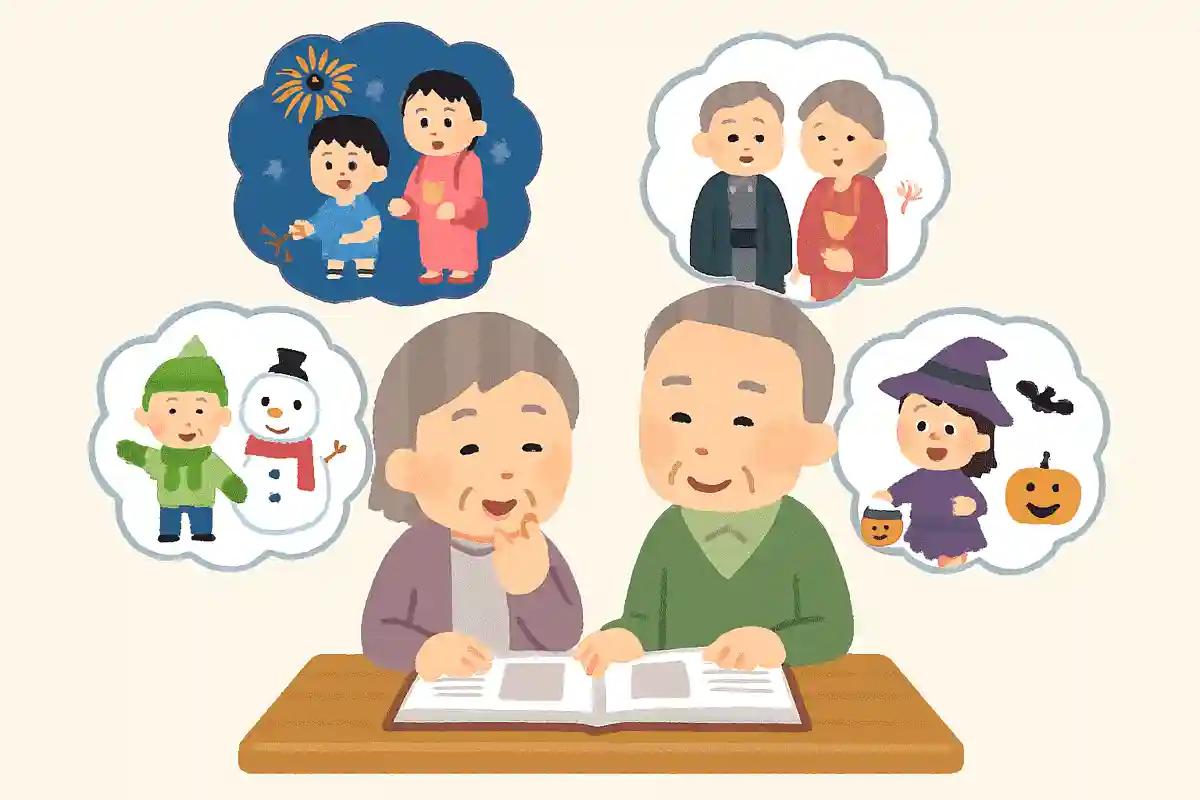
In Japan, there are seasonal events throughout the year, such as cherry-blossom viewing in spring and Obon in summer.
It seems there are many—some that have existed since ancient times and others held only in certain regions.
Many older adults likely have events that left a lasting impression on them, whether from childhood, their student days, or adulthood.
Try preparing photos or images of various events tailored to their era, and ask them about their experiences.
You’ll probably hear fun anecdotes and memories related to those events.
Most older adults have likely experienced these events at least once.
It’s an easy topic to join in on, and it can also broaden interaction through conversations with others.
In conclusion
This time, we introduced themes that are commonly used in reminiscence therapy. Using reminiscence therapy in conversations and recreational activities not only helps prevent dementia, but can also encourage a positive mindset in those who are feeling mentally down. In addition, affirming one’s life journey and sharing it with others promotes communication and leads to emotional stability. Please try enjoying conversations with older adults around you using the themes introduced here.