

![[Funny] Belly laughs? Wry smiles? Amusing Husband-and-Wife Senryu: A Collection of Classic Couple “Relatable” Moments](https://media.ragnet.co.jp/img/1200__png__https://www.studiorag.com/files/2025/12/5142925a7dd850e46b6596877916de39.webp)
[Funny] Belly laughs? Wry smiles? Amusing Husband-and-Wife Senryu: A Collection of Classic Couple “Relatable” Moments

Everyday life for married couples is full of things to laugh about.
There are those perfectly timed exchanges that only come from years together, and relatable moments that make you nod in agreement.
Senryu poems that capture the subtleties of married life with plenty of humor are sure to bring a chuckle.
In this article, we’ll share a rich selection of amusing senryu unique to couples.
You’ll find yourself saying, “That’s us!” or admiring how spot-on they are.
Enjoy them casually and add a little laughter to your daily life.
[Funny] Burst-out-laughing? Wry-smile? Hilarious Husband-and-Wife Senryu. A Collection of Classic Couple “Relatable” Jokes (1–10)
A stuffed animal sleeping as the second stroke of the river character
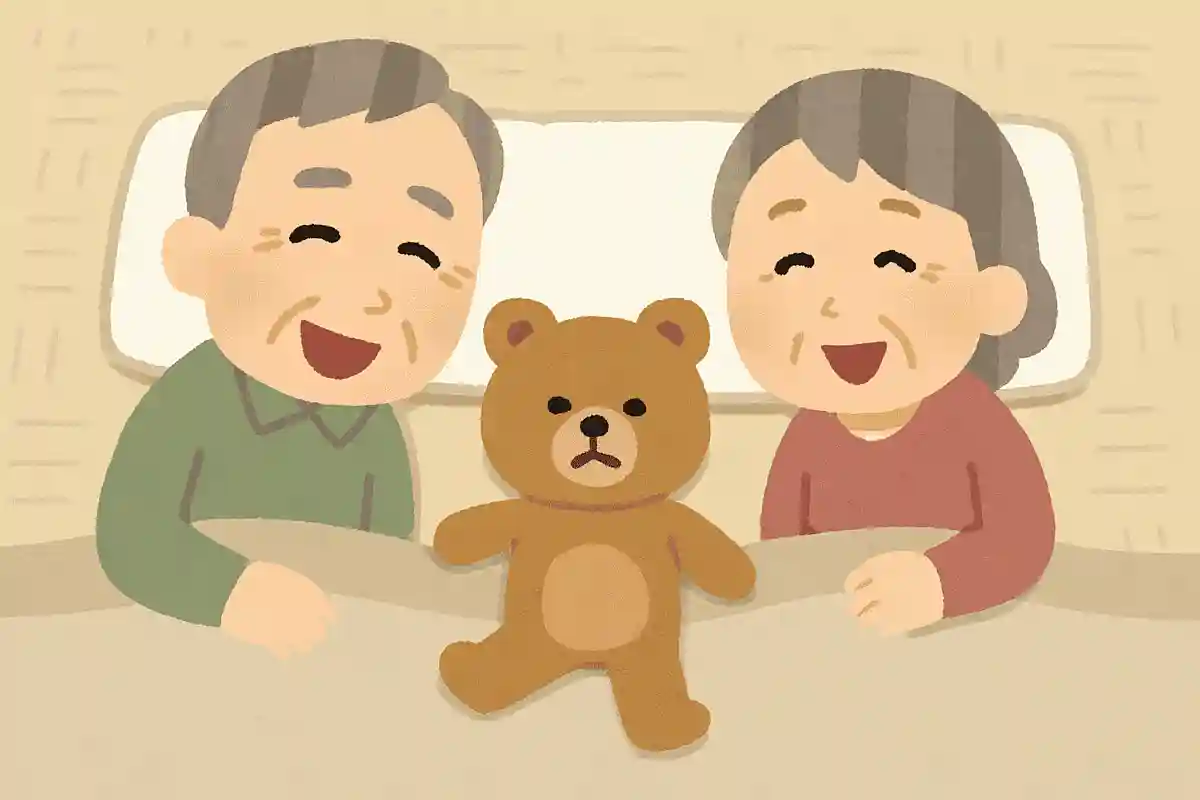
This verse beautifully depicts the gentle boundary set between a married couple.
By describing it not as something that separates them but as something that simply “lies in the second stroke,” it creates a tender, almost endearing atmosphere rather than one of tension.
Was it after a quarrel, or just a shy bit of distance? Without explaining the reason, the stuffed animal quietly softens the air right in the middle.
In that, you can sense the couple’s kindness and clumsy sincerity.
It’s not a high wall, but a boundary like a cushion that yields to the touch.
They want to draw closer, yet for now they take a small step back—this subtle emotional tremor is condensed into seventeen syllables, making it a verse with lingering resonance.

Even the glasses are being sat on—this sofa rules over butts.
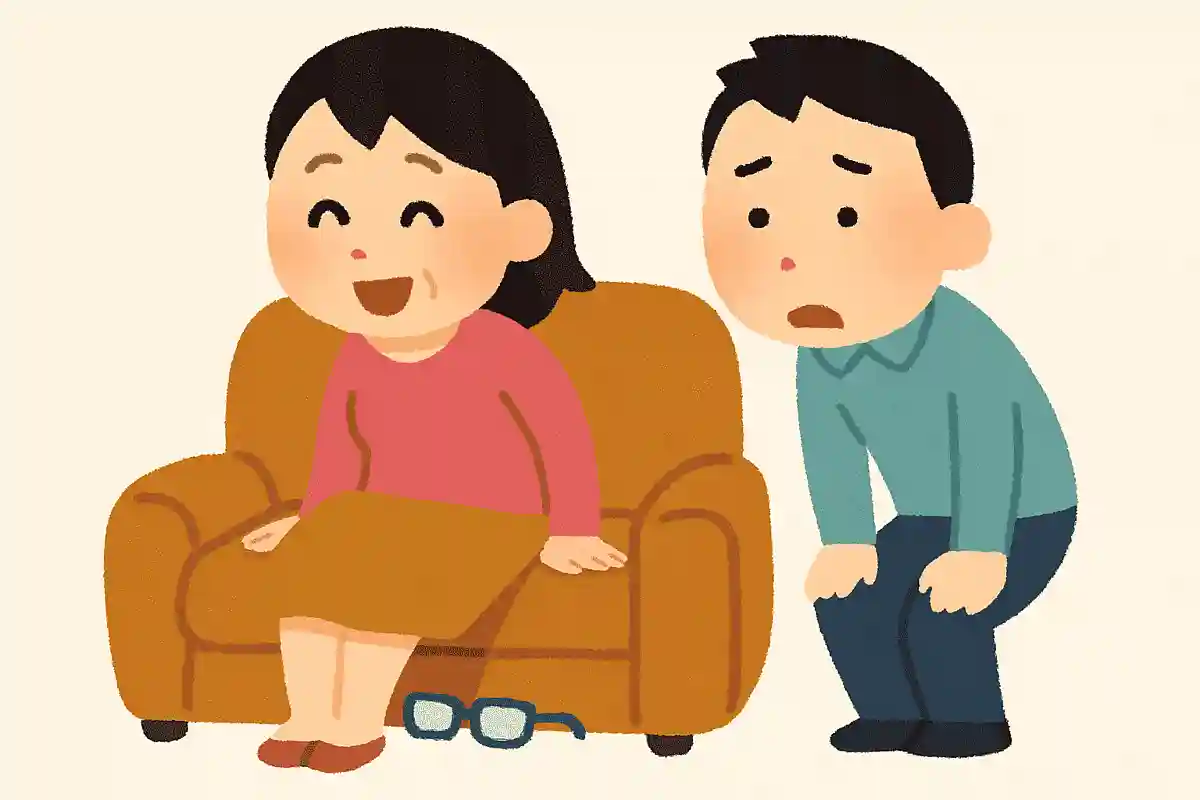
There might actually be more couples where the wife takes the lead than we think.
There’s even the phrase “being under one’s thumb,” though it doesn’t sound very positive.
That said, husbands who are the ‘under-the-thumb’ type are said to have the advantage of longer-lasting marriages.
Even when opinions differ, things are less likely to turn into fights, and they tend to understand the wife’s wishes.
But if there are upsides for the wife, it can also mean the husband is more prone to frustration and stress.
You wouldn’t like it if your glasses got stepped on right under where you sit on the sofa, right? So looking out for each other is important for both sides.

My wife — domestic, yet she’s poisonous.
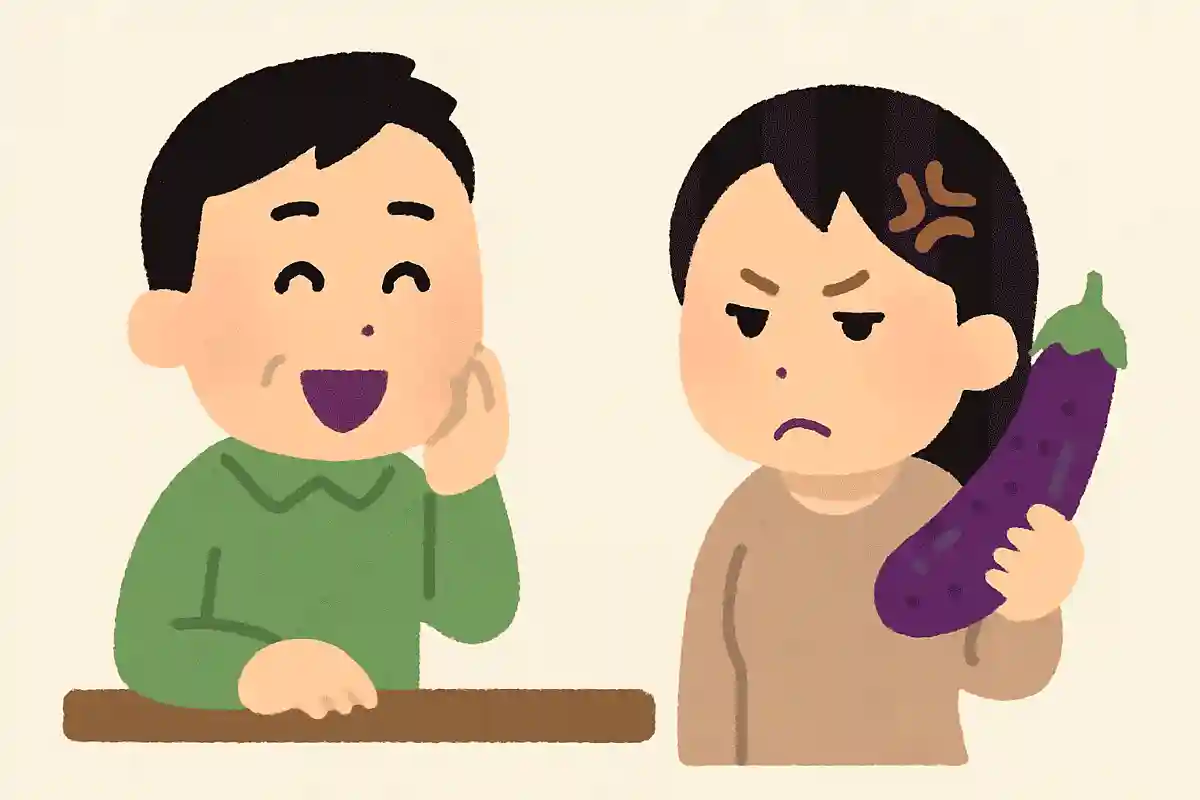
It has a snappy rhythm that pulls you straight through to the punchline.
By deliberately invoking the reassuring, safe image carried by the word “domestic” and then slamming it against the opposite assessment—“it’s poisonous”—it creates a strong contrast.
But that “poison” reads less as danger and more as blunt honesty or tough love born of affection.
From the husband’s perspective it may feel harsh, yet it’s also proof that she shows a side of herself she doesn’t reveal to others.
That nuance, tucked beneath the humor, is what makes it so interesting.
I’ve gotten fat. And you, well, you’ve gone bald.
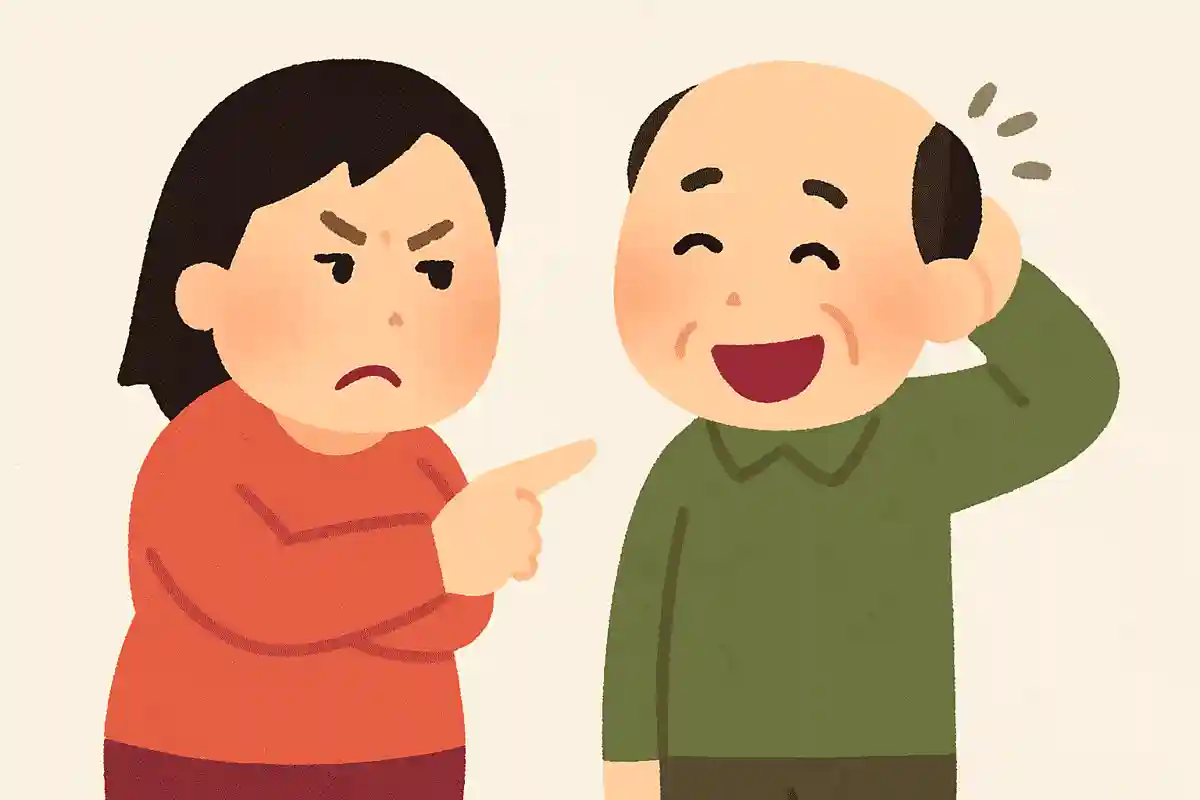
The biggest draw is that it doesn’t end with her just taking it.
Someone blurts out an insensitive “You’ve put on weight,” and in that instant she hands the truth back as if holding up a mirror.
That quiet counterpunch is immensely satisfying.
She doesn’t shout; by slipping in a calm, explanatory “Well, you, on the other hand…,” it feels like she’s responding with logic rather than emotion, which sharpens the humor.
Even while dealing with the delicate topic of appearance, it never gets heavy and lands squarely as a joke—that’s skillful.
It’s the kind of banter that only works after many years together: the mutual jabs without reserve, the easy quips tinged with affection.
It’s a single line that makes you chuckle.
Even for someone like me, at least the toilet seat is warm.
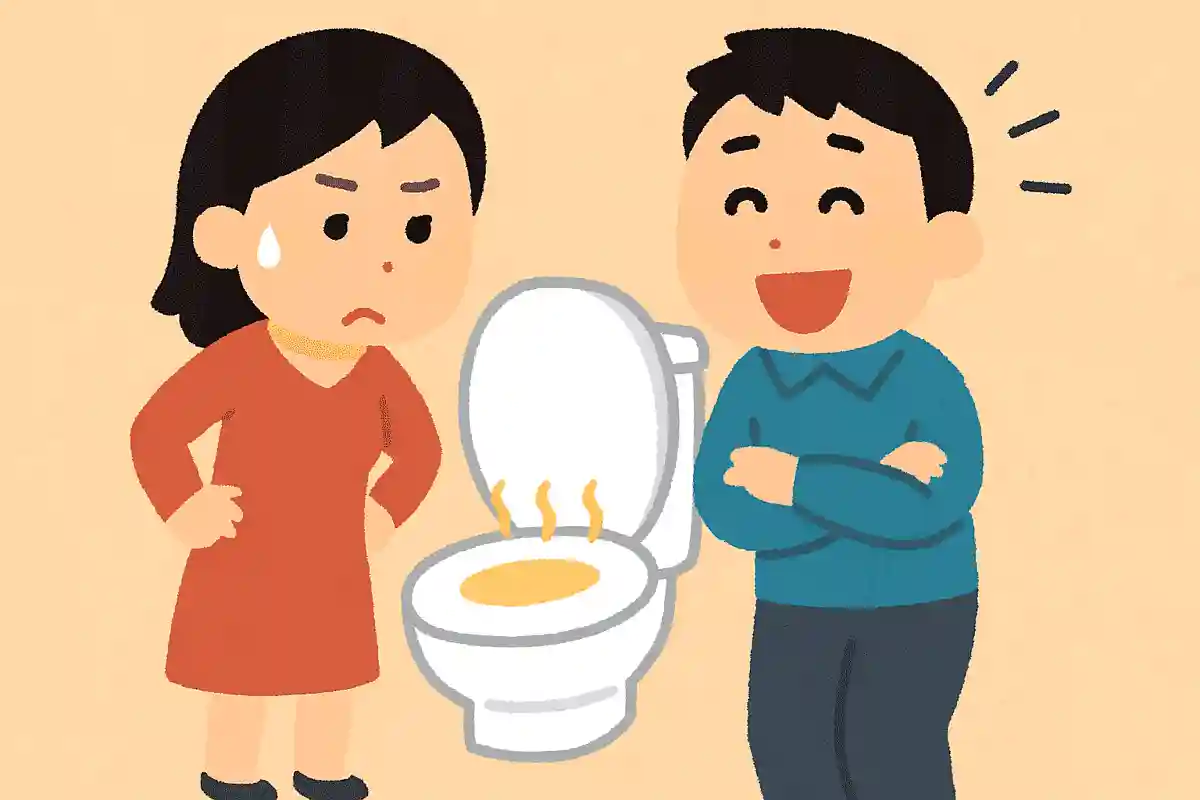
This verse strikes a superb balance between self-deprecation and humor.
The phrase “even for someone like me” really lands, conjuring an image of a husband who feels slightly out of place in the marriage, his presence a bit diminished—yet the poem’s charm lies in turning that into laughter rather than complaint.
What’s more, the object offering comfort isn’t a person but a toilet seat, introducing a skew that becomes a punchline through the gap it creates.
While it’s funny, it also leaves a faintly bittersweet aftertaste, naturally depicting the couple’s sense of distance and temperature difference.
It’s a highly accomplished poem that elicits both empathy and a wry smile at the same time.
I had no idea it was being washed separately.
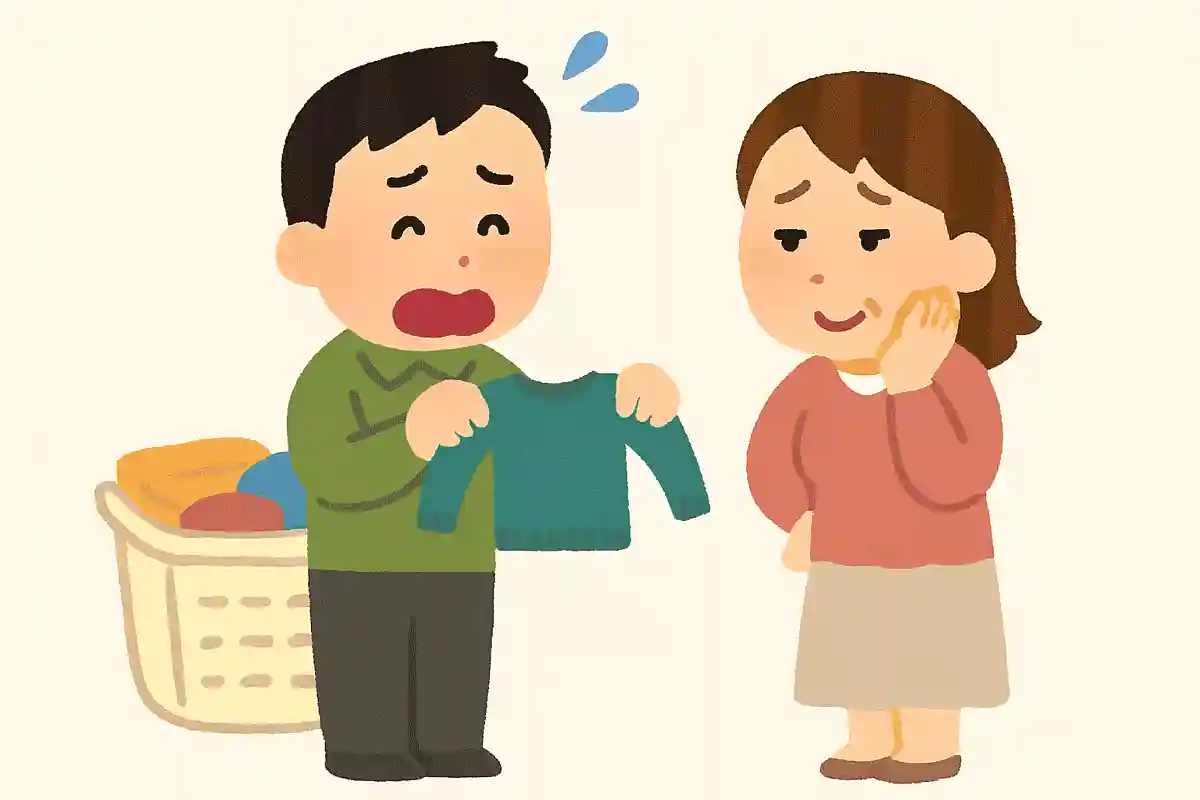
Some couples may be thinking about separating their laundry, and some might already be doing it.
If you thought you’d been washing clothes together up until now, finding out they’re being separated can be a shock.
Every couple has their own sense of distance, so there’s no single right answer.
And laundry is just one small part of daily life, so it doesn’t decide everything.
If keeping the laundry separate doesn’t cause any particular issues, you could even treat it as something to laugh about.
From the sound of the kitchen knife, I can tell my wife’s mood.
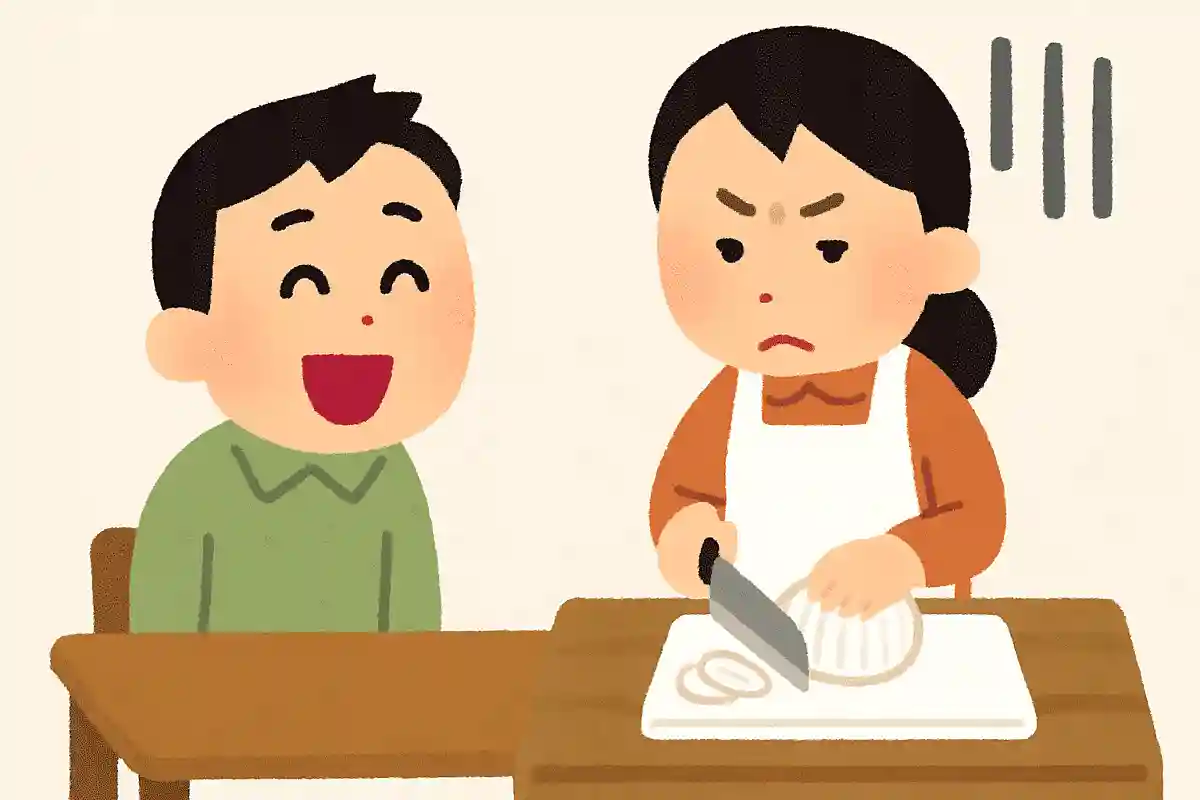
Being able to sense someone’s feelings from their actions might be something you can only understand after spending a long time together.
When you’re married and living together, you start to think, “When they’re doing this, they’re in a good mood,” right? Of course, you also come to recognize the opposite—when they’re in a bad mood.
Picking up on each other’s feelings in small ways also means you know the other person that well.
Although a bad mood is a negative emotion, this senryu conveys a deep, intimate bond that only the two of you can perceive.