

![[For Seniors] Where Do You Break It? Liven Things Up with a Fun Word-Splitting Quiz](https://media.ragnet.co.jp/img/1200__png__https://www.ragnet.co.jp/files/2025/10/6bcd119d371c599acdd8d43c009b81dd.webp)
[For Seniors] Where Do You Break It? Liven Things Up with a Fun Word-Splitting Quiz

“Tōryūmon,” “Sei Shōnagon,” “helicopter”…
Even words we use without thinking can be surprisingly tricky when you stop to consider where the proper breaks are.
Quizzes about where to split words can spark curiosity about their origins and etymology, and they’re also fun brain teasers.
In this article, we present word-splitting quizzes—focused on terms familiar to older adults—that will make you think, “Aha, that makes sense!” We’ve gathered words that are especially often misunderstood, so you’re sure to encounter surprises and delights.
Try pondering them together with family or friends and rediscover the fun of language.
[For Seniors] Where do you split it? Let’s have fun with a word-splitting quiz (1–10)
outrageous; beyond words; absurd
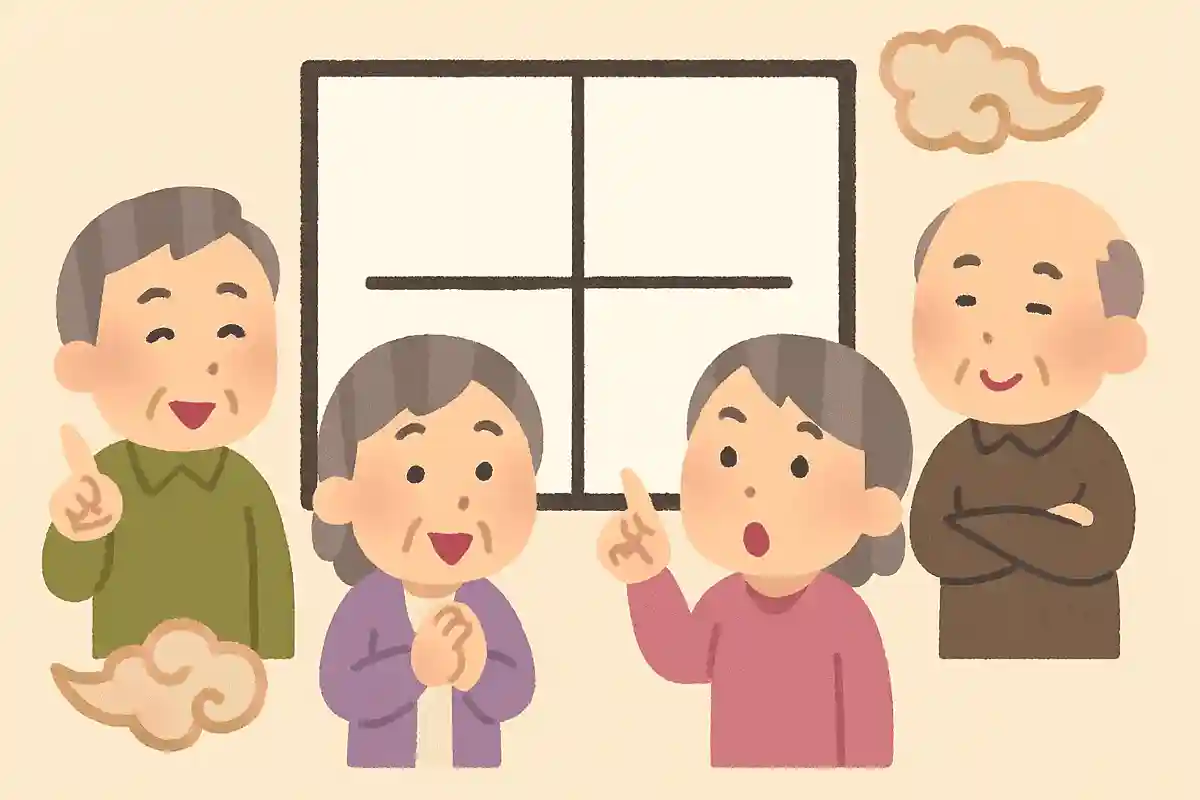
- Outrageous / Preposterous
- Unspeakable; beyond words
- Way of Language: Severance
See the answer
Way of Language: Severance
“Gongodōdan” (言語道断) can be divided into “gongodō” (言語道) and “dan” (断). “Gongodō” means “the path of expressing in words,” and adding “dan” (“to cut off,” “cannot”) gives the sense that “the way to express it in words is cut off = one is so appalled that there are no words.” Therefore, the correct division is “gongodō ・ dan.”

New Zealand

- New Zealand
- New Zealand
- New Zealan-d
See the answer
New Zealand
“New Zealand” is the name of a country in the Southern Hemisphere. The term can be divided into two parts: “New” and “Zealand.” It was originally named from Dutch, meaning “new sea land.” Splitting it as “New Zea-land” or “New Zealan-d” is incorrect; the standard division is “New” and “Zealand.”
Triceratops
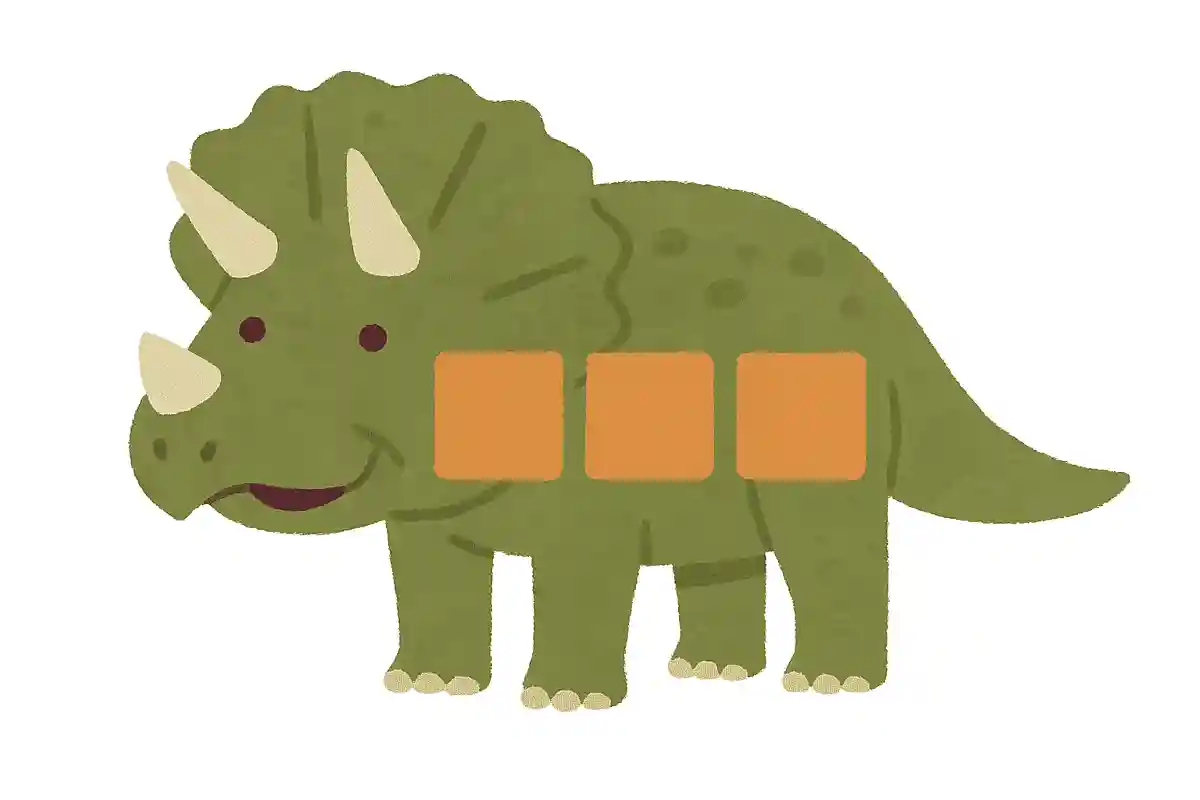
- Triceratops
- Triceratops
- Triceratops
See the answer
Triceratops
"Triceratops" can be broken down into three parts. "Tri" comes from Greek meaning "three," "kerat" means "horn," and "ops" means "face." So "triceratops" literally means "a face with three horns." It's a dinosaur name familiar even to many older adults, but since it originally comes from English and Greek, knowing the etymology makes it easier to remember.
semicircular canals
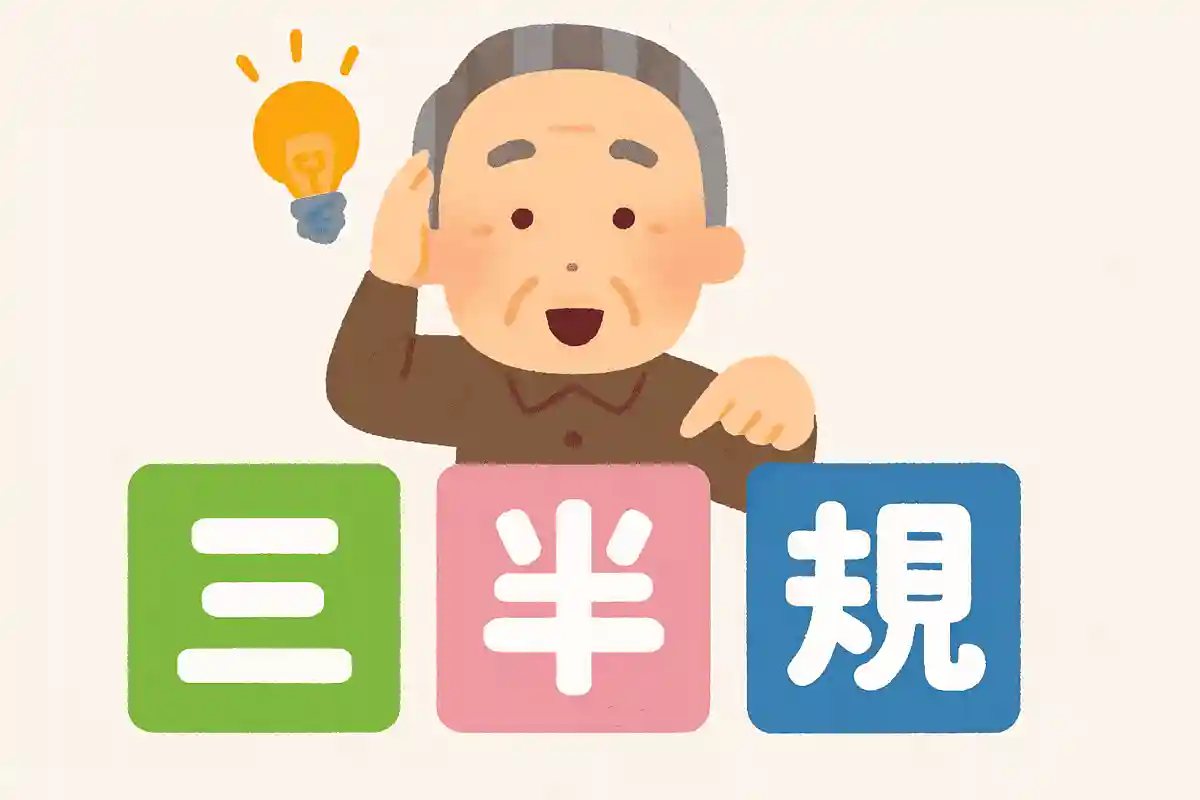
- three; semicircular canal(s)
- semicircular canals
- semicircular canal(s)
See the answer
three; semicircular canal(s)
The correct answer is “three semicircular canals.” The semicircular canals are located in the ear and are essential for maintaining the body’s balance. “Three” is the number 3, and “semicircular canals” refers to the fact that there are three half-circle-shaped canals. They not only help us hear sounds but also help us stand and move without wobbling. When the phrase is divided correctly, the meaning becomes clear.
Sei Shōnagon
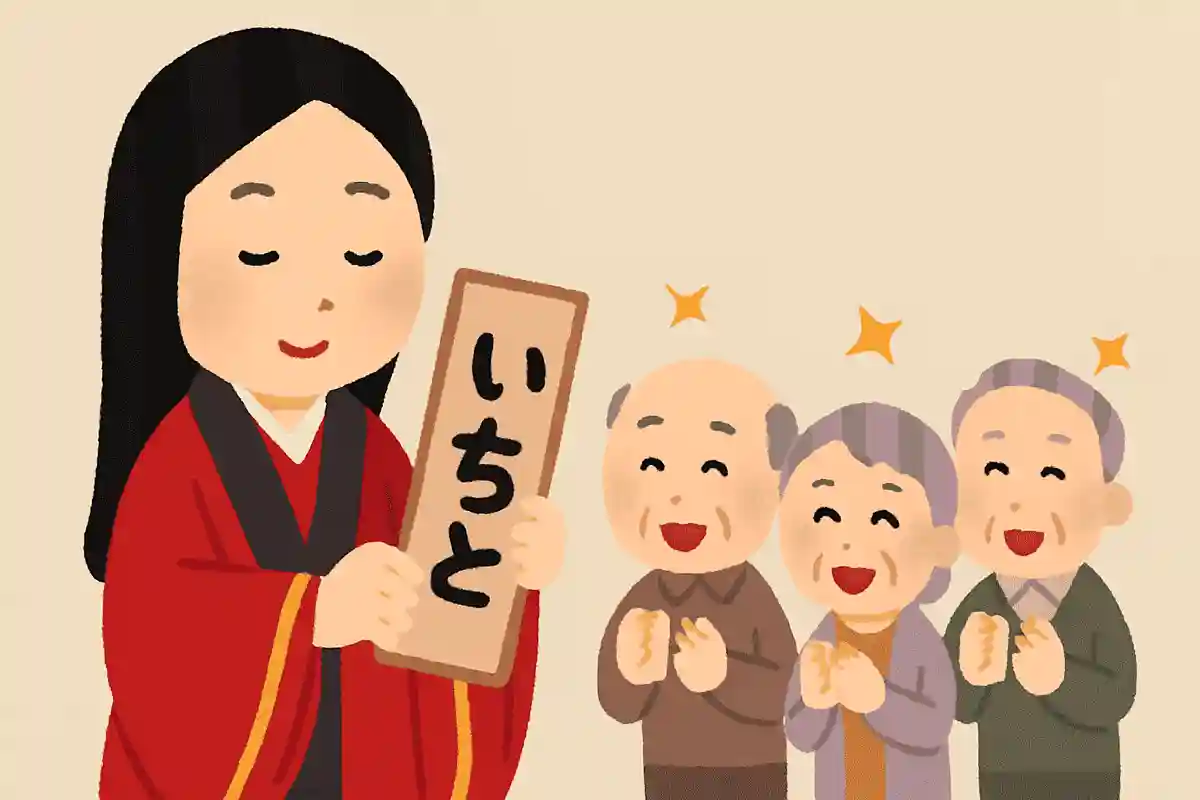
- Kiyohara no Sosei and Sei Shonagon
- Sei Shōnagon
- Sei Shōnagon's words
See the answer
Kiyohara no Sosei and Sei Shonagon
It is correct to read “Sei Shōnagon” by dividing it into two parts: “Sei” and “Shōnagon.” “Sei” is her father’s surname, and she was referred to together with the court title “Shōnagon,” an official rank at the time. Sei Shōnagon was a female writer of the Heian period, known for authoring The Pillow Book. Since an incorrect division can lead to a completely different meaning, it is very important to know the correct way to divide historically significant names like this.
Cholesterol
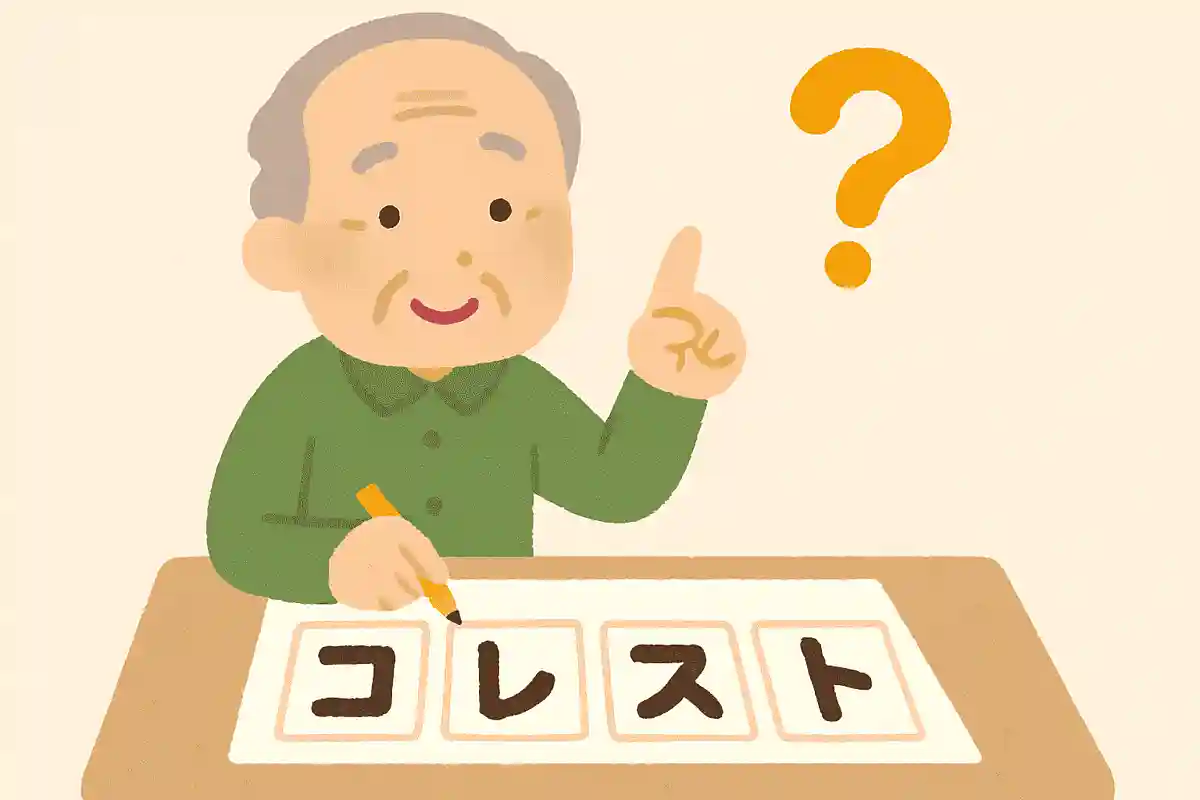
- Co-Restero-ru
- cholesterol
- cholesterol
See the answer
cholesterol
“Koresuterooru” is a katakana word derived from the English “cholesterol.” To make it easier to pronounce in Japanese, it is naturally divided and read as “kore” and “suterooru.” Dividing it as “koresu–tero–ru” or “ko–resuterooru” sounds unnatural, so the correct way to split it is “kore–suterooru.” Also, knowing how to segment the word in a quiz can help you better understand its correct meaning.
Puerto Rico
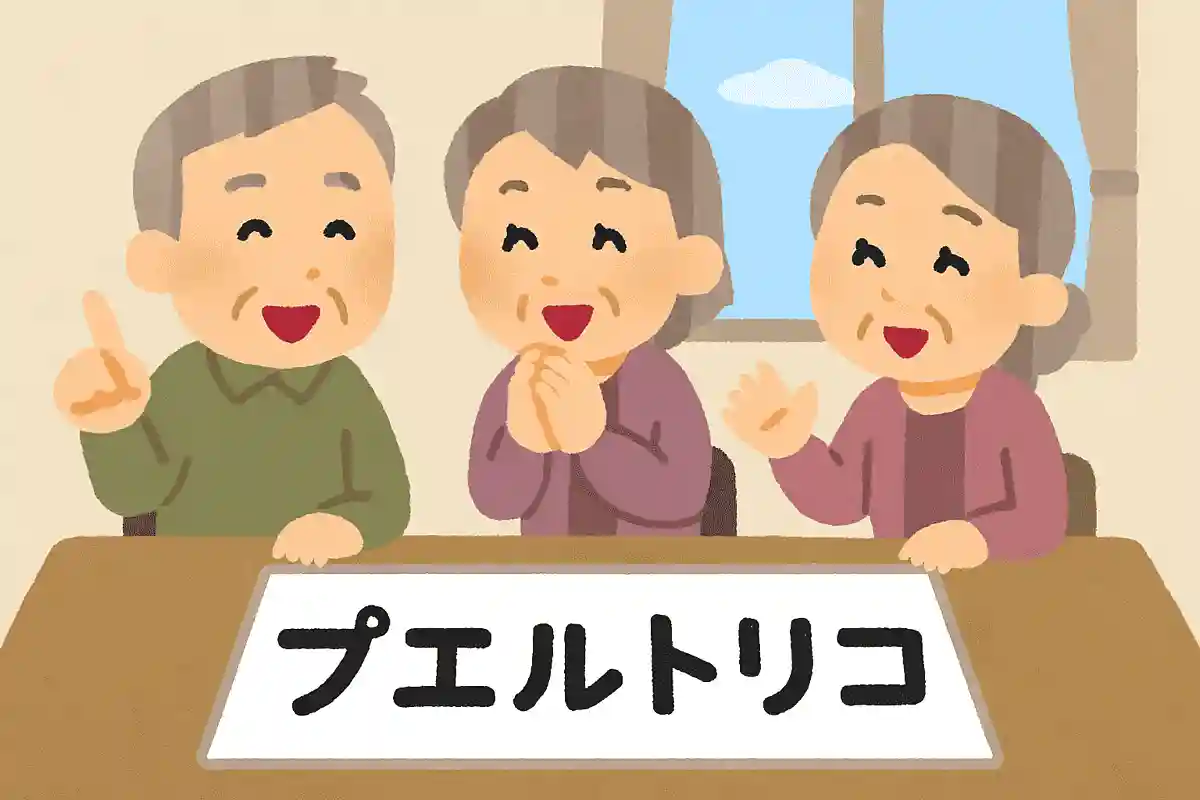
- Puerto Rico
- Puerto Rico
- Puerto Rico
See the answer
Puerto Rico
“Puerto Rico” is an unincorporated territory of the United States located in the Caribbean. When dividing the word, the correct form is “Puerto Rico.” “Puerto” in Spanish means “port,” and “Rico” means “rich,” so together it means “rich port.” The division point is easy to get wrong, but “Puerto Rico” is the official name.